Toy Dog Beds: 10 Coziest Small Picks (2026)
Affiliate disclosure: Paws Dynasty is reader-supported. We may earn a commission when you buy through links on our site, at no extra cost to you. As an Amazon Associate, we earn from qualifying purchases. Learn more about our affiliate disclosure
In this guide 18 sections
Tiny paws, big personalities—toy breeds have a knack for turning every square inch of your home into their personal kingdom. Yet for all their sass and swagger, these pocket-sized pups spend up to eighteen hours a day curled up in dreamland. A thoughtfully chosen toy dog bed isn’t a frivolous accessory; it’s the epicenter of their health, happiness, and even behavior. If you’ve ever seen a three-pound Chihuahua try to “dig” to China through a sofa cushion, you already understand the assignment: give them a space engineered for their microscopic bodies and larger-than-life attitudes, or watch your furniture pay the price.
Below, we peel back the layers of stuffing, stitching, and style to reveal what actually matters in 2025’s toy dog bed landscape. You won’t find product lists or copy-paste rankings here—just the expert blueprint you need to zero-in on the perfect nest before your pint-size overlord writes a one-star Yelp review in barks.
Quick answer: A toy breed bed needs low walls it can step over, a base wide enough to stretch out, and a cover that survives the wash. Donut and bolster shapes suit burrowers and leaners, while flat mats work better for sprawlers. Measure your dog curled up and add a few inches instead of buying by breed label.
How we picked
We compared the beds on fill loft and how fast it flattens, cover fabric and wash instructions, base grip, wall height for short legs, and whether the sizing chart matches real measurements. Value was judged against how many washes the cover is likely to survive.
Related reading: beds that match your toy collection · play dog beds for small pups · chew-resistant Kong dog beds
Top 10 Toy Dog Bed
Quick picks
10 picks comparedAdvertiser disclosure: We may earn a commission from links on this page, at no extra cost to you. How we review




Prices and availability can change. Check Amazon for the current price and details.
Detailed Product Reviews
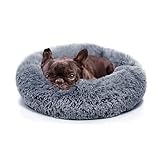
1. Small Dog Bed Cat Bed Donut Kitten Beds Dog Sofa Small Sofa Puppy Bed Cute Bed Cat Pet for 3Kg Pet Donut Bed
Overview:
A budget-friendly, donut-shaped nest for cats and tiny dogs under 3 kg. The puff arrives vacuum-packed and, once fluffed, forms a 35 cm circular cushion with raised rims that invite curling-up.
What Makes It Stand Out:
Extreme affordability plus a genuine “free size-swap” promise—something rarely seen at this price tier. The tight donut silhouette also cradles kittens and teacup pups better than flat pads.
Value for Money:
At $8.99 you’re paying café-latte money for a washable, semi-plush bed. If your pet outgrows it, the company will replace it gratis, effectively doubling the product’s lifespan.
Strengths and Weaknesses:
Pros: unbeatable price, cute aesthetics, reassuring after-sales policy, super-light for travel.
Cons: only suits pets ≤3 kg; stuffing is thin and may flatten after a few washes; 2–4 cm sizing error on arrival means it can look more like a frisbee than a doughnut until fully decompressed.
Bottom Line:
Perfect starter bed for new kittens or pint-sized pups, provided you allow a day for full loft and accept it won’t last years. For the cost, the risk is negligible.


6. Patas Lague Bolster Dog Bed for Extra Small Dogs 16”x12”, Soft Warm Foam Pet Sofa Bed, Machine Washable Pet Cat Crate Mat for Toy Breeds, Taupe
Overview: The Patas Lague Bolster Dog Bed is a budget-friendly crate mat designed for extra-small dogs and cats up to 5 lbs, delivering foam-based comfort in a taupe, 16″×12″ footprint.
What Makes It Stand Out: 25D foam core plus wrap-around bolster give chihuahua-sized pets both cushioning and a built-in pillow—rare at this price. It doubles as a carrier or dog-house liner, adding travel-day utility.
Value for Money: Ten dollars is coffee-money territory; even if it only lasts a year, the daily-cost-per-nap is pennies. Comparable bolstered beds usually start around $20.
Strengths and Weaknesses: Pros—lightweight, machine-washable, neutral color hides fur, fits 18″ crates exactly. Cons—arrives vacuum-flat and can need three days to plump; 5-lb limit means most kittens outgrow it; 25D foam flattens permanently after a few months of daily use.
Bottom Line: A fine starter or backup bed for true teacup pups; just don’t expect long-term loft and allow 72 h for full expansion.


Why Toy Breeds Need a Bed Designed Just for Them
Orthopedic support isn’t just for Great Danes. Toy breeds have exceptionally delicate tracheas, luxating patellas, and necks that can be injured by a single enthusiastic leap. A bed calibrated to their body mass prevents pressure on the cervical spine, keeps joints in neutral alignment, and minimizes the micro-traumas that accumulate into expensive vet visits.
Size Versus Scale: Avoiding the Goldilocks Trap
“Small” is a moving target. A bed that looks dainty to you can still feel like a sprawling desert to a teacup Yorkie. Aim for interior dimensions that allow your dog to sprawl nose-to-tail plus two inches of buffer—no more. Oversized beds sap body heat and invite accidents in unused corners.
Orthopedic Memory Foam: Not Just for Seniors
Pound-for-pound, toy dogs place sharper stress on memory foam than mastiffs. High-density, certified foam—4 lb/ft³ or higher—redistributes that pinpoint pressure and prevents bottoming out. Look for layer cakes: a firm base topped with a contouring memory layer, finished with a cooling gel swirl to offset heat retention.
Bolster Beds vs. Cave Beds: Reading Your Pup’s Sleep Language
Bolster lovers rest their chins on runway-worthy rims and survey their domain like Roman emperors. Cave deniers burrow under blankets to escape the paparazzi. Watch your dog’s bedtime rituals three nights in a row—chin-proppers get bolsters; blanket-diggers get hooded cave styles with sherpa-lined flaps.
Machine-Washable Materials: The Non-Negotiable Feature
Toy breeds equal toy-size bladders. Removable, fully machine-washable covers (gentle cycle, cold water, hypoallergenic detergent) are a must. Bonus points for internal waterproof liners that zip off separately so you never have to wrestle an entire foam slab into a front-loader.
Hypoallergenic and Eco-Friendly Fabrics
2025’s top mills certify against over 350 chemical contaminants. Seek OEKO-TEX Standard 100 or GOTS labels if your pup has sensitive skin or you’re aiming for a greener pawprint. Bamboo-viscose blends pull double duty: naturally antimicrobial and static-resistant so winter sparks don’t startle.
Temperature Regulation: Cooling Gel and Self-Warming Technologies
Single-pound pups chill quickly. Self-warming fibers reflect infrared heat without plugs or cords—ideal for travelers. Conversely, cooling gel beads infused into memory foam dissipate excess warmth for hairless breeds like Chinese Cresteds who sunburn in a windowsill.
Travel-Friendly and Modular Designs
Fold-flat, roll-tight, or clip-to-seatbelt: modular beds make café patios, hotel rooms, and in-cabin flights feel like home. Pair with a collapsible silicone water bowl that snaps to the bed’s D-ring so airport security doesn’t confiscate your genius setup.
Style Meets Function: Color Palettes That Hide Fur
White Maltese on a cream rug equals invisibility—or disaster. Modern vegetable-dyed palettes (sage, fog, terracotta) camouflage toy breed shedding while harmonizing with 2025’s “warm minimalism” décor trend.低碳 dyes also reduce run-off pollution—bonus eco points.
Safety Certifications to Demand in 2025
Look beyond the marketing fluff: CertiPUR-US foams (no heavy metals), CPSIA-compliant zippers (lead-free pullers), and GRE guard gold certification (off-gassing tested for 480+ chemicals). If the brand can’t supply documentation, keep scrolling.
Price Versus Longevity: Calculating Cost Per Nap
A $24 bed that flattens in six months costs $0.13 per nap for a daily sleeper. A $120 bed that lasts five years drops to $0.07—and saves one orthopedic consult. Do the math, then invest in the mid-tier sweet spot where foam density and warranty length intersect.
How to Introduce a New Bed Without Rejection
Toy dogs imprint on scent. Rub the new bed with a worn T-shirt you’ve slept in, then place it inside the old bed’s footprint for 48 hours. Reward any interaction with high-value treats (freeze-dried liver, not kibble) to create a positive association faster than you can say “diva.”
Cleaning Hacks That Extend Bed Life
Rotate the bed 180° every Sunday to even out compression patterns. Vacuum with a upholstery attachment weekly; sprinkle baking soda plus two drops of lavender oil, let sit 15 minutes, then vacuum again to neutralize puppy perfume. Air-dry covers away from direct sunlight to prevent zipper brittleness.
Common Mistakes Owners Make (And How to Fix Them)
Mistake #1: Buying “adorable” without measuring. Fix: Tape-map the sleep zone on your floor first.
Mistake #2: Using human detergent with optical brighteners. Fix: Switch to enzyme-based pet formulas.
Mistake #3: Ignoring warranty fine print that excludes teething damage. Fix: Add a chew-proof liner for pups under six months.
Future Trends: Smart Beds and App Integration
2025’s prototypes embed paper-thin pressure sensors that log sleep cycles, respiratory rate, and even early-stage heart murmurs—data synced to your phone via low-energy Bluetooth. Expect subscription-free models by late 2025 as patent cliffs open the market to indie makers.
Frequently Asked Questions
How often should I replace my toy dog’s bed?
Every 18–24 months for standard foam, 36 months for high-density orthopedic, or immediately if you notice permanent sagging or odor retention.
Can I use a cat bed for my toy breed?
Only if interior dimensions and foam density match; cat beds often skimp on bolster height needed for canine neck support.
What’s the safest way to heat a bed in winter?
Skip electric heating pads—opt for self-warming reflective layers or microwavable inserts specifically shaped for toy breeds to prevent hot spots.
My puppy chews everything; are there chew-proof options?
Look for ballistic nylon covers with Kevlar stitching and YKK zippers that hide beneath fabric folds. Spray boundaries with bitter apple deterrent during teething phases.
How do I clean urine from memory foam that isn’t waterproof?
Blot, then saturate with enzymatic cleaner, press out moisture with towels, and air-dry under a fan. Repeat once; if odor lingers, replace the foam—bacteria colonies are already entrenched.
Do toy dogs prefer circular or rectangular beds?
Burrowers love circlular cave styles; sprawl-on-back loafers choose rectangular loungers. Let your dog’s preferred sleep posture decide.
Will adding a blanket defeat cooling gel benefits?
A thin cotton sheet still allows heat transfer; avoid thick polyester fleece which acts as an insulator.
Are elevated cots suitable for toy breeds?
Only if the canvas is drum-tight and no more than 4″ off the ground—tiny legs strain when jumping off taller frames.
Certifications look expensive; are they worth it?
One avoided skin allergy pays for the upcharge. Certified beds also outlast cheap ones 2–3×, lowering landfill impact.
Can a bed help with separation anxiety?
A properly sized, scent-imprinted bed becomes a security object. Pair it with a smart speaker that plays your pre-recorded “I’ll be back soon” phrase at random intervals for extra comfort.
Related guides
The short version
Still deciding? Start with our #1 pick.
Small Dog Bed Cat Bed Donut Kitten Beds Dog Sofa Small Sofa Puppy Bed Cute Bed Cat Pet for 3Kg Pet Donut Bed
Ranked first out of 10 picks in this guide.

Keep reading
More in Dog Toys
Chew Toy Safety: Size and Material (2026)
The wrong chew toy can crack a tooth or block an airway. Learn how to size…
Dog Enrichment Toys: How to Choose (2026)
Match dog enrichment toys to your dog's energy level and chewing style, with session timings, rotation…

Puppy Chewing Everything: 10 Solutions (2026)
Your new puppy’s adorable until you discover they’ve turned your vintage sofa into modern art. Chewing…