10 Best Small Dog Treats for Tiny Breeds & Puppies (2026)
Affiliate disclosure: Paws Dynasty is reader-supported. We may earn a commission when you buy through links on our site, at no extra cost to you. As an Amazon Associate, we earn from qualifying purchases. Learn more about our affiliate disclosure
In this guide 19 sections
Tiny jaws deserve big nutrition, and the treat aisle can feel downright intimidating when your best friend is barely bigger than a bagel. Whether you’re rewarding a toy-breed veteran or coaxing a toy-puppy through its first week at home, the wrong morsel can pack on pounds, chip tiny teeth, or trigger an allergy faster than you can say “sit.” The good news? Micro-managed ingredients, cutting-edge safety testing, and ethically sourced superfoods have converged in 2025 to produce treats that are as wholesome as they are petite.
Before you fill your cart with the cutest mini-bones on the shelf, it pays to decode the fine print: calorie density, texture, training utility, functional add-ins, and even the environmental cost of the packaging all matter when your dog’s daily caloric ceiling is about the same as a tablespoon of peanut butter. This guide walks you through everything you need to know so your teacup companion gets maximum flavor—and health—with every bite.
Top 10 Small Dog Treats
Quick picks
10 picks comparedAdvertiser disclosure: We may earn a commission from links on this page, at no extra cost to you. How we review




Prices and availability can change. Check Amazon for the current price and details.
Detailed Product Reviews
1. Milk-Bone Mini’s Flavor Snacks Dog Treats, 36 Ounce
Overview: Milk-Bone Mini’s Flavor Snacks deliver variety in a generous 36-ounce canister. These petite biscuits come in beef, chicken, and bacon flavors, all clocking in at just five calories per piece. Designed for frequent treating, they’re fortified with 12 vitamins and minerals and shaped like tiny bones to keep pups engaged.
What Makes It Stand Out: The minis’ size strikes a sweet spot: small enough for training repetition yet substantial enough to satisfy. The triple-flavor rotation prevents boredom, and the crunchy texture doubles as a dental helper, scraping away tartar while freshening breath.
Value for Money: At $5.10 per pound, you’re getting premium-brand quality without the premium price. The reusable canister keeps treats fresh and prevents breakage, stretching the value further.
Strengths and Weaknesses:
– Pros: Calorie-controlled, multi-flavor variety, dental benefits, widely available
– Cons: Contains wheat and corn; not suitable for grain-sensitive dogs; flavors are “natural” but not meat-first
Bottom Line: A pantry staple for owners who want affordable, everyday rewards. If your dog tolerates grains and you like guilt-free treating, this tub deserves a spot on the shelf.

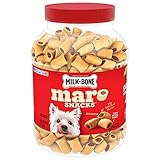
2. Milk-Bone MaroSnacks Small Dog Treats With Bone Marrow, 40 Ounce Container
Overview: Milk-Bone MaroSnacks wrap real bone marrow in a crunchy biscuit shell, giving dogs a best-of-both-worlds texture experience. The 40-ounce tub is baked in Buffalo, NY, using only naturally sourced colors and added calcium for bone support.
What Makes It Stand Out: The marrow center is the star—a nutrient-dense, meaty surprise that turns a simple biscuit into a high-value reward. The hard shell satisfies chewers while the creamy middle keeps picky eaters interested.
Value for Money: $4.59 per pound makes this the cheapest Milk-Bone option per ounce. Considering the real marrow content, you’re bagging gourmet-style appeal at grocery-store pricing.
Strengths and Weaknesses:
– Pros: Dual texture, real marrow, calcium boost, USA-made, economical bulk size
– Cons: Higher fat than plain biscuits; resealable lid can crack; strong smell may bother humans
Bottom Line: Perfect “jackpot” treat for recalls or crate training. Rotate with lower-calorie biscuits to balance the richness, and you’ll have a motivated, happy dog without blowing the treat budget.

3. Vital Essentials Beef Liver Dog Treats, 2.1 oz | Freeze-Dried Raw | Single Ingredient | Premium Quality High Protein Training Treats | Grain Free, Gluten Free, Filler Free
Overview: Vital Essentials Beef Liver is the minimalist’s dream: one ingredient—raw beef liver—freeze-dried into a lightweight, nutrient-packed nugget. Each 2.1-ounce bag contains about 50 high-protein morsels sourced and processed in the USA within 45 minutes of harvest.
What Makes It Stand Out: Nothing but liver means zero fillers and unbeatable palatability. The rapid freeze-dry locks in naturally occurring vitamins A & B, iron, and taurine, supporting coat sheen, endurance, and cardiac health.
Value for Money: $45.64 per pound sounds steep, yet a little goes a long way. Break the wafer-thin pieces and one bag lasts through weeks of training; you’re paying for 100% bio-available nutrition, not bulk.
Strengths and Weaknesses:
– Pros: Single protein, allergy-friendly, ultra-high value, resealable foil pouch
– Cons: Expensive upfront, can crumble to powder, potent aroma, grease spots possible
Bottom Line: Outstanding for finicky or allergy-prone dogs, show-coat goals, or tiny training treats. Keep as a special high-value reward; combine with cheaper fillers for daily use to stretch the purse.

4. Buddy Biscuits Trainers 10 Oz. Pouch of Training Bites Soft & Chewy Dog Treats Made with Bacon Flavor
Overview: Buddy Biscuits Trainers cram 500 soft, bacon-flavored bites into a 10-ounce pouch. Using natural pork liver as the base, each morsel is just 1.5 calories and free of corn, soy, and artificial additives.
What Makes It Stand Out: The combination of low calorie count and sky-high quantity means you can run through an entire agility course without worrying about weight gain. The soft texture is gentle on puppy or senior teeth and can be halved for even smaller mouths.
Value for Money: $11.02 per pound lands in the middle range, but when broken down per treat you’re paying pennies—ideal for high-repetition training or multi-dog households.
Strengths and Weaknesses:
– Pros: Huge count, ultra-low calorie, soft for quick eating, no greasy residue
– Cons: Liver aroma isn’t for everyone, resealing strip can fail, can dry out if left open
Bottom Line: A trainer’s secret weapon for proofing behaviors. Keep the bag sealed or transfer to a jar, and you’ll have months of affordable, waistline-friendly motivation on hand.

5. Milk-Bone Flavor Snacks Small Dog Biscuits, Flavored Crunchy Dog Treats, 7 Pound Box
Overview: Milk-Bone’s 7-pound flavor sampler cranks variety up to five: beef, turkey, chicken, bacon, and sausage. These crunchy biscuits still deliver the classic dental benefits and are colored only with natural ingredients, all for under $15 for the whole box.
What Makes It Stand Out: The generous bulk format and deep per-pound savings make this the go-to for large breeds or multi-pet homes. The five-way rotation keeps things exciting; dogs that lose interest in one flavor can jump to another without switching brands.
Value for Money: $2.14 per pound is the lowest cost of any product reviewed here, roughly half the price of the 36-ounce canister when scaled up.
Strengths and Weaknesses:
– Pros: Unbeatable price per pound, long shelf life, assorted flavors aid picky eaters
– Cons: Requires storage space, box isn’t resealable (transfer needed), still grain-based
Bottom Line: Best buy for budget-conscious households or shelters. Decant into airtight bins and you’ve got months of teeth-cleaning, tail-wagging goodness for the cost of a pizza.

6. Zuke’s Mini Naturals Dog Training Treats for Dogs, Pet Treats Made with Real Chicken, 16 oz
Overview: Zuke’s Mini Naturals are pocket-sized, 2-calorie training morsels made with real chicken and antioxidant-rich cherries, designed to keep dogs motivated without packing on pounds. The 16-oz resealable pouch yields ~500 treats.
What Makes It Stand Out: The ultra-low calorie count and chewy texture let trainers dispense dozens per session without dietary guilt, while the addition of cherries, turmeric, and carnitine adds functional antioxidants. Made in the USA and free of corn, wheat, soy and artificial colors.
Value for Money: At ~$0.03 per treat, you’re paying for functional, USA-sourced ingredients plus a resealable pouch; cheaper than boutique brands yet pricier than Milk-Bone, landing in the sweet spot for serious trainers.
Strengths and Weaknesses: Pros—tiny size perfect for clicker work, soft enough for seniors and puppies, no greasy residue in pockets. Cons—aroma is mild (great for humans, less enticing for food-crazy dogs), bag can arrive with some breakage, and price creeps up if you have multiple large dogs.
Bottom Line: If you train daily and calories matter more than flashy flavors, Zuke’s Mini Naturals are the gold-standard pocket treat; otherwise rotate a smellier reward for picky pups.

7. Milk-Bone Flavor Snacks Dog Treats, Small Biscuits, 24 Ounce Crunchy Texture Helps Reduce Tartar
Overview: Milk-Bone Flavor Snacks deliver 24 oz of crunchy, bone-shaped biscuits in five familiar flavors—beef, turkey, chicken, bacon and sausage—fortified with 12 vitamins and minerals and colored only with natural ingredients.
What Makes It Stand Out: Five flavors in one box keep picky dogs interested, while the crunchy texture mechanically scrapes teeth to reduce tartar and freshen breath, combining treat time with basic dental care without extra cost.
Value for Money: Price isn’t listed, but historically the 24-oz box is one of the lowest cost-per-ounce biscuits on the market; you’re paying grocery-store prices for name-brand nostalgia and simple dental benefits.
Strengths and Weaknesses: Pros—dogs love the classic taste, long shelf life, resealable box, easy to portion for large or small dogs. Cons—contains wheat and soy (allergen red flag), 45-calorie-per-biscuit count adds up fast, hard texture isn’t suitable for seniors with dental issues, and some batches arrive broken.
Bottom Line: A no-frills pantry staple that doubles as a budget dental crunch—great for big healthy dogs, but skip if your pet has grain sensitivities or vulnerable teeth.

8. Blue Buffalo Bits Soft Dog Treats for Training, Made with Natural Ingredients & Enhanced with DHA, Salmon Recipe, 4-oz Bag
Overview: Blue Buffalo Bits are soft, pea-sized training rewards made with real salmon as the first ingredient and enhanced with DHA to support brain health; the 4-oz pouch is geared toward puppies and attentive adults.
What Makes It Stand Out: Real salmon plus DHA caters to puppies’ cognitive growth, while the limited-ingredient, grain-free formula omits chicken by-product meals, corn, wheat and soy—rare at this price tier.
Value for Money: At $19.96 per lb you’re paying boutique prices, but the high salmon content and functional DHA justify the premium, especially for developing puppies or allergy-prone dogs.
Strengths and Weaknesses: Pros—irresistible fishy aroma, soft enough to break smaller, great for sensitive stomachs, tiny size keeps training sessions low-calorie. Cons—4-oz bag empties fast with big dogs, residue can leave fingers fishy, resealable strip may fail after repeated openings, and price is steep for multi-dog households.
Bottom Line: Best for new-puppy parents, allergy sufferers, or nose-work trainers who need a smelly, healthy motivator; buy in multiples or look elsewhere if you burn through hundreds of treats daily.

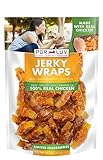
9. Pur Luv Dog Treats, Chicken & Sweet Potato Jerky Wraps, Made with Real Chicken, 16 Ounces, Rawhide Free, Healthy, Easily Digestible, Long Lasting, High Protein Dog Treat, Satisfies Dog’s Urge to Chew
Overview: Pur Luv Chicken & Sweet Potato Jerky Wraps pair a chewy chicken outer layer with real sweet-potato core, delivering rawhide-free, high-protein chews in a 16-oz tub to satisfy persistent gnawers.
What Makes It Stand Out: Rawhide-free construction eases owner guilt while the dual textures keep dogs engaged longer than biscuit-type treats; limited-ingredient deck lists just chicken, sweet potato, vegetable glycerin and natural preservatives.
Value for Money: At $14.99/lb you’re paying mid-range jerky prices for a single-protein, USA-made chew that lasts several minutes for most breeds—cheaper than boutique jerky bricks yet costlier than rawhide rolls.
Strengths and Weaknesses: Pros—highly digestible, no rawhide blockage risk, sweet potato adds fiber, smells pleasant, sized for medium dogs. Cons—medium size can be swallowed quickly by aggressive chewers, not for tiny breeds due to firmness, price spikes for multi-dog homes, calorie count (≈90 each) limits daily use.
Bottom Line: An excellent compromise for owners avoiding rawhide who still want chewing duration; great as a special daily chew but supplement with longer-lasting options for power chewers.

10. Milk-Bone Soft & Chewy Dog Treats Made with Real Bacon, 25 Ounce
Overview: Milk-Bone Soft & Chewy delivers 25 oz of tender, bacon-rich morsels fortified with protein, vitamins and minerals, all baked in Buffalo, New York and colored with natural ingredients only.
What Makes It Stand Out: Combines the nostalgic Milk-Bone trust with a modern soft texture that suits seniors, puppies, or dogs with dental issues; bacon is listed first, offering strong aroma without greasy residue.
Value for Money: At $9.27/lb this is one of the least expensive soft treats from a national brand, providing premium soft texture without the boutique tax.
Strengths and Weaknesses: Pros—budget-friendly price, resealable 25-oz canister lasts weeks, easy to tear into smaller pieces, no artificial colors, dogs love the smoky scent. Cons—wheat, soy and bacon fat may trigger allergies or pancreatitis in sensitive pets; soft texture doesn’t clean teeth; calories per piece (≈30) add up quickly if portioning isn’t controlled.
Bottom Line: A wallet-friendly everyday reward for healthy, non-allergic dogs; ideal for multi-pet households or shelters, but monitor intake and choose grain-free options for sensitive pups.
Why Size-Specific Treats Matter for Toy Breeds
Small dogs aren’t just scaled-down versions of their medium-size cousins. Their mouths, teeth spacing, gastrointestinal surface area, basal metabolic rate, and even fasting blood-glucose levels differ significantly. A treat engineered for a 25-lb terrier can be far too dense in calories, sodium, fat, or minerals for a 4-lb Chihuahua. Portion control, calorie density, and kcal/treat disclosure keep weight creep at bay while avoiding strain on developing kidneys.
Calorie Density: Keeping Micro-Dogs Micro
The AAFCO-recommended starting point for canine treats is “no more than 10% of daily calories,” but tiny dogs have daily caloric needs as low as 150 kcal. That leaves only 15 kcal of “treat real estate.” Look for products that print exact kilocalories on each piece (or per gram) so you can allocate rewards precisely. Single-digit-calorie air-dried nibbles or freeze-dried training drops weigh in at 1–2 kcal but still deliver the flavor punch dogs crave.
Texture & Dental Health: Why Crunch, Softness, and Size All Count
A morsel that’s too hard can chip a papillon’s skinny incisors; too sticky and it will latch onto tiny gum pockets, fostering plaque. Conversely, a mildly abrasive texture helps scrape tartar. Tiny breed treats typically land in one of four camps:
– Air-puffed for crunch with low caloric payload.
– Soft-baked for puppies, seniors, or training repetition.
– Jerky-style for chew-time benefits, cut pea-size to avoid choking.
– Freeze-dried raw that rehydrates in seconds for jaw-sensitive pups.
Protein Sources: Novel vs. Traditional Proteins for Allergies
Traditional chicken and beef remain the most used proteins, but they head the list for food hypersensitivity in toy breeds. Consider novel, low-inflammatory candidates—rabbit, bison, wild boar, or sustainably sourced insect protein—paired with hydrolyzed sourcing if your vet suspects a food trial.
Freeze-Dried vs. Air-Dried vs. Soft-Baked: Processing Pros & Cons
Freeze-drying sublimates water while locking in heat-sensitive vitamins. Air-drying drops water content to 12–14%, giving a satisfying crunch without synthetic humectants. Soft-baked uses steam and a short bake cycle, ideal for senior dogs or teething pups—just watch for hidden glycerin calories.
Functional Add-ins: When Treats Become Multivitamins
Omega-3s for coat gloss and joint support, turmeric for anti-inflammatory benefit, and prebiotic fibers for anal-gland health are appearing in functional mini-treats at clinically meaningful levels—without exceeding calorie caps. Scrutinize guaranteed analysis: EPA/DHA at 0.3% (DM basis) is vet-approved for small breeds.
Probiotics & Prebiotics: A Gut-First Approach for Tiny Tummies
Lactobacillus casei, Bacillus coagulans, and chicory-root inulin have demonstrated enhanced fecal quality in toy-breed studies. Choosing a treat that lists CFU counts that are guaranteed until end-of-shelf-life ensures viable bacteria survive the package—and the dog’s acidic stomach.
Ingredients to Avoid: Xylitol, Onion, and Sneaky Fillers
Tiny livers struggle to detox even minute amounts of onion powder or garlic salt. Xylitol is lethal at minuscule doses—often hidden under “birch sugar,” “wood sugar,” or “natural sweetener.” Fillers such as corn gluten and soy grits aren’t necessarily toxic but supply little nutritional ROI per calorie.
Organic, Human-Grade, Ethically Sourced: Decoding Buzzwords
USDA Organic certification means no synthetic pesticides. Human-grade indicates the facility is USDA-inspected for human food standards—a bonus but not nutritionally transformative. Ethically sourced focuses on meat welfare and ocean-safe fish stock; look for MSC or Global Animal Partnership labels.
Soft Teething Morsels: What Puppies Crave
Puppies up to seven months alternate between itchy gums and erupting adult teeth. Malleable, slightly crumbly treats massage gums without fracturing needle-sharp incisors. They should be cut no wider than 5 mm to minimize choking.
Training Treats: Low-Calorie, Rapid-Fire Tools for Obedience
Behaviorists suggest pea-size rewards delivered within 0.8 seconds for accurate marker training. Repeated high-reward repetition in puppies can rack up calories quickly, so single-kcal drops keep sessions under budget. Re-sealable pouches maintain freshness for multiple micro-sessions a day.
Allergy-Friendly Options for Sensitive Skin & Stomachs
Limited-ingredient treats (five or fewer) eliminate cross-contamination. Single-protein treats pair with high-fiber pumpkin for a hypoallergenic topper. Hydrolyzed protein options break peptide bonds so immune systems ignore them. Always transition over a 7-day span to avoid GI upheaval.
Sustainable Packaging & Eco-Conscious Treat Choices
Recyclable #4 poly pouches, certified backyard-compostable cellophane, and soy-based inks reduce landfill mass. New upcycling lines convert brewer’s spent grain into dog biscuits, lowering agricultural footprints. CarbonNeutral® certification is a bonus; the package still needs to be small enough that an opened portion is consumed within five days.
Budget vs. Premium: How to Spot Real Value
Premium does not automatically equal “better.” Run a quick cost per kcal:
1. Divide package price by total grams.
2. Multiply grams per treat by kcal/g.
True value also considers nutrient density—does the treat displace meal kcal? If it packs glucosamine and omega-3s, it may offset separate supplements, tipping the math in your favor.
Transitioning When Switching Treats Safely
Treat transition follows the same seven-day rule as diet changes: 25% new treat on days 1-2, 50% on days 3-4, then full switch. Probiotics or a dash of canned pumpkin ease the GI transition. Monitor for soft stool, itching, or ear odor—tell-tale signs of intolerance.
Storage & Shelf-Life: Maximizing Freshness Without Preservatives
Stow freeze-dried treats under 65°F (<18°C) in sealed, light-blocking pouches. Oxygen absorbers inhibit rancidity; toss if the absorber is expanded or you detect a “paint” smell (oxidized fats). Soft-baked should be refrigerated after opening; keep them below 38°F (3°C) and consume within 21 days.
Frequently Asked Questions
Q1: How many treats per day can a 5-lb Chihuahua safely have?
A: Use the 10% rule—roughly 5 low-calorie treats daily depending on the exact kcal per treat.
Q2: Are grain-free treats healthier for toy breeds?
A: Not inherently; choose grain-free only if your vet recommends allergy management.
Q3: Can puppies chew freeze-dried nibs before adult teeth emerge?
A: Yes, if you rehydrate them first to soften the texture and prevent gum damage.
Q4: Should I brush my dog’s teeth if I give daily dental chews?
A: Brushing a minimum of three times weekly still offers superior plaque reduction.
Q5: What’s the best way to halve a soft treat to reduce calories?
A: Use clean kitchen shears dipped in hot water for quick, even cuts without crumbling.
Q6: Can small-breed treats trigger pancreatitis?
A: High-fat delicacies (over 20% crude fat) pose a risk in predisposed breeds; pick moderate-fat options.
Q7: Is homemade peanut-butter paste safe as a training filler?
A: Only if it’s xylitol-free and used sparingly due to high caloric density.
Q8: How long does an unsealed bag stay fresh?
A: Once opened, use soft treats within 30 days and freeze-dried varieties within 60 days for peak nutrient retention.
Q9: Do toy breeds need senior-specific treats once they hit seven years?
A: Not necessarily; opt for joint-supporting or lower-calorie versions only when weight or mobility issues emerge.
Q10: Is there risk in sharing veggie baby food as a treat?
A: Many contain onion or garlic powder—check labels first—or puree plain pumpkin, carrot, or green beans at home for a safer snack.
The short version
Still deciding? Start with our #1 pick.
Milk-Bone Mini
Ranked first out of 10 picks in this guide.

Keep reading
More in Dog Treats
![Top 10 Trixie Dog Treats Your Pup Will Go Crazy For [2026 Review]](https://m.media-amazon.com/images/I/41mCSdSOW6L._SL400_.jpg)
Top 10 Trixie Dog Treats Your Pup Will Go Crazy For [2026 Review]
If your dog lights up at the crinkle of a treat pouch, you already know the…
![Dog Salmon Treats: The 10 Best Treats for a Healthy Skin & Coat [2026]](https://m.media-amazon.com/images/I/417Nmlcl8YL._SL400_.jpg)
Dog Salmon Treats: The 10 Best Treats for a Healthy Skin & Coat [2026]
Few things turn heads at the dog park faster than a glossy, dandruff-free coat that practically…

Barkbox Treats Making Dog Sick: Top 10 Hypoallergenic Alternatives for 2026
Is your pup’s tail wagging a little less after treat time? You’re not alone. Over the…