Rabbit Dog Treats: 10 Best Novel Protein Rabbit Treats for Allergic Dogs [2026]
Affiliate disclosure: Paws Dynasty is reader-supported. We may earn a commission when you buy through links on our site, at no extra cost to you. As an Amazon Associate, we earn from qualifying purchases. Learn more about our affiliate disclosure
In this guide 22 sections
If your dog has ever scratched until the couch moved, endured midnight ear infections, or sported the dreaded “cone of shame” for weeks on end, you already know how exhausting food allergies can be. Novel proteins—ingredients your pup has never eaten—are the gold-standard first step in an elimination diet, and rabbit is quickly becoming the go-to option for discerning pet parents and board-certified veterinary nutritionists alike. Lean, sustainable, and biologically appropriate, rabbit dog treats offer a clean slate for the immune system while still delivering the tail-wag-worthy aroma and texture dogs crave.
Below, you’ll find a 360-degree buyer’s guide that cuts through marketing fluff and explains exactly what to look for (and what to avoid) when you’re shopping for rabbit-based rewards in 2025. From sourcing ethics to label red flags, from freeze-drying science to calorie math, this deep dive arms you with the knowledge to choose treats that soothe allergies—not trigger new ones—while keeping training sessions fun and nutritious.
Top 10 Rabbit Dog Treats
Quick picks
10 picks comparedAdvertiser disclosure: We may earn a commission from links on this page, at no extra cost to you. How we review



Prices and availability can change. Check Amazon for the current price and details.
Detailed Product Reviews
1. Vital Essentials Rabbit Bites Dog Treats, 2 oz | Freeze-Dried Raw | Single Protein | Premium Quality High Protein Training Treats | Grain Free, Gluten Free, Filler Free
Overview: Vital Essentials Rabbit Bites are ultra-premium, freeze-dried raw rabbit treats designed for maximum protein density and minimal processing. At over $100 per pound, they target health-conscious pet parents who view treats as an extension of a raw diet.
What Makes It Stand Out: The 45-minute “harvest-to-freeze” protocol locks in peak nutrients faster than most competitors, and the single-protein, organ-inclusive formula mirrors what dogs would consume in the wild. The brand also offers the widest freeze-dried protein variety on the market, simplifying rotation for allergy management.
Value for Money: Dollar-per-pound this is caviar in the treat aisle, but you’re paying for humanely sourced USA rabbit, ultra-rapid freezing, and zero dilution with grains or fillers. For dogs on elimination diets or raw regimens, the cost is easier to justify than for casual rewarding.
Strengths and Weaknesses:
Pros: Intense aroma drives sky-high motivation; crumbles double as meal topper; single protein ideal for allergy trials; resealable pouch keeps pieces fresh for months.
Cons: Price is prohibitive for frequent training; small 2 oz bag vanishes quickly with large breeds; some batches contain powdery dust at bottom.
Bottom Line: If your budget allows, these are the closest you can get to feeding raw without thawing. For everyday training, mix sparingly with lower-cost options to stretch the bag and keep novelty high.

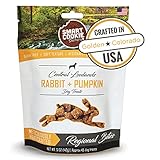
2. Smart Cookie All Natural Dog Treats – Rabbit & Pumpkin – Training Treats for Dogs & Puppies with Allergies, Sensitive Stomachs – Soft Dog Treats, Grain Free, Chewy, Human-Grade, Made in USA – 5oz Bag
Overview: Smart Cookie’s Rabbit & Pumpkin soft chews marry Midwest-raised rabbit with digestive-friendly pumpkin in a tender 5 oz pouch. The mid-tier price and chewy texture make them an everyday training staple for adolescent pups through seniors.
What Makes It Stand Out: Locally sourced rabbit and pumpkin from Kansas/Missouri farms shorten supply-chain miles, while the soft, breakable squares let owners calibrate reward size for both Chihuahuas and Great Danes without crumbs.
Value for Money: At roughly $38 per pound you get human-grade ingredients, grain-free formulation, and a resealable bag that actually seals—solid middle-ground between budget biscuits and boutique freeze-dried.
Strengths and Weaknesses:
Pros: Hypoallergenic protein plus soluble fiber soothes sensitive stomachs; stays pliable in cold weather; strong scent keeps distracted dogs engaged; made in small USA batches with clear lot codes.
Cons: Moisture can create mold if stored in hot cars; pumpkin hue may stain light-colored fabric; calorie count (kcal/treat) not printed on bag.
Bottom Line: A versatile, tummy-friendly chew that bridges the gap between affordability and quality. Keep the bag cool and you’ll have a reliable, high-value reward for classes, walks, or medication time.

3. CARU – Soft ‘n Tasty Baked Bites – Rabbit Bites Dog Treats – Flavorful Training Treats – 3.75 oz
Overview: CARU Soft ’n Tasty Baked Bites combine rabbit, blueberries, and cranberries into a cookie-like morsel baked at low temperatures to preserve nutrients. The 3.75 oz tub slips into cup-holders for on-the-go rewarding.
What Makes It Stand Out: Antioxidant-rich berries add a functional super-food twist rarely seen in single-protein treats, while the baked-soft texture appeals to dogs that turn up their noses at dry kibble-style bits.
Value for Money: Just under $43 per pound positions these as affordable luxury; you’re funding USA family-owned production and non-GMO produce without crossing the $50/lb threshold.
Strengths and Weaknesses:
Pros: Berries support urinary-tract and cognitive health; tub protects treats from backpack crushing; scent is fruity rather than “meaty,” ideal for handlers sensitive to strong odors.
Cons: Slightly higher sugar from fruit—watch calories for diabetic dogs; fewer pieces per ounce than denser freeze-dried options; resealable lid can crack if over-tightened.
Bottom Line: A flavorful, antioxidant-boosted option for pet parents who want functional nutrition in every reward. Best suited for moderate training sessions or as a meal enhancer rather than high-frequency sport work.

4. Pupford Freeze Dried Training Treats for Dogs & Puppies, 475+ Two Ingredient Bites (Rabbit, 4 oz)
Overview: Pupford’s Freeze-Dried Rabbit disks promise 475-plus treats from a 4 oz pouch using only rabbit and rabbit liver. The minimalist two-ingredient list keeps calories tiny and motivation high during repetitive obedience drills.
What Makes It Stand Out: The sheer count-per-bag and mess-free exterior make this the go-to for clicker trainers who reward 50+ times per session; uniform ¼-inch size prevents overfeeding while maintaining “jackpot” excitement.
Value for Money: Roughly $68 per pound looks steep, but when broken down to pennies per rep it undercuts many softer treats that must be halved. The resealable foil pouch also eliminates freezer space needed for raw.
Strengths and Weaknesses:
Pros: Zero grease means pocket-friendly convenience; liver inclusion amplifies scent for picky eaters; low 1.2 kcal per piece supports weight control; company offers satisfaction guarantee.
Cons: Disks can shatter into powder if compressed in tight bait bags; single protein plus organ may be too rich for dogs new to organ meats; lighter color shows dirt on floors.
Bottom Line: The efficiency king for high-rate training. One pouch lasts through an entire six-week class, making the upfront price a smart investment in consistent, clean reinforcement.

5. Smart Cookie Single Ingredient Rabbit Jerky Dog Treats – Training Treat Strips for Dogs and Puppies with Allergies, Sensitive Stomachs – Dehydrated, 100% Meat, Grain Free, Made in USA – 3oz, Pack of 1
Overview: Smart Cookie’s Single-Ingredient Rabbit Jerky Strips deliver 100 % dehydrated rabbit in rugged slabs that can be torn to desired size. The 3 oz package caters to allergy sufferers seeking a chew with literal nothing added.
What Makes It Stand Out: Jerky format doubles as both a quick training chip and a longer-lasting chew for teeth-cleaning friction; ethical, USA-farm rabbit and hand-trimmed dehydration give boutique appeal without obscure additives.
Value for Money: At about $80 per pound you’re buying pure muscle meat—no water weight, no grain fillers—so each strip rehydrates slightly in saliva, yielding a satisfying texture dogs work for.
Strengths and Weaknesses:
Pros: Hypoallergenic lifesaver for elimination diets; tough chew reduces boredom yet tears easily by hand; no staining oils or odors on furniture; cats will share, stretching multi-pet value.
Cons: Pricey for bulk training; dehydrated edges can sharpen and scratch mouths if not torn small; inconsistent thickness means some pieces over-dry into splinters.
Bottom Line: A minimalist, high-protein chew ideal for allergic or overweight dogs. Reserve for special rewards, dental enrichment, or travel emergencies where simplicity and purity trump volume.

6. Rabbitdog Rabbit Sausage Dog Treats – 8 Pack of 100% Natural Single Ingredient Chews, Grain Free, High Protein, Soft & Chewy Texture
Overview: Rabbitdog Rabbit Sausage Dog Treats deliver eight 6-inch links made from nothing but European rabbit meat, air-dried into a soft, flexible chew that even toy breeds can tackle without crumbling.
What Makes It Stand Out: The sausage shape is mess-free and easy to snap into smaller pieces for training; single-ingredient rabbit is one of the rarest novel proteins on the commercial treat aisle, making these links a godsend for elimination-diet dogs.
Value for Money: At $1.75 per stick you’re paying deli-level prices for human-grade rabbit, yet each link stretches across multiple training sessions, undercutting freeze-dried alternatives by almost half.
Strengths and Weaknesses: Zero grains, fur, or additives; gentle on IBD-prone bellies; texture cleans teeth without splintering. On the flip side, the fat content is slightly higher than ear or jerky cuts, so calorie counters need to ration; odor is noticeable the moment the bag opens.
Bottom Line: If your dog itches, scratches, or turns his nose up at every other protein, these rabbit sausages deserve freezer space—snap them into pea-sized pieces and watch even the pickiest patient drool.

7. Palz&Co Rabbitdog Rabbit Bites 6 oz – 100% Natural Single Ingredient Dog Treats, Grain-Free, High Protein, Soft & Chewy Texture
Overview: Palz&Co Rabbitdog Rabbit Bites cram six ounces of diced, soft rabbit jerky into a resealable pouch, delivering pea-sized cubes ideal for clicker training or food-puzzle stuffing.
What Makes It Stand Out: The uniform ¼-inch dice mean no knife work on your part; every morsel is the same low-fat, novel-protein reward, perfect for allergic dogs and precise calorie tracking.
Value for Money: $2.50 per ounce sits mid-pack for single-ingredient treats, but because the pieces are pre-cut you waste none—compare that to shredding larger sticks or freeze-dried bricks.
Strengths and Weaknesses: Ultra-soft for seniors with few teeth; resealable bag keeps moisture out; single protein keeps elimination diets clean. Conversely, the small size disappears fast during rapid-fire shaping, so heavy trainers will burn through the pouch in a week, and the earthy rabbit scent lingers on fingers.
Bottom Line: For obedience sessions, agility reps, or simply spoiling a sensitive stomach, these tidy rabbit cubes are the trainer’s secret weapon—just budget for a second bag before you run out.

8. RabbitDog Rabbit Ears for Dogs Without Fur – 15 Pack of 100% Natural Single Ingredient Chew Treats – Grain Free, High Protein, Chewy and Crunchy Texture
Overview: RabbitDog Rabbit Ears Without Fur offer fifteen clean, parchment-like ears that have been dried into a crunchy-chewy hybrid, sized perfectly for small to medium dogs looking for a longer-lasting snack.
What Makes It Stand Out: Ears are naturally rich in collagen and fiber, turning chew time into a joint-supporting, teeth-scraping session without the calorie load of pig ears; the “no fur” version keeps carpets hair-free.
Value for Money: At $1.07 each, they cost less than a cup of coffee while outlasting most soft treats by 5-10 minutes, stretching both entertainment and dental value.
Strengths and Weaknesses: Single ingredient, hypoallergenic, low odor compared with fur-on varieties; crunch satisfies scavenging instincts. However, power chewers (40 lb+) can swallow the last inch whole, so supervision is non-negotiable; ears vary in thickness, leading to inconsistent chew times.
Bottom Line: If you need an affordable, novel-protein chew that doubles as a tooth brush without stinking up the sofa, this 15-pack is a pantry staple—just save the final piece for hand-feeding to prevent gulping.

9. Dr. Harvey’s Rabbit Bites Freeze-Dried Raw Dog Treats, Single Ingredient, All-Natural Rabbit Meat Protein for Dogs, Allergen-Free, 7 Ounces (1 Pack)
Overview: Dr. Harvey’s Rabbit Bites elevate rabbit into a lightweight, freeze-dried raw nugget that rehydrates in seconds or crumbles over kibble as a high-value topper.
What Makes It Stand Out: Made in USA from humanely raised rabbits, the 37% protein density and minimal processing preserve amino acids and natural flavor that even fussy show dogs accept.
Value for Money: At $68.46/lb the sticker shock is real, but the 7 oz bag yields roughly 200 pea-sized rewards; used sparingly for jackpot moments, the per-treat cost aligns with boutique bakery cookies.
Strengths and Weaknesses: Zero preservatives, grains, or fillers; melts on the tongue for toothless seniors; superb for scent-work and agility motivation. On the downside, the airy nuggets powder easily during shipping, and the brand recommends using within 30 days of opening—plan to share or repackage.
Bottom Line: For competitors, allergic dogs, or raw feeders seeking a clean, high-impact reward, these rabbit bites are worth the splurge—store the opened bag in the freezer to extend shelf life and protect your investment.

10. etta says! Premium Crunchy 4.5″ Rabbit Dog Chews – Grain-Free Dog Treats, Good for Teeth, Easy to Digest – Made in The USA (36 Count Pack of 1)
Overview: etta says! Premium Crunchy 4.5″ Rabbit Chews marry rabbit protein with proprietary collagen-rich rawhide fibers, extruded into a digestible, toothbrush-shaped stick that disappears faster than traditional rawhide rolls.
What Makes It Stand Out: The blending process breaks hide into short collagen chains, reducing blockage risk while still providing the plaque-scraping action owners expect from a 4.5-inch chew.
Value for Money: Thirty-six sticks at $1.11 each undercuts single-ingredient ears or jerky, making daily dental care affordable for multi-dog homes.
Strengths and Weaknesses: Sticks are uniform, low odor, and chewable for dogs 15-60 lb; grain-free recipe omits artificial dyes. Yet purists will note the second ingredient is still rawhide, a deal-breaker for allergy or raw feeders; aggressive chewers polish one off in under two minutes.
Bottom Line: If your goal is cleaner teeth on a budget without the gastrointestinal gamble of old-school rawhide, etta says! delivers—just match the chew to moderate chewers and skip it for strict single-protein diets.
Why Rabbit Is the Ultimate Novel Protein for Allergic Dogs
Rabbit remains largely absent from mass-market kibbles, which means most dogs have minimal antibody exposure—translating to a lower likelihood of adverse reactions. Its amino-acid profile mirrors that of wild prey, making it highly digestible for carnivores, while its natural leanness keeps pancreatic stress low. For vets, rabbit is often the first recommendation when chicken, beef, or lamb are off the table.
Allergy Basics: When Treats Become Triggers
Treats account for up to 30 % of a dog’s daily calories yet are frequently overlooked during elimination trials. Even a single daily biscuit containing chicken fat can reignite itching, hot spots, or GI upset. Understanding cross-contamination, hidden flavorings, and “split ingredient” tricks is essential before you ever tear open a bag.
Rabbit Nutrition 101: Macros, Micros, and Bioavailability
Rabbit meat averages 21 % protein and only 4 % fat—numbers that rival skinless turkey breast. It’s naturally rich in B-vitamins (especially B12 and niacin), phosphorus, selenium, and heart-healthy taurine. Because the muscle fiber is short, enzymatic breakdown happens faster, yielding higher bioavailability scores in in-vivo digestibility studies.
Freeze-Dried vs. Dehydrated vs. Air-Dried: Processing Decoded
Water activity (aw) is the unsung hero of shelf stability. Freeze-drying removes 98 % of moisture without cooking, preserving heat-sensitive vitamins and creating a light, crisp texture that doubles as a high-value training tidbit. Dehydration uses gentle heat; air-drying walks the line between jerky and kibble. Each method impacts aroma intensity, nutrient retention, and breakability—key factors for picky or toy-breed dogs.
Reading the Label: Hidden Names for Chicken, Beef, and Grain
“Natural flavor,” “liver meal,” or “poultry digest” can legally contain chicken-by-product hydrolysate—enough to torch your elimination diet. Scan for generic terms like “meat broth” or “animal fat,” and cross-check the manufacturer’s allergen-control protocol. Ideally, the package states “single-species, single-ingredient” and is certified in an allergen-segregated facility.
Sourcing Ethics: Pasture-Raised, Wild-Caught, or Lab-Grown?
European Union pasture-raised standards require 0.3 m² per kilogram of live weight and access to natural forage, yielding higher omega-3 content. In the U.S., look for “Certified Humane Raised & Handled” or “Global Animal Partnership Step 4+.” Wild-caught Australian rabbit is hormone-free but carries a heavier carbon pawprint. Lab-grown rabbit protein is emerging in 2025; while hypoallergenic, its long-term palatability data is still sparse.
Organic, Grass-Fed, and GMO-Free: Are Certifications Worth It?
Organic rabbit feed must be 100 % plant-based and herbicide-free for 36 months prior to certification, translating to lower pesticide residues in muscle tissue. Grass-fed labeling is tricky—rabbits are natural foragers, so “grass-fed” often means “access to pasture,” not a 100 % grass diet. If your dog reacts to glyphosate rather than the protein itself, organic certification becomes more than marketing fluff.
Calorie Density & Portion Control: Keeping Training Sessions Slim
Freeze-dried rabbit averages 4–5 kcal per 2 g cube—deceptively light, but calories accumulate fast during a 50-rep “sit-stay” drill. Use a gram scale, not “handful” math. Allocate ≤10 % of daily calories to treats; subtract that from mealtime kibble to avoid weight creep, especially in low-energy or senior dogs.
Texture Matters: Crunchy, Soft, or Powdered?
Dental disease affects 80 % of dogs by age three. Crunchy cubes provide mechanical abrasion, while soft strips are ideal for puppies, seniors, or dogs with compromised dentition. Powdered rabbit can be rehydrated into a gut-friendly gravy for picky eaters or camouflaged into enrichment toys for mental stimulation.
Novel vs. Limited Ingredient: Clearing Up the Confusion
“Novel” refers to the protein’s novelty to your individual dog’s immune history. “Limited ingredient” simply means the recipe contains fewer components—sometimes as few as two—but those two could still be chicken and rice. Always confirm that “limited” aligns with your chosen novel protein.
Cross-Contamination Risks in Multi-Protein Facilities
Shared extrusion lines, conveyor belts, and even employee gloves can transfer microscopic chicken dust. Ask brands for a “negative ELISA batch test” for common allergens or look for third-party seals such as Safe Quality Food (SQF) Level 3. Some manufacturers now dedicate entire rooms to rabbit-only production—worth the premium if your dog’s ears flare at 0.1 ppm of chicken residue.
Price Per Kilo: Budgeting for a Novel Protein Lifestyle
Rabbit can cost 3–4× more than conventional proteins. Buying in bulk (1 kg vacuum bricks) and resealing weekly portions with an at-home chamber sealer drops the per-gram price by up to 28 %. Alternatively, partner with local hunting co-ops; wild rabbit harvested under USDA inspection can be legally freeze-dried into treats, slashing costs while ensuring traceability.
Transitioning Safely: Introducing Rabbit Without Tummy Turmoil
Start with ¼ of the recommended serving for your dog’s weight on day one, mixed into the usual meal. Increase by ¼ every 48 hours if stools remain < 2 on the Purina fecal chart. Concurrently, remove all other chews, dental sticks, and flavored meds for six weeks to establish a clean baseline.
DIY Rabbit Treats: Kitchen Safety, Bone-to-Meat Ratios, and Storage
If you opt for homemade jerky, use only USDA-inspected rabbit loin or thigh; grind raw bones separately if you want a calcium boost—never feed cooked bones. Dehydrate at 70 °C (160 °F) for 6–8 hours to achieve a ≤0.85 aw, then condition the strips in a glass jar for 48 hours to equalize residual moisture. Freeze final portions for up to 12 months.
Vet-Approved Elimination Diet Protocol: Treats Included
A proper elimination trial lasts 6–8 weeks and includes everything that crosses the dog’s lips—heartworm chews, toothpaste, even peanut-butter-flavored nail-trim bribes. Use a symptom diary (itch score, stool quality, ear odor) and re-challenge with old proteins one at a time. Rabbit treats must be batch-coded and consistent throughout the trial; swapping brands midstream invalidates results.
Red Flags: Marketing Buzzwords That Mean Nothing
“Vet recommended” without a named DVM, “premium,” “holistic,” or “ancestral” are unregulated. Likewise, pictures of rustic barns and cartoon bunnies tell you zero about sourcing. Demand transparency: full nutrient panel, contact info for a board-certified veterinary nutritionist, and published digestibility studies.
Sustainability Scorecard: Rabbit vs. Traditional Livestock
Rabbits convert feed to protein at a 3:1 ratio compared with 7:1 for beef and emit 60 % less methane per kilogram of edible product. Their manure is a cold-fertilizer, meaning it can be applied directly to crops without composting. If your sustainability ethos rivals your dog’s allergy needs, rabbit checks both boxes.
Traveling With Rabbit Treats: TSA, Customs, and Storage Hacks
Freeze-dried rabbit is TSA-compliant for domestic flights but declare it when crossing EU or UK borders—rabbit is considered a “products of animal origin.” Pack in vacuum-sealed 50 g flat packs with silica desiccant; slip a batch certificate inside the pouch to expedite inspections. Once at your destination, reseal with a portable hand pump to prevent humidity bloom.
Future Trends: Cultured Rabbit and Personalized Allergy Panels
By late 2025, expect CRISPR-based saliva kits that screen for novel-protein reactivity before you ever buy a bag. Cultured rabbit protein—grown in bioreactors from a single stem-cell line—will hit limited markets, boasting zero antibiotics and 99.9 % allergen purity. Early palatability trials show 92 % acceptance, but cost remains prohibitive at $180 per kilogram.
Frequently Asked Questions
Can my dog be allergic to rabbit even if it’s a novel protein?
Yes, though uncommon. Any protein can become an allergen after repeated exposure. Always conduct a proper elimination trial and monitor for symptoms.
How long does an opened bag of freeze-dried rabbit stay fresh?
When resealed and stored below 20 °C (68 °F) with <60 % humidity, use within 30 days for peak palatability; up to 60 days if vacuum-resealed after each use.
Are rabbit treats safe for puppies?
Absolutely. Choose soft textures for deciduous teeth and adjust portion sizes to stay within the puppy’s daily caloric allowance.
Can I feed rabbit treats to a cat?
Nutritionally safe, but cats require more taurine per kilogram of body weight. Check that the treat’s taurine level meets feline minimums if you share bags in a multi-pet household.
Do I need to rehydrate freeze-dried rabbit?
Not for healthy dogs. Rehydration is optional for pets with dental pain or those prone to gulping; warm water for 2–3 minutes restores aroma.
What’s the difference between rabbit meal and rabbit meat?
Meal is rendered and dried, concentrating protein but reducing moisture-soluble B-vitamins. Whole rabbit meat retains more natural micronutrients.
Can rabbit treats replace a meal?
No. They lack the complete vitamin-mineral premix found in balanced diets. Use as ≤10 % of daily calories unless formulated as a complete food per AAFCO.
How do I know if the rabbit is truly hormone-free?
Request a producer affidavit or USDA inspection code. Hormone use in rabbits is illegal in the U.S. and EU, but verification documents add transparency.
Will rabbit treats help with skin allergies overnight?
Expect 4–6 weeks to see visible improvement as skin turnover cycles renew. Consistency and strict avoidance of other proteins are critical.
Are there any breed-specific concerns with rabbit protein?
No known breed contraindications exist. However, giant breeds may require larger portion adjustments, and brachycephalic dogs benefit from bite-sized pieces to reduce choking risk.
The short version
Still deciding? Start with our #1 pick.
Vital Essentials Rabbit Bites Dog Treats, 2 oz | Freeze-Dried Raw | Single Protein | Premium Quality High Protein Training Treats | Grain Free, Gluten Free, Filler Free
Ranked first out of 10 picks in this guide.

Keep reading
More in Dog Treats
Training Treats: How Many Is Too Many for a Dog? (2026)
Treats should be about 10% of your dog's daily calories. Here is how to size them,…
Freeze-Dried vs. Jerky Dog Treats: What to Look For (2026)
Freeze-dried and jerky treats are made very differently. Here is how each is produced, how they…
![Top 10 Trixie Dog Treats Your Pup Will Go Crazy For [2026 Review]](https://m.media-amazon.com/images/I/41mCSdSOW6L._SL400_.jpg)
Top 10 Trixie Dog Treats Your Pup Will Go Crazy For [2026 Review]
If your dog lights up at the crinkle of a treat pouch, you already know the…