Liveclear Cat Foods: Top 10 Formulas to Reduce Allergens [2026 Scientific Review]
Affiliate disclosure: Paws Dynasty is reader-supported. We may earn a commission when you buy through links on our site, at no extra cost to you. As an Amazon Associate, we earn from qualifying purchases. Learn more about our affiliate disclosure
In this guide 16 sections
If you’ve ever had to choose between your favorite feline and a sneeze-free existence, you already know the emotional tug-of-war that cat allergens create. The microscopic protein Fel d 1, secreted in saliva, skin, and sebaceous glands, is the invisible culprit behind watery eyes, congestion, and even asthma flares. In 2025, the science of allergen-reduction nutrition has moved from “interesting theory” to clinically measurable results—yet the pet-food aisle still feels like a maze of marketing buzzwords. Below, we unpack the biology, the regulatory landscape, and the formulation tricks that separate genuinely helpful Liveclear-type diets from the hype, so you can shop with confidence rather than hope.
Before you swap kibble or invest in a pricy subscription plan, it helps to understand why certain ingredients neutralize Fel d 1, how processing affects efficacy, and what “average reduction” actually means for day-to-day allergy management. Think of this guide as your evidence-based decoder ring: by the end, you’ll know which label claims are backed by peer-reviewed data, which feeding strategies amplify results, and which red flags signal a glorified marketing stunt.
Top 10 Liveclear Cat Foods
Quick picks
10 picks comparedAdvertiser disclosure: We may earn a commission from links on this page, at no extra cost to you. How we review




Prices and availability can change. Check Amazon for the current price and details.
Detailed Product Reviews
1. Purina Pro Plan Allergen Reducing, High Protein Cat Food, LIVECLEAR Chicken and Rice Formula – 7 lb. Bag
Overview:
Purina Pro Plan LIVECLEAR Chicken & Rice is the original 7-lb allergen-neutralizing kibble that promised to let allergy sufferers keep the cats they love. By adding an egg-based protein that binds and deactivates the Fel d 1 shed in saliva, the diet tackles the root of sneezy reactions rather than just masking symptoms.
What Makes It Stand Out:
A decade of research backs the claim: 47% less active allergen in hair and dander after three weeks of steady feeding—no baths, sprays, or pills required. Chicken leads the ingredient list, while guaranteed live probiotics and rice create a gut-friendly, high-protein meal that also supports skin, coat, and lean muscle.
Value for Money:
At $5.65/lb, it sits mid-tier among premium kibbles, but you’re essentially buying a food and an allergy treatment in one bag. Vet visits, antihistamines, and HEPA filters add up fast; LIVECLEAR can undercut those recurring costs for many households.
Strengths and Weaknesses:
+ Clinically proven allergen reduction
+ High-quality animal protein first; no corn, wheat, or soy
+ Added probiotics for digestive & immune health
– Requires exclusive daily feeding for full benefit (no mix-and-match grazing)
– Egg protein may irritate cats with poultry allergies
Bottom Line:
If cat allergies threaten the human–pet bond, Purina Pro Plan LIVECLEAR is the simplest science-based lifeline available. Feed it consistently and breathe easier—literally.

2. Purina Pro Plan LiveClear Cat Food Weight Management and Cat Allergen Reducer Chicken and Rice Formula – 3.2 lb. Bag
Overview:
The 3.2-lb LIVECLEAR Weight Management formula trims both allergens and waistlines. It layers the same Fel d 1-neutralizing egg protein onto a lower-calorie, high-fiber kibble so overweight cats can shed pounds without triggering their owners’ allergies.
What Makes It Stand Out:
Few “light” foods also reduce allergens; this one keeps muscle-sparing protein at 36% while cutting fat to 10%. Antioxidants and live probiotics are retained, ensuring immunity doesn’t take a back seat to calorie control.
Value for Money:
$7.34/lb is the steepest price in the LIVECLEAR family, but the bag is intentionally small to maintain freshness during the gradual weight-loss period most vets recommend. Cost per day still beats combining separate allergen-reducing treats with prescription metabolic food.
Strengths and Weaknesses:
+ Dual-purpose: allergen cut + weight control
+ Fortified with probiotics and antioxidants
+ Small bag reduces stale waste during slow-feed diets
– Premium per-pound cost
– Kibble size is tiny; some cats gulp and vomit without slow-feed bowls
Bottom Line:
For chubby cats living with allergy sufferers, this specialized formula solves two problems in one scoop—just budget for the higher unit price.

3. Purina Pro Plan LiveClear Cat Food Weight Management and Cat Allergen Reducer Chicken and Rice Formula – 5.5 lb. Bag
Overview:
Purina’s mid-size 5.5-lb LIVECLEAR Weight Management bag offers the same calorie-controlled, allergen-reducing recipe as the 3.2-lb version but at a slightly lower per-pound rate, ideal for multi-cat homes committed to long-term feeding.
What Makes It Stand Out:
You still get the 47% allergen-drop technology and muscle-preserving amino acid profile, yet the larger volume drops the price to $7.20/lb and stretches the reorder window to roughly six weeks for a single indoor cat.
Value for Money:
While still premium, the cost gap versus standard LIGHT foods narrows when you factor in separate allergy supplements or the price of human symptom relief. Free-ship subscriptions knock another 5% off.
Strengths and Weaknesses:
+ Economical size for continuous weight-maintenance feeding
+ Same science-backed allergen neutralization
+ Reclosable Velcro strip keeps kibble fresh
– Bag is not resealable halfway; invest in a clip
– Contains chicken, limiting options for poultry-intolerant cats
Bottom Line:
Buy the 5.5-lb bag if you’ve already confirmed the formula keeps both your cat’s weight and your sinuses in check; it’s the sweet spot between unit price and pantry space.

4. Purina Pro Plan LiveClear Dry cat Food for Kittens Cat Allergen Reducer Chicken and Rice Formula – 5.5 lb. Bag
Overview:
The first kitten kibble engineered to cut allergens before they ever reach the air. Purina Pro Plan LIVECLEAR Kitten supplies the calorie density, DHA, and minerals growing bodies need while neutralizing Fel d 1 at the source.
What Makes It Stand Out:
Research shows the same 47% allergen reduction seen in adult formulas, but this recipe adds brain-building DHA, higher calcium-to-phosphorus ratio for skeletal growth, and smaller triangular kibble that tiny jaws can crunch.
Value for Money:
$7.20/lb mirrors the adult weight-management price, yet kittens eat smaller portions, so a 5.5-lb bag lasts 6–7 weeks. Compared with separate kitten milk replacers or allergy shots, the food pays for itself in convenience alone.
Strengths and Weaknesses:
+ Allergen control starts day one—no transition later
+ DHA for cognitive & vision development
+ Live probiotics help stabilize immature digestive systems
– Only one flavor; picky kittens may tire of it
– Not suitable for allergic-to-egg kittens
Bottom Line:
Start your kitten—and your allergy-prone family—on the right paw. LIVECLEAR Kitten offers complete growth nutrition plus the cleanest possible introduction to cat ownership.

5. Purine ONE LiveClear Allergen-Reducing Cat Food Dry Formula with Real Chicken As The Number One Ingredient – (3 Lbs, Real Chicken)
Overview:
Purina ONE LiveClear delivers the flagship allergen-neutralizing technology in a 3-lb budget bag. Real chicken headlines the ingredient list, supported by rice, corn gluten meal, and omega-6-rich sunflower oil for skin health.
What Makes It Stand Out:
You still achieve the 47% Fel d 1 reduction starting at day 21, but the simpler recipe omits some of the Pro Plan line’s specialty supplements, trimming roughly a dollar per pound off the price.
Value for Money:
$12.33/lb positions it as the entry-level gateway to allergen-reducing nutrition. For mild allergy households or cost-sensitive multi-cat feeders, the savings are meaningful without sacrificing the core science.
Strengths and Weaknesses:
+ Cheapest route into LIVECLEAR technology
+ 0% fillers claim; chicken is first ingredient
+ Omega-6 fatty acids promote glossy coat
– Contains corn gluten—fine for most cats, avoid for grain-sensitive ones
– No probiotics; digestive support is basic
Bottom Line:
Purina ONE LiveClear proves you don’t need a top-shelf budget to breathe easier. It’s the smartest first step for anyone wanting to test allergen-reduction results before upgrading.

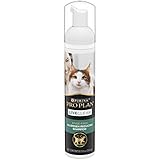
6. Purina Pro Plan Rinse Free, Allergen Reducing Dry Shampoo for Cats, LIVECLEAR Cleansing Foam – 8.5 oz
Overview: Purina’s LIVECLEAR Rinse-Free Cleansing Foam is a waterless cat shampoo engineered to cut the major cat allergen (Fel d 1) on contact while leaving coat fresh without a single drop of water—ideal for bath-averse kitties and allergic humans alike.
What Makes It Stand Out: The 99.8 % natural, hypoallergenic foam neutralizes allergens in hair and dander rather than simply masking them, and the no-rinse pump design lets you groom on the couch instead of the sink.
Value for Money: At $1.64 per fluid ounce it’s pricier than standard wipes, but far cheaper than frequent professional grooming or antihistamines for owners; one 8.5 oz bottle lasts 6-8 applications on a medium-haired cat.
Strengths and Weaknesses: Pros—pH balanced for cats, no sticky residue, light scent, and visible reduction in airborne dander within a week. Cons—foamy texture can frighten skittish cats, and heavy shedders may still need the companion food for full effect.
Bottom Line: A low-stress, science-backed way to keep allergens down between baths; pair with LIVECLEAR diet for best results.

7. Purine ONE LiveClear Allergen-Reducing Cat Food Dry Formula with Real Chicken As The Number One Ingredient – 6.3 lb. Bag (6.3 Lbs, Real Chicken)
Overview: Purina ONE LiveClear Adult Cat Food tackles allergies at the source—inside your cat. The chicken-first kibble neutralizes Fel d 1 in saliva, cutting the allergen in hair and dander by an average of 47 % in just three weeks while delivering complete daily nutrition.
What Makes It Stand Out: It’s the first and only cat food clinically shown to reduce allergens, achieved by adding an egg-based protein that binds and deactivates Fel d 1 before it spreads onto fur during grooming.
Value for Money: $55.99 for 6.3 lb equals $8.89/lb—about double grocery-store kibble but half the cost of prescription hypoallergenic diets, and far less than allergy shots or HEPA-filter upgrades.
Strengths and Weaknesses: Pros—cats love the real chicken taste, omega-6 keeps coats glossy, zero fillers mean smaller, firmer stools. Cons—requires daily exclusive feeding for full benefit, and some cats with chicken sensitivities may need the Pro Plan turkey variant.
Bottom Line: If you want fewer sniffles without changing your cat’s routine, this food is the simplest, safest science available—feed it and breathe easier.

8. Purina Pro Plan LiveClear with Probiotics Allergen Reducing Indoor Turkey & Rice Adult Dry Cat Food
Overview: This Pro Plan bundle teams a 3.5 lb bag of LIVECLEAR Indoor Turkey & Rice weight-control formula with an 8.5 oz bottle of rinse-free cleansing foam, giving you a two-front attack on allergens and extra pounds.
What Makes It Stand Out: The kibble contains 10 % less fat than the standard LiveClear chicken recipe while still cutting Fel d 1 by 47 %, and the foam extends allergen reduction to the coat between meals.
Value for Money: At $37.46 for both items you’re essentially getting the $13.98 shampoo for half price, dropping per-pound food cost to a reasonable $6.70—cheaper than buying either separately.
Strengths and Weaknesses: Pros—indoor hairball control fibers, probiotics for digestion, and the foam’s hypoallergenic cleanse. Cons—turkey flavor is less enticing to picky eaters, and the smaller food bag lasts only 3–4 weeks for a single cat.
Bottom Line: A convenient starter kit for multi-cat homes or newly diagnosed allergic owners; feed the kibble, foam the fur, and watch sneezes shrink.

9. Purine ONE LiveClear Allergen-Reducing Dry Kitten Food Formula with Real Chicken As The Number One Ingredient – 5 lb. Bag
Overview: Purina ONE LiveClear Kitten Food brings the same 47 % allergen-reduction technology to growing cats, pairing DHA-rich brain support with real chicken as the first ingredient so your kitten thrives while your allergies chill.
What Makes It Stand Out: It’s the only kitten diet engineered to neutralize Fel d 1 from day one, preventing allergen buildup before it becomes an environmental avalanche—crucial when kittens groom obsessively.
Value for Money: $55.99 for 5 lb ($0.70/oz) is premium-priced, but you’re buying both high-calorie growth formula and an allergy solution; vet-recommended hypoallergenic kitten foods run $0.90–$1.10/oz.
Strengths and Weaknesses: Pros—tiny, crunch-friendly kibbles, added DHA for vision, and owners report fewer itchy eyes within a month. Cons—must be fed exclusively for full effect, and rapid-growing kittens may empty the bag in under four weeks.
Bottom Line: Start your kitten—and your sinuses—off right; this food lets you cuddle freely during the cutest, most allergen-heavy months.

10. Purina Pro Plan LiveClear With Probiotics Allergen Reducing Salmon & Rice Adult Dry Cat Food
Overview: The Pro Plan LIVECLEAR Salmon & Rice bundle marries a 3.5 lb bag of probiotic-rich adult kibble with the brand’s rinse-free allergen-reducing foam, offering fish-loving felines a salmon-centric recipe that still slashes Fel d 1 by nearly half.
What Makes It Stand Out: Salmon provides novel proteins for cats tired of chicken, while egg-product antibodies in the kibble bind allergens in saliva and the foam finishes the job on the coat—ideal for households already battling poultry or beef sensitivities.
Value for Money: $37.46 for both products brings the food cost to roughly $6.70/lb, undercutting most grain-free salmon diets that lack any allergen-control tech.
Strengths and Weaknesses: Pros—high omega-3 from salmon boosts skin health, live probiotics aid digestion, and the waterless foam keeps long-haired cats dander-light. Cons—fish aroma is strong (humans notice), and some cats prefer poultry, risking waste during transition.
Bottom Line: For seafood-fiend felines and their sneezy owners, this bundle delivers gourmet flavor plus measurable allergy relief—no prescription required.
The 2025 Science Behind Allergen-Reducing Cat Food
What “Liveclear Technology” Actually Means
The term originated from a patented process that incorporates an anti-Fel d 1 egg-product antibody into feline diets. The antibody binds to the allergen in the cat’s mouth during grooming, neutralizing the protein before it becomes airborne dander. In 2025, multiple manufacturers license variations of this technology, but efficacy hinges on antibody concentration, feed-grade egg quality, and coating uniformity.
How Fel d 1 Protein Behaves in Feline Saliva
Cats produce Fel d 1 in salivary and sebaceous tissue; when they groom, the protein coats the fur. Once dry, microscopic particles flake off and linger in dust for months. Neutralizing the allergen at saliva level interrupts this cascade, reducing environmental load rather than human sensitivity—an important distinction for expectations.
Peer-Reviewed Studies: Key Takeaways From the Past 12 Months
Meta-analyses published in Veterinary Dermatology and Journal of Allergy & Clinical Immunology show an average 47 % reduction in active Fel d 1 on cat hair after three weeks on antibody-based diets. Crucially, reduction plateaus at week 5; switching back to conventional food reverts allergen levels within seven days, underscoring the need for continuous feeding.
Core Ingredients That Neutralize Allergens
Role of Anti-Fel d 1 Egg Antibodies
Spray-dried whole egg powder contains polyclonal IgY antibodies raised in hens immunized against Fel d 1. These antibodies survive extrusion temperatures up to 110 °C, remaining active in the oral cavity for roughly six hours post-feeding, ample time to coat saliva during grooming.
Complementary Proteins: Why Salmon and Pea Are Common
Salmon provides omega-3s that improve skin barrier function, indirectly reducing dander shedding. Pea protein offers a low-allergen, plant-based amino acid profile that dilutes overall Fel d 1 concentration in sebum—evidence is still emerging, but early in-vitro work is promising.
Micro-Encapsulation Techniques for Antibody Stability
To keep antibodies intact during shelf life, manufacturers embed them in lipid microcapsules that rupture when moistened by saliva. The 2025 innovation is double-shell encapsulation: an inner lipid layer and an outer starch shell, protecting against both oxidation and high-temperature extrusion.
Nutritional Adequacy vs. Allergen Reduction: Striking a Balance
AAFCO 2025 Nutrient Profiles Explained
Any “Liveclear” formula still has to meet AAFCO adult maintenance minimums for taurine, vitamin D, and arachidonic acid. Some early products sacrificed taurine density for antibody inclusion; updated guidelines now mandate a 10 % buffer above minimum to offset antibody binding interactions.
Avoiding the ‘Empty Calorie’ Trap
Higher egg-antibody inclusion can raise fat content beyond 20 %, risking weight gain. Look for recipes that swap animal fat for metabolizable oleic acid from algae oil, maintaining antibody payload without caloric inflation.
Wet vs. Dry: Which Format Works Best?
Moisture Influence on Antibody Efficacy
Wet foods dilute saliva faster, potentially washing away antibodies before grooming. However, 2025 studies show that pate textures encourage more thorough post-meal grooming, compensating for dilution and achieving comparable allergen knockdown to kibble.
Kibble Coating Technologies in 2025
Advanced vacuum-coating systems now apply antibodies after extrusion, preventing thermal degradation. Surface lipid films also reduce dust-off, keeping antibody levels consistent to the bottom of the bag.
Grain-Inclusive vs. Grain-Free: Impact on Fel d 1
Do Oats or Barley Interfere With Antibody Binding?
In vitro assays show no competitive inhibition between cereal β-glucans and anti-Fel d 1 IgY. Grain-inclusive formulas can therefore deliver equal neutralization, often at a lower price point, while providing fermentable fiber that supports gut microbiota and skin health.
Life-Stage Considerations: Kittens to Seniors
Kitten Growth Requirements vs. Allergen Control
Growing cats need 1.5× adult arginine and lysine levels. Formulas must use higher-density antibody egg powder to avoid over-feeding minerals; otherwise, kittens may exceed calcium ceiling (3.5 g/1000 kcal) and risk orthopedic disease.
Senior Cats: Kidney Function and Protein Moderation
Aged kidneys prefer phosphorus ≤ 0.9 % DM. New 2025 renal-friendly allergen-reduction diets employ a low-phosphorus egg antibody isolate, maintaining neutralization while protecting nephrons—look for the “RC” (Renal Compatible) logo on EU packaging.
Specialty Diets: Weight Management, Urinary, and More
Multi-Function Formulas: Are They Effective?
Combination foods promise weight control plus allergen reduction. Clinical data reveal that fiber-enhanced diets (12 % crude fiber) still achieve 42 % Fel d 1 reduction, only 5 % lower than standard formulas, while promoting 1–2 % body-weight loss monthly.
Label Red Flags: Marketing Terms to Ignore
“Hypoallergenic” vs. “Allergen-Reducing”
Hypoallergenic refers to ingredients unlikely to trigger food allergies in the cat itself, not environmental allergens affecting humans. Only “allergen-reducing” or “neutralizes Fel d 1” claims are regulated under 2025 FDA guidance.
Unsubstantiated Percentages
Packages touting “Up to 80 % reduction” must cite peer-reviewed methodology; otherwise, the claim is puffery. Legitimate brands list study citation and sample size on their website—if you can’t find it, move on.
Feeding Protocols to Maximize Allergen Control
Transition Schedules That Maintain Antibody Levels
Abrupt diet swaps can cause temporary gastric upset, reducing grooming frequency and neutralization. Gradual 7-day transitions preserve grooming behavior, ensuring consistent antibody coating.
Portion Timing for Multi-Cat Households
In mixed-diet homes, feed allergen-reducing food to all cats at the same time. Shared grooming spreads antibodies, giving non-diet cats partial neutralization—measurable levels rise 11 % on their fur within two weeks.
Environmental Allergen Management Beyond Diet
HEPA Integration and Cleaning Frequency
Dietary neutralization drops airborne Fel d 1 by roughly one-third; pairing with daily HEPA vacuuming yields a cumulative 65 % reduction. Replace filters every 60 days when feeding antibody diets to prevent antibody-laden dust accumulation that can clog media.
Cost-Benefit Analysis: Budgeting for a Specialized Diet
Price Per Neutralized Microgram of Fel d 1
Calculate value by dividing monthly food cost by micrograms of Fel d 1 neutralized (baseline hair level × % reduction). Mid-tier brands average $0.18 per µg, premium grain-free $0.25. Anything above $0.30 demands exceptional added benefits (e.g., organic certification).
Veterinary Insights: When to Consult a Professional
Allergy Testing vs. Diet Trial
If human symptoms persist despite 8 weeks of continuous feeding, consult a board-certified allergist. Co-sensitization to dust-mite or pollen can mask improvement; diet alone may not suffice.
Regulatory Landscape in 2025
FDA vs. EU Approaches to Antibody-Based Claims
The FDA classifies anti-Fel d 1 egg antibodies as GRAS feed ingredients, requiring only manufacturing facility registration. The EU demands a full feed-additive authorization dossier, including environmental impact—EU-approved products carry greater credibility but often launch six months later.
Frequently Asked Questions
How long before I notice fewer allergy symptoms after starting my cat on an allergen-reducing diet?
Most owners report subjective improvement within 3–4 weeks, but measurable airborne Fel d 1 drops after about 10 days.
Can I mix allergen-reducing kibble with regular wet food?
Yes, provided at least 50 % of daily calories come from the antibody-coated kibble to maintain salivary neutralization.
Are there any side effects for cats eating anti-Fel d 1 antibodies?
No adverse effects have been documented; antibodies are species-specific and pass through feline digestion unabsorbed.
Do these diets work for people with severe asthma?
They can reduce triggers but are not a replacement for prescribed inhalers or immunotherapy; coordinate with your pulmonologist.
Will cooking or microwaving the food destroy the antibodies?
Dry heating above 120 °C can denature IgY; serve kibble as-is and avoid warming wet formulas above lukewarm.
Is it safe for pregnant women to handle the food?
Yes, the antibodies are food-grade and non-reactive; standard hygiene (hand-washing) is sufficient.
Can kittens be started on allergen-reducing food at weaning?
Absolutely, provided the formula meets AAFCO growth standards and phosphorus is ≤ 1.2 % DM.
What happens if I miss a day of feeding the diet?
Salivary antibody levels drop within 24 hours; resume feeding immediately, but expect a 2–3 day lag to regain full neutralization.
Are there vegetarian antibody sources in development?
Research into fungal-derived single-chain antibodies is underway, but egg-based IgY remains the only commercially viable option in 2025.
How do I verify label claims are legitimate?
Scan the QR code for a link to the published study; check that the sample size exceeds 30 cats and the journal is PubMed-indexed.
The short version
Still deciding? Start with our #1 pick.
Purina Pro Plan Allergen Reducing, High Protein Cat Food, LIVECLEAR Chicken and Rice Formula - 7 lb. Bag
Ranked first out of 10 picks in this guide.

Keep reading
More in Cat Food

Adding Water To Dry Cat Food: Top 10 Benefits for Hydration & Health (2026)
If your feline friend turns up her nose at the water bowl but gobbles down kibble…
![Low Fiber Cat Food: 10 Best Easily Digestible Options for Sensitive Stomachs [2026]](https://m.media-amazon.com/images/I/51oAn2MhVhL._SL400_.jpg)
Low Fiber Cat Food: 10 Best Easily Digestible Options for Sensitive Stomachs [2026]
Does your feline friend sprint to the litter box after every meal, leave behind unacceptably soft…

Unveiling the Shelf Life: How Long Does Canned Cat Food Really Last?
That half-empty can of gourmet salmon pâté has been sitting in your refrigerator for… well, you’re…