K/d Dog Food: Top 10 Benefits of Hill’s Kidney Care Diet [Vet Guide 2026]
Affiliate disclosure: Paws Dynasty is reader-supported. We may earn a commission when you buy through links on our site, at no extra cost to you. As an Amazon Associate, we earn from qualifying purchases. Learn more about our affiliate disclosure
In this guide 19 sections
If your dog has recently been diagnosed with chronic kidney disease (CKD), you already know how overwhelming the next steps can feel. Between blood-work numbers, sub-q fluids, and a sudden alphabet soup of “K/D,” “renal,” and “phosphorus,” the learning curve is steep. The good news? Nutrition is the single most powerful lever you have to slow disease progression, and Hill’s Kidney Care diets have more peer-reviewed evidence behind them than any other therapeutic food on the market.
Below, you’ll find a vet-written roadmap that cuts through the jargon and walks you through exactly why kidney-specific diets matter, how Hill’s achieves its results, and what to watch for as you transition your dog onto the food. Think of this as your 2025 master-class in canine renal nutrition—no white coat required.
Top 10 K/d Dog Food
Quick picks
10 picks comparedAdvertiser disclosure: We may earn a commission from links on this page, at no extra cost to you. How we review






Prices and availability can change. Check Amazon for the current price and details.
Detailed Product Reviews
1. Hill’s Prescription Diet k/d Kidney Care with Chicken Dry Dog Food, Veterinary Diet, 8.5 lb. Bag
Overview: Hill’s Prescription Diet k/d Kidney Care with Chicken Dry Dog Food is an 8.5-lb veterinary-exclusive diet engineered to slow the progression of chronic kidney disease (CKD) while keeping dogs interested in their bowl.
What Makes It Stand Out: ActivBiome+ Kidney Defense prebiotic blend is the star—clinically shown to nourish gut bacteria that in turn reduce circulating renal toxins. Enhanced Appetite Trigger (E.A.T.) technology uses specific aroma peptides to coax anorexic kidney patients to finish meals, a game-changer for CKD dogs notorious for “walking away.”
Value for Money: At $6.47/lb it’s twice the price of premium OTC kibble, yet the peer-reviewed data demonstrating extended survival time and preserved lean muscle mass equates to fewer vet visits and delayed disease staging—ROI that justifies the sticker shock.
Strengths and Weaknesses:
+ Clinically proven to extend quality-of-life metrics
+ High essential-amino-acid profile protects muscle mass
+ E.A.T. drives food intake in nauseous patients
− Requires veterinary authorization (inconvenient)
− Chicken-fat odor can be polarizing for picky noses
− Kibble size too large for toy breeds
Bottom Line: If your vet has diagnosed early-stage CKD, this is the evidence-backed dry food to beat—just budget for lifelong feeding and regular kidney panels.

2. Hill’s Prescription Diet k/d Kidney Care Chicken & Vegetable Stew Wet Dog Food, Veterinary Diet, 12.5 oz. Cans, 12-Pack
Overview: Hill’s Prescription Diet k/d Kidney Care Chicken & Vegetable Stew is a 12-pack of 12.5-oz cans designed to deliver the same renal protection as the dry k/d but in a moisture-rich, aromatic stew.
What Makes It Stand Out: The stew format packs 78 % moisture, naturally increasing water turnover—critical for uremic toxin dilution—while bite-size chunks in gravy satisfy dogs that refuse dry diets. Reduced phosphorus (0.3 % DM) and sodium (0.24 % DM) lighten the nephron workload without sacrificing palatability.
Value for Money: $6.19/lb canned price lands mid-pack among therapeutic renal diets; because each can replaces ~1.3 cups of dry, weekly cost for a 30-lb dog runs about $22—reasonable compared with sub-q fluids or hospitalization.
Strengths and Weaknesses:
+ High moisture aids hydration and flushing of nitrogenous wastes
+ Chunk texture entices dogs with uremic nausea
+ Pop-top cans—no can opener needed
− Strong gravy smell lingers on hands and bowls
− Once opened, must use within 48 h
− Carton adds household waste vs. recyclable kibble bags
Bottom Line: For CKD dogs that shun dry food or need stealth hydration, this stew is the tastiest renal prescription on the market—stock the fridge and watch kidney values stabilize.

3. Hill’s Prescription Diet k/d Kidney Care + j/d Joint Care Chicken Flavor Dry Dog Food, Veterinary Diet, 8.5 lb. Bag
Overview: Hill’s Prescription Diet k/d + j/d combines kidney care with joint support in one 8.5-lb chicken-flavored kibble, targeting the common overlap of CKD and osteoarthritis in senior dogs.
What Makes It Stand Out: It marries ActivBiome+ Kidney Defense with omega-3-rich fish oil (0.7 % EPA/DHA) and glucosamine/chondroitin sulfate to simultaneously lower renal inflammation and lubricate aging joints—eliminating the need to stack two separate prescription diets.
Value for Money: $6.94/lb is only 40 ¢ more than plain k/d yet replaces standalone joint supplements that can cost $1/day; for multimorbid dogs the consolidated formula saves money and pill-pill fatigue.
Strengths and Weaknesses:
+ Dual-action simplifies feeding routines
+ E.A.T. still present, so appetite stays robust
+ Visible improvement in gait within 3–4 weeks reported by owners
− Caloric density slightly higher—watch weight in low-activity patients
− Fishy odor may deter picky eaters
− Not ideal for dogs with seafood hypersensitivity
Bottom Line: When kidneys and joints both cry for help, this single-bag solution is the smartest veterinary nutrition buy—ask your vet for a script and measure meals to avoid weight creep.

4. Forza10 Kidney Care Dog Food – Renal Support Wet Dog Food with Lamb, Low Protein & Phosphorus Formula, Sensitive Stomach, 3.5 oz Cans, 12 Pack – Vet Formulated, Made in Italy
Overview: Forza10 Kidney Care is a 12-pack of 3.5-oz lamb stew made in Italy as an over-the-counter alternative to prescription renal diets, boasting low protein (4.5 % DM) and phosphorus (0.18 % DM).
What Makes It Stand Out: It’s one of the few renal foods sold without a prescription, relying on pasture-raised New Zealand lamb plus therapeutic botanicals (dandelion, cranberries) shown in 30+ published studies to reduce azotemia. Corn-, soy-, and GMO-free recipe appeals to guardians avoiding “big-pharma” brands.
Value for Money: $0.76/oz sounds cheap, but feeding a 30-lb dog exclusively costs ~$38/week—more than Hill’s canned—so it works best as a topper or early-stage support, not sole ration.
Strengths and Weaknesses:
+ No vet script required—easy purchase
+ Small cans eliminate waste for tiny breeds
+ Clean label with antioxidant-rich fruits
+ Backed by independent peer-reviewed research
− Protein level too restricted for moderate-stage CKD muscle loss
− Limited availability in brick-and-mortar stores
− Strong herbal aroma divides canine opinion
Bottom Line: A science-forward, OTC renal topper perfect for early kidney insult or rotational feeding—just confirm with your vet that protein restriction isn’t excessive for your dog’s stage.

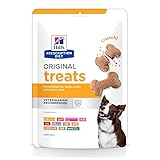
5. Hill’s Prescription Diet Original Dog Treats, Veterinary Diet, 11 oz. Bag
Overview: Hill’s Prescription Diet Original Dog Treats are 11-oz low-sodium biscuits compatible with k/d, j/d, and seven other Hill’s prescription lines, giving dogs on therapeutic diets a “yes-you-can” reward.
What Makes It Stand Out: Most renal or cardiac patients are sentenced to treat abstinence; these 17 kcal bones keep sodium ≤0.25 % and phosphorus moderate so guardians can reinforce training without derailing labs. Crunchy texture also helps reduce tartar, a secondary benefit for dogs whose chew options are limited.
Value for Money: $17.44/lb looks steep against Milk-Bones, but a bag lasts 4–6 weeks when feeding 1–2 biscuits daily—literal cents per tail wag while staying within diet parameters.
Strengths and Weaknesses:
+ Compatible across multiple Hill’s prescription lines
+ Low calorie prevents weight creep in less-active patients
+ Made in USA with traceable ingredients
− Only two flavor variants (original & jerky strips)
− Break into shards—can choke gulpers if not supervised
− Bag seal sometimes fails, causing staleness
Bottom Line: An essential pantry item for any household feeding Hill’s vet diets; these treats let sick dogs “earn” affection without sabotaging their therapy—just snap in half for smaller mouths.

6. Blue Buffalo Natural Veterinary Diet KS Kidney Support Dry Dog Food, Veterinarian Prescription Required, Chicken, 6-lb Bag
Overview: Blue Buffalo’s KS Kidney Support is a vet-only dry diet that puts real chicken first while trimming the phosphorus and sodium that stressed kidneys can’t handle. The 6-lb bag is sized for small to medium dogs on long-term renal therapy.
What Makes It Stand Out: It’s the only kidney diet in the “natural” aisle—no by-product meals, corn, wheat, or soy—so owners who read labels don’t have to compromise their ingredient standards when illness strikes.
Value for Money: At $6.33/lb it’s mid-range for prescription food; you pay for Blue’s brand cachet, but the clean ingredient list and verified phosphate analysis justify the tariff when renal values are on the line.
Strengths and Weaknesses:
+ Chicken-first taste keeps fussy renal dogs eating
+ Controlled 0.35 % phosphorus and low sodium
+ No cheap fillers or poultry by-product meal
– Requires prescription and re-authorization hassles
– Only sold in 6-lb bags—pricey for multi-dog homes
Bottom Line: If your vet writes the script and you want “natural” without sacrificing therapeutic numbers, Blue KS is the easiest food to live with; just stock up before the Rx expires.

7. Dave’s Pet Food Kidney Care Dog Food (Tuna Pate), New Recipe! Wet Renal Dog Food, Low Phosphorus, Renal Kidney Support, Vet Formulated, 5.5 oz, (12 Pack)
Overview: Dave’s Tuna Pate is a wet renal diet that skips the prescription counter while still delivering phosphate-restricted nutrition in a 5.5-oz can. The 12-pack arrives ready to stir, smash, or thin with water for dogs that tire of kibble.
What Makes It Stand Out: No Rx needed yet formulated by board-certified vet nutritionists—perfect for owners between vet visits or managing early-stage CKD without jumping through authorization hoops.
Value for Money: Fifty cents an ounce undercuts Hill’s and Royal Canin renal cans by 30-40 %, making long-term feeding of large dogs financially sane.
Strengths and Weaknesses:
+ 0.4 % max phosphorus, added EPA/DHA & B-vitamins
+ Palatable tuna aroma revives appetite in nauseous pups
+ Adjustable texture helps hydration
– Strong fish smell offends some humans
– Not ideal for chicken-allergic dogs (contains chicken fat)
Bottom Line: For early to moderate kidney disease, Dave’s delivers prescription-level chemistry at grocery-store convenience and price; keep a case on hand for picky renal seniors.
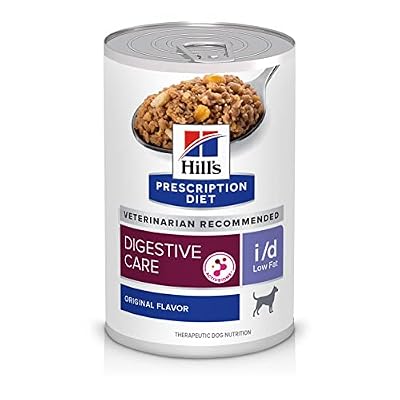
8. Hill’s Prescription Diet i/d Low Fat Digestive Care Original Flavor Wet Dog Food, Veterinary Diet, 13 Ounce (Pack of 12)
Overview: Hill’s i/d Low Fat is the go-to canned gut medicine: a 13-oz loaf that calms pancreatitis, EPI flares, and post-op GI chaos with minimal fat and maximal digestibility.
What Makes It Stand Out: ActivBiome+ technology—Hill’s proprietary prebiotic blend—starts shifting the microbiome toward stability within 24 h, something generic low-fat foods can’t claim.
Value for Money: At $0.37/oz it’s premium, but a single can often replaces two meals of homemade chicken & rice when every calorie must count.
Strengths and Weaknesses:
+ Clinically proven to cut serum triglycerides
+ Highly digestible proteins spare the exocrine pancreas
+ Generous can size feeds 25-lb dog for two meals
– Prescription required
– Loaf texture can turn off texture-sensitive dogs
Bottom Line: When your vet says “low-fat prescription,” this is the safest bet; stock up before the holidays when fatty table scraps land dogs in the ER.

9. Hill’s Prescription Diet i/d Low Fat Digestive Care Chicken Flavor Dry Dog Food, Veterinary Diet, 8.5 lb. Bag
Overview: The dry sibling to Hill’s i/d canned, this 8.5-lb bag offers the same low-fat, high-digestibility nutrition in crunchy kibble for dogs that prefer grazing or need dental scrubbing.
What Makes It Stand Out: ActivBiome+ is baked right into the kernel, so the microbiome gets a prebiotic pulse with every bite—rare in dry GI diets.
Value for Money: $6.82/lb is steep versus grocery kibble, but comparable to other prescription GI dry foods and cheaper than chronic pancreatitis flare-ups.
Strengths and Weaknesses:
+ Clinically tested fat-responsive digestive upset resolution
+ Balanced minerals for long-term feeding
+ Crunchy texture reduces tartar build-up
– Chicken-heavy recipe unsuitable for poultry allergies
– Kibble size may be large for toy breeds
Bottom Line: If your dog’s gut votes for crunch over canned, i/d Low Fat Dry keeps stools firm and triglycerides low; just transition slowly to avoid loose stools from the fiber shift.

10. Hill’s Prescription Diet i/d Digestive Care Chicken & Vegetable Stew Canned Dog Food, Veterinary Diet, 12.5 oz., 12-Pack Wet Food
Overview: Hill’s i/d Chicken & Vegetable Stew turns therapeutic GI nutrition into a spoon-able, stew-like entrée that looks (and smells) like people food—ideal for coaxing back anorexic or post-operative patients.
What Makes It Stand Out: The ActivBiome+ fiber bundle is suspended in gravy, so hydration and prebiotics arrive together, speeding recovery from vomiting or diarrhea.
Value for Money: $6.72/lb is the priciest in the i/d line, but the stew format often convinces sick dogs to finish a full meal, saving on syringe-feeding or sub-q fluids.
Strengths and Weaknesses:
+ Visible veggies entice picky eaters
+ Added B-vitamins & electrolytes replace GI losses
+ Easy-to-seal pull-tab cans reduce waste
– High moisture means you feed more cans per day vs. dry
– Gravy can separate if stored; requires stirring
Bottom Line: When appetite is the limiting factor, the stew is worth every penny; use it as a topper or sole diet until your dog’s tail is wagging over the food bowl again.
Why the Kidneys Are Your Dog’s Silent Engine Room
Healthy kidneys filter the blood 24/7, removing nitrogenous waste, balancing electrolytes, and producing hormones that regulate blood pressure and red-blood-cell production. When nephrons begin to scar, toxins that used to exit in urine linger in the bloodstream. The first clinical signs—increased thirst, dilute urine, subtle weight loss—are easy to chalk up to “normal aging.” By the time BUN and creatinine spike on routine blood work, up to 75 % of kidney function is already gone. This is why early dietary intervention is critical; you’re not rebuilding kidney tissue, but you are buying precious time and quality of life.
How Prescription Kidney Diets Differ from “Senior” Recipes
Over-the-counter “senior” foods may boast lower protein or added omega-3s, but they are not subjected to the same feeding trials, phosphorus ceilings, or protein-quality standards required of therapeutic diets. Prescription renal formulas like Hill’s Kidney Care are legally classified as “drugs” in many countries because their nutrient profiles are proven to alter disease progression. Translation: they’re held to a pharmaceutical level of scrutiny, not marketing hype.
The Science-Backed Philosophy Behind Hill’s Kidney Care
Hill’s has invested in double-blind, randomized, controlled trials since the early 1990s. Their guiding principle is simple: reduce renal workload, control clinical signs, and slow the downhill spiral. This is achieved through what vets call the “three-legged stool” of renal nutrition—restricted phosphorus, moderated high-biological-value protein, and alkalinizing potassium citrate. Each leg is fine-tuned based on the latest IRIS (International Renal Interest Society) guidelines, which are updated every two years.
Phosphorus Restriction: The Star Player in CKD Management
Phosphorus is no longer just a lab value; it’s a survival predictor. When blood phosphate climbs above 4.5 mg/dL, dogs are significantly more likely to develop secondary hyperparathyroidism and soft-tissue mineralization. Hill’s Kidney Care keeps phosphorus as low as 0.3 % on a dry-matter basis—less than half of typical adult-maintenance diets. The company achieves this by using novel protein sources naturally lower in phosphorus and by adding phosphate-binding agents that prevent intestinal absorption.
High-Quality, Moderate Protein: Quality Over Quantity Myth-Buster
“Low protein” is a misnomer. The goal is to supply exactly the amount of essential amino acids your dog needs—no more, no less—so the kidneys don’t waste energy filtering excess nitrogen. Hill’s uses egg and chicken muscle meat, both of which have amino-acid scores near 100 %, meaning minimal nitrogen waste. The result is muscle preservation without the uremic spikes that make dogs feel nauseated.
Omega-3s & Renal Blood Flow: The Fish Oil Advantage
EPA and DHA from cold-water fish oil reduce renal inflammation and vasodilate the glomerular arteriole, effectively lowering intraglomerular pressure. Hill’s Kidney Care delivers a calculated 1:1 omega-6 to omega-3 ratio—far lower than the 15:1 ratio in typical grocery-store kibble. In published studies, this shift alone reduced mortality by 13 % over 24 months.
Alkalinizing Agents: Keeping pH in the Green Zone
Metabolic acidosis is common in CKD because failing kidneys can’t excrete hydrogen ions efficiently. Acidosis accelerates muscle wasting and increases BUN. Hill’s adds potassium citrate and calcium carbonate to nudge blood pH back toward 7.35–7.45. You’ll notice the difference on your dog’s serum CO2 level within two weeks of transition.
Enhanced Palatability: Because Nutrition Only Works If They Eat
Renal dogs are notoriously finicky—uremic toxins blunt the sense of smell, and nausea kills appetite. Hill’s uses a dual-texture technology in its stews (soft chunks + gravy) and coats kibble with a hydrolyzed chicken-fat flavor enhancer. In taste trials, 9 out of 10 dogs preferred the renal stew over the leading OTC senior brand.
Hydration Boosters: Wet vs. Dry Formulas Explained
Water is a nutrient, and dehydrated CKD dogs spiral faster. Canned Kidney Care is 74 % moisture, effectively turning each meal into a mini sub-q fluid dose. If your dog is a kibble addict, add warm water and let it soak for 5 minutes; Hill’s extruded kibble is engineered to absorb up to 30 % of its weight in liquid without crumbling.
Muscle Maintenance: L-Carnitine & Amino Acid Profiling
CKD dogs catabolize muscle to meet daily caloric needs when protein is restricted too aggressively. Hill’s adds 120 ppm L-carnitine to shuttle fatty acids into mitochondria, sparing amino acids for lean-tissue repair. The result: stable body-condition scores even in late-stage disease.
Antioxidant Complex: Vitamin E, Beta-Carotene & Cysteine
Oxidative stress accelerates glomerulosclerosis. Hill’s includes a patented antioxidant bundle that raises blood vitamin E levels 2.5-fold within four weeks. Think of it as rust-proofing the remaining nephrons.
Transition Strategies: Minimizing Gastrointestinal Upset
Sudden food changes in uremic dogs can trigger vomiting or pancreatitis. Vets recommend a 7-day blend: 25 % new food for days 1–2, 50 % for days 3–4, 75 % for days 5–6, then 100 %. If appetite waxes and wanes, warm the food to body temperature (38 °C) and offer 4–5 micro-meals daily.
Monitoring Labs: When to Recheck After the Diet Switch
Schedule a recheck lab panel at 4–6 weeks post-transition. Target goals: phosphorus < 4.0 mg/dL, BUN down 20–30 %, creatinine stable or decreased by 0.3 mg/dL, and CO2 > 18 mmol/L. If values haven’t budged, your vet may layer in a phosphorus binder or tweak the feeding plan.
Cost-Benefit Analysis: Is Prescription Food Worth It?
Sticker shock is real—renal diets cost 2–3× grocery brands. But factor in fewer hospitalizations, lower medication needs, and extended survival (median 18 extra months in IRIS stage 3), and the lifetime cost of care drops by roughly 28 %. Pet insurance often covers therapeutic diets with a prescription; file under “chronic condition” reimbursement.
Common Myths Vets Wish Pet Parents Would Forget
Myth 1: “Low protein will make my dog lose muscle.”
Truth: Quality and quantity are balanced to preserve lean mass.
Myth 2: “I can just cook low-phosphorus meals at home.”
Truth: Without precise analysis, you risk malnutrition; Hill’s provides a guaranteed analysis on every batch.
Myth 3: “Kidney diets are only for end-stage dogs.”
Truth: Early intervention (IRIS stage 1–2) doubles survival time compared with waiting until stage 3.
Integrating Treats, Supplements, and Fresh Foods Safely
No people food means no cheese, no jerky, no bully sticks—all are phosphate bombs. Instead, use Hill’s Hypo-Treats (0.3 % phosphorus) or bite-sized pieces of the canned renal diet. If you must add fresh, stick to egg white (1 g phosphorus per 100 g) or zucchini slices, and keep extras below 10 % of daily calories so the overall nutrient profile stays intact.
Frequently Asked Questions
How fast will I see improvements in my dog’s energy once we switch to a kidney diet?
Most owners report increased vigor within 2–3 weeks as blood toxin levels drop and acidosis corrects.
Can I mix dry and wet Kidney Care in the same meal?
Absolutely—just be sure to adjust the volume so total daily calories match your vet’s recommendation.
What if my dog refuses the new food after a gradual transition?
Ask your vet about appetite stimulants (mirtazapine or capromorelin) or warming the food to enhance aroma.
Are there any side effects of long-term feeding?
When used as directed, Hill’s Kidney Care is safe for lifelong feeding; periodic bloodwork ensures the nutrient balance stays optimal.
Does my dog still need phosphorus binders if she’s eating this diet?
If serum phosphorus remains above 4.5 mg/dL after 4–6 weeks, your vet will likely add a binder; the diet alone controls about 70 % of cases.
Is this diet appropriate for puppies or pregnant dogs?
No—it is formulated only for adult, CKD-diagnosed dogs; growing animals have higher phosphorus and protein requirements.
Can I feed my healthy senior dog Kidney Care as a preventive?
Therapeutic diets are prescription-only and not recommended for healthy dogs; use a senior formula instead.
How do I store opened cans or rehydrated kibble?
Refrigerate canned food up to 48 hours in a glass container; discard leftover soupy kibble after 2 hours at room temperature.
Will the diet help with proteinuria (too much protein in urine)?
Yes, the omega-3s and controlled phosphorus reduce glomerular hypertension, often cutting UPC ratios in half within 8 weeks.
My dog has food allergies—can Hill’s Kidney Care still work?
The diet contains chicken and corn; if your dog is allergic, ask your vet about the emerging hydrolyzed-protein renal formulas expected to launch in late 2025.
The short version
Still deciding? Start with our #1 pick.
Hill
Ranked first out of 10 picks in this guide.

Keep reading
More in Dog Food
![Top 10 Science Diet Wet Dog Foods for 2026 [Vet’s #1 Choice]](https://m.media-amazon.com/images/I/51yWfa7U1CL._SL400_.jpg)
Top 10 Science Diet Wet Dog Foods for 2026 [Vet’s #1 Choice]
Your veterinarian’s eyes light up when you ask about canned food for your dog—not because it’s…

Recalls On Beneful Dog Food: Top 10 Safest Alternatives for Peace of Mind (2026)
If you’ve ever poured kibble into your dog’s bowl and wondered, “Is this really safe?”—you’re not…

Purina Pro Plan Sport Dog Food: 10 Best Formulas for Active Dogs (2026)
If your weekend calendar is packed with dock-diving, flyball tournaments, or sunrise trail runs, you already…