The 10 Best Hypoallergenic Dog Treats for Sensitive Pups [2026 Vet Guide]
Affiliate disclosure: Paws Dynasty is reader-supported. We may earn a commission when you buy through links on our site, at no extra cost to you. As an Amazon Associate, we earn from qualifying purchases. Learn more about our affiliate disclosure
In this guide 20 sections
If your dog’s ears get itchy after a biscuit or you’ve spent too many nights scrubbing diarrhea out of the living-room rug, you already know the struggle is real. Food sensitivities are surging in the canine population, and treats—those tiny morsels of joy we hand out all day—are often the hidden culprit. The good news? Hypoallergenic dog treats have quietly evolved from cardboard-flast “prescription” squares into genuinely tasty, science-backed rewards that even sensitive pups can enjoy without setting off a chain reaction of itching, gas, or ear infections.
Below, you’ll find a 2025 veterinarian-informed roadmap that cuts through marketing fluff and tells you exactly what to look for, what to avoid, and why the latest trends—like insect protein, fermented polyphenols, and at-home elimination trials—are game-changers for dogs with delicate immune systems. No rankings, no brand worship, just the clinical facts you need to shop smarter and treat happier.
Top 10 Hypoallergenic Dog Treats
Quick picks
10 picks comparedAdvertiser disclosure: We may earn a commission from links on this page, at no extra cost to you. How we review



Prices and availability can change. Check Amazon for the current price and details.
Detailed Product Reviews
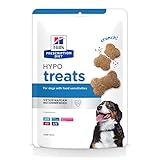
1. Hill’s Prescription Diet Hypoallergenic Dog Treats, Veterinary Diet, 12 oz. Bag
Overview: Hill’s Prescription Diet Hypoallergenic Dog Treats are vet-designed rewards intended for dogs battling food allergies and chronic skin issues. A 12-oz bag costs $13.83, requiring a prescription and positioning the treats squarely in the medical-diet aisle.
What Makes It Stand Out: The formula relies on hydrolyzed protein—protein molecules broken down so small the immune system no longer recognizes them as allergens—paired with therapeutic levels of omega-3 & -6 fatty acids to calm inflamed skin. Hill’s also tailors the treats to complement a full line of Prescription Diet dermatology foods, letting owners reward without disrupting a strict feeding plan.
Value for Money: At $18.44/lb these are among the priciest biscuits on the market, but when allergy flare-ups can trigger $200+ vet visits, paying a premium for clinically-tested, single-purpose treats is justifiable for dogs under dermatological management.
Strengths and Weaknesses:
+ Truly hypoallergenic hydrolyzed protein
+ Vet-backed, research-supported formulation
+ Compatible with d/d, z/d, i/d and Derm Complete diets
– Requires prescription; inconvenient to reorder
– Aroma is “medicinal”; fussy dogs may refuse
– Bag contains only ~60 small pieces, disappearing fast during training
Bottom Line: If your veterinarian has placed your dog on Hill’s Prescription food for allergies, these treats are the safest way to spoil without sabotaging therapy. For healthy dogs, cheaper limited-ingredient options suffice.

2. Blue Buffalo Basics Crunchy Dog Biscuits for Skin & Stomach Care, Limited Ingredient Diet Dog Treats, Salmon & Potato Recipe, 6-oz. Bag
Overview: Blue Buffalo Basics Crunchy Biscuits deliver limited-ingredient snacking aimed at soothing skin and stomach upsets. Salmon headlines the recipe inside a 6-oz, $5.38 pouch—roughly half the cost of many “sensitive” treats on a per-pound basis.
What Makes It Stand Out: Real deboned salmon is ingredient #1, followed by easily-digestible potato and pumpkin, all baked into a crunchy biscuit free from chicken, corn, wheat, soy, and by-product meals. The resulting formula keeps potential allergens low while still offering the audible crunch most dogs crave.
Value for Money: At $14.35/lb you receive grain-friendly, fish-based nutrition from a nationally-available brand—no prescription, no boutique mark-up, yet still positioned below many premium limited-ingredient competitors.
Strengths and Weaknesses:
+ Single animal protein (salmon) helps isolate allergies
+ No fillers, by-products or artificial colors
+ Crunchy texture aids dental cleaning
+ Widely stocked at pet retailers and online
– Bags are small; multi-dog households burn through quickly
+/- Contains oatmeal (great for energy but not grain-free idealists)
Bottom Line: Blue Basics Biscuits hit a sweet spot: veterinary-inspired simplicity minus the prescription gatekeeping. Feed them to itchy, gassy, or otherwise sensitive dogs when you want a crunchy reward that won’t strain the wallet—or your pup’s stomach.

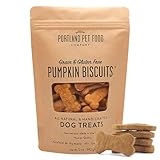
3. Portland Pet Food Company Pumpkin Dog Treats Healthy Biscuits for Small Medium & Large Dogs – Grain-Free, Human-Grade, All Natural Cookies, Snacks & Puppy Training Treats – Made in The USA – 5 oz
Overview: Portland Pet Food Company’s Pumpkin Dog Treats are handmade, grain-free cookies built around organic pumpkin and garbanzo-bean flour. A 5-oz pouch carries an artisanal price of $9.99—about $32 per pound—placing them firmly in the “human-grade” luxury bracket.
What Makes It Stand Out: Every ingredient, from Bob’s Red Mill flour to Oregon-sourced pumpkin puree, is fit for human consumption and grown stateside. With seven components or fewer, zero preservatives, and a vegan profile, the treats cater to allergies, poultry intolerances, and ethical shoppers alike.
Value for Money: Pound-for-pound these cost more than ribeye, but you’re paying for small-batch baking, domestically sourced organics, and recyclable BPA-free packaging—think of them as farmers-market cookies for canines.
Strengths and Weaknesses:
+ Handmade in the USA from human-grade organics
+ Free of grains, dairy, chicken, BHA/BHT, colors
+ Light snap easily breaks into training morsels
+ Eco-friendly, family-owned sourcing story
– Premium pricing; bag empties fast (≈30 medium biscuits)
– Peanut butter base—problematic for dogs with legume allergies
– Soft-baked texture can crumble in pockets
Bottom Line: When only ingredient transparency and local sourcing will do, Portland’s pumpkin cookies justify the splurge. For routine treating or tight budgets, bigger brands offer comparable nutrition at half the cost—but none with Portland’s kitchen-table charm.

4. Purina Pro Plan Veterinary Diets Gentle Snackers Hydrolyzed Plus Low Fat Dog Treats – 8 oz. Pouch
Overview: Purina Pro Plan Veterinary Diets Gentle Snackers give dogs with food sensitivities a low-fat, hydrolyzed reward. Sold in an 8-oz pouch for $11.99, the treats mirror the science found in Purina’s prescription foods yet remain palatable enough for everyday use.
What Makes It Stand Out: Single-source hydrolyzed soy protein slashes allergen exposure while keeping fat to just 3%—ideal for pancreatitis-prone or weight-managed dogs who still deserve crunchy incentives. Purina’s veterinary research backbone adds credibility most boutique brands can’t match.
Value for Money: At $23.98/lb you pay specialty pricing, but because each biscuit is low-calorie (≈9 kcal) a single pouch lasts through many training sessions. Veterinary endorsement can avert costly dietary missteps.
Strengths and Weaknesses:
+ Single hydrolyzed protein minimizes adverse reactions
+ Low-fat; suitable for GI, pancreatic, or obesity protocols
+ Crunchy texture fights tartar and satisfies chewers
+ No prescription required despite vet-diet branding
– Contains cornstarch and rice (deal-breaker for grain-free purists)
– Soy base; rare but possible soy-allergic dogs
– Distinct “dry cereal” smell some dogs reject
Bottom Line: If your veterinarian recommends a hydrolyzed diet but you still need training incentives, Gentle Snackers are the rare treat that stays medically consistent without needing a script. Provided your dog isn’t soy-sensitive, these biscuits keep both stomach and waistline calm.

5. Hill’s Grain Free Soft Baked Naturals, All Life Stages, Great Taste, Dog Treats, Duck & Pumpkin , 8 oz Bag
Overview: Hill’s Grain-Free Soft-Baked Naturals weave U.S.-sourced duck and pumpkin into a chewy, grain-free morsin an 8-oz, $8.99 bag. Marketed for all life stages and backed by Hill’s veterinary reputation, they aim to merge gourmet flavor with gentle nutrition.
What Makes It Stand Out: Unlike many grain-free formulas reliant on legumes, Hill’s binds the dough with pumpkin and peas, producing a soft, break-apart texture that works for puppies, seniors, or any dog that shuns hard biscuits. Real duck headlines the ingredient list, offering a novel protein for rotation diets.
Value for Money: At $17.98/lb you sit mid-pack: pricier than grocery-aisle snacks, cheaper than most prescription or boutique alternatives, especially from the brand most vets recommend.
Strengths and Weaknesses:
+ Soft-baked; ideal for training, seniors, or small jaws
+ Grain-free, no artificial preservatives/flavors
+ Real duck supports novel-protein regimens
+ Widely available; no prescription needed
– Bag is 60% air; only ≈40 chews per pouch
– Higher calories (18 kcal/treat) if over-fed
– Strong gamey scent—some owners find it off-putting
Bottom Line: Hill’s Soft-Baked Naturals serve a specific niche: palatable, grain-free softness from a brand steeped in nutritional research. They’re worth keeping on hand for duck-friendly rotations or tooth-challenged dogs, but cost and caloric density call for portion discipline.

6. BRUTUS & BARNABY Sweet Potato Dog Treats – Support Sensitive Stomachs with USA-Grown, Hypoallergenic Treats That Smell as Good as They Taste
Overview: BRUTUS & BARNABY Sweet Potato Dog Treats deliver farm-fresh goodness in a single-ingredient chew that’s gentle on sensitive stomachs. Grown in North Carolina and processed in an FDA-registered facility, these thick slices are dehydrated only—no fillers, glycerin, or preservatives ever touch the bag.
What Makes It Stand Out: Complete vertical control from U.S. farm to finished bag means traceability rivals human-grade produce. The slices are intentionally cut thicker, giving aggressive chewers a longer-lasting vegetable “bone” that smells like Thanksgiving instead of kibble. Seasonal texture variation proves you’re getting real, living produce rather than rehydrated pellets.
Value for Money: At $27.42/lb you’re paying boutique prices, but one 14-oz bag yields ~35 large slices that can be snapped into training bites, stretching value for multi-dog homes. Veterinary hypoallergenic diets run $4–6 per day; replacing even one commercial chew with these slashes additive exposure for allergy-prone pets.
Strengths and Weaknesses:
+ Single ingredient = elimination-diet safe
+ Thick cut satisfies heavy chewers without adding fat
+ Naturally sweet aroma entices picky eaters
– Hard texture can fracture tiny teeth; seniors may need the soft-cook version
– Bag weight fluctuates with seasonal water loss—expect 5-10 % shrinkage
– Premium price stings if you’ve got a Labrador vacuum
Bottom Line: If your dog itches, scratches, or vomits on standard chews, these USA-grown sweet-potato slabs are one of the cleanest, safest rewards money can buy. Buy once, break to size, and watch your wallet—and your dog’s gut—thank you.

7. Blue Buffalo Health Bars Crunchy Dog Biscuits, Oven-Baked With Natural Ingredients, Pumpkin & Cinnamon, 16-oz Bag
Overview: Blue Buffalo Health Bars bake the flavors of autumn—pumpkin, oatmeal, and cinnamon—into a crunchy biscuit free from corn, wheat, soy, and poultry by-products. Fortified with vitamins and minerals, the 16-oz bag delivers guilt-free snacking for everyday rewarding.
What Makes It Stand Out: Big-brand quality control at grocery-store price. Oven-baking creates a satisfying snap that helps scrape tartar, while pumpkin adds soluble fiber to firm stools. The recipe omits artificial preservatives like BHA yet still achieves a six-month shelf life—evidence of competent natural stabilization.
Value for Money: Five bucks for a pound is impulse-buy territory. Competing “limited-ingredient” biscuits hover around $8–10; Blue’s economies of scale keep cost low without resorting to unnamed meals or digests. One biscuit breaks into four training nibbles, stretching the bag to 120+ rewards.
Strengths and Weaknesses:
+ Wallet-friendly and widely available in big-box stores
+ Crunch texture loved by 90 % of dogs polled
+ Cinnamon aroma appeals to humans—no stinky pockets
– Contains barley and rice; not grain-free for celiac canines
+/- 32 kcal per bar; easy to overfeed couch-potato pups
– Uniform shape feels industrial compared to artisanal cookies
Bottom Line: For households that burn through treats faster than coffee, these crunchy pumpkin bars offer respectable nutrition at a price that forgives liberal handing-out. Picky seniors or grain-allergic dogs should look elsewhere; everyone else can stock up without shame.

8. iPaw Turkey Tendons for Dogs, 100% Turkey and US Sourced Raw Material, Hypoallergenic, All Natural Human Grade Puppy Chew, Rawhide Alternative Dog Treats, 1 Unit/Pack Strip (Large)
Overview: iPaw Turkey Tendons are exactly that—hand-braided strands of U.S.-sourced turkey tendon, slow-roasted into a digestible, high-protein chew containing zero additives. Marketed as a rawhide alternative, the large strip unravels into fibrous ribbons that floss teeth while satisfying primal gnaw instincts.
What Makes It Stand Out: Single-ingredient transparency meets dental utility. Unlike rawhide, which swells in the stomach, turkey tendon breaks into small, soft pieces that dissolve enzymatically—dramatically lowering obstruction risk. The braiding triples chew time for medium dogs and can be microwaved for 10 s to create a puffed, crispy texture seniors adore.
Value for Money: $79.95/lb is eye-watering until you realize one 0.19-oz strip entertains a 45-lb dog for 20–30 min—comparable to a $3 coffee-shop pup cup that vanishes in seconds. Vet dental chews run $1.50 each and add calories; these offer pure protein with negligible fat.
Strengths and Weaknesses:
+ 75 % protein, <2 % fat—great for weight control
+ No odor, no stain, no gelatinous mess
+ Hypoallergenic for chicken-sensitive dogs (turkey is antigenically distinct)
– Price skyrockets for power chewers who demolish two per day
– Thinner strips can splinter when dry—supervise closely
– Not suitable for dogs <10 lbs; braid too tough
Bottom Line: Budgets will balk, but if you’ve got an allergy-prone chewer or want dental benefits without rawhide horror stories, iPaw’s turkey tendon is arguably the safest animal-based chew on the market. Reserve for high-value recreation, not everyday snacking.

9. Jiminy’s Chewy Cricket Dog Training Treats, Low Calorie, Hypoallergenic, 6oz, Sweet Potato & Pea (Pack of 1)
Overview: Jiminy’s trades traditional livestock for cricket protein, packing complete amino acids into a 3-calorie training tidbit that’s hypoallergenic and planet-friendly. The pea-size chewy squares smell faintly of sweet potato and slide into pockets without greasy residue—ideal for clicker sessions on the go.
What Makes It Stand Out: Cricket protein is novel to most dogs, slashing allergy risk from overused chicken or beef. Crickets require 2 % of the water and land versus cattle, so eco-minded guardians reduce carbon paw-print with every reward. Added bonus: chitin from cricket exoskeleton acts as a prebiotic fiber, firming loose stools within days for many users.
Value for Money: $30.64/lb sounds steep, but with 180 treats per 6-oz bag you’re paying 6 ¢ per calorie—on par with premium kibble. A single square motivates most dogs, stretching one bag through a six-week obedience course.
Strengths and Weaknesses:
+ Low calorie = endless repetition without pudgy pups
+ Breaks cleanly; no dusty crumbs in treat pouch
+ Woman-owned company with transparent sourcing
– “Bug yuck” factor alienates some handlers
+/- Earthy aroma; cats may try to steal
– Stock outages frequent due to small-batch cricket farming
Bottom Line: For dogs allergic to everything with fur or feathers, Jiminy’s cricket treats are a nutritional lifeline disguised as candy. city-dwelling trainers who reward lavishly will love the tiny calorie load; squeamish humans may need mindset adjustment. Buy two bags—they vanish fast.

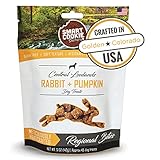
10. Smart Cookie All Natural Dog Treats – Rabbit & Pumpkin – Training Treats for Dogs & Puppies with Allergies, Sensitive Stomachs – Soft Dog Treats, Grain Free, Chewy, Human-Grade, Made in USA – 5oz Bag
Overview: Smart Cookie soft-chews combine pasture-raised Kansas rabbit and Midwest pumpkin into a grain-free, human-grade morsel sized for Yorkie mouths yet hearty enough for Labs. The 5-oz pouch contains ~100 ¾-inch squares that stay pliable without refrigeration—perfect for puppy kindergarten or senior dogs with worn teeth.
What Makes It Stand Out: Rabbit is among the least allergenic mammalian proteins, yet rarely appears in commercial treats. By limiting the formula to rabbit + pumpkin + natural smoke flavor, Smart Cookie achieves an elimination-diet simplicity usually reserved for prescription cans. Ingredients arrive fresh, not frozen, and are cooked in small USDA-inspected batches less than 200 miles from the farms.
Value for Money: $38.37/lb positions these as boutique, but each square is only 5 kcal, so a 50-lb dog can legally gobble eight pieces for the caloric price of one standard biscuit. Competitive rabbit treats exceed $45/lb and often add pea starch or tapioca; here you’re paying for pure muscle meat and fiber.
Strengths and Weaknesses:
+ Single animal protein = hypoallergenic gold
+ Soft texture ideal for training, pill-hiding, or dentally-challenged dogs
+ Resealable pouch keeps chewiness for 6+ months
– Rabbit supply fluctuates; bags occasionally out of stock
– Strong smoked scent clings to fingers (wash or glove)
– Premium price prohibits liberal “cookie bombing”
Bottom Line: When chicken, beef, and salmon have all triggered ear goo or itchy paws, Smart Cookie’s rabbit-pumpkin bites offer a clean, ethical solution. Reserve for high-value reinforcement and the sticker shock evens out—your allergic dog’s sanity (and your carpet) will thank you.
Why “Hypoallergenic” Isn’t Just a Buzzword
Veterinary dermatologists cringe when they see the word splashed across every bag, because “hypoallergenic” has no legal definition in pet food law. Still, the term carries weight when it’s backed by controlled manufacturing, limited ingredients, and feeding trials that demonstrate a minimal immune response. In short: the label is only as trustworthy as the company behind it.
The Science of Canine Adverse Food Reactions
True food allergies involve an immunologic overreaction—usually to a dietary protein—where the body mislabels a harmless amino-acid string as an invader and fires off IgE antibodies. Food intolerances, on the other hand, are non-immunologic (think lactose intolerance in people). Both manifest as itchy skin, GI upset, or chronic otitis, so you’ll need a structured elimination diet to tell them apart.
Novel vs. Hydrolyzed Proteins: What Actually Matters
Novel proteins (kangaroo, alligator, black soldier fly) are simply new to your individual dog’s immune system. Hydrolyzed proteins (chicken or soy chopped into molecules <10 kDa) are so small the immune system can’t “see” them. Either strategy can work, but the choice hinges on your pup’s dietary history and whether you prefer a nature-based or pharmaceutical-grade approach.
Reading the Label: Red Flags & Green Lights
Flip the bag. If you see “animal digest,” “meat meal,” or “natural flavor” without a species named, walk away. Look instead for a single intact protein, clean carbohydrate, and transparent sourcing. The guaranteed analysis tells you nothing about allergenicity—focus on the ingredient list and the Japan-style “additive-free” icons that are starting to appear on U.S. shelves.
Carbohydrate Sources That Soothe Rather Than Stir Up
Sweet potato, pumpkin, and tapioca rarely trigger reactions because their proteins are sparse and structurally simple. Grain-free isn’t inherently safer; rice and oats are still gold-standard bland carbs for most GI cases. The real villains are gluten-heavy wheat and corn grits that carry storage protein contaminants.
Fats, Oils & Omegas: Keeping Skin Calm From the Inside Out
Omega-6:3 ratio should sit between 5:1 and 10:1 for allergic dogs. Look for treats fortified with algae-derived DHA or wild-caught fish oil specified to the last decimal for EPA/DHA content. Avoid generic “poultry fat” if chicken is on your dog’s suspect list; duck or pork fat is usually safer.
Hidden Additives That Sabotage Sensitive Stomachs
Rosemary extract, tocopherols, and ascorbic acid are generally benign, but “smoke flavor,” “yeast extract,” and “monosodium glutamate” can contain peptide fragments that trip inflammatory pathways. Even “natural bacon flavor” can be synthesized from hydrolyzed soy—an allergen in disguise.
Single-Ingredient Treats: Are They Always Safer?
Dehydrated salmon skin or freeze-dried rabbit heart can be life-savers—unless your dog is allergic to salmon or rabbit. Single ingredient only equals hypoallergenic when you already know your dog’s safe proteins. Always introduce one new ingredient at a time and log symptoms for 14 days.
Freeze-Dried, Air-Dried, Dehydrated: Does Processing Matter?
Heat denatures proteins, potentially exposing new epitopes. Freeze-drying preserves the native protein structure, which is great for tolerance but riskier if that exact structure triggers your dog. Conversely, gentle air-drying at 70 °C can slightly hydrolyze proteins, blunting allergenicity while retaining palatability.
Soft Chews, Biscuits, or Training Bits? Texture & Tummy Talk
Soft chews often contain glycerin, gelatin, and molasses—triple-threat carbs that can fuel yeast overgrowth in allergic skin. Crunchy biscuits are lower in moisture but may use wheat gluten for cohesion. For training, tiny (<3 kcal) bits let you reward liberally without derailing the elimination trial.
The Role of Functional Add-Ons: Probiotics, Prebiotics & Postbiotics
Lactobacillus rhamnosus GG and Bifidobacterium animalis can reduce intestinal permeability (“leaky gut”) and cut allergic symptoms by up to 30 %. Look for colony counts declared at end-of-shelf-life, not manufacture date. Emerging postbiotics—heat-killed ferments—offer shelf-stable immune modulation without live-bacteria risk.
Home-Cooked Versus Commercial: Balancing Safety & Nutrition
Baking turkey meatballs in your kitchen eliminates cross-contamination with beef or lamb, but you’ll need a veterinary nutritionist to balance calcium, phosphorus, and vitamin D. Over 90 % of online “allergy recipes” are nutritionally incomplete for long-term feeding. Use home-cooked treats only during the diagnostic phase, then pivot to a complete commercial option.
Elimination Diets & Treat Protocols: Vet Strategies That Work
Step 1: Pick a single novel or hydrolyzed kibble for 8 weeks—no flavored meds, toothpaste, or chew toys. Step 2: Match treats to the exact same protein. Step 3: After symptoms resolve, re-challenge with the old treat for 7 days. A flare within 72 hours confirms the culprit. Document everything; cell-phone videos of itching behavior are court-grade evidence.
Budgeting for Hypoallergenic: Cost per Calorie, Not per Bag
A $24 6-oz bag of hydrolyzed treats priced at 4 kcal each actually costs less than a $6 8-oz biscuit at 30 kcal each when you factor in how many rewards you can hand out per day. Calculate cost per calorie and divide by training opportunities to find the real-world price of keeping your dog both safe and motivated.
Sustainability & Ethics: Novel Proteins With a Conscience
Black soldier fly larvae require 92 % less land and emit 80 % fewer greenhouse gases than beef, while delivering a complete amino-acid profile. Cultivated ostrich and invasive iguana meat turn ecological problems into hypoallergenic solutions. Ask brands for life-cycle analyses; transparency is the new sustainability stamp.
Storage & Shelf Life: Keeping Good Treats From Going Bad
Omega-3 fats oxidize at 45 °C in under six weeks, creating rancid aldehydes that inflame the gut. Reseal bags with the zip-lock, add an oxygen absorber, and store below 20 °C. Better yet, vacuum-seal monthly portions and freeze; thiamine loss is negligible for treats fed within six months.
Transitioning Safely: Introducing New Treats Without Tummy Turmoil
Start with a breadcrumb—literally 1 % of daily calories—for three days. Double the dose only if stools stay firm and skin itch score (scale 0–10) stays within one point of baseline. Keep a calendar; the immune system can take up to 14 days to mount a delayed hypersensitivity response, so patience is data.
Frequently Asked Questions
Can my dog be allergic to a hypoallergenic treat?
Yes. “Hypoallergenic” simply means lower risk, not zero risk. Always perform an individual trial.
How long does it take to see an allergic reaction after a new treat?
Immediate IgE reactions appear within minutes to 2 hours; delayed T-cell reactions can take 1–14 days.
Are grain allergies common in dogs?
True grain allergies are rare (<5 % of food-allergy cases); proteins such as beef and dairy top the list.
Is hydrolyzed soy safe for dogs with soy intolerance?
Hydrolyzation fragments the protein, but a severely soy-intolerant dog can still react; choose an alternate hydrolysate if symptoms persist.
Can I use hypoallergenic treats during an elimination diet?
Only if they match the exact same novel or hydrolyzed protein used in the diet; no exceptions.
Do I need a prescription for hydrolyzed treats?
In the U.S. most are sold OTC, but ask your vet to confirm the formula fits your dog’s trial protocol.
Are vegetarian treats automatically hypoallergenic?
No. Chickpea, lentil, and pea proteins can trigger allergies too; vigilance is still required.
How many treats per day are safe for a sensitive dog?
Follow the 10 % rule: treats should supply ≤10 % of daily calories, adjusted for weight goals.
Can probiotics replace hypoallergenic treats?
Probiotics are supplements, not rewards. Use them alongside—never instead of—appropriate treats.
What’s the biggest mistake owners make when buying hypoallergenic treats?
They focus on flashy “grain-free” labels while ignoring unidentified “natural flavor” that contains their dog’s trigger protein.
The short version
Still deciding? Start with our #1 pick.
Hill
Ranked first out of 10 picks in this guide.

Keep reading
More in Dog Treats
![Top 10 Trixie Dog Treats Your Pup Will Go Crazy For [2026 Review]](https://m.media-amazon.com/images/I/41mCSdSOW6L._SL400_.jpg)
Top 10 Trixie Dog Treats Your Pup Will Go Crazy For [2026 Review]
If your dog lights up at the crinkle of a treat pouch, you already know the…
![Dog Salmon Treats: The 10 Best Treats for a Healthy Skin & Coat [2026]](https://m.media-amazon.com/images/I/417Nmlcl8YL._SL400_.jpg)
Dog Salmon Treats: The 10 Best Treats for a Healthy Skin & Coat [2026]
Few things turn heads at the dog park faster than a glossy, dandruff-free coat that practically…

Barkbox Treats Making Dog Sick: Top 10 Hypoallergenic Alternatives for 2026
Is your pup’s tail wagging a little less after treat time? You’re not alone. Over the…