Nothing breaks a pet parent’s heart faster than watching their dog scratch, chew, or rub their face raw after a simple snack. Food sensitivities are on the rise, and treats—while tiny—can pack a big allergenic punch. The good news? You don’t have to ditch rewards altogether. A new wave of hypoallergenic dog treats is making life safer (and more fun) for sensitive pups, combining veterinary science with kitchen creativity. Below, we’ll unpack what “hypo” really means, which ingredients hide in plain sight, and the exact features you should scrutinize before handing over your wallet—or your training pouch.
Top 10 Hypo Dog Treats
Detailed Product Reviews
1. Hill’s Prescription Diet Hypoallergenic Dog Treats, Veterinary Diet, 12 oz. Bag
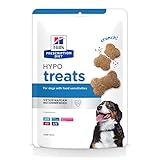
Overview: Hill’s Prescription Diet Hypoallergenic Dog Treats are therapeutic biscuits designed for dogs with diagnosed food allergies or atopic dermatitis. Sold through veterinarians and select online pharmacies, this 12-oz bag is part of Hill’s science-backed Prescription Diet line.
What Makes It Stand Out: The treats mirror the same hydrolyzed-protein technology found in Hill’s prescription foods, meaning even highly allergic dogs can usually enjoy a safe snack without triggering a flare-up. Added omega-3 & -6 fatty acids and antioxidants support skin-barrier repair, making the biscuit part of the treatment plan rather than just a reward.
Value for Money: At $18.44/lb you’re paying prescription-grade prices, but for dogs on z/d, d/d, or Derm Complete it’s the only reliably safe treat; a cheaper alternative could cost far more in vet bills if it sparks a reaction.
👍 Pros
- Identical protein source to the matching diets; widely recommended by dermatologists; resealable bag keeps 70–80 biscuits fresh.
👎 Cons
- Requires prescription paperwork; smell is mildly medicinal; calorie-dense (17 kcal/biscuit) so rationing is necessary for small dogs
Bottom Line: If your dog is already eating Hill’s skin diets, these are the only treats you should consider; otherwise the cost and hassle outweigh the benefits for the average pup.
2. Purina Pro Plan Veterinary Diets Gentle Snackers Hydrolyzed Plus Low Fat Dog Treats – 8 oz. Pouch

Overview: Purina Pro Plan Veterinary Diets Gentle Snackers deliver hydrolyzed protein in a low-fat, crunchy biscuit intended for dogs with both food intolerances and weight issues. Each 8-oz pouch contains about 60 ten-calorie squares.
What Makes It Stand Out: Single hydrolyzed protein plus only 2% crude fat makes this one of the rare hypoallergenic treats that won’t sabotage a weight-loss regimen; the crisp texture also helps scrape teeth without adding richness that can trigger pancreatitis.
Value for Money: At nearly $24/lb it isn’t cheap, but the ultra-low caloric density means one pouch lasts longer than higher-calorie alternatives—important for owners who train frequently with food-sensitive dogs.
👍 Pros
- No prescription needed in most outlets; single carb source (cornstarch) minimizes variables; pocket-friendly size; made in Purina-owned facilities with strict quality control.
👎 Cons
- Contains corn
- So not suitable for owners avoiding grains; smaller bag size may feel pricey; dogs accustomed to soft jerky may find it bland
Bottom Line: Ideal for tubby, itchy, or pancreatitis-prone dogs; keep a pouch in the cupboard even if you don’t need prescription food daily—Gentle Snackers are a safe universal “guest” treat.
3. Blue Buffalo Basics Crunchy Dog Biscuits for Skin & Stomach Care, Limited Ingredient Diet Dog Treats, Salmon & Potato Recipe, 6-oz. Bag

Overview: Blue Buffalo Basics Crunchy Biscuits offer limited-ingredient nutrition for skin and stomach support. Salmon leads a short ingredient list accompanied by potato and fish meals, omitting chicken, beef, dairy, corn, wheat, and soy.
What Makes It Stand Out: These biscuits bridge the gap between everyday reward and gentle-diet philosophy; at 32 kcal/biscuit they’re substantial enough to split for training yet crunchy enough to satisfy power chewers while still skipping common allergens.
Value for Money: Priced at $14.35/lb—mid-range among limited-ingredient treats—you get drugstore convenience without veterinary markup, and the 6-oz bag fits easily in a pantry or glove box.
👍 Pros
- Widely available in pet stores; added fish oil for skin/coat; no poultry by-products; recyclable bag.
👎 Cons
- Not hydrolyzed
- So truly protein-allergic dogs may still react; fishy odor noticeable indoors; biscuits can fracture into crumbs in the bottom of the bag
Bottom Line: Great everyday crunchy biscuit for dogs with mild food sensitivities or owners seeking a cleaner ingredient panel; skip if your vet has prescribed true hydrolyzed treats.
4. Hill’s Grain Free Soft Baked Naturals, All Life Stages, Great Taste, Dog Treats, Beef & Sweet Potato, 8 oz Bag

Overview: Hill’s Grain Free Soft Baked Naturals are velvety, beef-forward snacks aimed at health-conscious owners who avoid corn, wheat, and soy but don’t need prescription-level intervention. The 8-oz bag contains roughly 50 soft cubes reminiscent of fresh cookie dough.
What Makes It Stand Out: Unlike most grain-free offerings that rely heavily on legumes or potatoes, Hill’s keeps protein-rich beef first and uses sweet potato for binder and taste, achieving a moist bite without artificial preservatives that can irritate sensitive stomachs.
Value for Money: At $17.98/lb you’re paying boutique-brand pricing, but the soft texture works for seniors, puppies, or toy breeds that struggle with hard biscuits, meaning less waste and more enthusiasm per treat.
👍 Pros
- Made in USA; vet-recommended brand heritage; resealable zipper maintains moisture; aroma appetizing but not overpowering; breakable into small pieces for training.
👎 Cons
- Moderately high in calories (19 kcal/piece)
- Fat (minimum 12%); not hypoallergenic; not inexpensive for a non-prescription snack
Bottom Line: Choose Soft Baked Naturals when you want a tender, grain-free reward for a healthy pet; look elsewhere if allergies, pancreatitis, or budget are at stake.
5. Wholesome Pride Sweet Potato Chews 100% All-Natural Single Ingredient Dog Treats, 16 oz

Overview: Wholesome Pride Sweet Potato Chews turn cosmetically imperfect U.S. sweet potatoes into thick, leathery strips that resemble all-natural jerky but contain exactly one ingredient: dehydrated sweet potato with skin on.
What Makes It Stand Out: The treats double as eco-friendly dog chew and fiber supplement; the dense, ridged texture provides extended chewing time that helps clean teeth while releasing beta-carotene and dietary fiber that can firm stools and soothe anal glands.
Value for Money: At $16.99/lb you’re buying whole produce, not by-products, so cost parallels human-grade dehydrated yams; each 16-oz bag holds roughly 20–25 chews—comparable to bully sticks but safer and vegetarian.
👍 Pros
- Single ingredient
- So allergy risk is minimal; vegan
- Grain-free
- Gluten-free; no synthetic preservatives; sourced from U.S. farms; suitable for diabetic dogs in moderation due to low glycemic load after dehydration.
👎 Cons
- Variable thickness—some pieces rock-hard
- Others overly brittle; orange residue on carpets; calorie count (≈60 kcal/strip) can add up quickly for small dogs; odor intensifies when chewed
Bottom Line: Keep Sweet Potato Chews on hand for dogs with protein allergies or weight management plans; supervise heavy chewers and factor calories into daily rations for a healthy, sustainable reward.
6. Fruitables Baked Dog Treats, Healthy Pumpkin Treat for Dogs, Low Calorie & Delicious, No Wheat, Corn or Soy, Made in the USA, Pumpkin and Banana Flavor, 7oz

Overview: Fruitables Baked Dog Treats blend super-food pumpkin with sweet banana in a crunchy bite that clocks in at only 8 calories. The 7-ounce pouch is wheat-, corn- and soy-free, baked in the USA and marketed to trainers and health-conscious owners alike.
What Makes It Stand Out: The CalorieSmart formulation lets you dole out generous rewards without padding waistlines; the pumpkin base adds natural fiber that firms stools and soothes tummies, a rarity among low-calorie biscuits.
Value for Money: At roughly $0.64 per ounce this sits in the mid-price aisle, but because you can safely give 6–8 treats per day without breaking a diet, the bag lasts far longer than conventional biscuits that carry triple the calories.
Strengths and Weaknesses: Crunch is great for dental stimulation, aroma drives dogs wild, ingredient list is short and clean. Texture can crumble in pockets; pumpkin scent may not mask completely on hands; 7-oz pouch empties quickly for multi-dog households.
Bottom Line: An excellent everyday biscuit for weight-watching pups or small-breed training; stock up if you own large dogs because the bag disappears fast.
7. Buddy Biscuits Trainers 10 Oz. Pouch of Training Bites Soft & Chewy Dog Treats Made with Bacon Flavor

Overview: Buddy Biscuits Trainers cram 500 soft, bacon-flavored nibbles into a 10-ounce resealable pouch. Each little square carries only 1.5 calories, relying on natural pork liver and no artificial colors to tempt even the pickiest student.
What Makes It Stand Out: Per-treat calorie count is among the lowest on the market, while the count-per-bag is sky-high, allowing high-frequency shaping sessions without financial or caloric guilt.
Value for Money: Roughly $0.014 per treat and $0.69 per ounce—cheaper than many kibbles—so you can reward dozens of sits, downs, and recalls daily for the cost of a latte.
Strengths and Weaknesses: Super-soft texture is tooth-friendly for seniors and puppies; liver base gives scent punch. Moisture can dry out if pouch is left open; squares are tiny, so large dogs may swallow without chewing; bacon aroma is faint compared to fatty jerkies.
Bottom Line: A trainer’s secret weapon—stock a pouch in every jacket and the cost stays negligible while motivation soars.
8. Pur Luv Dog Treats, K9 Kabobs for Dogs Made with Real Chicken, Duck, and Sweet Potato, 12 Ounces, Healthy, Easily Digestible, Long-Lasting, High Protein Dog Treat, Satisfies Dog’s Urge to Chew

Overview: Pur Luv K9 Kabobs thread real chicken, duck, chicken liver, and sweet potato onto a beef-hide stick, promising triple protein and long-lasting chew entertainment in a 12-ounce, resealable sack.
What Makes It Stand Out: The edible skewer concept combines high-protein muscle meats with digestible sweet potato to occupy heavy chewers while delivering joint-supporting collagen from the inner beef-hide core.
Value for Money: At about $1.25 per ounce it out-prices most biscuits, yet one kabob can replace 30 minutes of rawhide gnawing, translating to pennies per minute of quiet time.
Strengths and Weaknesses: Dogs relish the layered flavors; limited ingredient list eases allergy worries. Beef-hide can loosen in large shards; grease residue stains furniture; calorie load (≈120 per kabob) demands rationing for waistlines.
Bottom Line: A specialty entertainment chew rather than a daily training reward—perfect for crate departures or stressed power-chewers once or twice a week.
9. Old Mother Hubbard Wellness Just Vegg’n Dog Biscuits, Natural, Training Treats, Sweat Potato, Oats, Apples & Carrots Flavor, Mini Size, (20 Ounce Bag)

Overview: Old Mother Hubbard Wellness Just Vegg’n biscuits are mini, oven-baked squares packed with sweet potato, oats, apples, and carrots. The 20-ounce bag is free of artificial preservatives and draws on a baking heritage dating back to 1926.
What Makes It Stand Out: These “just veg” treats prove biscuits don’t need poultry by-product to satisfy; crunchy texture scrapes plaque while plant-based fiber supports digestion—appealing to vegetarians and allergy sufferers alike.
Value for Money: One of the cheapest premium biscuits around at $0.27 per ounce; owners of small dogs get 500-plus treats per bag, stretching the budget for months of daily rewarding.
Strengths and Weaknesses: Crunch is loud enough to make training interesting; size fits puzzle toys. Some dogs ignore veggie aroma compared to meat snacks; oat content isn’t grain-free; biscuits can fracture into crumbs during shipping.
Bottom Line: An affordable, wholesome pantry staple for non-meat motivators; pair with a high-value meat treat during sessions to cover picky palates.
10. Stewart Single Ingredient Freeze Dried Raw Dog Treats, Beef Liver, 14 Ounce, Approx. 315 Pieces per Resealable Tub, Training Treats or Meal Topper, High Protein, Grain Free, Gluten Free

Overview: Stewart Freeze-Dried Beef Liver arrives in a 14-ounce tub containing roughly 315 pieces of pure, USDA-certified liver. Grain-free, gluten-free, and produced in small Ohio batches since 1973, the product pulls double duty as training gold or nutrient-dense meal topper.
What Makes It Stand Out: Single-ingredient purity locks in irresistible scent and 60% crude protein while eliminating every major allergen; freeze-drying keeps texture light for jacket pockets yet crumbles effortlessly over kibble for picky eaters.
Value for Money: At $1.93 per ounce it’s premium priced, but liver yields the highest reinforcement value on the market, so you use far fewer pieces per session—offsetting sticker shock through efficiency.
Strengths and Weaknesses: Zero fillers mean zero stomach upset; cats can share. Dust at tub bottom gets messy; smell is strong in warm cars; price jumps quickly when multiple large dogs train daily.
Bottom Line: If you compete in obedience, agility, or simply want a recall that works every time, this is the professional’s choice—ration sparingly and success follows.
Understanding Canine Food Sensitivities vs. True Allergies
It’s easy to use “allergy” as a catch-all, but veterinarians draw a bright line between immune-mediated allergies and non-immune sensitivities. True allergies involve IgE antibodies and usually surface within minutes to hours as hives, facial swelling, or even anaphylaxis. Sensitivities, on the other hand, simmer slowly—think chronic ear infections, paw licking, or colitis—sometimes taking up to 72 hours to appear after the offending bite. Hypo treats aim to reduce both scenarios by starting with molecularly “quiet” ingredients that are less likely to trigger either pathway.
Why Regular “Grain-Free” Isn’t Enough for Allergic Dogs
Grain-free labels are marketing gold, yet wheat is only the fifth most common canine allergen—behind beef, dairy, chicken, egg, and soy. Simply swapping corn for chickpeas won’t help if your dog’s immune system is primed to flag animal proteins. Hypoallergenic formulations go beyond grain exclusion; they either hydrolyze proteins into invisible fragments or pivot to truly novel amino sources your dog has never met.
Novel Proteins: The Science Behind Less-Reacting Meats
A protein is “novel” when your individual dog hasn’t eaten it before, so the immune system stays naïve. Kangaroo, alligator, lentil-derived amino acids, even cultured insect protein—these aren’t gimmicks. They’re selected because epitope mapping shows low cross-reactivity with common beef or chicken peptides. Rotation still matters; feed any single protein long enough and sensitization can still occur.
Hydrolyzed Proteins: When Size Matters More Than Source
Big proteins trigger big reactions. Hydrolyzation uses enzymatic “scissors” to chop chicken, soy, or salmon into peptides under 10 kDa—too small for most mast-cell receptors to recognize. The result is a treat that’s technically still chicken, yet safe for many chicken-allergic dogs. The catch? Hydrolysis is pricey, and bitter peptides can dent palatability unless masked by natural smoke or liver spray.
Limited-Ingredient Philosophy: Why Shorter Labels Win
Every extra ingredient is another lottery ticket in the immune-roulette wheel. Limited-ingredient treats keep the count below five, often as low as two or three, making elimination-diet math painless. If a flare-up happens, you’ll know the culprit fast—no spreadsheets required.
Carbohydrate Choices: Low-Glycemic & Gluten-Free Options
While proteins hog the allergy spotlight, carbs can inflame the gut via IgG or lectin pathways. Tapioca, sweet potato, pumpkin, and chickpeas offer low-glycemic energy without gluten peptides. Bonus: many are pre-biotic, feeding good bacteria that reinforce the intestinal barrier—your dog’s first line of immunological defense.
Functional Add-Ins: Omega-3s, Probiotics & Gut-Soothing Botanicals
Hypo doesn’t have to mean “boring.” Omega-3-rich algal oil dials down skin inflammation. Spore-forming Bacillus coagulans survives baking temperatures to seed the gut with allergy-fighting flora. Marshmallow root, slippery elm, and dried melon pulp provide natural quercetin—Mother Nature’s antihistamine—without the drowsiness of drugs.
Treat Textures: Crunchy, Soft-Baked, Freeze-Dried & Air-Dried
Texture isn’t vanity; it’s physiology. Crunchy biscuits mechanically scrape plaque but may contain wheat gluten binders. Soft-baked pockets hide glycerin—sometimes soy-derived. Freeze-dried cubes lock in single-protein purity yet crumble into high-value training “dust.” Air-dried strips avoid high-heat Maillard reactions that can neo-form allergenic compounds. Choose the format that matches your dog’s chewing style and your treat pouch’s washing schedule.
Calorie Density & Portion Control for Hypo Diets
Hypo treats are often nutrient-dense to compensate for smaller serving sizes. A single 15 g bison cookie can equal 8 % of a 20 lb dog’s daily calories. Factor those numbers into the total diet, or you’ll trade itchy skin for tight pants—and excess weight fuels inflammatory cytokines. Break treats into lentils, or opt for lightweight freeze-dried nibs.
Reading Labels: Red Flags Beyond the Ingredient List
“Natural flavor” can legally include hydrolyzed poultry broth. “Mixed tocopherols” sometimes ride on a soy oil carrier. Even “made in USA” doesn’t guarantee USA-sourced raw materials. Scan for the parenthetical fine print, call manufacturers about gelatin sourcing, and look for third-party testing that verifies no cross-contamination with common allergens on shared lines.
Certifications & Quality Seals: What Actually Matters in 2025
NSF’s “Certified Hypoallergenic” standard—launched late 2024—tests final products for 39 common allergen proteins down to 1 ppm. The Clean Label Project now audits heavy-metal and pesticide residues, surprise killers for dogs with compromised guts. USDA Organic still rules for pesticide-averse parents, but it doesn’t cover sourcing of novel proteins. Combine seals for maximum peace of mind.
Cost-Per-Treat Analysis: Balancing Budget with Veterinary Bills
Hypo treats run three to five times the cost of grocery-brand biscuits. Do the math: an 8 oz bag at $24 may last two months, whereas a $5 bag that triggers a vet visit ($180) and steroid shot ($45) is the pricier indulgence. Buying in bulk, subscribing for auto-ship discounts, and splitting large bags into vacuum-sealed portions can shave 20 % without risking rancidity.
DIY Hypoallergenic Treats: Safety, Vet Oversight & Storage Guidelines
Deep down you’d love to dehydrate crocodile in your air fryer, but two caveats rule. First, homemade novel proteins must still conform to an elimination diet’s strict ingredient roster—no swapping turkey for emu mid-stream. Second, fat oxidation can skyrocket histamine levels; use vacuum-sealed glass jars, oxygen absorbers, and freezer storage for batches bigger than one week. Always bake to 165 °F internal temp to nuke Salmonella and then verify with a kitchen probe.
Transitioning Strategies: Introducing New Treats Without Tummy Turmoil
Even gentle foods can shock a microbiome unaccustomed to dietary diversity. Start with one treat on day one, wait 48 hours, then two treats per day for the next three days. Watch for soft stools, ear odor, or behavior changes. Keep a photo log of skin and coat condition; subtle flares are easy to gaslight yourself into ignoring.
Signs a Treat Still Isn’t Working: When to Re-Evaluate
Persistent pedal pruritus after week two, a sudden popcorn smell from the ears, or a post-poop bottom scoot can scream “hidden allergen.” Conversely, some dogs react behaviorally—obsessive licking of forepaws in the absence of lesions. Return to baseline single-protein kibble only, let symptoms resolve 14 days, then challenge with the suspect treat again. A two-time reaction is practically a forensic conviction.
Integrating Hypo Treats into Training & Enrichment Routines
Sensitivity doesn’t erase a dog’s need for mental stimulation. Use a silicone treat mat smeared with hypoallergenic canned food, freeze for two hours, and you’ve got a twenty-minute scenting activity. Cut bite-sized cubes for clicker work; pouch them in a silicon wristband to keep hands free and crumbs off your jeans. Remember: lean proteins mean faster satiety, so train right before mealtimes when motivation peaks without over-feeding.
Frequently Asked Questions
1. Are hypoallergenic treats 100 % guaranteed not to cause a reaction?
No food is universal; “hypoallergenic” simply lowers statistical risk. Always patch-test one treat and monitor 48 hours.
2. How long should I trial a new treat before deeming it safe?
Two weeks of gradual introduction with zero symptoms is the veterinary standard for most elimination diets.
3. Can puppies eat the same hypo treats as adult dogs?
Yes, provided calories and calcium levels fit the growth profile. Choose softer textures for deciduous teeth.
4. Do air-dried novel proteins lose nutritional value compared to raw?
Air drying at ≤ 70 °C preserves amino acids better than high-heat baking, though some B-vitamin loss occurs.
5. Are vegetarian hypo treats safer than meat-based versions?
Not inherently—dogs can react to soy, pea, or lentil protein. Safety hinges on your individual dog’s sensitization history.
6. How do I calculate treat calories when the label lists kcal/kg?
Divide kcal/kg by 1,000, then multiply by gram weight of a single treat. Example: 3,800 kcal/kg = 3.8 kcal/g, so a 5 g treat = 19 kcal.
7. Can hypo treats help with environmental allergies, too?
They won’t block pollen, but omega-3s and quercetin may reduce skin inflammation triggered by dual allergic pathways.
8. Is freeze-dried rabbit safer than baked rabbit?
Freeze drying retains protein structure, so a dog allergic to rabbit will still react—just faster because reconstitution releases epitopes.
9. What preservative should I avoid in sensitive dogs?
Ethoxyquin is a known immune irritant; also watch for “natural smoke flavor” derived from soy protein carriers.
10. How should I dispose of a treat that flunks the trial phase?
Seal the bag, label it “reactive,” and donate to a local shelter only after confirming the recipient dog has zero allergy issues—or compost if local regulations allow animal-product composting.