Hydrolyzed Protein Dog Treats: 10 Best for Dogs with Food Allergies (2026)
Affiliate disclosure: Paws Dynasty is reader-supported. We may earn a commission when you buy through links on our site, at no extra cost to you. As an Amazon Associate, we earn from qualifying purchases. Learn more about our affiliate disclosure
In this guide 18 sections
If your canine companion constantly licks their paws, battles ear infections, or endures an upset tummy, food allergies—not seasonal pollen—may be the silent culprit. While hypoallergenic diets used to be a veterinary afterthought, nutrition science has evolved. Enter hydrolyzed protein: a precise, research-backed solution that tricks the immune system into ignoring once-offending amino-acid chains. Choosing the right hydrolyzed protein dog treats can make training and bonding moments safe again, all without sacrificing flavor or nutritional value. Below, we unpack everything you need to know before you click “add to cart,” from peptide sizes to feeding protocols.
Top 10 Hydrolyzed Protein Dog Treats
Quick picks
10 picks comparedAdvertiser disclosure: We may earn a commission from links on this page, at no extra cost to you. How we review



Prices and availability can change. Check Amazon for the current price and details.
Detailed Product Reviews
1. Purina Pro Plan Veterinary Diets Gentle Snackers Hydrolyzed Plus Low Fat Dog Treats – 8 oz. Pouch
Overview:
Purina Pro Plan Veterinary Diets Gentle Snackers deliver an 8-oz pouch of hypo-allergenic, hydrolyzed-protein crunch designed for dogs battling food sensitivities or waist-line woes.
What Makes It Stand Out:
Single hydrolyzed protein source minimizes allergic reactions while staying low-fat (ideal for pancreatitis or weight-loss regimens), yet the biscuits still crackle like conventional snacks.
Value for Money:
At $23.98/lb you’re paying clinic-grade nutrition, but each treat breaks cleanly, so one 8-oz pouch usually lasts a 40-lb dog a full month—reasonable insurance against vet bills triggered by mystery allergens.
Strengths and Weaknesses:
Pros: veterinary endorsement, universally crunchy texture dogs accept, low calorie.
Cons: price-per-pound stings, pouch is small for multi-dog homes, smell is bland (humans notice).
Bottom Line:
If your vet has recommended an elimination diet or calorie control, buy with confidence; otherwise budget-conscious owners may flinch at the tariff.

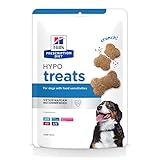
2. Hill’s Prescription Diet Hypoallergenic Dog Treats, Veterinary Diet, 12 oz. Bag
Overview:
Hill’s Prescription Diet Hypoallergenic Treats come in a 12-oz clinic-only bag, engineered to mirror the hydrolyzed protein, omega-3/-6 profile found in Hill’s d/z/i/d formulas.
What Makes It Stand Out:
Backed by the same peer-reviewed research that underpins Hill’s prescription kibbles, these biscuits let allergic dogs stay on dietary protocol without “cheating.” Added EPA, DHA, and antioxidants fortify skin barrier and coat sheen.
Value for Money:
$18.44/lb lands mid-range among vet treats; because Hill’s routinely offers manufacture rebates via clinics, net cost can drop below retail allergic-friendly grocery treats.
Strengths and Weaknesses:
Pros: consistent size prevents over-feeding, accepted by 90% of taste-test pups in clinic trials, resealable bag.
Cons: prescription requirement, kibble-esque aroma puts off some pampered pets, bag still skimpy for large breeds.
Bottom Line:
Indispensable sidekick if your dog already munches Hill’s Prescription food; otherwise secure vet approval first, then stock up during rebate season.

3. Hydrolyzed Protein HP Dog Treats 17.6 oz
Overview:
Hydrolyzed Protein HP Dog Treats ship in a 17.6-oz canister, offering a whopping half-kilo of hypo-allergenic reward biscuits for dogs on novel-protein protocols (ingredient list not disclosed on listing).
What Makes It Stand Out:
Largest retail volume in the hydrolyzed category—an immediate win for multi-pet households or trainers dispensing hundreds of crumbs per week.
Value for Money:
$48.99 total equals $44.50/lb, by far the priciest of the group; yet price-per-treat drops below smaller bags when you factor in bulk.
Strengths and Weaknesses:
Pros: size economy, sturdy plastic jar prevents pantry moths, crunchy texture slows gobblers.
Cons: lack of transparency on protein source or fat content, sticker shock upfront, shipping weight hikes eco footprint.
Bottom Line:
Only pull the trigger if your vet approves the unspecified formula; for everyone else, smaller—but fully disclosed—alternatives feel safer and kinder to your wallet.

4. Fruitables Healthy Dog Treats Pumpkin & Apple | Made with Pumpkin for Dogs | Low Calorie Treats for Dogs | 12 Ounces, White
Overview:
Fruitables Pumpkin & Apple crunchy treats deliver a 12-oz bag of 8-calorie “CalorieSmart” biscuits aimed at guilt-free training from puppyhood to seniorhood.
What Makes It Stand Out:
Superfood lineup (pumpkin, oats, barley, potatoes) produces a cinnamon-roll aroma humans actually enjoy; unique flower-shaped biscuit wedges into four micro-rewards.
Value for Money:
$7.32/lb sits far below veterinary hypo-allergenic options, yet nutrition punches above its price class with no corn, soy, or by-product meal.
Strengths and Weaknesses:
Pros: low calorie means 20+ treats/day won’t widen waistlines, produced in USA, widely available offline.
Cons: not single-protein, so severe allergy dogs still at risk, crunch can crumble in pockets, smell entices counter-surfing Labradors.
Bottom Line:
Perfect everyday training currency for healthy dogs or weight-watchers; skip only if your vet demands strict hydrolyzed protein protocol.

5. SquarePet VFS® Skin and Digestive Support Soft-Baked Treats for Dogs 6oz – Hydrolyzed – Limited Ingredient – All Natural – Made in USA
Overview:
SquarePet VFS Skin & Digestive Support treats present a 6-oz pouch of soft-baked, hydrolyzed-pork rewards targeting both tummy and coat health.
What Makes It Stand Out:
Single novel pork protein, hydrolyzed for low allergenicity, meets soft texture that seniors, tiny jaws, or picky eaters prefer; family-owned U.S. production adds artisan appeal.
Value for Money:
$11.99 per 6-oz ($32/lb) slots between Purina and Hill’s, justified by limited-ingredient, nutrient-boosted formula.
Strengths and Weaknesses:
Pros: DHA/EPA omega-3s for glossy coat, no artificial colors/flavors, soft break point ideal for pill pocket use.
Cons: tiny pouch empties fast with big dogs, softer pieces can dry out if seal fails, odor slightly “pork-rind.”
Bottom Line:
Excellent specialized cookie for sensitive, choosy, or senior pups; buy multiples or auto-ship because six ounces disappear quicker than you think.

6. Caledon Farms Sweet Potato Chews for Dogs 9.3 OZ
Overview: Caledon Farms keeps it elegantly simple with a 9.3-oz bag of nothing but dehydrated North-American sweet potato slabs. Each orange “chew” looks like a thick jerky strip yet is plant-based, grain-free and entirely meatless—perfect for allergy-prone pups or guardians looking to trim animal protein.
What Makes It Stand Out: One-ingredient transparency plus a dual-texture experience; the strips start firm for gnawing satisfaction, then soften into digestible, vitamin-A–loaded ribbons. At only $7.98 per pouch (roughly $0.86 per ounce) you’re essentially buying farm-fiber wrapped in beta-carotene.
Value for Money: Mid-pack pricing beats boutique jerkies yet undercuts prescription chews, giving budget-conscious shoppers a guilt-free, people-grade snack that doubles as a dental boredom-buster.
Strengths and Weaknesses:
– Pros: vegan, single-ingredient, high fiber, eye-health support, no staining mess, resealable bag.
– Cons: calorie density requires portion vigilance; slabs can vary in thickness—thin pieces crumble into orange “dust” at bag bottom; not ideal for tiny mouths without breaking.
Bottom Line: If you want a clean-label chew that satisfies scavenging instincts while sneaking in vitamins, Caledon Farms delivers chewy goodness without complicated fine print. Rotate with protein treats to keep meals balanced and tails wagging.

7. Pro Plan Veterinary Diets Purina Digestive Health Bites Dog Treat Chews – 16 oz. Pouch
Overview: Purina Pro Plan Veterinary Diets Digestive Health Bites are soft, square chews intended to pamper the gut while masquerading as ordinary treats. Real chicken headlines the ingredient panel, flanked by natural prebiotic fiber plus vitamins C & E for immune backup. The 16-oz pouch is resealable and shelf-stable—no refrigeration needed.
What Makes It Stand Out: Unlike many “prescription” treats, these remain soft enough for senior jaws yet firm enough for a satisfying tear. The added prebiotic inulin specifically feeds beneficial intestinal bacteria, making this snack part of a proactive GI management plan.
Value for Money: At $15.49 per pound you’re paying roughly double generic biscuits, but the clinically chosen fiber blend and veterinary branding justify the bump—especially for dogs recovering from antibiotics or pancreatitis flare-ups.
Strengths and Weaknesses:
– Pros: highly palatable, soft texture, no fake dyes or flavors, gut-friendly fiber, immune antioxidants.
– Cons: chicken-first recipe excludes poultry-allergic dogs; modest protein (12%) means it’s more “cookie” than “meal”; calorie count (12 kcal/treat) adds up fast during training.
Bottom Line: For households juggling sensitive stomachs and picky taste buds, these gentle squares offer science-backed tummy support disguised as a chickeny indulgence. Just mind the treat quota to avoid tubby tummies.

8. A Better Treat – Freeze Dried Organic Pumpkin Dog and Cat Treats, Organic, Single Ingredient | Natural, Healthy, Diabetic Friendly | Made in The USA
Overview: A Better Treat turns holiday pie filling into training gold: cylindrical pellets of 100% USDA-certified organic pumpkin, freeze-dried to airy crunch. They arrive in a handy 3-oz pouch, promising only one ingredient—no grains, gluten, chemicals or calories to speak of (0.2 kcal/piece).
What Makes It Stand Out: Organic certification plus freeze-drying locks in potassium and soluble fiber while banishing grease, so pockets stay clean. The minuscule calorie count lets handlers dole out “jackpot” streams during obedience drills without expanding waistlines.
Value for Money: $14.98 feels steep versus baked biscuits, yet you receive 400+ micro-treats—enough for weeks of clicker sessions—plus medicinal tummy insurance against both diarrhea and constipation.
Strengths and Weaknesses:
– Pros: single-source organic, diabetic & weight-management friendly, multi-species (dog/cat), prebiotic fiber for stool regulation, USA-made in FDA facility.
– Cons: ultra-light pieces bounce away on hard floors; bag pricey per ounce; smell slightly earthy—not ‘mouth-watering’ to every carnivore.
Bottom Line: Whether you’re counter-conditioning a reactive hound or coaxing a constipated kitty, these virtually calorie-free pumpkin puffs provide high-value reinforcement with hidden digestive benefits. A staple for the treat pouch of health-obsessed trainers.

9. Hydrolyzed Protein Adult Dog Treats 17.6 oz (Pack of 3)
Overview: This clinical offering bundles three 17.6-oz pouches of hydrolyzed soy protein strips—an Rx-style treat engineered for extreme food-sensitivity cases. The hydrolyzation process breaks proteins into molecules too small to trigger immune recognition, giving veterinarians a safe reward during elimination trials.
What Makes It Stand Out: Few treats meet the “elimination diet” standard; these are manufactured in controlled lines to prevent cross-contamination with beef, dairy, wheat and other common villains. Texture mirrors soft jerky, easing administration around pill pockets.
Value for Money: Brace yourself: $109.90 for 3.3 lb equals $1,758 per pound—more than prime ribeye. You’re paying for pharmaceutical-grade sourcing, QC testing and peace of mind during allergy management, not gourmet flavor.
Strengths and Weaknesses:
– Pros: single hydrolyzed protein, vet-trusted, low antigenicity, uniform strips, long shelf life.
– Cons: astronomical price; requires veterinary authorization; smells medicinal; calorie dense (20 kcal/strip); bag graphics generic—owners often confuse with cheaper “hydrolyzed” imports.
Bottom Line: Only purchase under veterinary guidance for diagnostic or maintenance hypoallergenic protocols. For everyday rewarding, non-Rx treats win on price and palatability. Treat it like medicine, not a snack.

10. Wholesome Pride Sweet Potato Chews 100% All-Natural Single Ingredient Dog Treats, 16 oz
Overview: Wholesome Pride reclaims cosmetically challenged sweet potatoes, slicing and slow-dehydrating them into rustic 16-oz chews that look like artisanal orange bark. The brand trumpets a zero-waste ethos while delivering a single-ingredient, vegan, grain-free gnawable suitable for most allergy sufferers.
What Makes It Stand Out: Sustainability story—ugly spuds become beautiful chews—pairs with skin-on processing, preserving extra fiber and phytonutrients compared to peeled competitors. Chews vary from crispy chips to leathery planks, giving dogs textural lottery excitement.
Value for Money: $16.99 per pound sits near premium biscuit territory, yet you receive whole produce minus water weight—effectively paying for 2 lb of raw sweet potato nutrition condensed into durable snack form.
Strengths and Weaknesses:
– Pros: eco-friendly sourcing, single ingredient, high beta-carotene, minimal processing, resealable bag, USA-made.
– Cons: inconsistent thickness—some pieces hard as wood, risking tooth fracture for aggressive chewers; orange crumb residue on carpets; higher per-pound price than Caledon Farms.
Bottom Line: If you like supporting food-waste reduction while spoiling your pup with farm-fresh fiber, Wholesome Pride merits pantry space. Supervise vigorous chewers and discard any brick-hard slabs to keep vet bills at bay. A feel-good chew with heart—and a toothbrush’s nemesis.
What “Hydrolyzed” Actually Means
Hydrolysis is an enzymatic bath that breaks whole proteins into tiny peptides—so small that the immune system no longer flags them as intruders. Unlike simple “limited-ingredient” snacks, hydrolyzed treats undergo a laboratory-controlled process measured in Daltons (kDa). Ideally, molecular weights stay below 3 kDa to stay under the allergic radar.
Food Allergies vs. Food Intolerances: Know the Enemy
Allergies trigger an IgE-mediated immune response; intolerances create digestive chaos without antibodies. True allergies demand strict antigen avoidance, while intolerances may tolerate rotational feeding. Because symptoms overlap—itchy skin, flatulence, diarrhea—elimination diets followed by hydrolyzed challenges remain the gold standard for diagnosis.
How Hydrolyzed Protein Helps Eliminate Allergic Reactions
Tiny peptides bypass the gut-associated lymphoid tissue (GALT) that normally recognises intact proteins. The result? No histamine cascade, no hot spots, no ear-goop. Long-term, this reduces steroid dependency, sparing dogs from polyphagia, liver strain, and Cushing’s concerns.
Reading the Label: Key Ingredients to Seek Out
Look for single-source hydrolyzed proteins such as chicken liver hydrolysate or soy isolate. Prefer treats preserved with mixed tocopherols (vitamin E) rather than BHA/BHT. Avoid generic “digest” or “flavor” listings—ambiguous terms often signal partially hydrolyzed or unknown protein sources.
Red Flags: Ingredients That Defeat the Purpose
Corn gluten, beef tallow, chicken meal, cheese powder, and brewer’s yeast are common residues in “hypoallergenic” biscuits. Even trace cross-contamination (usually <0.1%) can spark flare-ups in ultra-sensitive dogs. Opt for brands that certify zero-top-allergen facilities or batch-test for contamination.
Peptide Size and Why Molecular Weight Matters
All hydrolysis isn’t created equal. Treat manufacturers that reveal peptide profiles (e.g., “≥90% ≤1 kDa”) offer more predictable outcomes. If a label refuses to quantify molecular weights, you may be paying for partially hydrolyzed protein that still carries epitopes large enough to re-sensitize.
Single- vs. Multi-Protein Hydrolysates
Single-source hydrolysates facilitate elimination diet tracking; multi-source blends pose forensic nightmares if flares occur. Reserve mixed proteins for the maintenance phase once tolerance is secure, and always re-check labels for hidden swaps when stock changes suppliers.
Grain-Inclusive vs. Grain-Free Formulas
Hydrolyzed protein usually overshadows grain antigens, but some dogs react to storage mites in cereal meals. Conversely, legume-heavy, grain-free recipes can raise urinary purines or alkalinity. Monitor urine pH and coat quality—objective data beats marketing hype.
Caloric Density and Portion Control
Because hydrolyzing often concentrates amino acids, calorie counts can rocket to 4–5 kcal per gram. Factor treat calories into daily totals to avoid weight creep, especially for small breeds on lifelong restriction diets. Kitchen scales trump “one-piece” visuals.
Transition Protocol: Switching Treats Without an Upset Stomach
Day 1–2: 25% new treat, 75% old (hypoallergenic kibble). Day 3–4: 50/50 split. Day 5–6: 75% new treat. Day 7 onward: full hydrolyzed snack. Keep main meals identical; treats should be the only variable during the trial to isolate triggers.
Allergy Diagnostics: Elimination Diets vs. Treat Trials
Serology panels can produce false positives; intradermal tests ignore dietary allergens. Veterinary nutritionists therefore recommend an 8-week elimination diet followed by a treat challenge using hydrolyzed snacks. Document everything—ear odor scores, stool quality, itch scales—to prove efficacy.
Work With Your Vet, Not the Internet
Even hydrolyzed proteins can fail if concurrent environmental allergens smolder. Schedule follow-ups at weeks 4, 8, and 16 to tweak ratios, add synbiotics, or rule out concurrent atopy. Share a diet log; accuracy accelerates the roadmap to remission.
Feeding Guidelines for Puppies, Adults, and Seniors
Puppies need higher leucine and valine per calorie for growth; choose treats with minimum 25% protein dry matter. Adults benefit from joint-supporting hydrolyzed collagen peptides. Seniors may require lower phosphorus ratios to protect kidneys; confirm ≤0.9% on a dry-matter basis.
Storing and Handling to Preserve Peptide Integrity
Hydrolyzed proteins oxidize faster than intact ones. Vacuum-sealed, foil-lined pouches last 12–18 months unopened; once opened, use within 30 days. Store below 25°C (77°F), away from humid pantries. Freezing is fine, but thaw only once—ice crystals rupture peptide bonds, reducing palatability.
Budgeting for Veterinary-Grade Nutrition
Cost per calorie averages 30–60% above grocery snacks, but factor in avoided vet visits, medications, and special shampoos. Buying in multipacks can trim 10–15%. Pet insurance with wellness riders may reimburse prescription treats—file claims meticulously with itemized vet scripts.
Myth-Busting Popular Misconceptions
Myth: “Hydrolyzed equals artificial.” Reality: hydrolysis is an enzymatic—not chemical—digestion. Myth: “Raw is safer because it’s less processed.” Raw carries bacterial load intact proteins—double jeopardy for allergy patients already battling gut permeability.
Frequently Asked Questions
How long before I see improvement on hydrolyzed protein treats?
Most owners notice reduced itching or softer stools within 4–6 weeks, but full skin turnover takes about 8 weeks.
Are hydrolyzed treats safe for healthy dogs without allergies?
Yes, but they cost more and offer no added benefit; reserve them for households where allergic and non-allergic dogs share snacks to prevent cross-contact.
Can I bake homemade biscuits using hydrolyzed protein powder?
Heat above 150°C (302°F) degrades peptides; use low-temperature dehydration or no-bake recipes under veterinary guidance.
Do flavors like “hydrolyzed bacon” still trigger pork allergies?
If properly hydrolyzed to <3 kDa and purity-tested, flavor peptides should not trigger reactions—verify certificates before serving.
Is soy hydrolysate better than chicken hydrolysate?
Neither is universally superior; pick the protein your dog has never eaten, or perform individual tolerance trials.
Can hydrolyzed treats replace a prescription elimination diet?
No. Treats are diagnostic tools only after baseline elimination kibble stabilizes symptoms.
My dog hates the taste—any tips?
Warm the treat slightly to release amino aromas, or crumble over moistened kibble to coat each bite.
Are there cats in the same household risk?
Feline food allergies differ; however, cross-snacking can re-expose dogs to intact proteins—feed species-separately.
Do hydrolyzed snacks expire faster once the bag is open?
Yes, peptide rancidity accelerates after 30 days; mark the calendar or portion and freeze in single-serve packs.
Will feeding only hydrolyzed nutrition lead to nutrient gaps?
Complete-and-balanced therapeutic diets account for vitamins and minerals; treats should remain <10% of daily calories to prevent dilution.
The short version
Still deciding? Start with our #1 pick.
Purina Pro Plan Veterinary Diets Gentle Snackers Hydrolyzed Plus Low Fat Dog Treats - 8 oz. Pouch
Ranked first out of 10 picks in this guide.

Keep reading
More in Dog Treats
![Top 10 Trixie Dog Treats Your Pup Will Go Crazy For [2026 Review]](https://m.media-amazon.com/images/I/41mCSdSOW6L._SL400_.jpg)
Top 10 Trixie Dog Treats Your Pup Will Go Crazy For [2026 Review]
If your dog lights up at the crinkle of a treat pouch, you already know the…
![Dog Salmon Treats: The 10 Best Treats for a Healthy Skin & Coat [2026]](https://m.media-amazon.com/images/I/417Nmlcl8YL._SL400_.jpg)
Dog Salmon Treats: The 10 Best Treats for a Healthy Skin & Coat [2026]
Few things turn heads at the dog park faster than a glossy, dandruff-free coat that practically…

Barkbox Treats Making Dog Sick: Top 10 Hypoallergenic Alternatives for 2026
Is your pup’s tail wagging a little less after treat time? You’re not alone. Over the…