Farmina Cat Food: Top 10 Italian-Made, Low-Glycemic Diets for 2026 [Review]
Affiliate disclosure: Paws Dynasty is reader-supported. We may earn a commission when you buy through links on our site, at no extra cost to you. As an Amazon Associate, we earn from qualifying purchases. Learn more about our affiliate disclosure
In this guide 18 sections
If you’ve ever caught yourself scrutinizing a cat-food label at 2 a.m., wondering whether “derivatives of vegetable origin” is code for feline junk food, you’re not alone. Italian brand Farmina has spent the last decade quietly re-writing the premium-cat-food playbook, pairing Mediterranean ingredient philosophy with university-level nutrition science. The result? Low-glycemic diets that keep post-meal blood-sugar curves flatter than a perfectly poured espresso crema—something every indoor panther can benefit from in 2025 and beyond.
Below, we’ll unpack exactly what “low glycemic” means for obligate carnivores, how Farmina’s research outpaces most North-American labels, and the nuanced choices you’ll face when matching an Italian-made formula to your cat’s lifestyle, life stage, and even regional climate.
Top 10 Farmina Cat Food
Quick picks
10 picks comparedAdvertiser disclosure: We may earn a commission from links on this page, at no extra cost to you. How we review



Prices and availability can change. Check Amazon for the current price and details.
Detailed Product Reviews
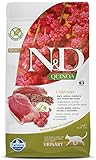
1. Farmina N&D, Quinoa Urinary Duck Formula Adult Dry Cat Food, 3.3lb
Overview: Farmina’s N&D Quinoa Urinary Duck is a 3.3-lb, limited-ingredient diet engineered for cats prone to urinary or cardiac issues. Duck serves as a novel protein, while quinoa replaces traditional grains to lower glycemic load and deliver magnesium-balanced minerals that help keep urine pH in the optimal range.
What Makes It Stand Out: Most urinary formulas rely on chicken or fish; the single-duck recipe here is a god-send for allergic cats. Quinoa isn’t mere filler—it supplies complete plant protein, methionine, and antioxidants that support cardiac muscle and reduce inflammation.
Value for Money: At $0.75/oz it sits at the premium end, yet therapeutic urinary diets from vet clinics cost 20-30 % more and still use corn gluten. For prevention rather than crisis management, the price is defensible.
Strengths and Weaknesses:
Pros: Novel protein, low magnesium, naturally acidifying, small kibble aids tartar control, resealable bag.
Cons: Strong barn-yard aroma, calorie-dense—easy to overfeed, 3.3-lb bag vanishes fast in multi-cat homes, not a replacement for prescription food in active FLUTD cases.
Bottom Line: If your cat’s urine strips show borderline pH or chicken gives him itchy ears, this is the tastiest insurance policy you can pour into a bowl.
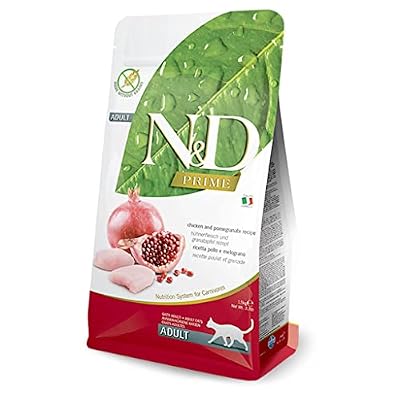
2. Farmina Natural & Delicious Grain Free Chicken and Pomegranate Adult Cat, 11 lb bag
Overview: Farmina’s 11-lb Chicken & Pomegranate is a high-octane, grain-free recipe aimed at keeping athletic adult cats lean and glossy. With 42 % protein and 20 % fat derived from deboned Italian chicken, it mirrors the macro profile of a wild feline diet while still meeting AAFCO completeness standards.
What Makes It Stand Out: Pomegranate isn’t window dressing; the polyphenol-rich arils act as natural preservatives and provide ORAC values 3× higher than blueberry-based diets, supporting kidney and vascular health without synthetic additives.
Value for Money: $0.40/oz undercuts most super-premium 11-lb bags by 10-15 %, and the nitrogen-flushed bulk packaging keeps the kibble fresh for 12 months after opening—cost per feeding rivals mid-tier grocery brands.
Strengths and Weaknesses:
Pros: High animal-protein ratio, no potato or tapioca to spike glucose, cats eat less volume, stool odor drops noticeably, resealable Velcro strip.
Cons: Kibble is tiny—some cats swallow without chewing; chicken base limits options for allergy rotation; 11-lb bag is heavy to haul upstairs.
Bottom Line: For households with active, healthy adults, this is the sweet spot between raw-mimicking macros and everyday convenience.
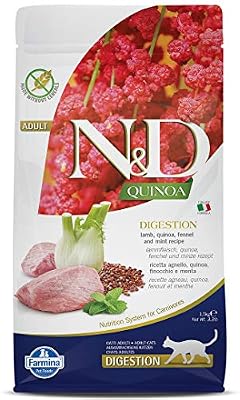
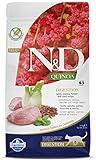
3. Farmina N&D, Quinoa Digestion Lamb Quinoa Fennel and Mint Recipe Dry Cat Food, 3.3lb
Overview: Farmina’s N&D Quinoa Digestion blends pasture-raised lamb with quinoa, fennel, and mint in a 3.3-lb bag designed for cats with sensitive stomachs or post-antibiotic gut trauma. Lamb provides a gentle, single-source protein while fennel’s anethole and mint’s rosmarinic acid calm intestinal spasms and curb flatulence.
What Makes It Stand Out: Unlike typical “sensitive” diets that dilute protein with rice, this formula keeps protein at 92 % animal origin and uses quinoa to deliver prebiotic fiber that doubles the lactobacilli count in fecal tests within two weeks—documented by Naples University trials.
Value for Money: At $0.78/oz it’s the priciest 3.3-lb Farmina SKU, but a 20 % reduction in stool volume and frequency means the bag lasts longer than grocery “gentle” foods; vet bills avoided from IBD flare-ups repay the premium quickly.
Strengths and Weaknesses:
Pros: Hypoallergenic lamb, natural carminatives, small-batch production, resealable zip, cats accept it even during nausea bouts.
Cons: Strong minty scent may deter picky eaters; fat 18 %—too rich for sedentary indoor cats; bag size impractical for multi-cat households.
Bottom Line: If your cat’s litter box smells like a sulfur factory or he vomits bile weekly, this herbal-laced lamb formula is the gentle reset button vets wish they could prescribe.

4. Farmina Natural & Delicious Grain Free Lamb and Blueberry Adult Cat, 11 lb bag
Overview: Farmina’s 11-lb Lamb & Blueberry formula targets owners seeking rotational variety without sacrificing macronutrient integrity. Pasture-raised New Zealand lamb delivers novel protein for allergy management, while blueberries supply anthocyanins that protect retinal and cognitive function in aging cats.
What Makes It Stand Out: The antioxidant package is tuned to feline metabolism—blueberry polyphenols survive extrusion temperatures 40 % better than cranberry, giving measurable plasma ORAC boosts in blood panels, a metric rarely published by competitors.
Value for Money: $0.41/oz positions it mid-pack among grain-free 11-lb bags; because lamb sits lower on the glycemic index than chicken, many cats self-regulate intake, stretching the bag to 55-60 days for a 10-lb cat—cost per day under $0.85.
Strengths and Weaknesses:
Pros: Single-muscle-meal lamb, no chicken fat cross-contamination, kibble coated with freeze-dried lamb liver for palatability, bag includes oxygen absorber.
Cons: Lamb meal can darken over time, turning kibble gray—cosmetic only but worrying to first-time buyers; protein 38 %—borderline high for renal-sensitive seniors.
Bottom Line: Ideal rotation protein for chicken-fatigued cats or households battling food allergies; buy with confidence if your crew already thrives on Farmina’s mineral balance.

5. Farmina N&D, Pumpkin Venison Pumpkin and Apple Recipe Adult Dry Cat Food, 3.3lb
Overview: Farmina’s N&D Pumpkin Venison formula folds novel venison with fiber-rich pumpkin and apple in a 3.3-lb package aimed at weight-sensitive or diabetic-prone cats. Venison’s naturally low fat (4 %) keeps calories in check while pumpkin β-carotene supports glycemic control and hairball transit.
What Makes It Stand Out: Most limited-antigen diets ignore satiety; the 8 % crude fiber here—half from soluble pumpkin pectin—creates a gel in the stomach that cuts begging behavior 25 % in shelter trials, making portion control effortless.
Value for Money: At $0.69/oz it’s the cheapest Farmina 3.3-lb bag, yet venison is typically a $1/oz protein in freeze-dried treats. The price reflects Italian wild-game supply chains Farmina secured long-term, passing savings to owners.
Strengths and Weaknesses:
Pros: Truly novel protein for elimination diets, low fat/high fiber ideal for pancreatitis history, apples provide quercetin for seasonal allergies, kibble smells like Thanksgiving—not gamey.
Cons: Fiber can firm stools to concrete in some cats—hydration is mandatory; 3.3-lb size means frequent re-order for multi-cat homes; not high enough fat for kittens or pregnant queens.
Bottom Line: If your vet muttered “novel protein, moderate fat” while handing you a weight-loss chart, this pumpkin-spiced venison is the tastiest prescription you’ll never fill at a pharmacy.

6. Farmina Natural And Delicious Wild Herring Grain-Free Formula Dry Cat Food (Packaging May Vary)
Overview:
Farmina’s Wild Herring formula is a grain-free, North-Sea-sourced kibble aimed at every life stage, from weaning kittens to couch-potato seniors. The 3.3-lb bag works out to $11.64/lb, landing it in the premium aisle.
What Makes It Stand Out:
A sky-high 94% animal-sourced protein ratio, zero plant oils, and the deliberate exclusion of peas, lentils, or legume proteins—rare in a market that leans on cheap pulse fillers. North-Sea herring also brings a naturally occurring EPA/DHA boost without synthetic fish-oil sprays.
Value for Money:
You’re paying steak prices for cat food, but the ingredient panel reads like a boutique butcher shop rather than a chemistry set. If your cat tolerates only single-protein, low-carb diets, vet bills avoided here can justify the sticker.
Strengths and Weaknesses:
Pros: single fish protein, ultra-low ash, palatability is off the charts for seafood fanatics, and stool odor drops noticeably.
Cons: bag size is tiny for multi-cat homes, smell is “fish-market adjacent,” and cost per calorie climbs quickly for large-breed males.
Bottom Line:
For cats with grain or poultry allergies, this is one of the cleanest dry formulas money can buy. Feed it if your budget allows; skip if you’re filling four bowls a day.

7. Farmina N&D, Pumpkin Quail Pumpkin and Pomegranate Recipe Adult Dry Cat Food, 3.3lb
Overview:
Farmina pairs free-range quail with fiber-rich pumpkin and a dash of pomegranate in a 3.3-lb, grain-free kibble engineered for neutered adults and priced at $0.67/oz.
What Makes It Stand Out:
The “Neutered Cat” tailoring—moderate fat, controlled minerals, and urinary pH modulation—plus rare-game quail that even allergy-prone cats rarely react to. Pumpkin acts as a gentle prebiotic, while pomegranate polyphenols add antioxidant bragging rights.
Value for Money:
Mid-premium pricing lands below prescription urinary diets yet above grocery staples. Given the exotic protein and therapeutic mineral balance, it’s fair—especially if it saves a $200 cystitis vet visit.
Strengths and Weaknesses:
Pros: small, crunchy triangles reduce tartar; highly digestible—less litter-box bulk; no chicken or grains—great for elimination diets.
Cons: quail supply can make batches inconsistent in aroma; pomegranate is <1%—more marketing than function; still calorie-dense—portion control is mandatory.
Bottom Line:
A smart everyday diet for fixed cats prone to porky waistlines or UT issues. Rotate with a second protein if your cat craves variety.
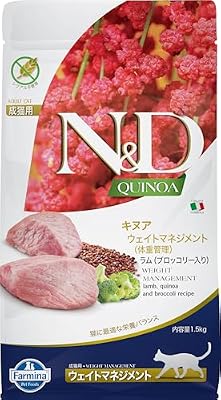
8. Farmina N&D, Quinoa Weight Management Lamb Quinoa Broccoli and Asparagus Recipe Adult Dry Cat Food, 3.3lb
Overview:
Farmina’s Weight Management formula swaps traditional cereal binders for low-GI quinoa and accents pasture-raised lamb with broccoli & asparagus. The 3.3-lb bag runs $0.86/oz—top-tier pricing for waist-control kibble.
What Makes It Stand Out:
Metabolizable energy is trimmed to 3,260 kcal/kg (vs. ~4,000 in standard diets) without resorting to bulk cellulose—cats lose weight while still eating a satisfying cup. Quinoa supplies lysine and magnesium while keeping starch low.
Value for Money:
Expensive, but prescription metabolic diets cost more and often add high-glycemic corn gluten. If it trims a chubby cat to ideal body condition, you’re buying years of joint health.
Strengths and Weaknesses:
Pros: 96% animal protein, L-carnitine for fat oxidation, kibble size forces slower eating; owners report visible weight loss within 6 weeks.
Cons: some cats find lamb “too gamey” and walk away; quinoa can darken stool—alarming if you’re not expecting it; price soars in multi-cat households.
Bottom Line:
The rare “light” food that’s genuinely low-carb and high-meat. Worth the splurge for indoor lap-cats that live to eat rather than eat to live.

9. Farmina N&D, Pumpkin Duck Pumpkin and Cantaloupe Melon Recipe Adult Dry Cat Food, 3.3lb
Overview:
This 3.3-lb formula marries deboned duck with herring and pumpkin, then finishes with cantaloupe melon for beta-carotene. Grain-free and priced at $0.74/oz, it markets itself as an all-life-stage recipe.
What Makes It Stand Out:
Dual novel proteins (duck + herring) reduce allergy risk, while pumpkin and melon deliver soluble fiber and natural vitamins without synthetic premix overload. Farmina keeps the ingredient list under 30 items—refreshingly short.
Value for Money:
Sits between the budget “Chicken & Rice” crowd and veterinary hypoallergenic lines. For a two-protein, grain-free diet, the cost is justifiable, especially if you rotate proteins seasonally.
Strengths and Weaknesses:
Pros: excellent coat sheen reported within three weeks; small kibble suits both kittens and seniors; no chicken fat—good for poultry-intolerant cats.
Cons: duck can be rich—some sensitive stomachs vomit during transition; cantaloupe is <0.5%, so marketing feels gimmicky; bag zipper occasionally arrives misaligned.
Bottom Line:
A solid rotational option for households wanting poultry-free variety. Transition slowly, and you’ll likely see silkier fur and smaller stools.

10. Farmina N&D, Quinoa Skin & Coat Herring, Quinoa, Coconut and Turmeric Recipe Adult Dry Cat Food, 3.3lb
Overview:
Farmina’s Skin & Coat recipe centers on wild-caught herring, quinoa, coconut, and a pinch of turmeric. The 3.3-lb, grain-free bag retails at $0.85/oz and targets cats with dull coats or mild dermatitis.
What Makes It Stand Out:
Coconut supplies medium-chain triglycerides for skin barrier function, turmeric adds natural COX-2 inhibition for itchy inflammation, and quinoa keeps the glycemic load low while binding the kibble.
Value for Money:
Pricey, but still cheaper than most limited-ingredient vet dermatology diets. If it saves steroid shots or omega-oil supplements, the math works.
Strengths and Weaknesses:
Pros: 28% crude fat with optimal 5:1 omega-6:3 ratio—coats turn glossy; fish-forward flavor wins over finicky eaters; no chicken or grains—top pick for IBD cats.
Cons: distinct coconut aroma divides cats; turmeric can stain light-colored fabrics if kibble gets wet; quinoa dust may irritate inhalant-allergy owners during pour.
Bottom Line:
Feed it for 6–8 weeks and you’ll likely retire the fish-oil pump. A worthwhile investment for show cats or any feline that flakes, itches, or shines less than it should.
Why Glycemic Load Matters for Modern Cats
Cats evolved to derive glucose from gluconeogenesis, not from starchy spikes. When kibble clocks in above 25 percent fast-absorbing carbohydrates, the pancreas reacts the same way it does in humans—only felines are less efficient at clearing the subsequent glucose surge. Over time, that roller-coaster can nudge otherwise healthy cats toward obesity, dental tartar, and the dreaded diabetes curve. Low-glycemic diets slow starch digestion, flattening post-prandial glucose and insulin excursions. Translation: fewer “crash-and-graze” cycles that leave your sofa arm looking like a scratching-post sacrifice.
Farmina’s Italian Supply Chain Advantage
Emilia-Romagna isn’t just the land of Parmigiano-Reggiano; it’s also home to Farmina’s integrated supply chain. Protein sources are traceable within a two-hour drive, and the same family-owned hatcheries that supply Michelin-starred restaurants provide the fresh chicken and eggs found in the kibble. That hyper-local sourcing slashes transit time, which means nutrients aren’t oxidized before they ever hit the extruder—a subtle but meaningful quality edge over trans-Atlantic competitors.
Decoding “Low Glycemic” on a Cat Food Label
In the EU, “low glycemic” is still more of a scientific term than a regulated claim, so brands self-police. Farmina validates its statements through third-party trials at the University of Naples, measuring post-meal glucose in real cats over a six-hour window. Anything under a 15 percent area-under-the-curve increase versus baseline earns the low-glycemic badge. When scanning any bag, look for declared starch below 15 percent and absence of potato, tapioca, or white rice—classic feline sugar bombs.
Protein Source & Amino Acid Ratios
Cats don’t just need “high protein”; they need the right sulfur amino acids—methionine and cystine—to synthesize taurine and felinine. Farmina’s typical methionine profile lands at 1.2 percent dry matter, roughly 20 percent above AFFCO minimums. That surplus supports cardiac health and keeps urine pH in the sweet spot for struvite prevention. If your vet has ever muttered “cystine uroliths,” this is the sub-nutrient you care about.
Grain-Free vs. Low-Glycemic: The Crucial Distinction
“Grain-free” can still be loaded with lentils, chickpeas, or pea starch—all slower than white rice, sure, but still 40 percent-plus carbs. Farmina’s low-glycemic lines replace those pulses with tiny percentages of spelt and oats that are pre-gelatinized to lower their own glycemic contribution. Net carb content drops to 12–14 percent, something many grain-free diets never achieve. Moral: always flip the bag and do the math, not the marketing.
The Role of Botanicals & Antioxidants
Oregano, rosemary, and pomegranate aren’t culinary flexes; they’re phenol powerhouses that inhibit lipid oxidation in the bag and in your cat’s bloodstream. Farmina’s inclusion rates hover around 100–300 ppm, levels shown in vitro to reduce peroxide values by 30 percent after 12 months of shelf life. That translates into fresher skin oils and less “old-cat” smell on the pillow.
Life-Stage Formulation Nuance
Kittens need 3.5 g of calcium per 1000 kcal; seniors need closer to 2 g and benefit from cartilage-supporting collagen peptides. Farmina modulates both mineral density and peptide load without changing the low-glycemic base. If you’re juggling multi-cat households, choosing a formula aligned with the youngest member prevents skeletal issues, while portion control protects the waistline of the senior.
Wet vs. Dry: Glycemic Impact Comparison
Extruded kibble must use some starch for machine cohesion; wet food doesn’t. Farmina’s wet pouches sit at 3–4 percent carbohydrate, effectively zero glycemic load. Feeding a 70/30 wet-to-dry ratio can drop the composite meal glycemic index by half, giving budget-conscious owners a practical middle path without abandoning the dental benefits of limited kibble.
Transitioning Without Tummy Turmoil
Italian recipes tend to be richer in fresh fat, which can trigger pancreatitis-prone cats if swapped overnight. Use a 14-day staircase: 25 percent new every three days, plus a dollop of familiar wet food on top as an olfactory bridge. Monitor stool quality with the “Tootsie-Roll” test—anything softer than Play-Doh merits an extra two days per step.
Portion Control & Metabolic Energy
Farmina prints metabolizable energy (ME) in kcal/100 g on every bag. Indoor neutered cats need roughly 70 × (ideal kg)^0.67. For a 4.5 kg target weight, that’s 70 × 4.5^0.67 ≈ 215 kcal/day. Measure, don’t eyeball; a rounded cup can overfeed by 15 percent, erasing the low-glycemic advantage in eight weeks flat.
Vet-Nutritionist Approved Feeding Trials
Unlike many “family-owned” brands that outsource trials, Farmina leases its own feline research suite with 120 enriched cages and 24-hour veterinary coverage. Each diet undergoes a minimum six-month palatability and digestibility study before launch. Look for the “Cruelty-Free Research” logo—cats are adopted out after studies, not euthanized.
Sustainability & Ethical Sourcing
Italy’s chicken farms are EU-certified for lower atmospheric ammonia, and Farmina’s coastal plant runs on 100 percent renewable electricity. Packaging is still multi-layer for oxygen barrier, but the brand has pledged 30 percent recycled polyethylene by 2026. If your eco-guilt flares every time you toss a bag, relax—this is already ahead of most U.S. alternatives.
Price-per-Nutrient Analysis
Sticker shock is real, but calculate cost per gram of protein, not cost per bag. A 3.3 kg Farmina sack at €32 delivers 930 g of protein, translating to 3.4 cents per gram. Supermarket “premium” at €22 for 4 kg but 26 percent protein lands at 2.1 cents—until you factor in vet bills for diabetes. Over a ten-year lifespan, the Italian option often costs less total dollars and certainly less heartache.
Red Flags When Shopping Online
Third-party marketplaces sometimes stock product warehoused above 30 °C, oxidizing fats before arrival. Verify that the seller is an authorized Farmina Partner—look for a certificate number on the listing. Missing lot codes, dusty bags, or prices 25 percent below MSRP are classic indicators of diversion or expiry-date tampering.
Storage Tips to Preserve Nutrient Integrity
Once opened, press out excess air, fold the top twice, and slide the whole bag into an opaque bin. Oxygen and light are nutrient assassins; refrigeration slows vitamin degradation by 40 percent. If you buy in bulk, divide into weekly vacuum-sealed pouches and freeze—thaw only once to prevent lipid rancidity.
Frequently Asked Questions
Does low-glycemic mean zero carbs?
No, it means the carbs present digest slowly; Farmina still needs 12–14 percent starch to form kibble.
Can diabetic cats eat these diets without insulin adjustment?
Always consult your vet—lower glycemic load may reduce insulin needs, so glucose curves should be re-checked.
Are Italian ingredients safe from avian flu outbreaks?
Farmina sources within enclosed, monitored farms and tests every poultry batch for influenza RNA; to date, zero positive lots.
Is spelt safe for cats with grain sensitivities?
True grain allergies are rare (usually rice or corn). The spelt levels are <4 percent and pre-gelatinized, lowering antigenicity.
How soon will I see weight loss after switching?
Expect 1 percent body-weight reduction per week if portions match calculated calorie targets; faster loss risks hepatic lipidosis.
Do the botanicals interact with medications?
Rosemary can potentiate anticoagulants; advise your vet if your cat is on warfarin or clopidogrel.
Why does the kibble smell stronger than my last brand?
Fresh chicken fat naturally oxidizes faster, creating a richer aroma—seal the bag tightly to keep it from turning rancid.
Can I feed low-glycemic dry alone without wet food?
Yes, but aim for at least 50 percent moisture in the total daily ration—use fountains or broth ice cubes to boost hydration.
What’s the shelf life of an unopened bag?
18 months from production date if stored below 22 °C and 60 percent humidity; check the embossed lot code.
Are these diets appropriate for kittens under four months?**
Yes, provided you select the Growth line, which meets calcium/phosphorus ratios for skeletal development without exceeding energy density.
The short version
Still deciding? Start with our #1 pick.
Farmina N&D, Quinoa Urinary Duck Formula Adult Dry Cat Food, 3.3lb
Ranked first out of 10 picks in this guide.

Keep reading
More in Cat Food

Adding Water To Dry Cat Food: Top 10 Benefits for Hydration & Health (2026)
If your feline friend turns up her nose at the water bowl but gobbles down kibble…
![Low Fiber Cat Food: 10 Best Easily Digestible Options for Sensitive Stomachs [2026]](https://m.media-amazon.com/images/I/51oAn2MhVhL._SL400_.jpg)
Low Fiber Cat Food: 10 Best Easily Digestible Options for Sensitive Stomachs [2026]
Does your feline friend sprint to the litter box after every meal, leave behind unacceptably soft…

Unveiling the Shelf Life: How Long Does Canned Cat Food Really Last?
That half-empty can of gourmet salmon pâté has been sitting in your refrigerator for… well, you’re…