10 Best Dog Treats Without Chicken for Allergy-Prone Pups (2026)
Affiliate disclosure: Paws Dynasty is reader-supported. We may earn a commission when you buy through links on our site, at no extra cost to you. As an Amazon Associate, we earn from qualifying purchases. Learn more about our affiliate disclosure
In this guide 17 sections
Is your pup constantly itching, licking sore paws, or waking you up at 2 a.m. with tummy gurgles? You’re not imagining things—chicken consistently tops the list of canine food allergens, yet it sneaks into everything from training nibbles to premium chews. The good news: 2025 has ushered in a wave of sophisticated treats that skip the chicken entirely without sacrificing flavor, crunch, or training value. Below, you’ll learn how to spot genuinely chicken-free options, decode marketing loopholes, and keep even the itchiest dog happy, healthy, and drooling for more.
Ready to swap confusion for confidence? Let’s sniff out what truly matters when you browse the treat aisle for a four-legged friend whose immune system thinks chicken is public enemy #1. We’ll cover ingredient science, sustainability, safety standards, and cost-saving hacks—so you can reward good behavior without triggering bad reactions.
Top 10 Dog Treats Without Chicken
Quick picks
10 picks comparedAdvertiser disclosure: We may earn a commission from links on this page, at no extra cost to you. How we review




Prices and availability can change. Check Amazon for the current price and details.
Detailed Product Reviews
1. Rachael Ray Nutrish Burger Bites Dog Treats, Beef Recipe With Bison, 12 oz. Pouch
Overview: Rachael Ray’s Nutrish Burger Bites turn backyard-barbecue flavor into a tender, grain-free reward for dogs of all sizes. Each 12-ounce pouch is stuffed with coin-sized “mini-burgers” that smell like a cookout without any artificial smoke or grill flavors.
What Makes It Stand Out: Beef is followed by USA-raised bison, giving a novel-protein twist you rarely see in grocery-store treats. The soft texture is ideal for puppies, seniors, or any dog that struggles with crunchy biscuits.
Value for Money: Mid-pack pricing per ounce and a resealable bag keep the bites fresh; you’re paying for named meat rather than fillers, so the bag lasts longer than carb-heavy alternatives.
Strengths and Weaknesses:
Pros: real beef first, grain-free, soft yet non-greasy, no by-products.
Cons: strong aroma may offend humans, 20-calorie-per-piece count adds up for tiny dogs, bag isn’t recyclable.
Bottom Line: A flavorful, meat-forward soft chew that feels like a burger joint splurge without junk-food guilt—perfect for training or everyday spoiling.

2. Dreambone Triple Flavor Swirlz No Chicken Added for Dogs, 25 Count, Treat Your Dog to Easy-to-Digest Rawhide-Free Chews Made with Real Beef, Peanut Butter and Pork
Overview: DreamBone Triple Flavor Swirlz deliver the long-lasting chew dogs crave but swap traditional rawhide for an easy-to-digest veggie-and-starch outer tube braided around beef, pork, and peanut butter centers.
What Makes It Stand Out: Rawhide-free means no choking shards or bleaching chemicals, while the tri-color pinwheel looks festive in treat jars. Each 25-count bag is resealable and priced under nine dollars.
Value for Money: At roughly 34¢ a chew you get dental scrubbing action comparable to more expensive “dental sticks,” plus three proteins—great multi-dog household value.
Strengths and Weaknesses:
Pros: no rawhide, no chicken (ideal for poultry allergies), fortified with vitamins, highly palatable.
Cons: contains added sugar and salt, not fully grain-free, can finish in minutes for power chewers under 30 lbs.
Bottom Line: A wallet-friendly rawhide alternative that keeps most dogs busy and owners guilt-free; supervise aggressive chewers and you’re set.

3. Blue Buffalo Health Bars Crunchy Dog Biscuits, Oven-baked Dog Treats Made with Natural Ingredients, Bananas & Yogurt, 16-oz Bag
Overview: Blue Buffalo’s Health Bars bake bananas and yogurt into a crunchy oatmeal cookie for dogs. The 16-ounce bag is stuffed with medium-sized biscuits scored so you can snap them for smaller mouths.
What Makes It Stand Out: Oven-baked crunch helps scrape tartar, while banana-yogurt flavor stands out in a sea of plain chicken biscuits. Added vitamins, antioxidants, and a heart-shaped emboss scream “wholesome.”
Value for Money: About 40¢ per ounce makes these cheaper than boutique bakery biscuits yet pricier than grocery generics—you’re paying for Blue’s “no corn, wheat, soy” philosophy.
Strengths and Weaknesses:
Pros: crunchy texture aids teeth, natural ingredients, resealable bag, all-breed size.
Cons: 45-calorie per biscuit count is high for training, some dogs find them dry, yogurt coating bakes off so don’t expect visible frosting.
Bottom Line: A dependable everyday biscuit that turns teeth-cleaning into dessert; break into pieces and your dog thinks it’s cookie time.

4. Blue Buffalo Basics Crunchy Dog Biscuits for Skin & Stomach Care, Limited Ingredient Diet Dog Treats, Salmon & Potato Recipe, 6-oz. Bag
Overview: Blue Basics Salmon & Potato biscuits shrink the ingredient list to cater to itchy tummies and sensitive skin. A 6-ounce pouch holds petite, crunchy squares that smell mildly fishy rather than overpowering.
What Makes It Stand Out: Real salmon leads the panel, followed by simple carbs like potato and pea flour—no chicken, beef, dairy, corn, wheat, or soy, making it a go-to for elimination diets.
Value for Money: Roughly $14 per pound is steep next to mainstream biscuits, but cheaper than prescription hydrolyzed treats; limited run manufacturing justifies the premium.
Strengths and Weaknesses:
Pros: single animal protein, gentle fiber, omega-3-rich, small square fits training.
Cons: tiny package empties fast with big dogs, salmon scent lingers on fingers, crunch may be too hard for senior teeth.
Bottom Line: If your dog’s coat, ears, or belly say “no chicken,” these crunchy squares offer safe rewards without a vet-script price.

5. Vital Essentials Beef Liver Dog Treats, 2.1 oz | Freeze-Dried Raw | Single Ingredient | Premium Quality High Protein Training Treats | Grain Free, Gluten Free, Filler Free
Overview: Vital Essentials freeze-dries raw beef liver into lightweight, chalky cubes that crumble into high-value training gold. The 2.1-ounce tub contains nothing but Midwest-sourced liver—no grains, gluten, or preservatives.
What Makes It Stand Out: Single-ingredient purity plus 45-minute post-harvest freezing locks in 70% protein, creating a scent bomb that rivals hot dog pieces. Easily snaps into dust for food toppers or smaller portions.
Value for Money: At $45+ per pound sticker shock is real, but you’re buying dehydrated tissue—rehydrated weight is quadruple, making cost per rewarding bite pennies during sessions.
Strengths and Weaknesses:
Pros: irresistible aroma, ultra-high protein, excellent for allergy elimination, tiny cube = 3-calorie perfect clicker treat.
Cons: can shatter to powder in shipping, liver over-feeding risks loose stools, pricey for multi-large-dog homes.
Bottom Line: A minimalist powerhouse that turns any cue into a jackpot—portion wisely and a single jar supercharges obedience for months.

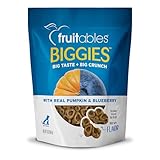
6. Fruitables Biggies™ Pumpkin Blueberry Dog Treats
Overview: Fruitables Biggies™ Pumpkin Blueberry Dog Treats are oversized, crunchy biscuits designed for medium to large dogs during training or as occasional rewards. Each 1-lb bag contains hearty treats that can be snapped into smaller portions for portion control.
What Makes It Stand Out: The generous size sets these apart from typical training treats—perfect for big breeds who usually get tiny tidbits. The pumpkin-blueberry combo delivers antioxidants and fiber while remaining free from common irritants like wheat, corn, soy, and artificial additives. The cookies are baked in the USA with globally sourced produce, giving shoppers transparency on origin.
Value for Money: At $9.89 per pound you’re paying boutique-bakery prices, but the ability to break each Biggie into 3-4 pieces stretches the bag surprisingly far. Comparable “premium” biscuits run $11-14/lb, so Fruitables lands in the reasonable zone for limited-ingredient treats.
Strengths and Weaknesses: Pros: genuinely aromatic, accepted by picky eaters; large size doubles as chewing occupation; clean label with real produce. Cons: too hard for senior dogs or tiny jaws; calorie count (≈40 kcal/Biggie) adds up fast if you forget to break them; resealable strip often fails after first week.
Bottom Line: If you own a Lab, Shepherd, or any treat-motivated larger dog, Biggies are a slam-dunk—just snap, train, and store in a separate zip-bag. Smaller pups or calorie-counters should look at Fruitables’ 8-calorie mini version instead.

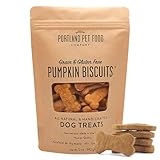
7. Portland Pet Food Company Pumpkin Dog Treats Healthy Biscuits for Small Medium & Large Dogs – Grain-Free, Human-Grade, All Natural Cookies, Snacks & Puppy Training Treats – Made in The USA – 5 oz
Overview: Portland Pet Food Company’s Pumpkin biscuits are small, grain-free cookies made from human-grade, US-grown ingredients. The 5-oz pouch contains roughly 30 airy wafers suited for dogs of any age or size.
What Makes It Stand Out: The human-grade claim isn’t marketing fluff—these treats read like a minimalist cookie recipe: organic pumpkin, garbanzo flour, peanut butter, molasses, cinnamon. Double-baking gives them a light crunch that crumbles easily fortraining, sparing your pockets from greasy residue.
Value for Money: $9.99 for 5 oz translates to about $32 per pound—premium even in the natural-treat aisle. You’re paying for organic certification, small-batch production, and 100% domestic sourcing; budget shoppers will wince, but allergy-prone dogs may save on vet bills.
Strengths and Weaknesses: Pros: only seven ingredients, no preservatives, extremely palatable; great for wheat-sensitive or vegan diets; compact pouch stays fresh. Cons: price-per-treat is high; fragile texture can arrive as powder if shipped loosely; cinnamon scent may deter a minority of dogs.
Bottom Line: Owners of dogs with skin, gut, or allergy issues will appreciate the short ingredient list and trustworthy sourcing—keep a pouch for special rewards. If your dog eats biscuits by the handful, mix these with cheaper training bits to protect the wallet.

8. Canine Naturals Beef Chew – Rawhide Free Dog Treats – Made With Real Beef – Poultry Free Recipe – All-Natural and Easily Digestible – 10 Pack of 5 Inch Stick Chews
Overview: Canine Naturals Beef Chews are five-inch rawhide-free sticks made from dried beef and vegetable binders. Each 10-pack gives medium chewers about 10–15 minutes of gnawing time while cleaning teeth.
What Makes It Stand Out: The absence of rawhide, collagen, or poultry eliminates the top two canine allergens and choking-risky rawhide blockage. Lab-verified digestibility (400% faster than rawhide) reassures anxious owners, and the single beef protein fits elimination diets.
Value for Money: $9.49 for ten 5-inch sticks clocks in under a dollar per chew—half the price of similar “no-hide” brands. Given the dental benefits and ingredient safety, the package earns its keep against raw bones or synthetic nylon toys.
Strengths and Weaknesses: Pros: highly digestible, no rawhide smell or staining; break predictably instead of splintering; fit most standard toy-breed to mid-size mouths. Cons: not long-lasting for power-chewers (10 min max); smell beefy—keep them sealed; 5-inch length can vanish inside a Great Dane in seconds.
Bottom Line: Excellent middle-ground between a biscuit and a bully stick: safer than rawhide, cheaper than jerky, short enough for post-walk crate downtime. Stock up if you have a moderate chewer; aggressive jaws will still need thicker bully springs.

9. Fruitables Baked Dog Treats – Healthy Low Calorie , Free of Wheat, Corn and Soy – Pumpkin and Blueberry – 12 Ounces
Overview: Fruitables’ 12-oz Pumpkin & Blueberry Baked Treats are miniature, eight-calorie cookies marketed for repetitive training or waistline-watching pups. The cereal-box-style bag holds roughly 150 coin-sized biscuits.
What Makes It Stand Out: CalorieSmart formulation lets owners dole out dozens of rewards during agility or puppy class without blowing the daily caloric budget. Real pumpkin, oats, and barley give fiber and gentle carbs, while the blueberry aroma keeps fussy dogs tuned in.
Value for Money: At $5.94 for 12 oz you’re paying ≈$7.92/lb—middle-shelf pricing that undercuts most limited-ingredient competitors. Because each treat is only 8 kcal you can replace higher-value jerky bits during long sessions, stretching value further.
Strengths and Weaknesses: Pros: genuinely low calorie; crunchy texture reduces tartar; resealable bag works well; uniformly sized for clicker consistency. Cons: some batches arrive overly browned and harder; aroma fades after 4-6 weeks, lowering drive for picky eaters; not ideal for very small puppies (<8 weeks) due to firm crunch.
Bottom Line: A staple for obedience trainers and weight-management programs alike—affordable, wholesome, and portion-controlled. Pair with a soft high-value treat for “jackpots” and you’ve got a complete training pantry in one bag.

10. Old Mother Hubbard Wellness P-Nuttier Dog Biscuits, Natural, Training Treats, Peanut Butter Flavor, Large Size, (6 Pound Box)
Overview: Old Mother Hubbard Wellness P-Nuttier Biscuits are classic oven-baked cookies flavored with peanut butter, apple, carrot, and molasses. This 6-lb box is packed with large “medium-breed” bones about 2½ inches long.
What Makes It Stand Out: Nearly a century of brand heritage means predictable quality and palatability. The crunchy texture doubles as a tooth-scrubber, while natural ingredients and North-American sourcing appeal to shoppers avoiding overseas processing plants.
Value for Money: Price not listed, but historically the 6-lb economy box lands around $18-$22 online—roughly $3–$4 per pound, among the cheapest natural biscuits available. Bulk weight plus slow-bake preservation offers serious bulk savings for multi-dog households shelters, or groomers.
Strengths and Weaknesses: Pros: bargain-basinet cost per biscuit; long shelf life; accepted by vast majority of dogs; large size can be snapped for smaller portions. Cons: contains wheat and barley—unsuitable for grain-free diets; 70 kcal per large biscuit adds up fast; box inner liner tears easily, so you’ll need a bin to prevent staleness.
Bottom Line: The quintessential pantry staple: nothing fancy, just consistent, affordable, and tail-wag-worthy. Great as occasional rewards or “good-night” bones for healthy dogs that tolerate grains; skip if your vet has flagged grain sensitivity.
Why Chicken Sits at the Top of Canine Allergen Charts
Immune-System 101: What Exactly Is a Food Allergy?
When a dog’s immune system mislabels a perfectly harmless protein (often chicken) as a threat, it launches histamine warfare—manifesting as itchy skin, ear infections, or gastrointestinal mayhem. True allergies differ from intolerances (digestive only) or sensitivities (dose-dependent). Knowing which one your vet suspects dictates whether treats must be 100% chicken-free or simply low in chicken fat.
How Chicken Hides Under Sneaky Label Names
“Hydrolyzed poultry,” “digest,” “meal,” “by-product,” and “natural flavor” can all contain chicken molecules. Manufacturers even swap chicken fat into salmon recipes to jack up palatability. Scanning the label for the word “chicken” isn’t enough; you need to read every parenthetical expansion of “animal fat” and “meat meal.”
Red Flags and Benign Buzzwords on Treat Packaging
“Limited Ingredient” Versus “Single Protein”
“Limited ingredient” merely means fewer total components—no guarantee that chicken isn’t one of them. “Single-protein” is stronger, yet manufacturers sometimes split one chicken into broth, meat, and fat across the panel. Cross-checking the Guaranteed Analysis against the ingredient list helps identify sleight-of-hand tactics.
Decrypting “Natural Flavor” and “Animal Digest”
AAFCO allows “natural flavor” to be any hydrolyzed tissue from the same species listed on the front. If you see “Beef Recipe” followed by “natural flavor (source: poultry),” assume it’s chicken unless the company provides written confirmation.
The Science Behind Novel Proteins and Why They Matter
Kangaroo, Carp, Cricket: Exotic but Not Necessarily Better
A novel protein is simply one your individual dog hasn’t eaten before. If your last trainer stuffed salmon in her bait pouch, salmon is now “common,” not novel. Picking emu or black soldier-fly larvae only helps if your pup’s immune system has never seen them; otherwise you’re trading one allergen for another.
Hydrolyzed versus Intact Proteins: Molecular Size Matters
Hydrolyzation chops proteins into fragments too tiny for the immune system to recognize. Veterinary therapeutic treats use this tech, but OTC “hydrolyzed chicken” snacks still declare chicken on the label—useful for some dogs, a landmine for others.
Functional Ingredients That Ease Itching and Gut Inflammation
Omega-3 Sources Beyond Fish: Algal Oil, Green-Lipped Mussel
Algal oil delivers EPA/DHA without the ocean-borne chicken meal that sometimes contaminates fish rendering plants. Green-lipped mussel adds ETA, a rare omega-3 shown to reduce canine dermatitis scores in double-blind trials.
Pre, Pro, and Postbiotics: What Each “-Biotic” Brings to the Bowl
Prebiotics feed good bacteria, probiotics are the live helpers, and postbiotics are the anti-inflammatory metabolites they excrete. Chicken-free functional treats now bake in Bacillus coagulans spores that survive extrusion, plus chicory-root inulin for chewable fiber.
Grain-Inclusive or Grain-Free: Examining the New FDA Data
Dilated Cardiomyopathy (DCM) Link Explained
The FDA’s 2018–2022 signal implicated boutique grain-free diets heavy in legumes, not necessarily treats. Still, if treats comprise more than 10% of daily calories, balance matters. Ancient grains like millet and sorghum provide magnesium and taurine precursors without chicken fat spray coating.
Gluten Intolerance Versus Storage Mite Allergy
True grain allergies are rare; more dogs react to storage mites in long-sit cereals kept over 80°F. Purchasing small-batch, nitrogen-flushed bags mitigates this risk better than simply swapping grain for chickpeas.
Texture Types: Crunchy, Soft, Freeze-Dried, or Air-Dried
Dental Mechanics: Why a Crunch Needs Resistance, Not Shards
Over-baked treats snap too fast to scrape plaque. Look for a “flex factor”: a treat that cracks but doesn’t splinter—think dehydrated sweet-potato wedge or baked fish skin braid.
Soft Training Treats Without Propylene Glycol
Propylene glycol (banned in cat treats) keeps semi-moist bites pliable but can trigger GI upset. Glycerin derived from soybean or coconut offers a similar mouthfeel without chicken-based digest sprays.
Calorie Density and Daily Allowance Math
10% Rule: How to Convert Kcals to Pieces
Veterinary nutritionists recommend that treats stay below 10% of daily calories. For a 50-lb dog needing 1,000 kcal/day, that’s 100 kcal max. If one salmon skin roll equals 25 kcal, four pieces exhaust the quota—no additions allowed, not even blueberries.
High-Value Versus Low-Cal: Balancing Motivation With Waistline
Reserve calorie-dense liver or cheese alternatives for high-distraction environments like agility trials; use airy, single-ingredient cubes (banana, rabbit heart) for repetitive home drills.
Sustainability and Ethical Sourcing in 2025
By-Catch Upcycling: Treats That Save Ocean Stocks
Brands now turn invasive carp or lionfish into crunchy skins, removing ecological pressure while giving allergy dogs a novel protein. Ask for Marine Stewardship Chain-of-Custody certification to verify authenticity.
Lab-Grown Rabbit and Cultured Chicken—Yes, Really
Cell-cultured meat hits the pet aisle in 2025. Chicken DNA grown in bioreactors contains zero feathers or feed allergens, but regulatory labeling still requires the word “chicken,” so allergy households should steer clear for now.
Cost Breakdown: Budget-Friendly Without Cutting Corners
Price per Kcal vs Price per Bag
A $14, 6-oz bag of venison lung may look pricey, yet at 3 kcal per piece it delivers more rewards than a $8, 16-oz bag of lamb biscuits at 40 kcal each. Calculate cost per 100 kcal to compare apples-to-apples.
DIY Dehydration: Turning Kitchen Leftovers Into Gold
Silicone mats and a countertop dehydrator can convert $4 of turkey-free beef heart into 200 training nibbles within six hours. Freeze in weekly silicone bags to prevent rancidity.
Common Manufacturing Cross-Contamination Pitfalls
Shared Spray-Dryers and Chicken Fat Flush
Even “dedicated” facilities often flush conveyor belts with chicken fat between runs because it’s cheaper than water. Ask brands for a written HACCP plan specifying heat-sanitation cycles ≥85°C for 30 minutes.
Batch Testing Certificates: What COA Numbers Mean
A Certificate of Analysis showing <2 ppm chicken protein via ELISA is excellent; anything above 5 ppm risks a flare-up in severely allergic dogs. Cross-reference the lot number printed on your bag.
Transition Tips: Introducing New Treats Without Tummy Turmoil
3-Day Micro-Dose Method
Day 1: offer a piece the size of a pea; monitor stools. Day 2: two pieces at different times. Day 3: three pieces. No GI upset? Proceed to full allowance. Keep a photo log of stool scores (yes, really) to show your vet if issues arise.
Rotation Feeding for Immune Tolerance
Studies suggest rotating three truly novel proteins every three months can reduce new hypersensitivities. Stick with one brand line (shared sourcing) to minimize cross-contamination while still varying the main meat.
Vet-Approved Homework: Allergy Trials and Elimination Diets
Serum, Saliva, or Skin Patch—Which Test (If Any) Helps
Blood IgE panels can yield false positives; skin patch is more reliable but costly. Most dermatologists prefer an 8-week elimination diet followed by single-treat challenge—that’s where these chicken-free goodies shine.
Food Journal Templates Apps Can’t Replace
Apps lose cloud data. A fridge whiteboard tallying treat type, portion, and symptom score keeps the whole household accountable. Include columns for ear scratching (1–5) to catch late-phase flare-ups 12–48 hours post-snack.
Traveling, Daycare, and Holiday Strategies
Pre-Portioned Treat Packs for Dog Sitters
Vacuum-sealed daily sachets prevent well-meaning sitters from grabbing mystery biscuits. Slip a printed “NO CHICKEN“ label plus your vet’s emergency number inside the baggie.
Emergency Allergy Kit: Benadryl Dose and Storage
Your vet may OK 1 mg diphenhydramine per lb (never the combo version with decongestant). Store in an amber bottle at 20–25°C; replace every six months. Pair with a one-page action plan saved on your phone’s lock screen.
Safety Recalls and Reading FDA Alerts Like a Pro
Decoding Stericycle ARCOS Data
Monthly FDA Enforcement Reports list cross-contaminated lots down to SKU. Set a Google Alert combining your brand + “recall” + “undeclared chicken” to receive real-time push updates.
Social Media Rumor Control: When to Worry
Facebook groups amplify anecdotes. Verify posts by checking lot numbers, recall class (Class I is health risk versus Class III labeling error), and whether symptoms disappear after discontinuation—hallmarks of legitimate concern, not hearsay.
Frequently Asked Questions
Q1: Does “chicken-free” automatically mean hypoallergenic?
A: No. Your dog could react to beef, lamb, or even sweet potato. “Chicken-free” simply eliminates one common trigger—always perform a controlled introduction.
Q2: Is chicken fat safe for a dog allergic to chicken protein?
A: Often yes, because fat contains minimal IgE-reactive protein, but severely allergic dogs can still react. Ask your vet before trialing; ideally choose treats with no chicken ingredients at all.
Q3: Are vegetarian treats a good alternative for protein-allergic dogs?
A: They can be, but ensure they meet AAFCO nutrient profiles for amino acids like taurine and methionine. Many vegetarian biscuits are high in lentils—factor the DCM discussion into your decision.
Q4: How long should I trial a new treat before calling it safe?
A: Most dermatologists recommend 2–3 weeks of daily feeding while monitoring skin, ears, and stool. Some delayed reactions appear at week 4, so keep a diary.
Q5: Can I use canned hypoallergenic dog food as treats?
A: Absolutely. Dice into pea-sized cubes, freeze on parchment, then bag. This keeps calories predictable and avoids extra ingredient variables.
Q6: What’s the safest protein for ultra-sensitive dogs?
A: There’s no universal answer—your dog’s immune history decides. Veterinary hydrolyzed soy or single-protein kangaroo are common starting points under vet supervision.
Q7: Why do some treats say “contains poultry” when the recipe lists turkey?
A: AAFCO classifies turkey as poultry. If your pup reacts specifically to chicken but not turkey, look for brands that certify separate processing lines and ingredient segregation.
Q8: Should I avoid eggs if my dog is allergic to chicken meat?
Q: Not necessarily. Chicken meat and egg proteins differ; many chicken-allergic dogs tolerate egg well. Conduct a separate trial and stop at the first sign of itch.
Q9: Are air-dried treats bacteria-free?
A: Air drying reduces moisture, inhibiting bacterial growth, but salmonella or listeria can still persist if post-dry pasteurization is skipped. Buy from companies that test each batch and publish results.
Q10: How can I calculate treat calories when the bag only lists kcal/kg?
A: Weigh one treat in grams, divide by 1,000, then multiply by the kcal/kg figure. Example: 2 g treat × 4,000 kcal/kg = 8 kcal per piece. Kitchen scales that read to 0.1 g are inexpensive and worth it.
The short version
Still deciding? Start with our #1 pick.
Rachael Ray Nutrish Burger Bites Dog Treats, Beef Recipe With Bison, 12 oz. Pouch
Ranked first out of 10 picks in this guide.

Keep reading
More in Dog Treats
![Top 10 Trixie Dog Treats Your Pup Will Go Crazy For [2026 Review]](https://m.media-amazon.com/images/I/41mCSdSOW6L._SL400_.jpg)
Top 10 Trixie Dog Treats Your Pup Will Go Crazy For [2026 Review]
If your dog lights up at the crinkle of a treat pouch, you already know the…
![Dog Salmon Treats: The 10 Best Treats for a Healthy Skin & Coat [2026]](https://m.media-amazon.com/images/I/417Nmlcl8YL._SL400_.jpg)
Dog Salmon Treats: The 10 Best Treats for a Healthy Skin & Coat [2026]
Few things turn heads at the dog park faster than a glossy, dandruff-free coat that practically…

Barkbox Treats Making Dog Sick: Top 10 Hypoallergenic Alternatives for 2026
Is your pup’s tail wagging a little less after treat time? You’re not alone. Over the…