Is your furry companion outsmarting you at every turn? Do they solve tricks in minutes, empty treat puzzles with lightning speed, and seem perpetually unchallenged by their toys? You’re not alone—many dog owners struggle to find adequate mental stimulation for their bright, curious canines. Smart dogs thrive on challenges, and without proper outlets for their intellect, they can develop unwanted behaviors like chewing, digging, or excessive barking. The right toys can transform your dog’s playtime from mere physical exercise to enriching mental workouts that satisfy their natural problem-solving instincts.
As we move into 2025, the world of dog toys has evolved dramatically, with innovative designs specifically crafted to engage the minds of our brightest canine companions. These aren’t your average chew toys—they’re sophisticated puzzles, interactive games, and challenging activities that tap into your dog’s cognitive abilities. In this comprehensive guide, we’ll explore everything you need to know about selecting, introducing, and maintaining the perfect toys to keep your intelligent pup engaged, happy, and out of trouble.
Top 10 Dog Toys For Smart Dogs
Detailed Product Reviews
1. FOXMM Interactive Dog Treat Puzzle Toys for IQ Training & Mental Stimulating,Fun Slow Feeder,Large Medium Small Dogs Enrichment Toys with Squeak Design

Overview: The FOXMM Interactive Dog Treat Puzzle Toy is a 10x10x1.2 inch plastic board designed to challenge your pet’s mind during feeding time. This puzzle encourages dogs and cats to seek food by sliding pieces, helping them increase IQ through sequential learning. With a built-in squeaker to capture attention, it strengthens the bond between pets and owners while providing mental stimulation. Made from food-safe PP material, it’s durable for interactive play but not designed for chewing.
What Makes It Stand Out: What distinguishes this puzzle toy is its combination of mental stimulation and interactive play. The sliding mechanism requires pets to think through steps to access treats, promoting cognitive development. The integrated squeaker adds an element of fun that engages both pets and owners during play sessions. Unlike simpler treat dispensers, this toy presents a more complex challenge that can keep even intelligent dogs engaged for extended periods, potentially reducing boredom-related behaviors.
Value for Money: At $13.99, this puzzle toy represents solid value in the pet enrichment market. Food-grade materials ensure safety, and its durability for supervised play justifies the cost. While it’s not an indestructible toy requiring supervision, its multi-functionality as both a puzzle and slow feeder makes it more cost-effective than purchasing separate products. The price point is accessible for pet owners looking to invest in their pets’ mental well-being without breaking the bank.
👍 Pros
- Its IQ-enhancing design
- Food-safe materials
- Easy-clean surface
- And engaging squeaker feature. The puzzle stimulates natural foraging behaviors while slowing eating pace. However
👎 Cons
- Include that it’s not suitable for chewers
- Requires supervision
- And some determined dogs might solve the puzzle quickly. Additionally
- While durable
- It may not withstand very aggressive play and needs to be replaced if damaged
Bottom Line: The FOXMM Interactive Puzzle Toy offers an excellent entry point into pet enrichment, providing mental stimulation, slow feeding benefits, and interactive play at an affordable price point. Best suited for dogs that aren’t destructive chewers, this puzzle is ideal for treating boredom, anxiety, and providing mental exercise. While it requires supervision and may not challenge the most intelligent dogs for long, its combination of affordability, safety, and engagement makes it a worthwhile purchase for most pet owners.
2. Dog Puzzle Toys – Interactive, Mentally Stimulating Toys for IQ Training & Brain Stimulation – Gift for Puppies, Cats, Dogs
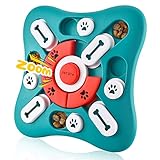
Overview: This interactive dog puzzle toy measures 10x10x1.3 inches and offers three different play modes to challenge pets of various intelligence levels. Designed as both a brain stimulation tool and slow feeder, it features a unique squeak button to capture attention and a 16-hole treat dispenser that can extend feeding time beyond 20 minutes. The toy combines circular and linear sliding games that require pets to manipulate sliders correctly to access hidden food rewards, making it a versatile option for mental enrichment.
What Makes It Stand Out: The standout feature is its triple design offering three different difficulty levels, allowing it to grow with your pet’s problem-solving abilities. The 16-hole treat dispenser is particularly impressive for maximizing slow feeding time, addressing the common issue of pets eating too quickly. The non-removable parts design eliminates a choking hazard present in many puzzle toys, while the anti-slip base ensures the toy stays in place during enthusiastic play sessions, creating a more stable and enjoyable experience for both pet and owner.
Value for Money: Priced at $13.99, this puzzle toy delivers exceptional value by offering multiple difficulty levels in a single product. Its durable construction suggests longevity, potentially saving money compared to purchasing multiple toys for different skill levels. The combination of mental stimulation, slow feeding benefits, and entertainment makes it a cost-effective solution for pet enrichment. Dishwasher-safe cleaning adds further value by making maintenance effortless for busy pet owners.
👍 Pros
- The three difficulty levels accommodating various skill levels
- The 20+ minute slow feeding capability
- Non-removable parts for safety
- And anti-slip base for stability. The toy is also dishwasher-safe for easy cleaning. However
👎 Cons
- Might include that some highly intelligent dogs may master all three difficulty levels quickly
- And the squeaker might be too quiet for easily distracted pets. Additionally
- While the anti-slip pads help on most surfaces
- They may not be sufficient on extremely smooth floors
Bottom Line: This dog puzzle toy offers an excellent balance of mental stimulation, slow feeding benefits, and durability at an affordable price point. Its multiple difficulty levels make it suitable for both beginners and experienced puzzle solvers among pets, providing long-term engagement as your pet’s skills develop. The thoughtful design features like non-removable parts and anti-slip base address common pet toy pain points, making it a practical choice for most pet owners. If you’re looking for a versatile, safe, and engaging puzzle toy that grows with your pet’s abilities, this product represents solid value.
3. BoYoYo Interactive Dog Puzzle Toys for Boredom, Dogs Enrichment Toy to Keep Them Busy, Treat Dispensing Slow Feeder

Overview: The BoYoYo Interactive Dog Puzzle Toy is a treat-dispensing enrichment device made from ABS, nylon, and rubber materials designed to challenge dogs while slowing their eating pace. Featuring two adjustable switches that control food distribution and a special spiral structure to increase challenge level, it encourages pets to learn the process of rolling the toy to release treats. This multi-functional device serves as a puzzle, treat dispenser, and slow feeder, making it a versatile tool for addressing boredom and anxiety while promoting healthier eating habits.
What Makes It Stand Out: What distinguishes this puzzle toy is its innovative food adjustment distribution system with two customizable switches that allow owners to precisely control the difficulty level and feeding duration. The rubber construction reduces noise during play, making it more suitable for indoor use than hard plastic alternatives. Its spiral structure adds an additional challenge dimension not found in simpler rolling toys, and the design specifically targets both mental stimulation and behavioral improvement by redirecting potentially destructive energy into positive problem-solving activities.
Value for Money: Priced at just $12.99, this puzzle toy offers exceptional value with its multi-functional design addressing multiple needs: mental stimulation, slow feeding, anxiety relief, and behavior redirection. The durable materials suggest longevity for supervised play, potentially reducing replacement frequency. The adjustability extends its useful life as dogs advance in skill level, offering more long-term value than fixed-difficulty puzzles. When compared to purchasing separate products for these functions, this integrated approach delivers significant cost savings.
👍 Pros
- The adjustable difficulty levels
- Quiet rubber construction
- Multi-functionality
- And materials designed to resist pet damage. The toy also promotes slower eating habits for better digestion. However
👎 Cons
- Include that it’s not suitable for aggressive chewers
- The adjustability mechanism might be complex for some owners
- And very small treats might fall out too easily for certain difficulty settings. Additionally
- While quieter than some alternatives
- It may still produce noise on hard floors
Bottom Line: The BoYoYo Interactive Puzzle Toy represents outstanding value for pet owners seeking an affordable, multi-functional enrichment solution. Its adjustable difficulty levels make it suitable for dogs of various intelligence levels, while the quiet rubber construction allows for more convenient indoor use. By combining mental stimulation with slow feeding benefits, this toy addresses common behavioral issues while promoting healthier eating habits. While not designed for heavy chewers, its thoughtful design, durability, and versatility make it an excellent choice for addressing boredom and providing necessary mental exercise at an accessible price point.
4. PetDroid Interactive Dog Toys Dog Ball,[2025 Newly Upgraded] Durable Motion Activated Automatic Rolling Ball Toys for/Small/Medium/Large Dogs,USB Rechargeable (Orange)
![PetDroid Interactive Dog Toys Dog Ball,[2025 Newly Upgraded] Durable Motion Activated Automatic Rolling Ball Toys for/Small/Medium/Large Dogs,USB Rechargeable (Orange)](https://m.media-amazon.com/images/I/41noLQzf0wL._SL160_.jpg)
Overview: The PetDroid Interactive Dog Ball is a motion-activated, automatic rolling toy designed to entertain dogs when their owners are unavailable to play. Featuring two modes—an irregular rolling mode for hard floors and a crazy bouncing mode with optional tennis cover for carpets or outdoor use—the toy operates for 1-2 minutes per activation cycle. Equipped with a built-in motion sensor, colorful flashing lights, and USB rechargeable battery, this toy provides autonomous entertainment while stimulating your dog’s natural chasing instincts.
What Makes It Stand Out: The standout feature is its dual-mode operation system allowing adaptation to different environments and play styles. The motion-activated functionality means the toy responds to your dog’s interactions, creating a dynamic play experience that static toys cannot match. The multi-color flashing lights add visual stimulation, while the USB rechargeable feature offers convenience compared to battery-operated alternatives. The tennis cover accessory extends versatility, transforming the toy for different surfaces and chew-resistant needs.
Value for Money: At $20.90, this interactive ball represents a moderate investment in pet entertainment. While pricier than simple puzzle toys, its autonomous operation provides valuable independence for busy owners. The rechargeable battery eliminates ongoing costs associated with disposable batteries, and the durable materials suggest longevity for supervised play. When considering the cost of alternative solutions like dog walkers or daycare for mental stimulation, this purchase offers substantial long-term value despite the higher initial price point.
👍 Pros
- The two operational modes adapting to different environments
- Motion-activated response
- Visual stimulation through flashing lights
- USB rechargeability (1.5 hours charge for 4 hours use)
- And durable materials. However
👎 Cons
- Include that it’s not suitable for aggressive chewers
- The irregular rolling mode only works on hard floors without the cover
- And the short play cycles may require frequent re-engagement. Additionally
- Some reports suggest the motion sensor may become less responsive over time with heavy use
Bottom Line: The PetDroid Interactive Ball offers a compelling solution for pet owners seeking to provide autonomous entertainment for their dogs. While its higher price point requires consideration, its dual-mode operation and rechargeable feature provide versatility that justifies the cost for many owners. The motion-activated functionality and visual stimulation create engaging play experiences that tap into dogs’ natural chasing behaviors. Best suited for curious, non-destructive dogs, this toy can be particularly valuable for busy owners or dogs with separation anxiety. However, potential buyers should be aware of its limitations with aggressive chewers and shorter play cycles, making it a supplement rather than replacement for interactive play.
5. Outward Hound Hide A Squirrel Plush Dog Toy Puzzle, XL

Overview: The Outward Hound Hide A Squirrel Plush Dog Toy Puzzle combines a plush tree trunk with multiple squeaky squirrel toys that dogs extract through various openings. This 2-in-1 puzzle and squeaky toy design taps into dogs’ natural hunting instincts while providing mental stimulation. The plush texture is gentle on teeth and gums, making it appropriate for both puppies and adult dogs. The toy’s larger XL size is designed to accommodate medium to large breeds, offering a satisfying challenge without being overly difficult for most dogs to master.
What Makes It Stand Out: What distinguishes this puzzle toy is its clever integration of hiding compartments with multiple extraction points, creating a more dynamic challenge than flat puzzle boards. The plush construction offers tactile satisfaction while the squeaky squirrels provide auditory feedback, engaging multiple senses simultaneously. The hunting-and-seek mechanic taps into dogs’ natural instincts in a domestic setting, providing both mental and physical stimulation. Unlike many electronic alternatives, this toy requires no batteries, charging, or special maintenance, making it an eco-friendly option for pet enrichment.
Value for Money: Priced at $21.99, this puzzle toy sits at the higher end of plush puzzle toys but offers good value through its combination of mental stimulation and physical play. The replaceable squirrel component extends the toy’s lifespan—when individual squirrels wear out, they can be replaced rather than discarding the entire toy. This modular approach represents sustainable value over time compared to single-purpose toys. While not as complex as some electronic alternatives, its tactile nature and satisfying chewing experience may provide engagement that electronic toys cannot match for certain dogs.
👍 Pros
- Its intuitive design that taps into natural hunting behaviors
- Plush texture safe for teeth and gums
- Replaceable squirrel components for extended use
- And suitability for both puppies and adult dogs. The toy promotes mental stimulation while satisfying dogs’ need to chew and “prey.” However
👎 Cons
- Include that very determined chewers may destroy the toy quickly
- The squeakers might lose their effectiveness over time
- And some dogs may lose interest once they’ve mastered the extraction process. Additionally
- While designed for larger breeds
- Smaller dogs might struggle with the XL size
Bottom Line: The Outward Hound Hide A Squirrel Puzzle Toy offers an excellent balance of mental stimulation and tactile satisfaction for most dogs. Its clever design engages natural hunting behaviors while the plush construction provides a satisfying chewing experience. While it requires supervision and may not challenge highly intelligent dogs indefinitely, its replaceable components and intuitive operation make it accessible for most pets. At $21.99, it represents a worthwhile investment in pet enrichment, particularly for dogs that enjoy plush toys and hunting-style activities. Best suited for supervised play with moderate chewers, this toy provides a satisfying blend of mental challenge and physical enjoyment.
6. QDAN Premium Dog Toys Balls, Dog Soccer Ball with Straps, Dog Birthday Gifts, Herding Ball, Durable Balls for Small Medium Pet, Puppy Outdoor Toy, Pet Training Soccer Ball, World Cup Soccer (6 Inch)

Overview: The QDAN Premium Dog Toy Soccer Ball is a 6-inch interactive toy designed for small to medium dogs (20-40 lbs). Made from premium PU material that matches standard soccer ball construction, this herding ball combines durability with dog-friendly features for engaging outdoor play.
What Makes It Stand Out: The nylon tabs sewn into the seams create an erratic bounce that dogs love, while paw prints attract attention. Unlike similar toys, it includes both a pump and needle adapter. The longer strap allows owners to join the fun, making it truly interactive.
Value for Money: At $17.49, this toy represents solid value for its quality construction and multiple play possibilities. The included pump adds value over competitors who typically provide only the ball.
👍 Pros
- Water resistance for pool/beach use
- Premium PU material comparable to children’s toys
- And dual-purpose design for solo or interactive play. A
👎 Cons
- Is the size limitation
- As it’s unsuitable for dogs over 40 lbs or aggressive chewers
Bottom Line: An excellent choice for small to medium breed owners seeking a durable, interactive outdoor toy. The QDAN soccer ball provides good quality for its price and enhances the bond between dogs and owners through shared play.
7. Letsmeet Squeak Dog Toys for Stress Release & Boredom Relief, Dog Puzzle IQ Training, Snuffle Foraging Instinct Training – Suitable for Small, Medium & Large Dogs
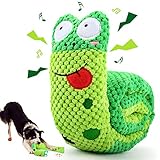
Overview: The Letsmeet Squeak Dog Toy is a versatile plush toy with three built-in squeakers that can transform between snail and stick shapes. Designed for dogs of all sizes, it functions both as a comfort toy and a puzzle feeder to relieve stress and boredom.
What Makes It Stand Out: Its dual-shape design keeps dogs engaged as owners switch configurations. Combining squeakers, textured materials, and hidden treat pockets provides multi-sensory stimulation that appeals to various canine behaviors and instincts.
Value for Money: At $13.99, this offers excellent value for a multifunctional toy. Its machine-washable feature and durable construction enhance its cost-effectiveness over time.
👍 Pros
- The shape-sh versatility
- Satisfying squeak
- And dental benefits during teething. A potential
👎 Cons
- Is durability concerns with very aggressive chewers
- Though supervision can mitigate this
Bottom Line: Highly recommended for dog owners seeking an affordable, versatile toy that combines comfort, play, and mental stimulation. Treat-dispensing features help redirect destructive behaviors while providing hours of engagement.
8. Barkwhiz Dog Puzzle Toy 3 Levels, Mental stimulating for Boredom and Smart Dogs, Treat Puzzle for All Breeds Dog

Overview: The Barkwhiz Dog Puzzle Toy is a three-level interactive treat dispenser designed mentally to stimulate dogs and slow down feeding. It features multiple challenges including flip games and sliding tracks requiring problem-solving to access treats.
What Makes It Stand Out: Four different ways to play with progressive difficulty levels that grow with your dog’s abilities. The 14-hole food storage system extends mealtime, aiding digestion while providing mental exercise for smarter breeds.
Value for Money: Priced at $17.99, this offers good value for its robust construction and multi-level design, especially considering potential digestive health benefits through slower eating habits.
👍 Pros
- Food-safe materials
- Six anti-slip pads during use
- And easy cleaning. A
👎 Cons
- Is the need for supervision
- Potentially being too complex for younger or less intelligent dogs
Bottom Line: An excellent choice for dog owners wanting to provide mental stimulation while managing pet eating habits. Progressive difficulty ensures long-term engagement, making it a worthwhile investment in your dog’s enrichment.
9. Cheerble Smart Interactive Dog Toy, Wicked Ball AIR, Automatic Moving, Bouncing, and Rotating, E-TPU Material, IPX7 Waterproof Rating, Active Rolling Ball for Medium and Large Dogs
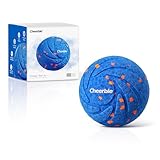
Overview: The Cheerble Smart Interactive Wicked Ball AIR is an automatic moving and bouncing toy designed for medium and large dogs (35+ lbs). Featuring a pet-safe E-TPU outer shell and three interactive modes, this rechargeable toy provides autonomous entertainment when owners are unavailable.
What Makes It Stand Out: Self-propelled movement, IPX7 waterproof rating, and replaceable shell design distinguish it from automatic toys. Normal, Passive, and Gentle modes allow customization based on your dog’s energy level and activity preferences.
Value for Money: At $35.99, this is premium-priced, but its durability, battery life (1-3.5 hours per charge), and replaceable parts provide long-term value for dogs requiring significant independent stimulation.
👍 Pros
- Chew-resistant material
- Convenient USB-C charging
- And unpredictable movement patterns that engage dogs’ natural instincts. A
👎 Cons
- Is the relatively short battery life compared to play duration needs
Bottom Line: Perfect for busy owners of medium to large active dogs who need reliable independent entertainment. Despite the higher cost, thoughtful design and durability make it worthwhile for dogs needing substantial mental and physical stimulation.
10. BSISUERM Dog Puzzle Toy Adjustable Treat Dispensing Ball Food Dispenser Tough Slow Feeder Puppy Enrichment Training Toy Pet Interactive Chase Toys for Small Medium Large Dogs to Keep Them Busy, Green

Overview: The BSISUERM Dog Puzzle Toy is an adjustable treat dispensing ball designed to keep dogs of all sizes mentally stimulated and active during meals or play. Its barbell-shaped design features spheres with adjustable openings to control treat release.
What Makes It Stand Out: Adjustable switches allow customization based on treat size and difficulty level, making it versatile across different breeds and ages. The design prompts both mental problem-solving and physical activity as dogs push and chase the toy.
Value for Money: At $9.99, this is an exceptionally affordable entry into puzzle toys, offering core functionality without significant financial commitment. Its versatility across multiple dog sizes enhances its value proposition.
👍 Pros
- Attention-grabbing bright color
- Adjustable difficulty levels
- And dual purpose as both slow feeder and enrichment toy. A
👎 Cons
- Is potentially flimsy construction for very powerful chewers
Bottom Line: An excellent budget-friendly option for dog owners curious about puzzle toys. Whether used for slowing down fast eaters or providing mental stimulation, this versatile toy offers good functionality at an unbeatable price point.
Understanding the Needs of Smart Dogs
What Makes a Dog “Smart”?
Intelligence in dogs can manifest in various ways, including quick learning ability, problem-solving skills, observational learning, and working intelligence. Breeds like Border Collies, Poodles, German Shepherds, and Golden Retrievers are often considered highly intelligent, but mixed breeds and individuals from any breed can exhibit remarkable cognitive abilities. Smart dogs typically show signs of curiosity, persistence in solving problems, and the ability to learn new commands quickly. Recognizing your dog’s specific type of intelligence is the first step in selecting appropriate toys that will challenge and engage them.
The Boredom Factor in Intelligent Canines
When smart dogs don’t receive adequate mental stimulation, they often create their own entertainment—which rarely aligns with human expectations. Destructive behavior, excessive barking, attempts to escape, and obsessive-compulsive behaviors can all result from insufficient mental exercise. The right toys provide an outlet for your dog’s intellectual energy, satisfying their natural curiosity and problem-solving instincts. Think of these toys as brain gyms that keep your dog’s mind sharp and engaged, ultimately leading to a happier, better-behaved companion.
The Science Behind Mental Stimulation
Cognitive Benefits of Puzzle Toys
Puzzle toys offer more than just entertainment—they provide tangible cognitive benefits that can improve your dog’s mental health and overall well-being. When dogs solve puzzles, they engage multiple parts of their brain, building neural pathways and improving cognitive function. Regular mental exercise has been shown to delay the onset of cognitive decline in aging dogs, similar to how brain activities help maintain human cognitive health. The challenge of figuring out how to access treats or complete tasks also releases dopamine in your dog’s brain, creating positive associations with problem-solving and boosting their confidence.
How Mental Exercise Reduces Behavioral Issues
Providing adequate mental stimulation through appropriate toys can significantly reduce many common behavioral issues. A mentally tired dog is a happy dog—focused on their next challenge rather than finding ways to amuse themselves. Chewing on appropriate toys rather than furniture, settling calmly after play sessions, and exhibiting less anxiety during alone time are all benefits of proper mental engagement. When smart dogs receive regular cognitive challenges, they’re less likely to develop compulsive behaviors or anxiety-related issues that often stem from boredom and under-stimulation.
Types of Toys for Intelligent Dogs
Interactive Puzzle Toys
Interactive puzzle toys require your direct participation, creating a bonding experience while challenging your dog mentally. These toys often involve hiding treats in compartments that your dog must figure out how to access with your guidance. The interactive nature keeps your dog engaged while strengthening the human-animal bond. Many designs incorporate varying difficulty levels, allowing you to adjust challenges as your dog’s skills develop. These toys are particularly effective for dogs that enjoy working alongside their humans and respond well to praise and encouragement during problem-solving.
Independent Puzzle Toys
For times when you can’t actively engage with your dog, independent puzzle toys offer mental stimulation without requiring your direct involvement. These toys are designed to hold your dog’s attention while you’re occupied elsewhere in the home. From treat-dispensing balls to snuffle mats and hidden-compartment puzzles, these toys challenge your dog to work independently to access rewards. The key is selecting toys appropriate for your dog’s skill level and monitoring their initial use to ensure they understand how to interact with the toy safely and effectively.
Treat-Dispensing Toys
Treat-dispensing toys tap into your dog’s natural foraging instincts, presenting the challenge of extracting rewards through various mechanisms. Some require rolling or paw manipulation, while others involve sliding components or lifting flaps. These toys not only provide mental stimulation but also slow down eating, which can benefit dogs that tend to gulp their food. When selecting treat-dispensing toys, consider the size of treat compartments and adjust accordingly—challenges that are too easy or too difficult won’t provide optimal mental engagement.
Selecting the Right Toys
Difficulty Levels and Progression
The best toys for smart dogs offer appropriate difficulty levels that can be adjusted as your dog’s skills develop. Consider toys with multiple difficulty settings or those that allow you to adjust complexity by changing treat types or adding/removing components. Starting with easier challenges and gradually increasing difficulty helps maintain your dog’s interest and prevents frustration. Remember that “smart” doesn’t mean easy—your dog needs a challenge that rewards persistence without causing discouragement.
Size and Appropriate Design
Toy size must match your dog’s physical characteristics to ensure safety and effectiveness. Toys that are too small pose choking risks, while those too large may be difficult or impossible for your dog to manipulate. Consider not only your dog’s breed but also their individual size, jaw strength, and mouth dimensions. Additionally, ensure that toy components can’t be easily chewed off and ingested, as this presents serious health hazards. For powerful chewers, even puzzle toys should be constructed from durable materials that withstand intense chewing.
Material Safety and Durability
When selecting toys for intelligent, often persistent dogs, material safety becomes paramount. Non-toxic materials that withstand heavy chewing are essential, as smart dogs often approach problems with determination that can quickly destroy lesser-quality toys. Food-grade silicone, hard plastics designed for chewing, and properly treated natural materials offer good starting points. Always inspect toys regularly for damage, replacing them immediately when components become loose or worn. Remember that no toy is completely indestructible, especially with power chewers.
Introducing and Using Puzzle Toys
Gradual Introduction to New Challenges
Introducing new puzzle toys should be a gradual process that builds confidence and understanding. Begin with easier challenges that your dog can quickly master, using high-value rewards to create positive associations. Demonstrate how the toy works if necessary, allowing your dog to observe before attempting to solve the puzzle independently. Keep initial sessions short to prevent frustration, gradually increasing playtime as your dog becomes more comfortable with the toy’s mechanisms. The goal is to create an enjoyable, rewarding experience that encourages persistence.
Supervision and Safety Considerations
Even with the safest toys, direct supervision during initial use is crucial. This allows you to observe how your dog interacts with the toy, ensuring they understand how to play without dangerous chewing of components. Remove any toy parts that become damaged or detached, and never leave your dog unsupervised with puzzle toys until you’re confident they can play safely. This is especially important with multi-component toys that may have small, detachable parts presenting choking hazards. Regular inspection of all toys should become part of your routine pet care.
Managing Playtime Sessions
For optimal benefits, aim for multiple short puzzle-solving sessions throughout the day rather than one extended session. This approach prevents both mental and physical fatigue while maintaining consistent mental stimulation. Observe your dog’s body language to determine when they’re becoming frustrated or losing interest—intervening before negative associations develop. Some dogs may become possessive of their challenging toys, so teaching a “drop it” or “leave it” command before introducing puzzle toys is advisable. Always end play sessions on a positive note, with successful puzzle solving and plenty of praise.
Enhancing the Puzzle Experience
Food Rewards vs. Praise
While many puzzle toys incorporate food rewards, the interaction between physical and reward-based stimulation creates the most engaging experience. Experiment with different types of rewards—kibble, small treats, or favorite foods—to determine what motivates your dog most effectively. However, don’t underestimate the power of praise and positive reinforcement as rewards for solving particularly challenging puzzles. Many intelligent dogs respond just as strongly to verbal encouragement and physical affection as they do to food rewards, creating a more balanced approach to mental stimulation.
Incorporating Training Elements
You can take puzzle play to the next level by incorporating basic training principles. Teaching your specific cues like “find it” or “work it” helps your dog understand how to approach puzzle toys. You can also practice obedience commands between puzzle-solving steps, creating a balanced routine that combines mental challenges with reinforcing training fundamentals. This approach not only engages your dog’s intelligence but also strengthens their understanding of commands and expectations within a fun, game-like context.
Creating a Toy Rotation System
Maintaining interest in puzzle toys requires strategic rotation. Keeping too many toys available at once diminishes their novelty and challenge. Instead, create a system where you rotate through 3-4 puzzle toys weekly, reintroducing previously enjoyed toys after a break. This approach maintains fresh challenges while preventing your dog from becoming bored with any single toy. Keep track of which toys engage your dog most effectively, noting their preferences for future selections. Remember that variety in toy types—some requiring problem-solving, others encouraging foraging behavior—creates a more comprehensive mental exercise regimen.
DIY Puzzle Solutions
Household Items as Puzzles
Many household items can be repurposed into effective puzzle toys, offering budget-friendly options for mental stimulation. Empty cardboard tubes, muffin tins with tennis balls, or towels with treats rolled inside provide immediate challenges that tap into your dog’s natural problem-solving instincts. The key is ensuring these makeshift toys are used only under direct supervision and that all materials are completely non-toxic and safe for mouthing. While commercial puzzle toys offer sophisticated designs, everyday items can provide valuable mental engagement when resources are limited.
homemade Treat Puzzles
Creating homemade treat puzzles taps into your creativity while customizing challenges to your dog’s specific abilities. Frozen broth in yogurt cups, muffin tins with treats under tennis balls, or snuffle mats made from fleece strips offer engaging challenges that can be adjusted based on difficulty. When making your own puzzles, always prioritize safety—using only food-safe materials and ensuring components can’t be chewed off and swallowed. Homemade options also allow you to incorporate your dog’s favorite foods and flavors, increasing their motivation to solve the puzzle.
Incorporating Scent Work Elements
For dogs with particularly strong scenting abilities, incorporating scent work into puzzle play creates an additional layer of challenge. Hiding toys or treats around a room and encouraging your dog to “find it” taps into their natural foraging instincts. You can start with stronger-scented treats and gradually transition to less aromatic options as your dog’s skills develop. Scent-based puzzles offer mental stimulation that exercises different parts of your dog’s brain compared to purely visual or tactile challenges, providing well-rounded cognitive development.
Long-Term Benefits and Considerations
Cognitive Health Across the Lifespan
Regular mental stimulation through appropriate puzzle toys offers benefits throughout your dog’s life, from puppyhood through their senior years. For puppies, puzzle toys help develop problem-solving skills and provide appropriate chewing outlets. In adult dogs, they prevent boredom and associated behavioral issues. For seniors, cognitive exercises can help delay the effects of cognitive decline, keeping their minds sharp and engaged. The key is adapting puzzle complexity to match your dog’s changing abilities and physical limitations as they age.
Building Independence and Confidence
The process of solving puzzles independently builds more than just cognitive skills—it fosters confidence and self-reliance in your dog. Successfully navigating challenges creates positive reinforcement loops that encourage persistence and problem-solving abilities. This confidence extends beyond playtime, often improving how your dog approaches new situations and experiences. For anxious or insecure dogs, puzzle toys that start simple and progressively increase difficulty can be particularly valuable in building their confidence in a controlled, rewarding environment.
When to Seek Professional Advice
While most dogs benefit from puzzle toys, certain situations warrant professional guidance. If your dog shows extreme frustration, fear, or aggression when presented with puzzle challenges, a certified animal behaviorist can provide strategies for positive introduction. Dogs with existing compulsive behaviors or anxiety disorders may require specialized approaches to puzzle play. Additionally, veterinarians can offer recommendations based on your dog’s specific health conditions or physical limitations. Professional input ensures that mental stimulation remains beneficial rather than counterproductive.
Environmental Enrichment Beyond Toys
Creating a Stimulating Environment
While puzzle toys provide valuable mental challenges, a genuinely stimulating environment incorporates multiple forms of enrichment. Consider how indoor spaces can be arranged to encourage natural behaviors like climbing, exploring, and perching. Windows at appropriate heights allow for safe bird and squirrel watching, while strategically placed resting spots with different views provide environmental variety. The nostalgic concept of a “dog room” has evolved into thoughtfully designed spaces with multiple zones tailored to different activities, creating a holistic approach to your dog’s well-being.
Social Enrichment Opportunities
Mental stimulation isn’t limited to objects—social interaction provides complex cognitive challenges that engage dogs in unique ways. Playdates with well-matched canine friends offer constant problem-solving opportunities as dogs navigate social cues and communication. Training classes provide structure challenges while stimulating learning through observing other dogs. Even human interaction, when approached as a form of play rather than routine care, engages different cognitive pathways. The most effective enrichment programs balance these various elements to create comprehensive mental stimulation.
Outdoor Exploration and Foraging
Beyond backyard adventures, structured outdoor exploration offers rich mental engagement that toys can’t replicate. Sniff walks where dogs are allowed to follow their noses for extended periods provide complex olfactory challenges that engage significant portions of canine brains. Foraging in safe grassy areas encourages natural scavenging behaviors while providing novel sensory experiences. Even in urban environments, carefully supervised exploration of new environments creates cognitive challenges through exposure to novel sounds, sights, and smells that indoor environments simply cannot provide.
Frequently Asked Questions
How do I know if my dog is becoming bored with their puzzle toys?
Watch for signs like loss of interest during play sessions, difficulty completing challenges they previously mastered, or attempts to rush through puzzles without fully engaging their problem-solving abilities. Decreased interaction time and turning away from familiar toys also suggest boredom. To combat this, implement a regular rotation system and gradually introduce increasingly complex challenges to maintain engagement.
Can puzzle toys help with destructive chewing behaviors?
Absolutely! When destructive chewing stems from boredom or under-stimulation, puzzle toys provide appropriate outlets for mental energy that might otherwise be directed at furniture or belongings. The key is selecting durable toys designed for your dog’s chewing strength and supervising initial use. However, if chewing persists despite adequate mental stimulation, consult your veterinarian to rule out medical issues like pica or dental problems.
Are certain dog breeds better suited for puzzle toys?
While some breeds are known for their intelligence, dogs of all breeds and mixes can benefit from puzzle toys. However, working breeds, herding dogs, and sporting breeds typically excel at puzzle-solving due to their breeding history of specific tasks. The most important factor isn’t breed but rather your individual dog’s personality, learning style, and problem-solving preferences. Observe how your dog approaches new challenges to select toys that match their abilities.
How much time should my dog spend with puzzle toys daily?
For most dogs, two to three 10-15 minute puzzle-solving sessions daily provide adequate mental stimulation without causing frustration. The ideal duration depends on your dog’s age, energy level, and attention span. Puppies and seniors may benefit from shorter sessions, while highly active adult dogs might engage longer. Always end sessions before your dog shows signs of fatigue or frustration to maintain positive associations with problem-solving.
What’s the difference between food puzzles and mental stimulation toys?
Food puzzles primarily focus on slowing eating and providing foraging opportunities through food acquisition, while mental stimulation toys emphasize problem-solving skills regardless of food rewards. Some toys serve both purposes, offering food rewards as motivation while engaging cognitive functions. The distinction often lies in the primary goal—for weight management versus cognitive challenge—but both types provide valuable enrichment for intelligent dogs.
How can I tell if a puzzle toy is too difficult for my dog?
Watch for signs of excessive frustration like pawing at the toy frantically, looking to you for help immediately, walking away after minimal effort, or even lying down near the toy but disengaging completely. A properly challenging toy should hold interest for 5-10 minutes before your dog either solves it or loses engagement. If your dog gives up quickly, the puzzle may be too difficult; if they solve it instantly, it’s likely too easy for their abilities.
Can puzzle toys replace daily exercise for smart dogs?
No, puzzle toys are complementary to—not a replacement for—daily physical exercise. While they provide essential mental stimulation, smart dogs also require appropriate outlets for their physical energy and natural behaviors. A comprehensive care plan should include both daily physical activity tailored to your dog’s needs and mental challenges through puzzle toys, training, and environmental enrichment. Neglecting exercise while focusing only on mental stimulation can lead to frustration and behavioral issues.
Are there any safety concerns I should be aware of with puzzle toys?
Yes, several safety considerations exist. Always choose appropriately sized toys that can’t be swallowed. Ensure all materials are non-toxic and durable enough to withstand your dog’s chewing strength. Never leave your dog unsupervised with new or complex puzzle toys until you’re confident they can play safely. Regularly inspect toys for damage, and immediately remove or replace any with broken components, loose parts, or excessive wear. Additionally, monitor treat sizes to prevent choking hazards.
Will my dog outgrow their need for puzzle toys as they age?
While the specific toys and challenges will change, dogs generally benefit from mental stimulation throughout their lives. Seniors may need simpler designs with larger components easier on aging eyes and arthritis, but cognitive exercises remain valuable for delaying mental decline. As physical abilities decrease, mental engagement becomes increasingly important for maintaining overall health and happiness. Adjust puzzle complexity and types to match your aging dog’s changing abilities and preferences.
How can I incorporate puzzle toys into my dog’s training routine?
Puzzle toys can enhance training by creating positive associations with problem-solving and patience. Use them as rewards for mastered commands or as distractions during impulse control exercises. You can also develop a training routine that incorporates both physical commands and puzzle-solving challenges in alternating sessions. For advanced training, use puzzle toys with specific rewards to reinforce new behaviors. This approach not only engages your dog’s intelligence but also reinforces the connection between obedience and positive outcomes.