Is your furry friend a genius in disguise? If you’ve ever been amazed by your dog’s problem-solving abilities or noticed their keen intelligence during playtime, you know mental stimulation is just as crucial as physical exercise for their well-being. Dog food puzzle toys offer an engaging way to challenge your pup’s mind, prevent boredom-related behaviors, and turn mealtime into an exciting adventure. These innovative tools not only provide entertainment but also tap into your dog’s natural instincts to forage and work for their food, creating a happier, healthier companion.
In our increasingly busy world, it’s easy to overlook the mental needs of our canine companions. Dogs are inherently intelligent animals that thrive on challenges and engagement. Without proper mental stimulation, even the most well-exercised dogs can develop destructive behaviors, anxiety, or depression. Food puzzle toys bridge this gap by simulating the natural hunt for food that domesticated dogs have evolved away from, providing essential mental exercise that keeps their minds sharp and their spirits high.
Top 10 Dog Food Puzzle Toys
Detailed Product Reviews
1. DR CATCH Dog Puzzle,Dogs Food Toys for IQ Training & Mental Enrichment,Dog Treat Puzzle(Blue)
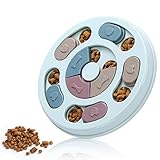
Overview: The DR CATCH Dog Puzzle is an interactive feeding toy designed to provide mental stimulation and slow down eating for small dogs, puppies, and cats. This blue plastic puzzle features sliding parts that pets must manipulate with their paws or noses to access hidden treats, making mealtimes more engaging while promoting healthier digestion.
What Makes It Stand Out: Its compact 1.14-inch height makes it easy to place anywhere, and the sliding design specifically targets a dog’s natural foraging instincts. The simplicity of the puzzle concept makes it ideal for beginners, yet effective enough to provide meaningful mental exercise.
Value for Money: At $9.99, this puzzle offers an affordable entry point into interactive feeding toys. Its basic design keeps production costs low while still delivering core benefits of mental stimulation and slower eating habits.
👎 Cons
- Its simplicity may not challenge more intelligent dogs for long
- And the warning about it not being indestructible suggests it may not withstand enthusiastic chewers
Bottom Line: The DR CATCH Dog Puzzle is an excellent choice for pet owners seeking an affordable, straightforward solution to slow feeding and provide basic mental enrichment for small dogs, puppies, or cats. Just supervise play and expect to replace it if your pet is particularly destructive.
2. Dog Puzzle Toys – Interactive, Mentally Stimulating Toys for IQ Training & Brain Stimulation – Gift for Puppies, Cats, Dogs
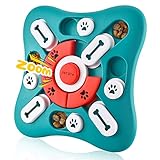
Overview: This Dog Puzzle Toy offers a multifaceted approach to mental stimulation, featuring a 10-inch square design with multiple interactive elements. The blue puzzle combines circular and linear sliding tracks that challenge pets to use problem-solving skills to access hidden treats.
What Makes It Stand Out: What distinguishes this puzzle is its three difficulty levels and innovative squeak button in the center that immediately captures pet attention. The 16-hole treat dispenser system can extend feeding time beyond 20 minutes, making it one of the more engaging slow feeders on the market.
Value for Money: Priced at $13.99, it’s moderately priced for the features offered. The combination of mental stimulation, extended feeding time, and durable construction justifies the cost for owners serious about their pets’ cognitive development.
👎 Cons
- Some dogs may quickly master the sliding mechanism
- And the squeaker could potentially become annoying to some owners
Bottom Line: This puzzle toy represents excellent value for pet owners looking to challenge their dogs’ minds while moderating their eating speed. The combination of multiple play styles and durability makes it suitable for both puppies and adult dogs of various intelligence levels.
3. Outward Hound by Nina Ottosson Dog Brick Treat Puzzle Enrichment Toy, Level 2 Intermediate Game, Blue

Overview: The Outward Hound Nina Ottosson Dog Brick is a Level 2 intermediate puzzle that dogs solve by picking up bones, flipping open lids, and moving sliders to reveal hidden treats. This blue interactive toy effectively transforms mealtime into a challenging game that engages your dog’s natural problem-solving abilities.
What Makes It Stand Out: Developed by renowned animal behaviorist Nina Ottosson, this puzzle offers a perfect balance of challenge and accessibility, making it suitable for dogs with some puzzle experience. Its scientifically-backed design ensures 15 minutes of mental stimulation provides equivalent exercise to 30 minutes of physical activity.
Value for Money: At $10.95, this puzzle offers professional-grade mental enrichment at an accessible price point. The quality construction and thoughtful design justify the investment in your dog’s cognitive health and behavioral well-being.
Strengths and Weaknesses: The versatility of play options keeps dogs engaged long-term, while the capacity to hold 3/4 cup of food makes it suitable for mealtime use. Its primary limitation is that some highly intelligent dogs may master it quickly, requiring additional challenges to maintain interest.
Bottom Line: The Outward Hound Dog Brick represents an excellent choice for owners seeking to provide mental enrichment for their pets. Its quality construction, scientific backing, and moderate challenge level make it a valuable tool in combating boredom and related behavioral issues in dogs of various breeds and ages.
4. Potaroma Dog Puzzle Toy 2 Levels, Slow Feeder, Pup Food Treat Feeding Dispenser for IQ Training and Entertainment for All Breeds 4.2 Inch Height
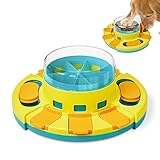
Overview: The Potaroma Dog Puzzle Toy 2 Levels offers progressive mental stimulation with its innovative dual-level design. Standing 4.2 inches tall, this puzzle allows owners to start their dogs at level 1 (simple nudging of lids) and advance to level 2 (teaching dogs to press covers to release treats downward) as skills develop.
What Makes It Stand Out: The most distinctive feature is the translucent top compartment that holds a large quantity of food, reducing the need for frequent refills. The puzzle’s ability to slow eating speed by over 10x is exceptional among similar products, making it particularly valuable for fast eaters.
Value for Money: At $31.23, this is a premium-priced puzzle toy. However, the combination of two difficulty levels, substantial food capacity, superior stability features, and durable construction justifies the investment for pet owners committed to their dogs’ mental enrichment and healthy eating habits.
Strengths and Weaknesses: The non-slip rubber mats and weighted base provide exceptional stability, while the food-grade PP materials ensure safety. Its main drawback is the higher price point and the fact that some small dogs might struggle with the level 2 challenges due to the physical strength required.
Bottom Line: The Potaroma Dog Puzzle Toy represents a premium option for pet owners who want a long-term solution for mental stimulation and slow feeding. Its progressive difficulty levels and exceptional stability make it particularly well-suited for larger dogs or multiple-dog households where durability is essential.
5. HIPPIH Dog Puzzle Toy 2 Pack, Interactive Dog Toys for Treat Dispensing, Durable Puppy Toys for Teething, Dog Treat Ball for Teeth/Slow Feeder/IQ Training/Playing, Blue-2.75‘’, Green-3.14‘’

Overview: The HIPPIH Dog Puzzle Toy 2 Pack includes two differently sized rubber balls (2.75-inch blue and 3.14-inch green) designed for treat dispensing and teething relief. Made of extra-tough rubber, these toys serve multiple purposes: mental stimulation, dental health, and interactive play between pets and their owners.
What Makes It Stand Out: Unlike flat puzzle boards, these spherical toys provide dynamic interaction as dogs chase and manipulate them. The dual-size design allows owners to choose appropriately sized toys based on their dog’s mouth size, while the rubber construction doubles as a teething aid for puppies.
Value for Money: At $9.99 for a two-pack, these toys offer exceptional value. The multi-functionality (teething aid, treat dispenser, fetch toy) combined with the durable rubber construction makes this one of the most cost-effective enrichment options available.
👎 Cons
- They are not suitable for very small breeds
- And the treat-dispensing mechanism is relatively simple compared to more complex puzzle toys
Bottom Line: The HIPPIH Dog Puzzle Toy 2 Pack is an outstanding value for owners of medium to large active dogs. Its versatility as both a mental stimulation tool and physical exercise aid, combined with its dental benefits, makes it an excellent addition to any dog’s toy collection, especially for owners on a budget.
6. BoYoYo Interactive Dog Puzzle Toys for Boredom, Dogs Enrichment Toy to Keep Them Busy, Treat Dispensing Slow Feeder

Overview: The BoYoYo Interactive Dog Puzzle Toy is a treat dispenser designed to keep dogs mentally stimulated while promoting slower eating habits. Made from durable ABS, nylon, and rubber materials, this toy rolls around to dispense treats as your dog plays with it.
What Makes It Stand Out: This puzzle features two adjustable switches that allow you to control treat distribution, making it more or less challenging. The special spiral structure adds complexity to treat retrieval, while the rubber coating reduces noise during play.
Value for Money: At $12.99, this toy offers excellent value considering its adjustable complexity and safe construction. It provides both mental stimulation and slow feeding benefits in one interactive design.
👎 Cons
- It’s not designed for aggressive chewers
- Requires supervision during use
Bottom Line: The BoYoYo puzzle toy is an excellent choice for owners looking to provide mental enrichment and slow feeding. While not suitable for heavy chewers, it offers adjustable challenges and safe materials that make it worth the investment.
7. BSISUERM Dog Food Puzzle Toy Adjustable Treat Dispensing Food Dispenser Slow Feeder Bowls Puppy Enrichment Toy Ball Dog Interactive Chase Training Toys for Small Medium Large Dogs

Overview: The BSISUERM Dog Food Puzzle Toy is an interactive treat dispenser shaped like a barbell. This toy dispenses food as dogs push it around, combining physical activity with mental stimulation for a comprehensive enrichment experience.
What Makes It Stand Out: Its barbell design with bright colors immediately captures your dog’s attention, while dual adjustable switches allow customized treat release. As the toy moves, food dispenses from holes on both sides, encouraging prolonged play and engagement.
Value for Money: At just $9.99, this puzzle offers exceptional value with multiple adjustment settings and a design suitable for small, medium, and large breeds. It’s one of the most affordable interactive toys on the market.
👎 Cons
- It’s not suitable as a chew toy
- Requires supervision to prevent accidental destruction
Bottom Line: For pet owners on a budget seeking mental stimulation for their dogs, the BSISUERM puzzle toy delivers impressive functionality at an unbeatable price point, though it’s best used as a supervised interactive toy rather than an unattended chew option.
8. FOXMM Interactive Dog Treat Puzzle Toys for IQ Training & Mental Stimulating,Fun Slow Feeder,Large Medium Small Dogs Enrichment Toys with Squeak Design

Overview: The FOXMM Interactive Dog Treat Puzzle Toy is a flat, slider-based puzzle designed for IQ training and mental stimulation in dogs and cats. Measuring 10x10x1.2 inches, it features a central squeaker to capture pets’ attention while they solve the puzzle to access treats.
What Makes It Stand Out: Unlike round ball puzzles, this toy uses sequential sliding challenges that encourage pets to learn specific steps. The integrated squeaker adds auditory stimulation, and its food-grade PP material is dishwasher-safe for easy cleaning.
Value for Money: At $13.99, this puzzle offers a different engagement approach compared to treat-dispensing balls, providing variety in your pet’s enrichment activities. The durable, easy-to-clean construction justifies the moderate price point.
👎 Cons
- Like all toys
- It’s not indestructible and requires supervision to prevent damage or ingestion of small parts
Bottom Line: The FOXMM puzzle toy offers a refreshing alternative to traditional treat dispensers, engaging pets’ problem-solving skills while the squeaker adds interactive fun. While not designed for heavy chewers, it’s an excellent addition to a pet’s enrichment routine.
9. Barkwhiz Dog Puzzle Toy 3 Levels, Mental stimulating for Boredom and Smart Dogs, Treat Puzzle for All Breeds Dog

Overview: The Barkwhiz Dog Puzzle Toy features three difficulty levels with four different challenges, including flip games and sliding tracks. This comprehensive puzzle system is designed to keep dogs engaged and mentally stimulated while slowing down their eating habits.
What Makes It Stand Out: With multiple ways to play and adjustable difficulty, this toy grows with your dog’s abilities. The 14-hole food storage system extends feeding time, while six silicone anti-slip pads keep the toy stationary during use.
Value for Money: Priced at $17.99, this is the most expensive option reviewed, but its multi-level design and durable construction offer longevity that many cheaper puzzles can’t match. It’s an investment in your pet’s long-term mental enrichment.
👎 Cons
- The higher price point might be a deterrent for some owners
- And it still requires supervision during play
Bottom Line: The Barkwhiz puzzle toy justifies its premium price point with exceptional versatility and durability. It’s particularly well-suited for highly intelligent dogs or those who quickly master simpler puzzles, offering a challenging and engaging experience that grows with your pet’s abilities.
10. Dog Snuffle Ball-Interactive Puzzle Dog Toys Encourage Natural Foraging Skills Slow Feeder for Training and Stress Relief, Cloth Strip Hiding Food Chew Toys with Squeaky Carrot Toy for Any Size

Overview: The Dog Snuffle Ball is a unique cloth-based puzzle toy designed to encourage natural foraging behaviors in dogs and other pets. Featuring thickened fabric strips and an included squeaky carrot toy, it stimulates pets’ sense of smell while providing entertainment.
What Makes It Stand Out: Unlike hard plastic puzzles, this toy uses fabric strips to hide treats, appealing to pets’ natural sniffing instincts. The innovative design combines the snuffle ball with a squeaky toy for multi-sensory engagement, making it suitable for indoor play in any weather.
Value for Money: At $13.99, it offers a different type of engagement than traditional puzzle toys, focusing on natural behaviors. The machine-washable fabric and combination toys provide additional value beyond a single-purpose puzzle.
👎 Cons
- The cloth material may not hold up to aggressive chewers
- And supervision is still recommended
Bottom Line: The Dog Snuffle Ball is an excellent addition to a pet’s toy collection, especially useful for encouraging slower eating and natural behaviors. While not as durable as hard plastic puzzles for heavy chewers, its unique approach to mental stimulation makes it worth considering for most pet owners.
What Are Dog Food Puzzle Toys
The Concept Behind Interactive Feeding
Dog food puzzle toys are specially designed contraptions that make your dog work to access their food or treats. These toys come in various shapes, sizes, and complexities, but all share the common goal of engaging your dog’s problem-solving abilities. By making your dog think and manipulate the toy to access the reward, puzzle toys transform ordinary mealtime into a mentally stimulating activity that taps into their natural instincts.
Evolution of Puzzle Toys in Canine Care
The concept of puzzle toys for dogs has evolved significantly over the past decade. What began as simple treat-dispensing balls has blossomed into a diverse market of sophisticated problem-solving tools. Early versions mimicked basic food-hunting scenarios, while modern puzzle toys often incorporate multiple difficulty levels, various textures, and even interactive technology to create a comprehensive mental workout for your canine companion.
The Science Behind Mental Stimulation for Dogs
Research consistently demonstrates that mental stimulation is as vital for dogs as physical exercise. When dogs engage in problem-solving activities, their brains release dopamine, a neurotransmitter associated with pleasure and reward. This neurological response not only makes the activity enjoyable but also reinforces learning and cognitive development. Regular mental exercise through puzzle toys can improve memory, enhance problem-solving skills, and even slow cognitive decline in aging dogs.
Types of Puzzle Puzzle Toys
Treat-Dispensing Toys
Treat-dispensing toys are among the most popular and accessible options for dog owners. These typically consist of a hard outer shell with an opening through which treats or kibble can be inserted. Your dog must then manipulate the toy—by rolling, bouncing, or chewing—to release the food inside. These toys range in complexity from simple balls that release food with minimal effort to more intricate designs requiring specific actions to access rewards.
Puzzle Boards and Placemats
Puzzle boards and placemats feature multiple compartments or sliding parts that your dog must manipulate to uncover hidden food. These toys often require more strategic thinking than simple treat dispensers, as your dog must learn to move specific pieces in the correct sequence or direction. Advanced puzzle boards may include drawers, flaps, and rotating discs, creating a multi-layered challenge that keeps even the brightest dogs engaged.
Hide-and-Seek Toys
Hide-and-seek toys capitalize on your dog’s natural foraging instincts. These toys typically involve hiding smaller compartments or containers within a larger structure. Your dog must first identify and then open these hidden compartments to access the food. Some versions incorporate different latches, doors, and mechanisms, creating an increasingly complex puzzle that challenges your dog’s observational skills and persistence.
Snuffle Mats and Foraging Tools
Snuffle mats and foraging tools simulate the experience of sniffing out food in grass or under leaves. These consist of fabric strips or pockets where you can hide small treats or kibble. Your dog must use their powerful sense of smell to locate and extract the rewards. Snuffle mats are particularly beneficial for dogs that enjoy using their noses and provide a calming, meditative activity that can help reduce anxiety and stress.
Technology-Enhanced Interactive Toys
The latest innovation in dog puzzle toys incorporates technology to create interactive experiences. These smart toys often feature programmable difficulty levels, motion sensors, and connectivity to smartphone apps. Some can dispense food automatically based on your dog’s interactions, while others allow remote operation, enabling you to engage with your dog’s puzzle-solving session even when you’re away from home.
Selecting the Right Puzzle Toy for Your Dog
Assessing Your Dog’s Intelligence and Problem-Solving Skills
Not all dogs approach puzzles with the same level of skill or enthusiasm. Some breeds—like Border Collies, Poodles, and Terriers—may naturally excel at mental challenges, while others may need more encouragement. Start by observing how your dog approaches novel situations. Do they investigate new objects carefully or jump right in? Are they persistent when faced with obstacles, or do they give up easily? These insights will help you select a puzzle toy that matches your dog’s cognitive abilities and learning style.
Considering Your Dog’s Size and Breed
Physical characteristics play a significant role in puzzle toy selection. Small dogs require toys proportionate to their size, both for safety and usability. Brachycephalic breeds (like Bulldogs and Pugs) may struggle with certain designs that require extended chewing or deep snuffling. Conversely, large, powerful chewers need durable toys that can withstand their strength while still providing an appropriate challenge. Always ensure the toy’s dimensions and construction align with your dog’s physical capabilities.
Matching to Your Dog’s Personality
Your dog’s individual personality traits should guide your puzzle toy selection. High-energy dogs may benefit from puzzle toys that incorporate physical movement, while more laid-back dogs might prefer stationary activities they can engage with at their own pace. Dogs that are easily frustrated may succeed better with toys that offer immediate rewards, while patient, analytical dogs might thrive on more complex challenges. Tailoring the puzzle to your dog’s temperament ensures an enjoyable experience that builds confidence rather than causing distress.
Age-Appropriate Challenges
A dog’s life stage significantly impacts their puzzle-solving abilities and needs. Puppies typically benefit from simple, brightly-colored puzzles with easy-to-access rewards that teach the basic concept of “manipulate to obtain.” Adult dogs can handle more complex designs with multiple steps and varying difficulty levels. Even senior dogs can enjoy puzzle toys, though they may benefit from larger components, higher contrast colors for visibility, and easier-to-manipulate designs that accommodate potential physical limitations.
Important Features to Consider When Choosing a Puzzle Toy
Durability and Safety Materials
The durability of a puzzle toy directly impacts its safety and longevity. Dogs, especially vigorous chewers, can quickly destroy poorly constructed toys, creating choking hazards or intestinal blockages risks. Look for puzzle toys made from food-grade, non-toxic materials that can withstand your dog’s specific chewing style. BPA-free plastics, natural rubber, and untreated wood are generally safe options. Inspect toys regularly for wear and tear, and replace them immediately if they show signs of damage.
Difficulty Levels and Adjustable Challenges
The ideal puzzle toy should offer adjustable difficulty to grow with your dog’s abilities. Many modern puzzle toys feature multiple levels that can be modified as your dog becomes more proficient. This adaptability ensures continued mental stimulation and prevents your dog from becoming bored or frustrated. When selecting a puzzle toy, consider whether it allows you to increase complexity gradually, as sudden jumps in difficulty can discourage even the most determined problem-solvers.
Cleaning and Maintenance
Hygiene is paramount when selecting puzzle toys, as food particles can accumulate quickly, leading to bacterial growth. Consider how easily the toy can be disassembled and cleaned. Dishwasher-safe components are ideal for convenience, while toys with fewer crevices are generally easier to maintain manually. Some puzzle toys include specific cleaning instructions or specialized brushes designed to reach all areas where food might become trapped. Regular cleaning not only ensures your dog’s health but extends the toy’s lifespan by preventing material degradation caused by food oils and residue.
Size and Portability
Think about where and how your dog will interact with the puzzle toy. Home-based puzzles can be larger and more complex, while travel-friendly options benefit from compact designs, durability, and minimal parts that could get lost. Consider your living space—is your dog primarily indoors, or will the puzzle be used outdoors? Dogs in smaller apartments may benefit from vertically oriented or stackable puzzles that save floor space, while those with room to roam can enjoy larger, more elaborate designs that encourage movement during problem-solving.
Introducing Puzzle Toys to Your Dog
First Steps and Positive Reinforcement
When introducing a puzzle toy for the first time, approach the process with patience and positivity. Begin by making the challenge relatively easy—perhaps with just a few highly desirable treats visible—to spark your dog’s interest. Demonstrate how the toy works before allowing your dog to investigate. When your dog makes progress, offer enthusiastic praise and additional rewards. This positive reinforcement helps establish puzzle-solving as an enjoyable, worthwhile activity rather than a frustrating obstacle.
Common Challenges and Solutions
Some dogs may initially resist engaging with puzzle toys due to confusion or frustration. If your dog seems uninterested, try introducing the toy during a quiet time when they’re calm and receptive. You can make the toy more enticing by smearing peanut butter or other treats on accessible parts to encourage interaction. For dogs that become frustrated too quickly, simplify the challenge or temporarily remove obstacles to demonstrate the reward mechanism. Remember that overcoming initial hesitation is part of the learning process, and persistence will eventually pay off.
Gradual Progression to More Complex Puzzles
As your dog becomes comfortable with basic puzzle toys, you can gradually introduce more challenging designs. This progression should be methodical—don’t jump from simple treat balls to advanced multi-step puzzles. Instead, look for intermediate options that introduce slightly more complexity while still allowing your dog to experience success. Pay attention to your dog’s body language and enthusiasm levels, adjusting the difficulty accordingly. The goal is to maintain an optimal challenge level that engages your dog without causing excessive frustration or disinterest.
Maintaining Engagement and Preventing Frustration
Rotating Puzzle Toys for Continued Mental Stimulation
Just as dogs can grow bored with the same chew toys, they may lose interest in puzzle toys if used repeatedly without variation. Implement a rotation system where you introduce new puzzles gradually while temporarily setting others aside. This strategy keeps each toy novel and exciting when it reappears. Consider categorizing toys by difficulty or type and alternate between them to maintain a balanced mental workout. A proper rotation system can significantly extend the longevity of your puzzle toy collection and your dog’s engagement with them.
Incorporating Puzzle Toys into Daily Routine
Consistency is key when integrating puzzle toys into your dog’s life. Consider replacing one daily meal with a puzzle feeding session, or dedicate specific times of day for puzzle play. Morning puzzles can provide mental stimulation that complements physical exercise, while evening activities can help calm dogs before bedtime. For highly food-motivated dogs, using puzzle toys for regular meals serves the dual purpose of entertainment and portion control. By making puzzles a regular part of your dog’s schedule, you establish an expectation of engagement that becomes a welcome routine.
Signs Your Dog is Enjoying the Challenge
Recognizing indicators of enjoyment helps ensure your dog’s puzzle experiences remain positive. Watch for relaxed body language, focused attention, and persistence when engaged with the toy. A happy puzzle-solver may exhibit behaviors like soft tail wags, occasional pauses for celebration, and excited initiation of puzzle sessions. Conversely, signs of frustration include excessive barking, destructive attempts to access rewards quickly, and walking away from the toy. Paying attention to these signals allows you to adjust the difficulty or provide encouragement, maintaining an optimal balance between challenge and enjoyment.
DIY Puzzle Toy Ideas and Enrichment Activities
Safe Household Objects That Can Double as Puzzle Toys
Many common household items can be repurposed into effective puzzle toys with minimal effort. Cardboard boxes with strategically placed holes can become foraging challenges, while muffin tins with treats hidden under tennis balls offer a simple seek-and-find experience. Paper towel rolls stuffed with treats and folded closed create homemade puzzle feeders that satisfy natural shredding instincts. When using everyday objects, always ensure they’re safe for your specific dog and supervise playtime to prevent ingestion of inappropriate materials.
Food Scattering Techniques
Scattering kibble or treats on the floor is perhaps the simplest form of puzzle feeding, yet it engages a dog’s natural foraging instincts and nose work. Start by spreading food in a small area on an easy-to-clean surface, gradually increasing the complexity by spreading it more thinly or incorporating household obstacles. For added challenge, scatter food on grass or in a snuffle mat for increased olfactory stimulation. This technique is particularly beneficial for dogs that may be intimidated by formal puzzle toys, as it requires no learning curve beyond their natural behaviors.
Creating Homemade Puzzle Feeders
For those who enjoy DIY projects, creating custom puzzle feeders can be both economical and rewarding. Simple designs include freezing wet food in a mold with hidden toys suspended inside, or creating “feeder balls” by cutting holes in sturdy plastic containers and placing treats inside. More advanced crafters can construct wooden puzzle boxes with various opening mechanisms. When designing homemade puzzles, prioritize safety by ensuring all materials are non-toxic and appropriately sized for your dog. These personalized creations allow you to tailor the challenge precisely to your dog’s abilities and preferences.
Frequently Asked Questions
How long should my dog spend playing with puzzle toys each day?
Most dogs benefit from 15-30 minutes of puzzle play daily, though this can be divided into shorter sessions. The ideal duration depends on your dog’s age, energy level, and enthusiasm. For beginners, start with 5-10 minute sessions to build confidence, gradually increasing as your dog becomes more skilled. Always monitor your dog’s engagement levels and end sessions before they become frustrated or disinterested.
Are puzzle toys suitable for all dog breeds?
While puzzle toys can benefit most dogs, they should be appropriately matched to your dog’s breed characteristics, size, and individual abilities. Brachycephalic breeds may prefer simpler designs that don’t require heavy exertion, while high-energy working breeds may thrive on complex challenges. Always consider your dog’s physical limitations and select toys that accommodate them safely.
Can puppies use puzzle toys?
Yes, puzzle toys can be excellent for puppies when properly selected for their age and development stage. Puppy-appropriate puzzles should be simple, safe, and free of small removable parts. Look for brightly colored toys made from durable, non-toxic materials that can withstand teething. Introduce puzzles gradually to help puppies develop problem-solving skills and focus during their critical learning period.
What if my dog isn’t interested in their puzzle toy?
Some dogs may need encouragement to engage with puzzle toys initially. Try making the rewards more enticing by using particularly favorite treats, demonstrating how the toy works, or temporarily simplifying the challenge. You can also introduce the toy during interactive playtime or pair it with positive reinforcement when your dog shows interest. Remember that preferences can vary, and your dog might connect with certain puzzle types more than others.
How can I increase the difficulty of my dog’s puzzle toys if they become too easy?
Most quality puzzle toys offer ways to increase complexity, such as adjusting internal mechanisms, adding more steps, or incorporating additional components. When your dog masters a challenge, consider introducing variations like hiding treats in more difficult-to-access compartments, increasing the number of required actions, or combining multiple puzzle elements for a more comprehensive challenge.
Are electronic puzzle toys better than traditional ones?
The effectiveness of electronic versus traditional puzzle toys depends on your dog’s preferences and needs. Electronic toys can offer variable difficulty levels and remote operation but may lack the tactile engagement many dogs enjoy. Traditional puzzles provide hands-on interaction and often allow for more customization. Consider your dog’s learning style and your lifestyle when determining which type provides optimal mental stimulation and engagement.
Can puzzle toys help with anxiety or destructive behaviors?
For many dogs, puzzle toys can significantly reduce anxiety and destructive behaviors by providing appropriate outlets for mental energy and natural instincts. The focused engagement required by puzzles can have a calming effect similar to food therapy. However, severe anxiety or compulsive behaviors should be addressed through comprehensive behavior modification plans developed with a professional trainer or veterinary behaviorist.
How do I know which puzzle toy is right for my dog’s skill level?
Assess your dog’s performance on existing puzzles to determine their skill level. Dogs that quickly master simple challenges and persist through minor obstacles may be ready for more complex designs. Beginners benefit from toys with clear cause-and-effect relationships and minimal steps. Many manufacturers categorize puzzles by difficulty level, which can serve as a general guide, but remember that individual dogs may progress at different rates.
What maintenance do puzzle toys require?
Regular cleaning is essential for all puzzle toys to prevent bacterial growth from food residue. Follow manufacturer guidelines for cleaning—some toys are dishwasher safe while others require hand washing. Inspect toys regularly for wear or damage, particularly if your dog is a powerful chewer. Pay special attention to moving parts and ensure they function properly. Replace toys that show significant wear or have broken components, even if your dog still enjoys them.
Can I leave puzzle toys with my dog unsupervised?
Supervision recommendations vary based on the toy design and your dog’s chewing habits. While simpler, solid toys like treat balls can typically be left unsupervised for short periods, more complex designs with multiple parts often require supervision to prevent ingestion of small components. Always consider your dog’s history of destructiveness when making this decision, and err on the side of caution if you’re unsure.