Every dog owner knows that moment when you catch your furry friend with a favorite shoe, or worse, a piece of furniture in their mouth. While this frustrating behavior might seem destructive, it’s actually a natural instinct rooted in their evolutionary past. Chew toys serve as essential tools for keeping our canine companions happy, healthy, and out of trouble. In this comprehensive guide, we’ll explore everything you need to know about selecting the perfect chew toys for your dog, regardless of their chewing style, age, or specific needs. From understanding why dogs have this innate desire to chew to recognizing the key features that make a chew toy safe and effective, this resource will empower you to make informed decisions that benefit both you and your four-legged family member.
As dogs continue to hold significant places in our families rather than just backyards, the market for dog products has exploded with innovative options that go beyond basic rubber balls and ropes. Today’s chew toys come in various materials, shapes, and sizes, each designed to address different aspects of a dog’s well-being. Whether your dog is a teething puppy, a power chewer with jaws of steel, or a gentle nibbler who enjoys softer textures, understanding the fundamentals of chew toy selection will help you navigate this ever-expanding landscape with confidence. The world of dog chew toys has evolved dramatically, incorporating new innovations focused on durability, safety, and engagement.
Top 10 Dog Chew Toys
Detailed Product Reviews
1. Benebone Wishbone Durable Dog Chew Toy for Aggressive Chewers, Real Bacon, Made in USA, Medium

Overview: The Benebone Wishbone is a durable dog chew toy designed specifically for aggressive chewers. Made in the USA, this wishbone-shaped toy is enhanced with 100% real bacon flavoring to entice dogs and encourages healthy chewing behavior. Its curved design allows for easy gripping and intense chewing satisfaction.
What Makes It Stand Out: The standout feature of the Benebone Wishbone is its exceptional durability, surpassing real bones and lasting for weeks even with super chewers. The curved design is paw-friendly, allowing dogs to easily grip and chew. The use of authentic bacon flavor rather than artificial alternatives sets it apart from many competitors.
Value for Money: At $12.49, the Benebone Wishbone offers good value considering its durability and the quality of materials. For aggressive chewers who might destroy cheaper toys quickly, this represents a cost-effective long-term solution that ultimately saves money on frequent replacements.
👍 Pros
- Superior durability
- USA manufacturing
- Real flavoring
- And a 30-day happiness guarantee
👎 Cons
- Might include the limited color options (only one shape available)
- The potential for the flavor to diminish over time
- And the relatively higher price point compared to basic chew toys
Bottom Line: For dog owners with aggressive chewers seeking a durable, American-made product with irresistible flavor, the Benebone Wishbone is an excellent investment. It delivers on its promises of longevity and engagement, making it worth the price for pet owners tired of constantly replacing destroyed toys.
2. Frienhund Tough Dog Toys for Aggressive Chewers 3 Pack, Indestructible Dog Toy for Large Dogs, Bacon Flavored, Keeps Dogs Busy

Overview: The Frienhund Tough Dog Toys package offers three bone-shaped chew toys designed specifically for aggressive chewers and large dogs. Each toy is crafted with sturdy nylon and infused with real bacon flavor to engage and entertain pets. The product encourages interactive play through treat application.
What Makes It Stand Out: The primary differentiator of this product is the value proposition—three toys for $16.99, effectively providing multiple replacements at an affordable price point. The toys are specifically designed to interact with treat application, encouraging positive chewing habits and mental stimulation beyond simple chewing.
Value for Money: This 3-pack offers excellent value at $5.66 per toy. The bulk pricing makes it substantially more economical than purchasing similar durable toys individually. For dog owners with particularly aggressive chewers who might go through toys quickly, this represents significant savings.
👍 Pros
- The multi-pack value
- Durable nylon construction
- Bacon flavoring
- And the innovative treat application feature designed to promote healthy chewing
👎 Cons
- Include the recommendation of 10-minute chewing sessions only
- The limitation to larger dogs
- And the potential for power chewers to eventually damage these toys
Bottom Line: The Frienhund 3-pack represents outstanding value for owners of large, aggressive chewers who need a cost-effective supply of durable toys. The bacon flavoring and treat application feature add engaging dimensions to play, though the time-limited chewing recommendation may affect their appeal to dogs who enjoy extended chewing sessions.
3. Hpmjz 2 PCS Squeaky Dog Toy Funny Dog Chew Toys Cute Expression Bite Toy Fun Sock Shape Stuffed Toys for Dogs Dental Health Small Medium Dogs

Overview: The Hpmjz 2-pack squeaky dog toys feature a unique sock design with amusing expressions to entertain dogs while promoting dental health. Made from high-quality plush material, these toys combine play value with oral care benefits for small to medium-sized dogs that aren’t excessive power chewers.
What Makes It Stand Out: This product distinguishes itself with its charming sock shape and expressive faces that add personality to playtime. The integration of a squeaker within each toy stimulates dogs’ natural instincts, while the plush material provides comfort during interactive play sessions both indoors and outdoors.
Value for Money: At $8.79 for a two-pack ($4.40 per toy), these offer budget-friendly options for dog owners. The combination of entertainment value, dental benefits, and engaging design at this price point represents solid value, particularly for owners of smaller or medium-sized dogs.
👍 Pros
- The amusing design
- Plush durability
- Interactive squeaker element
- Dental health benefits
- And versatility for both indoor and outdoor play
👎 Cons
- Include limited durability for aggressive chewers
- Potential for the squeaker to be removed or damaged
- And the recommendation being primarily for smaller to medium-sized dogs
Bottom Line: The Hpmjz squeaky sock toys provide an economically fun option for owners of small to medium-sized dogs seeking engaging toys that promote dental health. Their expressive design and versatility add appeal, though they may not withstand the chewing power of large, aggressive chewers over extended periods.
4. Benebone Medium 4-Pack Dog Chew Toys for Aggressive Chewers, Made in USA, 60lbs and Under

Overview: The Benebone 4-Pack offers medium-sized chew toys designed specifically for dogs weighing 60 pounds and under. This package variety includes multiple flavor options (bacon, fish, and wood) to cater to different canine preferences, all constructed with the same durable, USA-made quality that Benebone is known for.
What Makes It Stand Out: The standout feature here is the value proposition of receiving four toys for $29.95, effectively increasing product variety while maintaining quality. The availability of multiple natural flavors (100% real bacon, fish and wood) without artificial enhancers provides sensory diversity that keeps dogs engaged and prevents boredom.
Value for Money: This 4-pack offers impressive value at approximately $7.49 per toy, making it more economical than the single Wishbone while maintaining the same quality standards. The flavor variety not only delivers multiple toys but also prevents boredom by providing different scent experiences for discerning canine palates.
👍 Pros
- The multi-pack value
- Variety of natural flavors
- Consistent Benebone durability
- American manufacturing
- And the happiness guarantee
👎 Cons
- Might include the slightly higher per-unit cost compared to basic toys
- The limited size range (60lbs and under)
- And the potential for very aggressive chewers to eventually wear down these products
Bottom Line: Benebone’s 4-Pack represents an excellent investment for dog owners seeking to stock up on durable, American-made chew toys with flavor variety. The combination of quality, value, and sensory diversity makes it particularly appealing for pet owners who appreciate Benebone’s commitment to natural ingredients and USA manufacturing.
5. Outward Hound Dogwood Wood Durable Dog Chew Toys, Real Wood & Calming Hemp, 2-Pack, Medium

Overview: The Outward Hound Dogwood Wood chew toy 2-pack combines real wood with naturally calming hemp to create a safe, engaging chew experience for dogs of all sizes. These toys offer a safer alternative to natural sticks while providing the wood texture dogs crave, with additional calming properties for anxious pups.
What Makes It Stand Out: This product differentiates itself through its dual-scent approach—combining real wood with calming hemp, addressing both dogs’ natural chewing instincts and potential anxiety. The design specifically offers a less messy alternative to natural sticks while maintaining the appeal dogs seek in their chew toys.
Value for Money: At $8.99 for a 2-pack ($4.50 per toy), these chew toys provide budget-friendly options suitable for various dog sizes. The combination of safety, natural materials, and dual-scent appeal at this price point offers solid value for pet owners looking for a more natural chewing option.
👍 Pros
- The safety benefits over natural sticks
- Dual scent approach (wood and calming hemp)
- Versatility for different dog sizes
- And help with dental health by satisfying chewing urges
👎 Cons
- Include the potential for eventual wear with aggressive chewers
- The wood material making them less durable than nylon options
- And limited flavor variety compared to other products
Bottom Line: The Outward Hound Dogwood Wood toys represent a practical, safe alternative to natural sticks for dogs that love to chew their surroundings. Their calming properties and appealing wood texture make them particularly suitable for anxious dogs, though they may not provide the same longevity for power chewers as some synthetic options.
6. Best Pet Supplies Crinkle Dog Toy for Small, Medium, and Large Breeds, Cute No Stuffing Duck with Soft Squeaker, Fun for Indoor Puppies and Senior Pups, Plush No Mess Chew and Play – Yellow

Overview: The Best Pet Supplies Crinkle Dog Toy is an adorable, duck-shaped chew toy designed for dogs of all sizes. Priced at $5.99, this plush toy features a crinkle material and soft squeaker enclosed in a no-stuffing design that prevents messes when chewed.
What Makes It Stand Out: The unique selling point is the combination of crinkle material with a squeaker that engages multiple senses, along with the completely stuffing-free design that eliminates the risk of digestive issues from consumed stuffing. The duck shape is both cute and practical, making it easy for dogs of all sizes to carry around.
Value for Money: At $5.99, this toy offers good value as a single-purpose, engaging toy for moderate chewers. While it’s not the most durable option for aggressive chewers, its affordable price point allows for replacement without significant investment, making it suitable for puppies or dogs who enjoy sensory toys.
👍 Pros
- The no-stuffing design
- Crinkle/squeaker combination that engages dogs
- Soft material that’s gentle on teeth
- And cute duck design appealing to both pets and owners
👎 Cons
- Are that it may not withstand aggressive chewing
- The crinkle material could potentially be damaged by persistent chewers
- And the single-toy offering might not provide long-term entertainment
Bottom Line: The Best Pet Supplies Crinkle Dog Toy is an excellent choice for pet owners looking for an affordable, engaging toy for moderate chewers and teething puppies. Its no-stuffing design provides peace of mind, while the interactive sounds keep dogs entertained. Best suited for light to moderate chewers rather than aggressive power chewers.
7. MRSOHRET 5 Pack Squeaky Dog Toys, Tough Stuffed Plush Puppy Tough Chew Toys, Durable Assortment Plush Animal Dog Toys to Keep Them Busy, Puppy Toy for Small Medium Large Dogs

Overview: The MRSOHRET 5 Pack Squeaky Dog Toys provides variety and engagement with five different animal-shaped plush toys (cow, pig, frog, rabbit, elephant) priced at $19.99. Each toy features a built-in squeaker and is made from durable, non-toxic fabrics with reinforced seams.
What Makes It Stand Out: This pack stands out due to the variety it offers with five different shapes and textures, preventing boredom from setting in. The dental health benefits from textured surfaces help clean teeth and massage gums during play, while the squeakers satisfy natural instincts and help alleviate separation anxiety.
Value for Money: At $19.99 for a pack of five toys, this set represents excellent value at approximately $4 per toy. The variety extends the lifespan of the toy collection, as dogs often have favorites among different shapes and textures. It’s particularly cost-effective for owners with multiple dogs or one dog who enjoys variety in their toys.
👍 Pros
- The variety of shapes
- Durable construction with reinforced seams
- Dental health benefits
- Squeaker engagement
- And effectiveness for anxiety relief
👎 Cons
- Are that aggressive chewers may destroy these toys relatively quickly
- The plush material may not be suitable for persistent chewers
- And the presence of squeakers could be annoying to some owners
Bottom Line: The MRSOHRET 5 Pack offers exceptional variety at an affordable price point, making it ideal for owners seeking to keep their dogs engaged with different textures and shapes. While not indestructible for power chewers, they provide good value for moderate chewers and puppies, especially when considering the dental benefits and anxiety relief they provide.
8. SIHRMIU 2 Pack Dog Chew Toys for Aggressive Chewers,Boredom and Stimulating Best Dog Toys for Medium/Large Breed,Tough Almost Indestructible Dog Bones for Teeth Cleaning and Training

Overview: The SIHRMIU 2 Pack Dog Chew Toys are specifically designed for aggressive chewers, featuring durable nylon construction in a unique tree-fork shape. Priced at $9.99 for two toys ($5.00 each), these toys come in bacon and wood scents to attract dogs and satisfy chewing instincts.
What Makes It Stand Out: What sets these toys apart is their combination of durability for power chewers, enticing scents that appeal strongly to dogs, and the innovative tree-fork design that’s easy for dogs to grip. The nylon construction is virtually indestructible for most chewers, while the flavors extend engagement time.
Value for Money: At $5.00 per toy, these represent reasonable value for toys specifically designed for aggressive chewers. While pricier than plush options, their durability for power chewers means they likely last significantly longer than cheaper alternatives, potentially saving money in the long run by reducing replacement frequency.
👍 Pros
- Exceptional durability for aggressive chewers
- Engaging scents that extend playtime
- Easy-to-grip design
- Safety testing with various powerful breeds
- And dental cleaning benefits
👎 Cons
- Are that the hard nylon material may not be suitable for dogs with sensitive teeth
- The lack of squeaker reduces interactive play
- And some dogs may not be interested in the harder texture despite the scents
Bottom Line: The SIHRMIU 2 Pack offers an excellent solution for owners with aggressive chewers who go through toys quickly. The durable construction and engaging scents make them worth the investment for dogs who destroy plush toys. However, they’re not suitable for senior dogs or those with dental issues, and pet owners should monitor playtime for safety.
9. Carllg Dog Chew Toys for Aggressive Chewers, Indestructible Tough Durable Squeaky Interactive Dog Toys, Puppy Teeth Chew Corn Stick Toy for Small Medium Large Breed
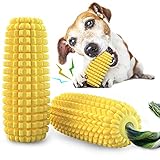
Overview: The Carllg Dog Chew Toys feature a unique corn-shaped design with zigzag textures for全方位 cleaning teeth. Priced at $12.99 for one toy, it’s made from bite-resistant TPR material that’s claimed to be almost indestructible while including a squeaker function to maintain interest.
What Makes It Stand Out: The innovative corn shape with raised zigzag surfaces is the standout feature, designed to clean teeth both horizontally and vertically as dogs chew. The TPR material offers a balance between durability and flexibility, providing a satisfying chew that’s gentler than completely hard nylon while still being tough.
Value for Money: At $12.99, this single toy represents a moderate investment, but its durability for most chewers and dental health benefits justify the cost. The combination of dental cleaning and entertainment in one product adds value beyond simple chew toys.
👍 Pros
- The unique dental-cleaning design
- Durable TPR material that’s both flexible and tough
- Squeaker function for engagement
- And suitability for dogs of all sizes
👎 Cons
- Are that the price point is higher than basic toys
- It may still be destroyed by the most aggressive chewers despite claims
- And the harder texture might not appeal to all dogs
Bottom Line: The Carllg Dog Chew Toys offer an excellent solution for pet owners seeking a toy that combines dental health benefits with durability. While not the cheapest option, its innovative design and material quality make it worth considering for moderate to aggressive chewers. It’s particularly good for owners who want to address both play and dental health in one product.
10. Dog Toys for Aggresive Chewers – Tough,Indestructible Dog Toys for Large, Medium,Small Breed to Keep Them Busy
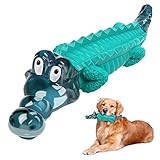
Overview: Dog Toys for Aggressive Chewers offers a tough, alligator-shaped toy designed for dogs of all sizes, particularly those weighing 20-100lbs. Priced at $9.99, this toy features a milk flavor to attract dogs and includes textured surfaces to aid in dental cleaning.
What Makes It Stand Out: The alligator design with raised back sets this toy apart, creating an eye-catching shape that also serves a functional purpose in cleaning teeth. The milk flavoring provides a stronger scent attraction than unscented toys, which can significantly increase interest and playtime duration.
Value for Money: At $9.99, this toy represents good value for a toy specifically designed for aggressive chewers. While it costs more than basic plush toys, its durability for power chewers and the added benefit of dental cleaning make it a cost-effective option for owners frustrated with quickly destroyed toys.
👍 Pros
- The alligator design that’s both engaging and functional for dental health
- Milk flavoring that attracts dogs
- Durability for aggressive chewers
- Ease of cleaning
- And bright color that’s easy to spot
👎 Cons
- Are that it may still be destroyed by the most persistent chewers
- The milk flavor could wear off over time
- And some dogs might not be attracted to the scent
Bottom Line: This alligator-shaped toy offers an excellent balance of durability and dental benefits for aggressive chewers at a reasonable price point. It’s particularly well-suited for medium to large dogs who destroy regular toys quickly. The enticing milk flavor and practical design make it a smart choice for owners looking to reduce destructive chewing while promoting dental health.
Understanding Your Dog’s Chewing Behavior
The Science Behind Why Dogs Chew
Chewing is an inherent behavior in dogs that serves multiple purposes beyond simply alleviating boredom. From an evolutionary perspective, wild ancestors chewed to eat meat, bones, and other materials, which helped maintain strong jaws and clean teeth. This behavior carries over to our domesticated pets who instinctively need to chew for various reasons. Puppies chew primarily to relieve the discomfort of teething, as the pressure on their gums feels soothing during this developmental stage. Adult dogs may chew to alleviate anxiety, explore their environment through taste and texture, or simply because it brings them pleasure by releasing endorphins. Understanding this fundamental drive helps us recognize that chewing isn’t misbehavior but rather a deeply ingrained canine need that requires appropriate outlets through proper chew toys.
Identifying Your Dog’s Chewing Style
Just as humans have different preferences and habits, dogs exhibit various chewing styles that significantly influence the type of chew toys suitable for them. Observing your dog’s chewing behavior can be enlightening—do they gently mouth objects, apply moderate pressure with a side-to-side motion, or use powerful vertical force? Some dogs are aggressive” chewers who can destroy conventional toys within minutes, while others are “gentle” chewers who prefer softer textures. There are also “destructive” chewers who may indicate insufficient mental stimulation or anxiety. By recognizing your dog’s unique chewing style, you can make more informed decisions about appropriate materials and durability levels. This assessment is crucial for selecting toys that will satisfy your dog’s chewing needs while ensuring their safety and the longevity of the toy.
Types of Chew Toys and Their Benefits
Durable Chew Toys for Power Chewers
For dogs with powerful jaws and relentless chewing tendencies, standard toys simply won’t suffice. These power chewers require toys specifically engineered to withstand tremendous pressure and abrasive chewing. Durable chew toys typically feature robust materials like heavy-duty rubber, thick nylon, or composite materials designed to resist tearing and destruction. Beyond their longevity, these toys often incorporate textures that help clean teeth and massage gums during use. The design of power chewer toys often focuses on providing appropriate resistance—too soft and it will be destroyed quickly, too hard and it could damage teeth. When selecting toys for aggressive chewers, consider both material composition and structural design to ensure they can endure extended chewing sessions while providing the physical engagement these dogs crave.
Interactive Chew Toys for Mental Stimulation
Beyond satisfying the physical need to chew, interactive chew toys provide crucial mental exercise that combats boredom and prevents behavioral issues. These toys require dogs to engage in problem-solving, whether through puzzle elements that treat or kibble must be extracted from, or by incorporating features that respond to the dog’s actions with movement or sounds. Interactive chew toys tap into a dog’s natural foraging instincts, providing both mental challenge and a rewarding outcome when they successfully extract treats. For dogs left alone for extended periods, these toys can be particularly valuable as they occupy time and provide mental stimulation that helps reduce anxiety and destructive behavior. The engagement offered by interactive toys extends the playtime experience beyond mere chewing, creating a more comprehensive enrichment activity that addresses multiple aspects of a dog’s well-being.
Long-Lasting Treat-Dispensing Toys
One of the most effective applications for chew toys is their use as treat dispensers, which combines the satisfying physical act of chewing with mental stimulation and reward. These specialized toys contain compartments or openings where treats, kibble, or spreads can be placed, encouraging dogs to work to access their rewards. The complexity of treat retrieval varies from simple openings that release treats with minimal effort to intricate puzzles requiring significant manipulation and problem-solving skills. When selecting treat-dispensing chew toys, consider your dog’s intelligence level, physical abilities, and how quickly they solve challenges. These toys not only extend engagement time by making treats harder to access but also promote slower eating habits, which can aid digestion and prevent issues like bloat, particularly in breeds prone to this condition.
Soothing Chew Toys for Teething Puppies
Puppies experience significant discomfort during the teething process, typically occurring between 3 to 8 months of age when their baby teeth are replaced by permanent ones. Soothing chew toys designed for teething puppies must balance durability with gentleness to massage tender gums without causing additional pain or damage to emerging teeth. These toys often feature soft, flexible textures that can be frozen to provide additional relief through cold therapy, which numbs pain and reduces inflammation. The cooling effect makes frozen treats popular choices among puppies experiencing particularly intense teething discomfort. When selecting teething toys, prioritizing non-toxic, safe materials is essential, as puppies are likely to ingest small pieces as they chew. Proper teething support during this critical developmental phase helps establish healthy chewing habits and provides relief that improves overall well-being during this uncomfortable stage.
Plush and Soft Chew Toys for Gentle Chewers
Not all dogs have aggressive chewing styles—many exhibit a gentle approach to mouthing and nibbling that makes soft, plush toys more appropriate choices. These toys typically feature softer materials like fleece, canvas, or plush fabric that can withstand moderate chewing without posing risks of dental damage. Gentle chewers often appreciate toys that offer variable textures, combining smooth surfaces with areas that provide more tactile interest. While these toys may not last as long as their durable counterparts for aggressive chewers, they provide appropriate satisfaction and enjoyment for dogs with milder chewing tendencies. When selecting soft chew toys, prioritize those specifically designed for the purpose rather than children’s toys, which may contain small parts or materials unsafe for canine consumption. Gentle chew toys excel in providing comfort, security, and appropriate outlets for dogs who prefer softer textures or have dental sensitivity.
Key Features to Consider When Choosing Chew Toys
Safety Considerations for Chew Toys
Safety should always be the primary concern when selecting chew toys for your dog, regardless of their chewing style or age. The foundation of safe chew toys lies in appropriate size selection—toys that are too small pose choking hazards, while oversized toys may be difficult for your dog to manipulate comfortably and could lead to jaw strain. Examine potential toys for any small parts that could detach and be ingested, as these can cause intestinal blockages requiring emergency veterinary intervention. Materials used in manufacturing should be non-toxic and free from harmful chemicals like BPA, lead, and phthalates, which can leach into your dog’s system through extended contact and chewing. Additionally, monitor chew toys regularly for signs of wear and tear, replacing them immediately when they begin to break down or show pieces missing, as damaged toys can present serious health risks to your canine companion.
Size Appropriateness for Your Dog
Matching chew toys to your dog’s size and physical capabilities is essential for both safety and effectiveness. A toy that’s too small risks being swallowed whole or lodging in your dog’s throat, while oversized toys may frustrate smaller dogs or cause discomfort during play. Generally, a chew toy should be large enough that your dog cannot fit the entire toy in their mouth at once. Consider not just your dog’s current size but also their age and breed characteristics—for example, large-breed puppies may quickly outgrow toys labeled for their age group. Additionally, account for your dog’s jaw strength and dental health when selecting size, as these factors influence both safety and appropriate challenge level. When in doubt, choose slightly larger rather than smaller, ensuring the toy remains engaging and safe throughout its use.
Material Quality and Durability Factors
The materials used in chew toys directly impact their safety, durability, and appropriateness for different chewing styles. Common materials include latex, vinyl, rubber, nylon, and natural materials like wood or dried animal parts, each with distinct advantages and limitations. Quality chew toys feature food-grade materials free from harmful chemicals and contaminants, with non-toxic coloring if applicable. For dogs allergic to specific materials, hypoallergenic options provide alternatives without compromising on enjoyment. When evaluating durability, consider both the thickness and composition of materials—while heavy-duty rubber might withstand powerful chewers, softer materials may be more appropriate for gentle chewers or puppies. The construction quality, including reinforced seams and solid molding, significantly impacts a toy’s lifespan and safety, as poor manufacturing can create weak points that lead to premature failure or breakage.
Evaluating Toy Construction and Design
Beyond material selection, the physical construction and design of chew toys play crucial roles in both safety and effectiveness. Well-designed chew toys feature seamless construction without small parts that could detach, while incorporating thoughtful elements that enhance functionality. For example, raised textures on chew surfaces can help clean teeth by gently massaging gums and removing plaque, while specific shapes may be easier for dogs to grip and manipulate. The weight and balance of a toy influence how easily a dog can play with it, particularly during interactive sessions. Additionally, thoughtful design can address specific needs—ergonomic shapes for comfort, hollow centers for treat insertion, or features that create appealing sounds. When evaluating construction, examine how components are joined, whether through molding, stitching, or assembly, as these connection points often determine a toy’s longevity and safety during extended use.
The Evolution of Chew Toys: Trends for 2025
Innovative Designs in Dog Chew Toys
The dog toy industry continues to evolve with remarkable innovation, introducing designs that cater to increasingly sophisticated understanding of canine behavior and needs. Modern chew toys often incorporate multi-functional elements, combining physical chewing with mental challenges, treat-dispensing mechanisms, or even training applications. Some innovative designs feature variable textures that change as dogs chew, maintaining engagement and interest over extended periods. Others incorporate elements that respond specifically to canine preferences, such as materials with scents or flavors that appeal naturally to dogs. As our understanding of canine cognition deepens, we see toys designed with specific cognitive development goals, incorporating elements that help dogs build problem-solving skills, patience, and impulse control. These innovations reflect a broader trend toward products that address multiple aspects of canine well-being simultaneously, rather than serving single-purpose functions.
Eco-Friendly and Sustainable Chew Toy Options
With growing environmental awareness across all consumer markets, sustainable chew toys have emerged as a significant category within the industry. These toys utilize eco-friendly materials like recycled plastics, natural rubber, sustainably sourced woods, and organic cotton, reducing the environmental impact of pet ownership without compromising on safety or durability. Biodegradable options provide alternatives for environmentally conscious pet parents, while toys made from renewable resources help reduce reliance on petroleum-based plastics. The production of sustainable chew toys often prioritizes ethical manufacturing processes, minimizing waste and carbon footprints throughout the supply chain. Beyond environmental benefits, many of these natural materials offer additional safety advantages by avoiding synthetic chemicals and potentially allergenic substances. As this market segment continues to grow, consumers can expect to see increased innovation in sustainable materials that balance ecological responsibility with the durability and engagement dogs need.
Technology-Integrated Chew Toys
The integration of technology into chew toys represents one of the most exciting developments in the pet product industry for 2025. These smart toys often incorporate sensors that track chewing patterns, duration, and intensity, providing valuable insights about your dog’s habits that can be shared with veterinarians to monitor dental health or behavioral patterns. Some tech-integrated toys connect to mobile applications, allowing owners to monitor playtime remotely, set reminders for maintenance, or even participate in interactive play sessions from afar. Others incorporate elements like lights, sounds, or movement triggered by the dog’s actions, creating dynamic play experiences that adapt to engagement levels. While technological innovations offer exciting possibilities, it’s important to balance these features with fundamental safety considerations, ensuring that electronic components remain secure from chewing and that the toy continues to function safely throughout its lifespan. As these technologies mature, we can expect to see increasingly sophisticated applications that enhance both canine enjoyment and owner understanding of their pets’ needs.
Integrating Chew Toys into Your Dog’s Routine
Establishing Healthy Chewing Habits
Introducing chew toys effectively requires thoughtful integration into your dog’s daily routine to maximize benefits while minimizing potential drawbacks. Begin by offering chew toys when your dog naturally exhibits chewing behavior, such as during the post-meal relaxation period or before leaving them alone for extended periods. Consistency is key—making appropriate chew toys readily available helps establish which objects are acceptable for chewing while keeping valuable possessions safe. Supervise initial interactions with new toys, particularly for puppies or dogs with limited experience with chew toys, to ensure they understand the toy’s intended use. Combine chew toy time with positive reinforcement when your dog engages appropriately, strengthening the association between the toy and positive experiences. For dogs prone to excessive chewing, consider implementing scheduled chewing periods to manage the behavior rather than attempting to eliminate it entirely, as chewing serves important psychological and physical functions for canines.
Using Chew Toys for Training and Behavior Modification
Beyond their recreational value, chew toys can serve as powerful tools in training and addressing behavioral issues. Interactive chew toys that dispense treats can be used as high-value rewards during training sessions, enhancing motivation and strengthening the human-animal bond through positive reinforcement. For dogs prone to anxiety-related chewing, providing appropriate chew toys before leaving them alone can redirect their focus and alleviate stress through productive chewing. Certain chew toys can specifically address problem behaviors like inappropriate mouthing by providing acceptable outlets when teeth contact human skin becomes problematic. When using chew toys for behavior modification, consider timing carefully—introducing these toys before problematic behaviors typically occur helps create positive associations and redirects natural impulses. The versatility of chew toys makes them valuable assets in comprehensive training approaches that address multiple aspects of canine development and behavior.
Chew Toys for Different Life Stages
Chew toy needs evolve significantly throughout a dog’s life, from the intensive teething phase of puppyhood to the specialized requirements of senior dogs. Puppies require soft, soothing toys to alleviate discomfort during teething, often benefiting from the cold therapy provided by frozen chew toys. Adult dogs typically need more durable options that can withstand their fully developed jaw strength, though individual chewing styles continue to influence appropriate selections. Senior dogs may benefit from softer toys that accommodate potential dental sensitivities while still providing appropriate jaw exercise and mental engagement. Pregnant or nursing dogs have unique requirements as well, with chew toys offering stress relief during hormonal changes and physical discomfort. By adjusting chew toys to match your dog’s current life stage, you ensure they receive appropriate support throughout their developmental journey, addressing both immediate needs and long-term health considerations.
Troubleshooting Common Chew Toy Challenges
When Chew Toys Fail to Engage
Despite careful selection, some dogs simply show disinterest in certain chew toys, which can be frustrating for owners seeking appropriate outlets. If your dog appears bored with available options, consider several factors that might contribute to lack of engagement. First, evaluate the toy’s texture and appeal—some dogs strongly prefer specific materials or textures that align with their natural preferences. Temperature can significantly impact interest; many dogs find greater enjoyment in chilled toys, particularly during teething or warm weather. Consider incorporating scent-based interest by rubbing treats on the toy surface to transfer appealing smells that trigger instinctual interest. If interactive toys aren’t receiving engagement, the challenge level may be inappropriate—too difficult creates frustration, while too simple leads to boredom. Finally, observe when and how you introduce chew toys—making them available during moments of peak energy or during activities that naturally precede chewing behavior can increase initial interest and positive association.
Addressing Destructive Chewing Behaviors
Despite appropriate chew toy availability, some dogs continue to engage in destructive chewing of household items, indicating potential gaps in management or enrichment. When destructive chewing persists, first consider whether the available chew toys adequately match your dog’s chewing style and intensity level—power chewers often need specifically engineered options rather than standard toys. Environmental factors like insufficient exercise, prolonged isolation, or lack of mental stimulation may drive inappropriate chewing as dogs seek outlets for pent-up energy or anxiety. Evaluate your dog’s daily routine to ensure adequate physical exercise and mental challenges that reduce the impulse to channel energy through inappropriate chewing. If destructive chewing primarily occurs in your absence, consider crate training with appropriate chew toys or implementing a safe space where your dog has access to engaging items that redirect natural chewing impulses toward appropriate outlets. Persistent or severe cases may benefit from consultation with a professional trainer or veterinary behaviorist to address underlying behavioral drives.
Maintaining Chew Toy Hygiene and Safety
Regular maintenance of chew toys is essential for extending their lifespan and, more importantly, ensuring your dog’s safety with clean playthings. Create a routine for inspecting chew toys weekly, paying particular attention to areas that show wear or potential breakdown, such as around seams, edges, or connecting parts. Different materials require varying cleaning approaches—rubber and plastic toys can typically withstand washing with pet-safe soap and hot water, while fabric toys may need gentle cycles or hand washing. Hollow toys with treat compartments should be thoroughly cleaned and dried to prevent bacterial growth from trapped food particles. Establishing a replacement schedule based on wear rather than waiting for complete destruction prevents potential ingestion of harmful pieces. For multi-pet households, consider individual chew toy preferences and potential guarding behaviors that may require supervision during shared playtime. This proactive approach to maintenance ensures your dog’s playtime remains both enjoyable and safe throughout the toy’s lifespan.
Frequently Asked Questions
- How do I know if a chew toy is the right size for my dog?
A chew toy should be large enough that your dog cannot fit the entire toy in their mouth at once, reducing choking risks. As a general guideline, the toy should be larger than the width of your dog’s mouth, with enough surface area for comfortable chewing. For particularly small or large breeds, adjust these guidelines accordingly.
- Are dental benefits the same across all chew toys?
No, dental benefits vary significantly between different chew toys based on their texture, material, and how they interact with your dog’s teeth. Some toys feature specific nubs and textures designed to clean plaque, while others may simply be too soft to provide meaningful dental cleaning. Look for veterinary dental health endorsements or specifically designed dental chews for optimal benefits.
- Can I give my dog the same chew toy every day?
While consistency can be beneficial, rotating between appropriate chew toys helps maintain your dog’s interest and provides varied textures and experiences. Having several safe options available allows for rotation as some toys may need cleaning or while others are being used differently. Just ensure any rotation includes only toys appropriate for your dog’s chewing style.
- How often should I replace my dog’s chew toys?
The replacement timeline varies based on the toy’s material, your dog’s chewing style, and visible signs of wear. Check toys regularly for cracks, tears, or missing pieces, replacing them immediately when damage appears. As a general rule, inspect toys weekly and replace them at least monthly for regular chewers, more frequently for aggressive chewers.
- Are natural vs. synthetic materials better for chew toys?
Both natural and synthetic materials can be excellent choices, depending on your dog’s specific needs, preferences, and potential sensitivities. Natural materials like wood, rubber, or dried animal parts offer appealing textures but may require closer monitoring for splintering or breakage. Synthetic materials typically offer greater durability and consistency in quality but may lack natural appeal for some dogs.
- How can I tell if my dog is chewing too much?
Excessive chewing that leads to damaged gums, loose teeth, or changes in eating patterns may indicate over-chewing. Additionally, if chewing behaviors interfere with normal activities or seem compulsive rather than occasional, it may suggest excessive behavior. Monitor your dog for physical signs and consult your veterinarian if you have concerns about chewing frequency or intensity.
- Can puppies use the same chew toys as adult dogs?
Puppies have different needs than adult dogs and typically require softer toys designed for their developing teeth and gentler chewing style. While some durable toys may be appropriate for both, most puppies benefit from specifically designed teething toys that aren’t too hard on their emerging adult teeth. Consult your veterinarian for age-appropriate recommendations based on your puppy’s breed and size.
- Do certain breeds need different types of chew toys?
Yes, breed characteristics significantly influence appropriate chew toy selections. Breeds with powerful jaws like Pit Bulls, Mastiffs, or German Shepherds require extremely durable toys, while smaller breeds with delicate teeth need gentler options. Additionally, breed-specific behaviors and inherited traits affect how different dogs interact with and benefit from various chew toy types and designs.
- Are chew toys safe for dogs that swallow pieces?
Chew