Diet Dog Treats: The 10 Best Low-Calorie Options for Weight Management [2026]
Affiliate disclosure: Paws Dynasty is reader-supported. We may earn a commission when you buy through links on our site, at no extra cost to you. As an Amazon Associate, we earn from qualifying purchases. Learn more about our affiliate disclosure
In this guide 18 sections
If your vet has recently used the phrase “a few pounds lighter,” you’re not alone—over half of all dogs in North America are classified as overweight or obese. While longer walks and shorter meals help, the real calorie creep usually happens in the kitchen … or rather, the treat jar. Swapping to diet dog treats is the single fastest way to erase “hidden” calories without looking like the bad guy who stopped the snacks cold. Below, you’ll learn exactly what makes a treat truly “low-calorie,” which textures and ingredients support satiety, and how to decode labels so you don’t fall for marketing hype that belongs in the doghouse.
Top 10 Diet Dog Treats
Quick picks
10 picks comparedAdvertiser disclosure: We may earn a commission from links on this page, at no extra cost to you. How we review





Prices and availability can change. Check Amazon for the current price and details.
Detailed Product Reviews
1. Fruitables Skinny Mini Dog Treats, Healthy Sweet Potato Treat for Dogs, Low Calorie & Delicious, Puppy Training, No Wheat, Corn or Soy, Made in the USA, Bacon and Apple Flavor, 5oz
Overview: Fruitables Skinny Mini Dog Treats are bite-sized, low-calorie training rewards that combine the unlikely duo of bacon and apple flavors with nutrient-rich sweet potato, all while keeping allergens like wheat, corn, and soy off the ingredient list.
What Makes It Stand Out: At under 4 calories apiece, these minis let you train vigorously without worrying about weight gain; the CalorieSmart formula and superfood sweet-potato base deliver vitamins and fiber in a scent-driven format that even fussy dogs chase.
Value for Money: While the 5 oz pouch looks small, you get roughly 150 treats inside—cost-per-reward is on par with bulk biscuits yet you’re paying for functional nutrition and allergy safety rather than filler.
Strengths and Weaknesses:
Pros: extremely low calorie, allergy-friendly, USA-made, strong aroma for focus, resealable pouch keeps them soft.
Cons: strong smell can be off-putting to humans, bacon flavor isn’t from actual meat, crumbly in pockets if you forget the pouch.
Bottom Line: For repetitive training sessions, calorie control, or dogs with itchy skin, Skinny Minis are hard to beat; just keep a zip-bag handy to contain the scent and crumbs.

2. Blue Buffalo Health Bars Crunchy Dog Biscuits, Oven-Baked With Natural Ingredients, Pumpkin & Cinnamon, 16-oz Bag
Overview: Blue Buffalo Health Bars bake pumpkin, oatmeal, and cinnamon into crunchy biscuits that look more like a human granola bar than typical dog cookies, delivering vitamins and fiber without poultry by-products or common allergens.
What Makes It Stand Out: The autumn-spice aroma and oven-baked crunch satisfy dogs who love to gnaw, while pumpkin aids digestion and cinnamon acts as a natural anti-inflammatory—rare functional perks in a grocery-aisle biscuit.
Value for Money: At $4.98 for a full pound you’re paying roughly 31 ¢ per ounce, making these cheaper per pound than many kibbles yet free from corn, wheat, soy, BHA, and artificial colors.
Strengths and Weaknesses:
Pros: generous 16 oz bag, breakable squares let you portion, whole-food ingredients, crunch helps clean teeth.
Cons: 40-calorie bars add up fast for small dogs, bag isn’t resealable, some batches arrive overly hard for senior jaws.
Bottom Line: If your dog craves crunch and you want guilt-free grocery pricing, Blue’s pumpkin bars are a pantry staple—just snap them in half for little pups.

3. Get Naked Grain Free 1 Pouch 6.6 Oz Weight Management Dental Chew Sticks, Large
Overview: Get Naked Weight Management Dental Sticks are grain-free chews fortified with L-Carnitine and fiber to boost metabolism while the ridged texture scrubs tartar, giving dieting dogs a job to do instead of begging for food.
What Makes It Stand Out: Unlike most “diet” chews that simply cut fat, this formula adds L-Carnitine to help convert fat to energy and fiber to create satiety, turning a dental chew into a mini weight-loss tool.
Value for Money: $7.77 buys only 6.6 oz (about 6 large sticks), translating to $1.30 per chew—pricey compared with rawhide but competitive against veterinary dental chews that lack metabolic support.
Strengths and Weaknesses:
Pros: dual-purpose dental + weight support, grain-free, USA-made, low 40-calorie count per large stick.
Cons: expensive per piece, not fully edible for power chewers (can swallow chunks), smell is distinctly “vitamin-ey.”
Bottom Line: For overweight dogs that need daily chewing satisfaction without calorie overload, Get Naked sticks are worth the splurge; supervise aggressive chewers and buy the right size.

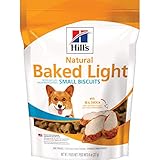
4. Hill’s Natural Baked Light Biscuits, All Life Stages, Great Taste, Mini Dog Treats, Chicken, 8 oz Bag
Overview: Hill’s Natural Baked Light Biscuits are mini, chicken-first cookies endorsed by veterinarians for dogs of every age, delivering real poultry flavor in a 9-calorie nibble free from artificial preservatives or flavors.
What Makes It Stand Out: Hill’s merges the trust factor of the vet-recommended Science Diet line with a bakery approach—real chicken is the first ingredient yet the treat stays under 10 % fat, something rarely achieved in meat-based biscuits.
Value for Money: At $8.99 for 8 oz the price per pound is steep, but the mini size stretches the bag to ~140 treats; you’re paying for veterinary brand quality and consistent calorie control.
Strengths and Weaknesses:
Pros: universally palatable chicken flavor, tiny size ideal for training or toy breeds, no BHA/BHT, resealable bag.
Cons: contains chicken meal and rice—unsuitable for strict elimination diets, aroma is mild so less exciting for super-picky pups.
Bottom Line: If you value veterinary backing and need a low-fat, low-calorie reward that won’t unbalance a prescription diet, Hill’s Light Biscuits justify their premium; rotate with higher-value treats for ultra-motivated learners.

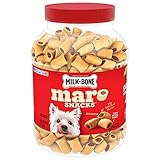
5. Milk-Bone MaroSnacks Small Dog Treats With Bone Marrow, 40 Ounce Container
Overview: Milk-Bone MaroSnacks pair a crunchy biscuit shell with a real bone-marrow core, delivering calcium and a meaty middle that turns an everyday cookie into a two-texture experience dogs dig for.
What Makes It Stand Out: The marrow center provides natural umami flavor and nutrients usually reserved for high-end chews, yet the outer shell keeps the treat shelf-stable and easy to hand out without refrigeration or mess.
Value for Money: $11.48 secures a hefty 40 oz tub—just 29 ¢ per ounce—making MaroSnacks one of the lowest-cost marrow-based treats available, especially when bought in warehouse size.
Strengths and Weaknesses:
Pros: huge tub lasts multi-dog households, calcium boost, appealing combo of crunch and creaminess, made in USA with natural colors.
Cons: 10-calorie mini is still calorie-dense for toy breeds, contains wheat and beef—problematic for allergy dogs, plastic lid can crack in shipping.
Bottom Line: For big families, training classes, or dogs that crave marrow without raw-bone risks, Milk-Bone’s MaroSnacks deliver gourmet appeal at grocery prices; portion carefully for waistline watchers.

6. Fruitables Baked Dog Treats, Healthy Pumpkin Treat for Dogs, Low Calorie & Delicious, Free of Wheat, Corn and Soy, Made in the USA, Apple and Crispy Bacon Flavor, 12oz
Overview: Fruitables Apple & Crispy Bacon dog treats combine real pumpkin with apple bacon flavor in a low-calorie, crunchy biscuit that’s baked in the USA and free of wheat, corn, and soy.
What Makes It Stand Out: The 8-calorie “CalorieSmart” count lets owners reward generously without guilt, while the flower-shaped crunch and genuinely pleasant aroma make treat-time feel special for both human and hound.
Value for Money: At under $6 for a 12 oz bag you get about 100 treats, working out to roughly six cents each—exceptional for a limited-ingredient, superfood-enhanced biscuit.
Strengths and Weaknesses: Pros—low calorie, allergy-friendly, great smell, cute shape, made in USA. Cons—bag isn’t resealable, bacon flavor is milder than expected for picky dogs, and biscuits can arrive broken if shipped loosely.
Bottom Line: A wallet-friendly, waistline-friendly biscuit that most dogs crunch happily; ideal for multi-dog households or training programs that burn through rewards quickly.

7. Covetrus Nutrisential Lean Treats for Dogs – Small, Medium & Large Dogs (K9) – Nutritional Low Fat, Bite-Size – Soft Chicken Flavor – 1 Pack – 4oz
Overview: Covetrus Nutrisential Lean Treats are soft, chicken-flavored bites designed for weight management, delivering only 7 calories apiece in a tender texture suitable for small, medium, or large dogs.
What Makes It Stand Out: Veterinary-exclusive formulation makes them one of the few truly low-fat soft treats recommended for pancreatitis-prone pups, while real skinless chicken keeps palatability high.
Value for Money: The sticker shock is real—$33 per pound—because the 4 oz pouch contains just ~56 tiny squares. You’re paying for therapeutic nutrition, not bulk.
Strengths and Weaknesses: Pros—ultra-low fat, soft for seniors or dogs with dental issues, portion-controlled size, made in USA. Cons—pricey, squares dry out quickly if pouch is left open, and strong chicken smell can be off-putting to humans.
Bottom Line: Indispensable for vets and owners managing medical diets, but casual trainers will burn through the pouch—and their budget—fast.

8. Hill’s Grain Free Soft Baked Naturals, All Life Stages, Great Taste, Dog Treats, Beef & Sweet Potato, 8 oz Bag
Overview: Hill’s Grain-Free Soft-Baked Naturals pair real beef with sweet potato in a chewy, U.S.-made square that’s free of grains, artificial flavors, and preservatives and backed by the #1 veterinarian recommendation.
What Makes It Stand Out: The soft-bake texture gives the satisfaction of a jerky strip without the mess, while Hill’s nutritional oversight ensures balanced calories and minerals—rare in the grain-free aisle.
Value for Money: At $18 per pound you’re in the mid-premium tier; the 8 oz bag yields roughly 25-30 squares, so each treat costs about 30 ¢—reasonable for a science-backed brand.
Strengths and Weaknesses: Pros—trustworthy ingredient sourcing, soft for training breaks, no corn wheat or soy, resealable bag. Cons—squares can harden near expiry, beef scent is faint compared to gourmet brands, and price climbs if you have multiple large dogs.
Bottom Line: A reliable, vet-endorsed chewy reward that’s gentle on sensitive stomachs and owner conscience alike.

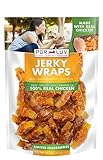
9. Pur Luv Dog Treats, Chicken & Sweet Potato Jerky Wraps, Made with Real Chicken, 16 Ounces, Rawhide Free, Healthy, Easily Digestible, Long Lasting, High Protein Dog Treat, Satisfies Dog’s Urge to Chew
Overview: Pur Luv Jerky Wraps weave real chicken around a sweet-potato core to create a rawhide-free chew that satisfies heavy gnawers while remaining highly digestible.
What Makes It Stand Out: The dual-texture—tough exterior, starchy middle—extends chew time without the digestive risks of rawhide, and limited ingredients mean no glycerin, sugar, or fillers.
Value for Money: $15 for a full pound (16 oz) positions these among the cheapest high-protein jerky alternatives on the market, beating most boutique brands by 30-40 %.
Strengths and Weaknesses: Pros—long-lasting for moderate chewers, single-animal protein, rawhide-free, good price per ounce. Cons—greasy residue can stain carpets, smell is strong, and aggressive power-chewers may finish one in under five minutes.
Bottom Line: A budget-friendly, safer chew that entertains medium-duration gnawers and keeps ingredient lists refreshingly short.

10. Purina Pro Plan Veterinary Diets Gentle Snackers Hydrolyzed Plus Low Fat Dog Treats – 8 oz. Pouch
Overview: Purina Pro Plan Veterinary Gentle Snackers are crunchy, hydrolyzed-protein treats created specifically for dogs with adverse food reactions or those on low-fat regimens.
What Makes It Stand Out: Hydrolysis breaks chicken protein into molecules too small to trigger most immune responses, making these one of the few crunchy biscuits safe for elimination-diet patients.
Value for Money: At $24 per pound you’re buying prescription-level technology, not everyday snacks; the 8 oz pouch offers ~40 sticks, translating to about 30 ¢ per reward.
Strengths and Weaknesses: Pros—single hydrolyzed protein, low fat, vet trusted, crunchy texture aids dental scrubbing. Cons—requires veterinary authorization online, bland smell means some dogs ignore them, and quantity feels tiny for the price.
Bottom Line: A medical necessity for dogs with itchy skin or IBD; keep a cheaper, tastier treat on hand for unaffected housemates.
Why Calories from Treats Matter More Than You Think
Veterinary nutritionists call it the 10-percent rule: treats and extras should never exceed 10% of a dog’s daily calories. Yet owner surveys show that biscuits, dental chews, and table scraps routinely add 30–50%. Because treats are often energy-dense and nutrient-poor, they widen the waistline faster than kibble alone. Think of them as the canine equivalent of potato chips—fine in moderation, disastrous when the bag never closes.
How Extra Treats Sneak Into the Daily Calorie Count
Breakage bites while training, “just one more” before bedtime, and the guilt cookie after you leave for work—each seems tiny, but 20 calories × 3 moments × 365 days equals almost 22,000 bonus calories a year, or roughly six pounds of fat on a 25-lb dog. Logging every reward for just 48 hours is usually enough to spot the stealthy sources.
The Science of Canine Weight Management
Dogs store fat in two primary depots: subcutaneous (under the skin) and visceral (around organs). Visceral fat secretes inflammatory cytokines that raise cancer risk and worsen arthritis. A modest 6% body-weight reduction can lower lameness scores by 30%, proving that weight loss is pain relief. Low-calorie treats play a psychological role here—they allow frequent reinforcement without derailing the calorie deficit that forces the body to burn stored fat.
Defining “Low-Calorie” in the Dog World
There is no legal maximum for “low-calorie” pet treats, so brands self-police. The AAFCO model is < 3 kcal/g for wet treats and < 4 kcal/g for dry. A better yardstick is percentage of daily intake: aim for ≤ 1 kcal per pound of ideal body weight per treat. For a 40-lb target dog, that’s ≤ 40 kcal—about one level tablespoon of commercial peanut-butter biscuits or three coin-sized training nibbles.
Key Nutrients That Support Satiety
Fiber, moisture, and protein are the trinity of fullness. Soluble fiber (pumpkin, beet pulp) forms a viscous gel that slows gastric emptying. High moisture adds volume without calories—think diced cucumber versus dry kibble ounce for ounce. Finally, 25–30% protein on a dry-matter basis preserves lean mass during weight loss, which keeps metabolism humming and begging behaviors down.
Ingredient Red Flags to Avoid
Sugar masquerades as cane molasses, honey, or “natural flavor” and spikes insulin, driving fat storage. Propylene glycol, used to keep semi-moist treats soft, can trigger Heinz-body anemia in sensitive dogs. Rendered “animal fat” is a euphemism for the variable by-product blend; its saturated load crowds out healthier fats like EPA/DHA that actually help weight management by reducing joint inflammation.
Wet vs. Dry: Texture Impact on Calorie Density
Moisture is the great diluter. A soft jerky strip at 35% water may contain the same grams as a crunchy bone-shaped biscuit at 8% water, yet the jerky delivers 30% fewer calories because water adds weight, not energy. If your dog adores crunch, look for air-dried or freeze-dried formats that puff up the matrix without adding fat.
Plant-Based vs. Animal-Based Proteins
Peas, lentils, and chickpeas cut fat by half compared with beef or pork, but they also dilute taurine and methionine—amino acids critical for heart health. The sweet spot is a hybrid: plant protein for bulk, plus a named animal meal or gelatin for completeness. Check that the sum of methionine + cystine meets AAFCO minimums (0.65% DM for adult dogs).
Functional Add-Ins: Joint Support, Skin & Coat, Gut Health
Omega-3s from algal or fish oil reduce exercise-induced joint pain, helping portly pets stay active enough to burn calories. L-carnitine shuttles fatty acids into mitochondria for oxidation; studies show 50 ppm boosts weight loss by 5–7%. Finally, spore-forming probiotics like Bacillus coagulans survive extrusion and may lower gut inflammation linked to obesity.
Portion Control Strategies That Actually Work
Pre-portion single-calorie training tablets into 35 mm film canisters or weekly pill organizers—visual limits prevent “hand in the bag” syndrome. For bigger biscuits, snap them into quarters and bake the pieces at 200 °F for 20 min to dehydrate; you’ll double the quantity without changing calories. And remember: a lick of xylitol-free peanut butter on a rubber spoon equals a treat for most dogs, yet registers under 3 kcal.
Reading the Guaranteed Analysis Like a Nutritionist
Convert every nutrient to a dry-matter basis first. Subtract the moisture percentage from 100, then divide each nutrient by that number. Example: a treat lists 10% protein and 25% moisture. Dry matter = 75%, so true protein = 10 ÷ 0.75 = 13.3%. Aim for ≥ 25% protein and ≤ 9% fat during weight loss. Ignore “crude”; it’s not a quality statement, just a lab method.
Training Treats vs. Daily Snacks: Two Calorie Tiers
Training demands rapid fire rewards—think 30 reps in a five-minute heel drill. Use treats ≤ 3 kcal apiece so an entire session stays under 5% of daily calories. Daily snacks, given once or twice, can be larger (up to 1 kcal/lb) but should include functional benefits such as dental abrasion or joint support. Keeping the two categories physically separate (tiny pouch vs. pantry jar) prevents crossover.
Budget-Friendly DIY Low-Calorie Options
Dehydrated sweet-potato coins cost pennies: slice ⅛-inch, bake at 225 °F for 90 min, flip, 30 min more. Forty calories per full ounce equals ~30 chips. Frozen green-bean “pops” satisfy crunch addicts at 4 kcal per bean. For a smear-able reward, whip equal parts canned pumpkin and plain Greek yogurt, pipe into silicone ice-cube trays, and freeze; each 2 g cube is just 1 kcal.
Transitioning Without Tummy Upset
Sudden fiber spikes create gas worthy of a whoopee-cushion chorus. Replace 25% of the old treat volume every three days with the new low-calorie option. If stool softens, hold the percentage steady for an extra two days and add a tablespoon of plain canned pumpkin to meals—ironic, but the soluble fiber firms things up by absorbing excess water.
Monitoring Progress: When to Adjust the Plan
Weigh your dog on the same scale at the same time of day every two weeks. Target 1–2% body-weight loss per week; faster can trigger hepatic lipidosis in small breeds. If loss stalls for two consecutive weigh-ins, drop total treat calories by 10% rather than cutting meal portions further—this preserves micronutrient balance in the main diet. Celebrate milestones with non-food rewards: a new squeaky toy or an extra off-leash hike.
Frequently Asked Questions
How many low-calorie treats can I give my dog per day?
Stay under 10% of daily caloric needs; convert the treat’s kcal and divide into the dog’s total allowance.
Are grain-free diet treats better for weight loss?
Not necessarily—calories and fat matter more than grain content; some grain-free options use higher-fat legumes.
Can puppies eat weight-management treats?
Only if the label states “All Life Stages”; growing dogs need adequate amino acids and minerals.
Do low-calorie treats taste bland to dogs?
Palatability depends on aroma and protein; many dogs prefer single-ingredient freeze-dried meats over sugary biscuits.
Is freeze-dried raw safe for overweight dogs?
Yes, as long as you account for the calories and handle raw products hygienically.
How do I calculate kcal from the guaranteed analysis?
Use the modified Atwater equation: ( %Protein×3.5 ) + ( %Fat×8.5 ) + ( %NFE×3.5 ) = kcal/100 g, where NFE = 100 – moisture – protein – fat – ash.
Can I use cat treats for my small dog?
Occasionally, but cat treats are denser in protein and may exceed renal-safe phosphorus for dogs with kidney issues.
Will low-calorie treats help with bad breath too?
Some include chlorophyll, parsley, or textured fibers that scrape teeth—look for the VOHC seal for proven dental efficacy.
Are vegetarian treats less filling?
Not if they’re high in soluble fiber and moisture; satiety is about volume and gastric emptying rate, not protein source alone.
What’s the biggest mistake owners make when switching?
Forgetting to reduce meal portions to balance the new treat calories—always recalculate the entire daily plan.
The short version
Still deciding? Start with our #1 pick.
Fruitables Skinny Mini Dog Treats, Healthy Sweet Potato Treat for Dogs, Low Calorie & Delicious, Puppy Training, No Wheat, Corn or Soy, Made in the USA, Bacon and Apple Flavor, 5oz
Ranked first out of 10 picks in this guide.

Keep reading
More in Dog Treats
![Top 10 Trixie Dog Treats Your Pup Will Go Crazy For [2026 Review]](https://m.media-amazon.com/images/I/41mCSdSOW6L._SL400_.jpg)
Top 10 Trixie Dog Treats Your Pup Will Go Crazy For [2026 Review]
If your dog lights up at the crinkle of a treat pouch, you already know the…
![Dog Salmon Treats: The 10 Best Treats for a Healthy Skin & Coat [2026]](https://m.media-amazon.com/images/I/417Nmlcl8YL._SL400_.jpg)
Dog Salmon Treats: The 10 Best Treats for a Healthy Skin & Coat [2026]
Few things turn heads at the dog park faster than a glossy, dandruff-free coat that practically…

Barkbox Treats Making Dog Sick: Top 10 Hypoallergenic Alternatives for 2026
Is your pup’s tail wagging a little less after treat time? You’re not alone. Over the…