Managing diabetes in a dog is a delicate, daily balancing act: insulin on time, portion-controlled meals, consistent exercise, and—of course—treats you can trust. Yet “treat” doesn’t have to be a dirty word in the diabetic dictionary. A well-chosen, low-glycemic snack can reinforce training, strengthen your bond, and even deliver therapeutic nutrients without spiking blood sugar. The secret is learning which bags on the pet-store shelf are truly safe and which are simply masquerading as “healthy.”
Below you’ll find an endocrinologist-level roadmap for evaluating store-bought diabetic dog treats in 2025. We’ll decode labels, spotlight emerging ingredients, and reveal the formulation trends that are shaping the category—so you can reward your pup with confidence, not carbs.
Top 10 Diabetic Dog Treats
Detailed Product Reviews
1. Old Dog Cookie Company Tiny Diabetic Dog Treats | All Natural, 2 Calorie, Vet Approved Pet Snacks | Top Treat for Dogs | Healthy Chews for Large, Medium & Small Breeds | 8 oz

Overview: Old Dog Cookie Company’s Tiny Diabetic Dog Treats are 2-calorie, pumpkin-powered biscuits designed for dogs who need strict blood-sugar control. Each 8 oz pouch packs 225+ mini cookies that stay fresh thanks to a resealable top.
What Makes It Stand Out: The micro-size makes them the only diabetic biscuit you can feed by the handful during training without blowing the calorie budget. Pumpkin, dandelion, kelp, and alfalfa are baked into a crunchy low-glycemic base that actually tastes like a cookie—not cardboard.
Value for Money: At $2.75/oz you’re paying boutique prices, but with 225 treats per bag the cost per reward is under 10 ¢—cheaper than most single-ingredient freeze-dried meats.
👍 Pros
- Tiny size = perfect for clicker work; zero added sugar/salt; made in USA with human-grade ingredients; resealable bag keeps crunch for months.
👎 Cons
- Crumbs collect at the bottom; smell is “salad-y”
- May deter super-picky pups; not soft enough for dogs with severe dental issues
Bottom Line: If your diabetic dog earns dozens of treats a day, these mini cookies are the safest, cheapest way to say “good dog” without spiking glucose.
2. Old Dog Cookie Company All Natural Diabetic Dog Treats – Vet Approved Snacks | Best Chews for Canine, Top Treat for Pups | Low Glycemic, Supports Healthy Blood Sugar | 10 oz

Overview: Old Dog Cookie Company’s original 10 oz Diabetic Dog Treats deliver 40 full-size crunchy biscuits (16 cal each) fortified with pumpkin, apple, and dandelion to slow glucose release.
What Makes It Stand Out: This was the first commercially baked cookie explicitly for diabetic dogs; the 2.5″ size forces an enjoyable crunch that scrapes plaque while extending chew time—helpful for anxious dogs who usually Hoover snacks.
Value for Money: $21.98 for 40 biscuits → 55 ¢ per cookie. That’s on par with prescription dental chews, but you get blood-sugar support built in rather than as a separate purchase.
👍 Pros
- Hard texture = dental bonus; low glycemic recipe is vet-endorsed; resealable pouch keeps cookies snap-fresh for 9+ months; human-grade USA ingredients.
👎 Cons
- 16 cal each—too heavy for repetitive training; some bags arrive with 1–2 broken biscuits; earthy botanical scent is not peanut-butter enticing
Bottom Line: Need a once-a-day “dessert” that won’t sabotage insulin? These classic crunchy cookies are the reliable, plaque-fighting choice.
3. Hank & Harley Chicken Jerky Sticks, 1 lb – USA Lean Protein Soft Dog Treats with Pumpkin. 100% Natural and NO Added Sugar, Flour or fillers. Ideal for finicky Pets

Overview: Hank & Harley’s Chicken Jerky Sticks combine 90 % USA chicken breast with pumpkin into 100 soft, 6″ jerky strips—no sugar, grains, or fillers.
What Makes It Stand Out: Only five ingredients total and zero glycemic fillers mean even finicky or newly-diabetic dogs get high-value protein without hidden carbs; dark-meat ratio keeps strips pliable enough to tear into training bits.
Value for Money: $1.31/oz is mid-range for jerky, yet you receive ~100 sticks—about 21 ¢ per strip—making portion-controlled rewards economical.
👍 Pros
- Soft texture suits seniors with few teeth; 90 % lean protein stabilizes glucose; resealable 1 lb bag lasts multi-dog households; aroma smells like human-grade chicken.
👎 Cons
- Natural color variation can alarm first-time buyers; thin strips dry out if bag is left open; protein calories add up fast—strict measuring required
Bottom Line: For diabetic dogs that turn up their noses at biscuits, these soft, fragrant chicken jerky sticks deliver medication-time compliance in every tearable bite.
4. DogaBetix Ella’s Diabetic Dog Treats Chicken (8oz) – Low Glycemic Ingredients – Vet Approved – Made in USA by Owners of Diabetic Dogs – Developed to Help Keep Glucose Levels Stable
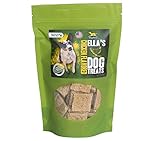
Overview: DogaBetix Ella’s Diabetic Dog Treats are organic, chicken-based squares baked in small batches by owners of diabetic dogs to keep glycemic load minimal.
What Makes It Stand Out: Formulated specifically to avoid glucose spikes—each ingredient is chosen for GI under 35; limited-ingredient list (chicken, chickpea, flax, turmeric) reads like a clean-label human snack.
Value for Money: $1.99/Fl Oz makes this the least expensive specialty diabetic treat per ounce, ideal for tight budgets or multiple-treat protocols.
👍 Pros
- Organic
- USA-sourced
- No preservatives; turmeric adds anti-inflammatory benefit; crunchy but not rock-hard; bag smells like roast chicken.
👎 Cons
- 8 oz bag contains only ~30 squares—gone fast with big dogs; thin profile means some breakage in shipping; no reseal strip—transfer to jar immediately
Bottom Line: Budget-minded guardians get vet-approved, diabetic-safe cookies without premium markup; just stock a second bag because pups devour them quickly.
5. Marcy’s Pet Kitchen-Diabetic- All Natural, Crunchy, Peanut Butter Dog Treats – Vet Approved- No Preservatives-Vegan, Gluten Free, Human Grade – Crunchy-Made in The USA, Healthy Peanut Butter Treats
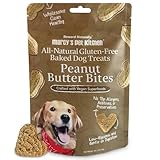
Overview: Marcy’s Pet Kitchen crafts heart-shaped, vegan peanut-butter biscuits that are gluten-free, low-glycemic, and handmade in micro-batches.
What Makes It Stand Out: Instead of wheat, Marcy uses oat flour and combines it with human-grade peanut butter for a soft crunch that rarely spikes glucose; each purchase funds the Onyx Foundation for special-needs pets.
Value for Money: $10.99 for a 5 oz pouch → $35.17/lb, the priciest of the group, but you’re paying for ethical sourcing and hand-decorated hearts.
👍 Pros
- Vegan recipe ideal for dogs allergic to animal protein; adorable heart shape breaks cleanly for portion control; resealable bag + oxygen absorber keeps cookies fresh 6 months.
👎 Cons
- Peanut aroma tempts overfeeding; small 5 oz supply vanishes fast; oats still raise glucose in very sensitive dogs—monitor blood curves
Bottom Line: Perfect “special occasion” diabetic cookie—buy a bag, snap hearts into quarters, and savor guilt-free kisses from your pup while supporting a great cause.
6. Hill’s Grain Free Soft Baked Naturals, All Life Stages, Great Taste, Dog Treats, Chicken & Carrots, 8 oz Bag

Overview: Hill’s Grain-Free Soft-Baked Naturals combine the convenience of grocery-aisle pricing with the credibility of the most vet-endorsed brand in the aisle. Each 8-oz resealable bag delivers soft, cookie-like morsels that even senior dogs or toy breeds can chew without struggle.
What Makes It Stand Out: The soft-baked texture is rare among mass-market, grain-free options; most competitors are crunchy or jerky. Hill’s keeps the ingredient list short (real chicken, carrots, pea flour) while still meeting AAFCO guidelines for all life stages, so you can feed puppy through senior without worry.
Value for Money: At $1.12 per ounce you’re paying boutique prices for a supermarket brand, but you’re also buying the safety net of Hill’s quality-control labs and the convenience of Prime shipping—worth it if your vet already recommends Hill’s Science Diet.
👎 Cons
- Not legume-averse households
Bottom Line: A no-risk “everyday cookie” for dogs that need gentle chews and grain-free nutrition. Stock up if you have a multi-dog household; one bag won’t last.
7. Amazon Brand – WAG Dog Treats Freeze Dried Raw Single Ingredient Chicken Breast, High Protein, Healthy Training Treats or Meal Topper for all Dogs, Grain-Free, 3 Oz (Pack of 1)
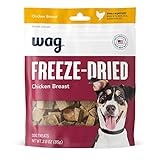
Overview: Amazon’s WAG freeze-dried chicken breast turns one humble ingredient into a lightweight, shelf-stable training goldmine. The 3-oz pouch yields roughly 90 marble-sized pieces that rehydrate in seconds if you want soft rewards for puppies.
What Makes It Stand Out: The price undercuts nearly every national freeze-dried brand while still being sourced and processed in the USA—no Chinese chicken, no bulk fillers, no mystery oils coating your fingers.
Value for Money: $48/lb sounds shocking until you realize 3 oz = ½ cup; one pouch seasons an entire 30-lb bag of kibble or funds a month of daily obedience sessions. You’re paying for water removal, not water weight.
Strengths and Weaknesses:
+ Single ingredient, zero grease, snap-easily texture
+ Resealable pouch keeps pieces from powdering
– Very low odor—great for pockets, bad for scent-driven dogs
– Freeze-dried edges can be sharp; break into pea-size bits for small mouths
Bottom Line: A lean, clean high-value reward for trainers who hate handling slimy meat. Buy two pouches; they disappear fast once your dog tastes the first cube.
8. Pur Luv Dog Treats, Chicken & Sweet Potato Jerky Wraps, Made with Real Chicken, 16 Ounces, Rawhide Free, Healthy, Easily Digestible, Long Lasting, High Protein Dog Treat, Satisfies Dog’s Urge to Chew
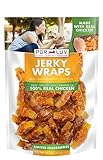
Overview: Pur Luv wraps thin sheets of real chicken around a sweet-potato stick, creating a 100 % rawhide-free chew that lasts 3–5 minutes for a 40-lb dog. The 16-oz clear tub keeps 30–35 wraps fresh without refrigeration.
What Makes It Stand Out: Unlike single-ingredient jerkies, the dual-texture design satisfies both the urge to gnaw and the desire for actual nutrition—sweet potato adds fiber while chicken delivers 24 % crude protein.
Value for Money: At $1 per ounce you’re paying jerky prices, but you’re also replacing rawhide rolls that can cost the same and carry digestive risks. One wrap equals the calories of a large biscuit, so use sparingly.
Strengths and Weaknesses:
+ Rawhide-free, limited ingredient, easy to snap in half for small dogs
+ No corn, soy, or sugar—rare among grocery-store chews
– Contains glycerin to keep pliability—some owners avoid humectants
– A 16-oz tub is bulky for apartment pantries
Bottom Line: A solid middle-ground chew: safer than rawhide, longer-lasting than biscuits, affordable enough for daily dental distraction. Great for moderate chewers; power Pit bulls will gulp in 30 seconds.
9. A Better Treat – Organic Freeze Dried Chicken Breast Dog Treats, Organic, Single Ingredient | Natural Healthy High Value | Gluten Free, Grain Free, High Protein, Diabetic Friendly | Made in The USA

Overview: A Better Treat stakes its claim as the first USDA-certified organic, single-ingredient freeze-dried chicken. The 2-oz pouch holds airy shards that crumble easily over kibble or serve as a 3-calorie training morsel.
What Makes It Stand Out: Organic certification extends beyond the bird to the entire processing facility, giving immune-compromised or diabetic dogs the cleanest possible protein. The company publishes lab assays: 81 % protein, 6 % fat, zero detectable pesticides.
Value for Money: $8.50 per ounce is premium, but comparable to boutique freeze-dried cat treats—yet you get twice the weight. For allergy dogs, the price beats repeated vet visits triggered by mystery additives.
Strengths and Weaknesses:
+ Organic, human-grade, non-greasy fingers
+ Collagen-rich breast meat supports skin & coat
– Shards can powder in transit—save the dust as a food topper
– Not resealable; transfer to a jar immediately
Bottom Line: If your dog has allergies, diabetes, or you simply chase the cleanest label possible, this is the gold standard. Budget-conscious shoppers can reserve it for high-value moments only.
10. Vital Essentials Chicken Breast Dog Treats, 2.1 oz | Freeze-Dried Raw | Single Ingredient | Premium Quality High Protein Training Treats | Grain Free, Gluten Free, Filler Free

Overview: Vital Essentials freeze-dries chicken breast within 45 minutes of harvest, locking in a raw nutritional profile while keeping kibble-level convenience. The 2.1-oz sleeve is compact enough for hiking pockets yet packs 70+ pea-size rewards.
What Makes It Stand Out: The brand’s “butcher-cut” philosophy means you’ll see actual muscle striation, not uniform nuggets—proof of minimal processing. Protein clocks in at 70 % (as-fed), highest among mainstream freeze-dried treats.
Value for Money: $68.50/lb is the steepest of the group, but you’re buying raw nutrition without freezer burn. One 2.1-oz bag seasons 20 lbs of kibble or funds six weeks of weekly obedience class.
Strengths and Weaknesses:
+ Lightning-fast rehydration, ultra-high protein, no fillers
+ Packaging includes oxygen absorber—flakes stay pristine
– Price prohibits liberal handing-out; reserve for jackpot rewards
– Edges can be sharp for dogs under 10 lbs—break carefully
Bottom Line: The closest you’ll get to handing your dog a piece of your own raw chicken breast—without salmonella risk on your fingers. Stock up during sales; the shelf life is two years unopened.
Why Diabetic Dogs Need Specialized Treats
Every time your dog eats, glucose enters the bloodstream. Insulin’s job is to escort that glucose into cells. When insulin is insufficient or ineffective—as in diabetes—excess sugar lingers, wreaking havoc on organs, nerves, and eyes. Standard biscuits can contain 20–30 g of fast-absorbing carbohydrates per serving, the human equivalent of a candy bar. Specialized treats are engineered to minimize post-prandial glucose surges while still satisfying canine taste buds.
The 2025 Regulatory Landscape: What “Diabetic-Friendly” Really Means
The AAFCO still refuses to define “diabetic” as an official nutritional adequacy claim, leaving manufacturers to self-police. In 2025, the FDA’s heightened scrutiny of “functional” claims means brands must provide peer-reviewed data or risk warning letters. Translation: if a package shouts “diabetic safe” but offers no glycemic-response study, leave it on the shelf.
Core Nutritional Criteria: Beyond the Marketing Hype
Glycemic Load vs. Glycemic Index: The Numbers That Matter
A treat’s glycemic index (GI) tells you how quickly carbs turn into glucose, but glycemic load (GL) adjusts for portion size. Aim for GL < 5 per 10 g biscuit—roughly half a standard milk bone.
Fiber Matrix: Soluble, Insoluble, and Fermentable Ratios
Diabetic-friendly snacks should deliver ≥ 8% crude fiber on an as-fed basis, ideally with a 60:30:10 split of insoluble, soluble, and fermentable fibers. This slows gastric emptying and produces beneficial short-chain fatty acids that improve insulin sensitivity.
Protein Quality: Bioavailability and Amino Acid Score
Look for treats with a Protein Digestibility-Corrected Amino Acid Score (PDCAAS) ≥ 0.9. Single-source novel proteins—think rabbit, krill, or insect meal—reduce inflammatory burden and are less likely to trigger food sensitivities that can indirectly aggravate glucose volatility.
Decoding Labels: Red Flags & Green Lights in the Ingredient List
First five ingredients compose ~80% of the product. A green-light profile lists a named animal protein, a low-glycemic legume or seed flour, and functional fibers such as chickpea hulls or psyllium within those top five spots. Red flags: generic “cereal by-products,” maltodextrin, dextrose, sweet potato flakes, or cane molasses masquerading as “natural flavor.”
Caloric Density & Portion Control: Doing the Math
Most diabetic dogs need 45–55 kcal per kg of ideal body weight daily for maintenance. Treats should not exceed 7–10% of total calories. Seek products divisible into ≤ 3 kcal portions—the 2025 trend toward “micro-bites” makes this easier than ever.
Sweeteners in 2025: Natural Isn’t Always Safe
Monk fruit and allulose have entered the pet space. Allulose is generally recognized as non-glycemic in canines, but doses > 0.5 g/kg can cause osmotic diarrhea. Stevia glycosides are safe up to 0.3% of diet. Avoid xylitol—still lethal even at low doses.
Functional Add-Ins: From Chromium to Beta-Glucans
Chromium propionate (0.2 mg/kg treat) and cinnamon extract (polyphenol ≥ 4%) appear in 2025 formulations to enhance insulin receptor activity. Beta-glucans from Saccharomyces cerevisiae modulate gut microbiota, improving post-meal glucose curves by 15–20% in pilot studies.
Preservatives & Shelf Stability Without Sacrificing Safety
Natural tocopherol mixes (mixed alpha, gamma, delta) now replace BHA/BHT in premium diabetic lines. Vacuum-packed “soft-moist” treats must still stay below 0.85 water activity to prevent mold without potassium sorbate, a compound that can aggravate diabetic kidneys at chronic high doses.
Texture & Dental Health: Soft Chews vs. Crunchy Biscuits
Crunchy textures mechanically reduce tartar but often require starch gelatinization—think rice flour—that spikes glucose. Soft chews can be gentler on aging teeth and allow higher inclusion of fiber-rich ingredients. The compromise? Dual-texture treats: a porous baked shell surrounding a fiber-loaded inner core.
Special Dietary Subsets: Pancreatitis, Kidney Disease & Multi-Morbid Dogs
If your diabetic dog also carries a pancreatitis history, scrutinize fat guarantee: ≤ 7% as-fed. For early-stage CKD, phosphorus should sit below 0.8% and sodium under 0.3%. Few brands meet all three criteria—plan to rotate or custom-order.
Sustainability & Ethical Sourcing in 2025
Carbon-footprint labels debuted on select pet SKUs this year. Look for the Pet Sustainability Coalition’s “Positive Pawprint” icon—verified supply chains emitting < 1.1 kg CO₂e per kg of finished treats. Upcycled apple pulp, spent brewery grains, and black-soldier-fly meal are leading low-carb, eco-friendly carb alternatives.
Price vs. Value: Budgeting for Daily Treats Without Compromise
Premium diabetic treats average $1.20–$1.80 per oz. Calculate cost per kcal rather than cost per bag; a 3-kcal micro-bite at 12¢ each may look pricier than a 30-kcal biscuit at 20¢, but the true cost per calorie is 4¢ vs. 0.67¢. Build the per-calorie line item into your monthly pet budget spreadsheet.
Transitioning Safely: Introducing New Treats in a Glucose Curve Trial
Introduce any new treat over three days. Test baseline fasting glucose, then give one half-portion treat mid-morning with no meal change. Use a continuous glucose monitor or hourly glucometer check; post-prandial rise should remain < 30 mg/dL above baseline. Log results and share with your vet before permanent inclusion.
Vet Partnerships: What to Ask Your Nutrition-Savvy Veterinarian
Bring the treat’s full nutrient analysis (not just the guaranteed analysis) and ask three questions: 1) Will this alter my dog’s current insulin dosage? 2) Can this treat replace part of the daily fiber target? 3) Are its functional additives evidence-based for canines?
Home-Prepared Supplements: Pairing Store-Bought Treats with Whole-Food Toppers
Even the best commercial treat can bore your dog. Rotate in vet-approved toppers—think steamed green beans, air-dried chicken breast strips, or a teaspoon of plain kefir—to add sensory variety without breaching carb quota. Track the glycemic impact of each addition in a shared spreadsheet.
Looking Forward: Tech & Trends on the Horizon
AI-formulated custom treats, 3-D printed to your dog’s exact glucose response, are in beta trials. Expect QR codes on packaging that sync with smart feeders, automatically adjusting meal calories when a treat is dispensed. Until then, arm yourself with the filtering skills above and you’ll outsmart even the flashiest marketing.
Frequently Asked Questions
-
Can I give my diabetic dog fruits like blueberries or apples as treats?
Stick to low-glycemic berries (≤ 2–3 per day) and always subtract those carbs from the meal allowance. -
Are grain-free treats automatically better for diabetic dogs?
Not necessarily—some grain-free formulas swap corn for tapioca, which has a higher glycemic index. -
How many treats can my diabetic dog have per day?
Cap total treat calories at 10% of daily caloric needs, typically 1–4 small pieces depending on size. -
Is it safe to use training treats that contain honey?
Avoid any treat whose first three ingredients include honey, molasses, or maple—rapid glucose spikes are almost guaranteed. -
Do I need to change insulin timing when I give low-carb treats?
Generally no, but always confirm with a 12-hour glucose curve test after introducing any new snack. -
What’s the ideal crude fiber percentage in a diabetic dog treat?
Aim for ≥ 8% as-fed, with a mix of soluble and insoluble sources for optimal glycemic control. -
Can puppies eat diabetic-formulated treats?
Most are safe for pups over 12 weeks, but verify the AAFCO growth statement and calcium:phosphorus ratio. -
Are freeze-dried meat treats carb-free?
Pure meat treats have virtually zero carbs, yet check for sneaky coatings like maltose used to reduce dust. -
Should I be concerned about sodium in diabetic treats?
Yes—choose options with ≤ 0.3% sodium to protect kidneys and mitigate hypertension risk. -
How can I tell if a treat is spiking my dog’s glucose at home?
Use a pet CGM or test blood at +1, +2, and +3 hours post-treat; a rise > 30 mg/dL warrants discontinuation.