Dogs with powerful jaws like Pitbulls present a unique challenge when it comes to finding toys that can withstand their chewing strength. For many pet owners, the cycle of purchasing new toys every few days becomes both expensive and frustrating, not to mention potentially dangerous if dogs ingest pieces of destroyed toys. Finding genuinely chew-proof options requires understanding what makes a toy durable and how different materials and designs perform against determined chewers. This comprehensive guide will help you navigate the world of durable dog toys, focusing on what truly stands up to aggressive chewing while keeping your beloved pet safe and engaged.
The importance of appropriate chew toys extends far beyond simple entertainment; proper chewing satisfies natural canine instincts, promotes dental health, and provides essential mental stimulation. For powerful breeds that were historically bred for tenacity, the right chew toy becomes an essential tool for both physical and emotional well-being. As we explore the characteristics of genuinely durable chew toys, remember that each dog is an individual with unique preferences and chewing styles, making it important to consider multiple factors beyond just durability.
Top 10 Chew Proof Dog Toys
Detailed Product Reviews
1. Frienhund Tough Dog Toys for Aggressive Chewers 3 Pack, Indestructible Dog Toy for Large Dogs, Bacon Flavored, Keeps Dogs Busy

Overview: The Frienhund Tough Dog Toys come as a 3-pack of bacon-flavored, bone-shaped nylon toys designed specifically for aggressive chewers and large dogs. These toys are marketed as a durable alternative to real bones that can withstand prolonged chewing sessions with real bacon flavoring added to make them irresistible. The bone shape makes them easy for pets to pick up and chew, while the sturdy nylon construction is designed to be stronger than actual bones.
What Makes It Stand Out: The most distinctive feature is the 3-for-1 pricing model, making these more affordable per toy than many competitors. The bacon flavoring uses real bacon, which dogs can distinguish from artificial alternatives. The bone-shaped design provides a familiar shape that dogs naturally enjoy, and the toys are made from sturdy nylon designed specifically for aggressive chewers. Frienhund also recommends using the toys for interactive play by filling them with treats like peanut butter.
Value for Money: At $16.99 for a 3-pack ($5.66 per toy), these offer good value, especially considering their durability for aggressive chewers. The pricing is competitive with similar products on the market, and the ability to get three toys rather than one justifies the cost. However, the recommended 10-minute chewing sessions might reduce longevity if followed precisely, making the actual value depend on how intensely your dog chews.
Strengths and Weaknesses: Strengths include three toys at an affordable price point, durable nylon construction, real bacon flavoring, and potential for interactive play. Weakneses are that they’re only recommended for large dogs, suggesting they may not hold up for smaller breeds; the bacon flavor might diminish over time; and the recommended 10-minute sessions may reduce long-term value.
Bottom Line: The Frienhund Tough Dog Toys offer excellent value for large, aggressive chewers with their 3-for-1 pricing and durable construction. The bacon flavor and bone shape make them appealing to most dogs, and they serve well as both chew toys and interactive playthings when filled with treats. If you have a large dog that tends to destroy toys quickly, this 3-pack provides an affordable solution, though monitoring chew time according to recommendations will help maximize their lifespan.
2. WinTour Tough Dog Toys for Aggressive Chewers, Indestructible Dog Chewers for Medium & Large Breeds, Squeaky Durable Chew Toys to Keep Them Busy, Reduce Boredom, Teeth Cleaning, Bacon Flavor

Overview: The WinTour Tough Dog Toy comes as a single shark-shaped chew toy designed for medium to large aggressive chewers (20-80 lbs). Constructed from food-grade nylon at both ends with natural rubber in the middle, it features a built-in squeaker and an uneven texture designed to help clean teeth as dogs chew. Priced at $9.99, the toy is marketed as a tough alternative to real bones that can withstand vigorous chewing while providing dental benefits through its textured surface.
What Makes It Stand Out: The shark design with its built-in squeaker creates a more engaging interactive experience than simple bone or stick toys. The rubber part is 30% thicker than many competing dog toys, adding to its durability claims. The dual material construction (nylon and rubber) combines toughness with dental benefits, while the bacon flavor is embedded throughout rather than just on the surface. This thoughtful design aims to both satisfy the dog’s urge to chew and promote dental health.
Value for Money: At $9.99 for a single toy, this is moderately priced in the range of indestructible chew toys. While it costs more than basic toys, the dual-material construction and 30% thicker rubber design justify this premium for aggressive chewers. The claim that it lasts for weeks could make it cost-effective compared to cheaper toys that need frequent replacement, potentially saving money in the long run despite the higher initial investment.
👍 Pros
- The shark shape with squeaker for added engagement
- 30% thicker rubber for enhanced durability
- Dual-material construction combining toughness with dental benefits
- And embedded bacon flavoring
👎 Cons
- Are the shark shape might not appeal to all dogs
- Extremely aggressive chewers might still damage it despite durability claims
- And it only comes as a single toy rather than a multi-pack option to reduce per-toy cost
Bottom Line: The WinTour Tough Dog Toy offers a good balance between durability and interactive play with its shark design and squeaker. The dual-material construction provides both toughness and dental benefits, making it functional beyond simple chewing. At $9.99, it’s reasonably priced but potentially very cost-effective if it withstands vigorous chewing as advertised. It’s well-suited for medium to large dogs weighing 20-80 lbs who need durable toys but also appreciate interactive elements. However, extremely aggressive chewers could still potentially damage it, so supervision is recommended, especially during initial use.
3. Benebone Wishbone Durable Dog Chew Toy for Aggressive Chewers, Real Bacon, Made in USA, Medium

Overview: The Benebone Wishbone is a premium chew toy designed specifically for aggressive chewers in a medium size. Priced at $12.74, it’s made in the USA with a wishbone-shaped design that provides a paw-friendly grip for dogs. Unlike many toys, Benebone uses 100% real bacon for flavor rather than artificial alternatives. The toy is constructed from nylon materials designed to be tougher than real bones and is marketed to last for weeks of vigorous chewing, backed by a satisfaction guarantee and personalized customer service.
What Makes It Stand Out: The use of 100% real bacon flavoring is a significant differentiator, as most toys use artificial alternatives. The wishbone shape is specifically designed with a curve that makes it easy for dogs to pick up and chew, addressing the fact that dogs don’t have thumbs like humans do. The American manufacturing process suggests higher quality control and materials. Benebone’s commitment to personalized customer service with real people rather than automated systems adds value to the purchase.
Value for Money: At $12.74, this toy is positioned in the higher-end range for dog chew toys, but justifies this price through several factors: the use of real bacon flavor, American manufacturing, and durability claims for aggressive chewers. While it costs more than basic toys, if it truly lasts for weeks as advertised, it could be more cost-effective than cheaper replacements that get destroyed quickly. The satisfaction guarantee also reduces the financial risk if the product doesn’t meet your dog’s chewing needs.
👍 Pros
- 100% real bacon flavoring that dogs clearly prefer
- Wishbone shape designed specifically for how dogs grip objects
- Materials tougher than real bones
- American manufacturing with higher quality control
- And a satisfaction guarantee with personalized customer service
👎 Cons
- Are the higher price point
- The wishbone shape might not appeal to all dogs
- Limited flavor options
- And the hardness of the material might be uncomfortable for some dogs to chew for extended periods
Bottom Line: The Benebone Wishbone offers a premium chew toy experience with its real bacon flavoring and dog-centric design. While it comes at a higher price point, the quality materials, American manufacturing, and durability claims may justify the cost for those with aggressive chewers. The wishbone shape is thoughtfully designed to accommodate how dogs naturally pick up objects, making it more user-friendly for pets than many alternatives. For dog owners willing to invest in a longer-lasting, higher-quality chew toy backed by excellent customer service, Benebone represents a solid choice, though the cost might be prohibitive for some budgets.
4. Dog Toys for Aggresive Chewers – Tough,Indestructible Dog Toys for Large, Medium,Small Breed to Keep Them Busy
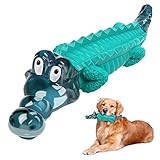
Overview: This dog toy features a cartoon alligator design with milk flavoring that’s appealing to dogs across various sizes, from small to large breeds (20-100 lbs). Priced at $9.99, it’s claimed to have been tested with various powerful breeds including German Shepherds, Pit Bulls, Huskies, and Labradors. The toy includes raised sections designed to help clean dogs’ teeth during chewing, potentially reducing dental issues while providing entertainment. Beyond its functional aspects, it’s also marketed as a suitable gift option for various pet-related occasions.
What Makes It Stand Out: The alligator-shaped design creates visual interest and sets it apart from more traditional bone or rope toys. The milk flavoring provides an alternative to the more common bacon flavor found in many chew toys, offering variety that might be especially appealing to dogs who are less interested in bacon-flavored options. The textured surface with raised portions offers dental benefits by helping to clean teeth as dogs chew, combining entertainment with health benefits. The claim of testing with various powerful aggressive chewer breeds suggests above-average durability.
Value for Money: At $9.99, this toy is competitively priced in the range of durable chew toys. The all-in-one approach of entertainment, dental benefits, and durability claims makes it potentially more valuable than simpler toys. While it’s not the cheapest option on the market, the claims of testing with powerful breeds suggest it might last longer than cheaper alternatives, making it more cost-effective over time. The compatibility with dogs ranging from 20-100 lbs also means owners might only need to buy one type of toy for multiple pets of different sizes.
👍 Pros
- Working for a wide range of dog sizes
- Milk flavor providing novelty compared to more common bacon flavors
- Alligator design with texture that helps clean teeth
- Being tested with various powerful aggressive chewer breeds
- Being easy to clean with soap and water
- And being easy to spot in yards due to bright colors
👎 Cons
- Are the cartoon alligator shape might not appeal to all dogs
- Extreme chewers might still damage it despite durability claims
- Limited information about exact materials
- And no features for interactive play beyond basic chewing
Bottom Line: This alligator-shaped dog toy offers a good balance of price, durability, and functionality for dogs of various sizes. The milk flavor provides a pleasant alternative to more common bacon options, while the textured surface offers dental benefits during playtime. At $9.99, it’s competitively priced for a durable chew toy, though extremely aggressive chewers might still manage to damage it. The alligator design adds visual interest beyond typical shapes, potentially making it more appealing to some dogs. It’s a solid middle-ground option for owners looking for a reasonably durable toy that can help with dental maintenance without breaking the bank.
5. Vitscan Upgraded Goose Indestructible Dog Toys for Aggressive Chewers Small Medium Large Breed, Crinkle Squeaky Plush Dog Puppy Chew Toys for Teething, Duck Puppy Toys

Overview: The Vitscan Upgraded Goose Dog Toy is a plush toy designed in a pineapple plaid pattern, featuring both a squeaker and crinkle paper inside for multi-sensory appeal. Priced at $14.99, it’s marketed for small, medium, and large breeds and claims to be durable enough to last from puppyhood through adulthood. The toy includes special convex and concave surfaces designed to help with teething and dental cleaning. Beyond basic chewing, the goose shape with its long neck allows for various interactive play styles including tug-of-war, fetch, and cuddling.
What Makes It Stand Out: This toy distinguishes itself through its combination of plush exterior with durable construction, promising longevity through multiple life stages when many plush toys quickly deteriorate. The dual-sound design with both a squeaker and crinkle paper provides more stimulation than single-sound toys, engaging a dog’s auditory senses. The pineapple plaid pattern offers visual variety beyond typical solid-color toys, which can prolong interest. The versatile design supports multiple types of play and interaction, from independent chewing to owner engagement, making it more multifunctional than simple chew toys.
Value for Money: At $14.99, this toy is at the higher end of plush toy pricing, but the claim that it can be used from puppyhood through adulthood suggests potential long-term value. The multi-sensory approach (touch, sound, visual) may provide more stimulation than simpler toys, justifying the price. The versatility in play styles (chewing, tugging, fetching) means it can serve multiple purposes, potentially reducing the need for other specialized toys. However, as a plush toy, its durability with extremely aggressive chewers may be limited despite “upgraded” claims.
👍 Pros
- The multi-sensory design with squeaker and crinkle paper
- Claimed durability across different life stages
- Compatibility with various dog sizes and breeds
- Textured design intended to clean teeth during play
- Support of multiple play and interaction styles
- And visual variety with the pineapple plaid pattern
👎 Cons
- Are that as a plush toy
- It may not withstand extremely aggressive chewers despite claims; the higher price point compared to standard plush toys; limited information about material durability; and the complexity with squeakers and crinkle paper could create choking hazards if damaged
Bottom Line: The Vitscan Upgraded Goose Dog Toy offers a versatile, multi-sensory play experience that aims to bridge the gap between plush toys and durable chew toys. While the $14.99 price is higher than standard plush toys, the claims of durability across different life stages and the support of multiple play styles may justify the cost for many owners. The pineapple plaid design provides visual appeal, while the textured surfaces
6. Kseroo Tough Dog Toys, Toys for Aggressive Chewers Large Breed, Chew Dogs, Bone Toy Nylon Dogs Almost Indestructible

Overview: Kseroo Tough Dog Toys offer a durable chewing solution specifically designed for aggressive chewers and large breed dogs. At $11.99, these nylon toys promise to withstand even the most persistent chewing while promoting healthy teeth and providing mental stimulation.
What Makes It Stand Out: The decade-long professional experience in the dog toy market gives credibility to their durability claims. The multi-functional nature stands out as it not only satisfies chewing instincts but also serves as a training tool and anxiety reliever. The dental health benefits through teeth grinding add an extra dimension beyond simple play.
Value for Money: While $11.99 places these toys in the budget-to-mid-range category, the potential longevity could make them cost-effective over time. This price point represents good value for owners tired of constantly replacing destroyed toys.
👍 Pros
- The durable nylon construction
- Teeth-safe design
- And versatility in training and exercise
👎 Cons
- Include potentially limited visual appeal compared to more interactive toys
- And while designed for large breeds
- Extremely powerful chewers might still damage them over time
Bottom Line: Kseroo Tough Dog Toys provide a practical solution for aggressive chewers owners seeking durable, affordable options that address both play and dental health needs.
7. Best Pet Supplies Crinkle Dog Toy for Small, Medium, and Large Breeds, Cute No Stuffing Duck with Soft Squeaker, Fun for Indoor Puppies and Senior Pups, Plush No Mess Chew and Play – Yellow

Overview: The Best Pet Supplies Crinkle Dog Toy is a duck-shaped, no-stuffing interactive toy priced at $5.99. Designed for small to large breeds, it features crinkle material and a squeaker to engage dogs without creating a mess.
What Makes It Stand Out: The no-stuffing design immediately distinguishes it from traditional plush toys, preventing the mess of ripped-open toys. The crinkle material offers sensory engagement that many dogs find irresistible, while the reinforced stitching adds durability to an otherwise delicate toy category.
Value for Money: At $5.99, this toy represents exceptional value as an entry-level interactive option. The price makes it ideal for trial use, multiple dog households, or owners on a budget who still want engaging toys for their pets.
👍 Pros
- The affordable price point
- Mess-free design
- Engaging crinkle and squeaker features
- And cute duck shape that appeals to many dogs
👎 Cons
- Include limited durability for aggressive chewers
- Potential for quick destruction by determined chewers despite reinforced stitching
Bottom Line: Best Pet Supplies Crinkle Dog Toy offers excellent value as an engaging, mess-free option for light to moderate chewers, though it may not withstand the most persistent chewers’ efforts.
8. MAXBECK Dog Companion for Heavy Chewers- Indestructible Robust Bear Dog Toy, Resistant Squeaky Dog Toys for Heavy Chewers, Unbreakable Stuffed Plush Dog Toys for Aggressive Chewers (A-Navy)

Overview: The MAXBECK Dog Companion Bear is a premium plush toy priced at $18.99, specifically engineered for heavy chewers. Combining a realistic bear design with reinforced construction, it aims to provide long-lasting play while promoting healthy chewing habits.
What Makes It Stand Out: The claim of “unparalleled durability” sets this product apart, along with its focus on promoting healthy chewing behavior rather than just providing entertainment. The internal vocalization system that keeps dogs engaged even when alone addresses separation anxiety, adding therapeutic value to its function as a toy.
Value for Money: At $18.99, this toy sits in the premium price range. The value proposition lies in potential longevity and multifunction benefits—addressing health, behavior, and play—which could save money and frustration over time for owners of destructive dogs.
👍 Pros
- The focus on durability for heavy chewers
- Bear design for engagement
- Squeakers for interest
- And the claimed dental health benefits
👎 Cons
- Include the higher cost
- “indestructible” claims that may be exaggerated
- And limited color options
Bottom Line: MAXBECK Dog Companion Bear offers a premium solution for owners with aggressive chewers who are willing to invest more for potential longevity and added behavioral benefits beyond simple play.
9. goDog Bubble Plush Dragons Squeaky Dog Toy, Chew Guard Technology – Coral, Large
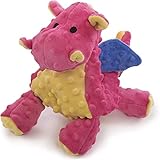
Overview: The goDog Bubble Plush Dragon squeaky toy, priced at $15.99, features a distinctive dragon design with Chew Guard Technology to enhance durability. Available in small and large sizes, it aims to provide engaging play with added resilience.
What Makes It Stand Out: The imaginative dragon shape differentiates it from typical animal-shaped toys, potentially appealing to dogs and owners alike. The Chew Guard Technology provides a specialized claim of increased durability that distinguishes it from standard plush toys. The availability in different sizes ensures compatibility with various breeds.
Value for Money: At $15.99, this toy represents a mid-range investment. The value comes from the potential extended lifespan promised by Chew Guard Technology and the engaging dragon design that may maintain interest longer than simpler toys.
👍 Pros
- The unique dragon design
- Chew Guard Technology for added durability
- Squeaker for engagement
- And size options for different breeds
👎 Cons
- Include limited information about materials and testing
- And the relatively high price for a plush toy without explicit indestructibility claims
Bottom Line: goDog Bubble Plush Dragon offers an imaginative design with enhanced durability technology, potentially providing better longevity than standard plush toys while maintaining engaging play features.
10. Carllg Dog Chew Toys for Aggressive Chewers, Indestructible Tough Durable Squeaky Interactive Dog Toys, Puppy Teeth Chew Corn Stick Toy for Small Medium Large Breed
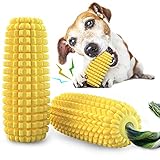
Overview: The Carllg Dog Chew Toy, priced at $12.99, features a unique corn-shaped design with zigzag patterns specifically created for dental cleaning. Made from durable TPR material, it aims to satisfy chewing instincts while promoting dental health for small to large breeds.
What Makes It Stand Out: The innovative corn shape with dual-direction cleaning surfaces is the most distinctive feature, addressing dental health while providing entertainment. The TPR material claims flexibility combined with durability, striking a balance between being gentle on teeth while resisting destruction.
Value for Money: At $12.99, this toy offers mid-range pricing with a dual benefit of chewing satisfaction and dental care. This two-function approach could enhance its value over single-purpose toys, particularly for health-conscious owners.
👍 Pros
- The unique dental cleaning design
- Durable TPR material
- Squeaker for engagement
- And suitability for all dog sizes
👎 Cons
- Include the potentially exaggerated “almost indestructible” claim
- Limited color options
Bottom Line: Carllg Dog Chew Toy provides practical dental benefits combined with durability for aggressive chewers, offering an engaging solution that addresses both play and health needs dog owners prioritize.
Understanding Your Dog’s Chewing Behavior
The Science Behind Canine Chewing
Chewing is an innate behavior in dogs that serves multiple purposes beyond simple entertainment. Puppies chew to alleviate teething discomfort, while adult dogs chew to maintain dental health, relieve anxiety, burn energy, and explore their environment. The force a dog can exert while chewing varies significantly based on breed, age, and individual temperament. Powerful jaw muscles combined with specialized teeth allow certain breeds to generate tremendous pressure, making standard toys disintegrate in minutes rather than months.
From a biological perspective, dogs have evolved to chew as a survival mechanism. In the wild, chewing helps access nutrients from bones and tough hides, while also strengthening jaw muscles essential for hunting and defense. This evolutionary background explains why many domestic dogs, particularly certain breeds, retain powerful chewing instincts even when their primary needs are met by their human caregivers.
Identifying Your Dog’s Chewer Type
Understanding where your dog falls on the chewer spectrum is essential for selecting appropriate toys. Chewer types typically range from gentle, occasional chewers to moderate and power chewers. Power chewers, often found in breeds like Pitbulls, Rottweilers, and Mastiffs, can exert over 200 PSI (pounds per square inch) of pressure, powerful enough to crush bone and destroy most conventional toys. These dogs often chew not just for stimulation but as a primary method of interacting with their environment.
Several indicators can help identify your dog’s chewer type: how quickly they destroy toys, the size of pieces they break off, their focus on chewing versus other play behaviors, and whether they attempt to chew non-toy items. Pay attention to these patterns as they’ll help you gauge the durability level necessary when selecting your dog’s toys.
Why Dogs Need Appropriate Chew Toys
Providing suitable chew toys serves multiple critical functions for your dog’s wellbeing. First and foremost, appropriate channels for chewing protect your home from damage as dogs seek appropriate outlets for this natural behavior. Second, quality chew toys help maintain dental health by mechanically removing plaque and tartar buildup as dogs gnaw. Third, chew toys serve as valuable tools for mental stimulation, particularly important for intelligent breeds that can become bored without adequate engagement.
For dogs with high energy levels or those prone to anxiety, chew toys provide constructive outlets that prevent the development of destructive behaviors. When dogs have appropriate chew objects, they’re less likely to direct their chewing tendencies to furniture, shoes, or other inappropriate items. Furthermore, proper chewing helps strengthen jaw muscles and satisfies natural instincts, contributing to happier, healthier pets both physically and psychologically.
Why Regular Dog Toys Don’t Work for Aggressive Chewers
Common Materials That Fail
Standard dog toys typically utilize materials simply not designed to withstand the powerful jaws of determined chewers. Plastics, rubber compounds, and nylon of lower quality grades can easily be punctured, torn, or chewed into pieces when confronted with persistent and powerful chewing. These inferior materials often contain chemical softeners that may actually increase a dog’s desire to chew while simultaneously breaking down faster when exposed to saliva and mechanical stress.
The failure points of conventional toys often aren’t immediately visible but develop progressively with each chewing session. Micro-cracks form in the material that eventually expand into larger tears and potential ingestion hazards. What appears intact to human observers may already be compromised in ways that could endanger your dog, highlighting why regular dog toys simply cannot meet the needs of power chewers without frequent replacement.
Potential Dangers of Inadequate Toys
When toys aren’t designed to withstand aggressive chewing, they create several potential hazards. The most immediate risk is the ingestion of toy fragments, which can cause intestinal blockages requiring emergency veterinary intervention. Small pieces can get lodged in the digestive tract, leading to perforation, infection, or expensive surgical procedures to remove foreign objects.
Beyond physical dangers, inadequate toys can contribute to behavioral problems. When consistently unable to successfully chew an object, some dogs may become increasingly frustrated, potentially redirecting their frustration toward other items or people. The cycle of destruction can also create anxiety or obsessive tendencies in dogs that derive comfort from their chewing activities. These combined risks make selecting truly durable toys essential for both safety and behavioral health.
Economic and Emotional Costs of Replacing Toys
The financial burden of constantly replacing destroyed toys adds up significantly over time. Power chewers can go through what seems like an endless supply of toys, with owners spending hundreds or even thousands of dollars annually on replacements. Beyond the direct costs, there’s the environmental impact of this disposable approach, with countless plastic and nylon toys ending up in landfills each year.
Emotionally, the cycle of toy destruction can be taxing for pet owners who invest time and money into selecting appropriate items only to see them destroyed within minutes or hours. This frustration can lead to feelings of inadequacy as an owner or create tension in the human-animal bond when owners must restrict access to toys they know will be destroyed. Addressing this challenge by investing in genuinely durable options saves money, reduces waste, and improves the quality of life for both dogs and their humans.
What Makes a Toy “Chew Proof”
Material Science Behind Durable Toys
Genuinely chew-resistant toys utilize advanced material science to withstand powerful jaws. High-grade polymers specifically engineered for durability, such as certain types of rubber and thermoplastic elastomers, form the foundation of these tough toys. These materials combine elasticity to withstand repeated compression with molecular density that resists puncturing and tearing. The manufacturing process significantly impacts durability, with rotational molding, compression molding, and specialized vulcanization techniques creating products with superior structural integrity.
Compounding further enhances these materials, with additives that increase durability without compromising safety. Food-grade reinforcements, natural fibers, and specialized polymers work together to create materials that remain flexible yet resistant to breaking down under mechanical stress. The best manufacturers continually invest in research to develop new compounds specifically designed to meet the demands of power chewers, pushing the boundaries of what’s possible in chew toy durability.
Design Features That Enhance Durability
Beyond material selection, thoughtful design significantly impacts a toy’s ability to withstand aggressive chewing. Reinforced stress points distribute pressure across the entire structure rather than concentrating it in vulnerable areas. Seamless construction eliminates weak points where tears typically begin, while strategic texturing provides multiple gripping surfaces that give dogs better leverage without compromising structural integrity.
The geometry of chew toys plays a crucial role in durability as well. Toys with uniform thickness and symmetrically distributed weight stand up to chewing better than irregularly shaped items that create natural weak points. Many durable toys incorporate interactive elements like treat compartments or textured surfaces while maintaining structural integrity through clever engineering. Designs that challenge dogs from multiple angles—requiring manipulation, problem-solving, and chewing—often endure longer than single-purpose toys as they engage different aspects of the dog’s behavior.
Testing Standards and Chew Proof Claims
The pet toy industry lacks standardized testing protocols for durability claims, making it challenging for consumers to evaluate products objectively. Reputable manufacturers typically conduct extensive internal testing, often using specialized equipment that replicates the force and motion of aggressive chewing. Some brands employ third-party laboratories to validate their durability claims, providing objective measurements of their products’ resistance to various types of chewing forces.
When evaluating products, look for manufacturers who transparently describe their testing methodology and provide realistic expectations about the toy’s lifespan. Be wary of absolute terms like “indestructible” or “chew-proof,” as no material can withstand all chewing scenarios indefinitely. Instead, focus on manufacturers who acknowledge their limitations while demonstrating thorough testing processes and standing behind their products with satisfaction guarantees.
Key Features to Consider When Choosing Chew Proof Toys
Material Quality Assessment
When evaluating chew-proof toys, material quality should be your primary consideration. Look for products made from food-grade, non-toxic materials that can withstand repeated chewing without breaking down into harmful pieces. The best materials maintain their integrity over time without becoming brittle or developing micro-cracks that could lead to larger failures. Premium rubber compounds specifically designed for durability, reinforced nylon with appropriate density, and sustainably sourced natural materials typically represent the gold standard in chew toy construction.
Pay attention to manufacturing quality as well, with consistent material composition throughout the toy being essential. Touch and inspect toys for weak points, thin sections, or irregularities that could compromise durability. Reputable manufacturers typically invest heavily in quality control processes to ensure their products meet consistent standards. When examining materials, consider both immediate durability and long-term performance, as some toys may withstand initial chewing but deteriorate prematurely with continued use.
Size and Appropriateness for Your Dog
Toys that are too small pose choking hazards, while oversized toys may be difficult for dogs to manipulate and engage with effectively. The ideal size depends on both your dog’s physical dimensions and their individual chewing style. As a general guideline, toys should be large enough that they cannot fit entirely in your dog’s mouth or be swallowed whole yet small enough they can be comfortably carried and manipulated.
For powerful chewers, consider toys with slightly thicker walls and reinforced construction even when selecting appropriately sized options. Some manufacturers produce specific lines for different chewer types, often categorized as gentle, moderate, and power chewer toys. Remember that size preferences can vary even within breeds, so observe your dog’s natural behaviors and adjust your selection based on their reactions to different toy sizes and types.
Safety Considerations
Safety should remain paramount when selecting any chew toy, regardless of claims of durability. Inspect toys regularly for developing damage, even those marketed as chew-proof. Look for warning signs such as small pieces breaking off, changes in texture, or unusual odors that might indicate material degradation. The safest approach combines durable construction with responsible supervision, particularly when introducing new toys or when dogs are left unsupervised.
Consider your dog’s individual chewing habits and tendencies when evaluating safety. Some dogs may be able to defeat even the most durable toys through persistent effort or unique chewing techniques. Monitor your dog’s interaction with new toys initially to assess appropriateness and watch for any adverse reactions to materials. Always consult with your veterinarian if you notice unusual symptoms after your dog chews on particular toys, as some materials may cause allergic reactions or other sensitivities in certain dogs.
Engagement Beyond Durability
The most successful chew toys balance longevity with engagement, addressing both the physical chewing need and the mental stimulation aspects of play. Interactive elements like treat compartments, puzzle features, and multiple textures maintain interest even for dogs who can destroy simpler toys quickly. Consider your dog’s preferences and personality—some dogs prefer the challenge of problem-solving toys, while others engage more with toys they can manipulate successfully.
Durability shouldn’t come at the expense of play value. The best toys offer appropriate resistance while still being “defeatable” in some way, providing satisfaction as dogs work through their chewing instincts. Consider toys that offer different textures for mouthfeel variety, audible feedback during play, or unpredictable movement patterns that mimic prey behavior for increased engagement value. Toys that tap into multiple aspects of your dog’s instincts tend to provide more satisfaction and last longer in both function and interest.
Special Considerations for Powerful Breeds Like Pitbulls
Breed-Specific Chewing Tendencies
Pitbulls and similar breeds often exhibit particular chewing behaviors that influence toy selection. Historically developed for tasks requiring tenacity and determination, these breeds frequently approach toys with a level of focus few other dogs can match. Their strong natural drive to “win” when presented with a challenge means they may persist with toys even when frustrated, increasing the need for genuinely durable options.
Physical characteristics also play a role, with powerful jaw muscles specialized for exerting sustained pressure rather than quick tearing. This means Pitbulls may methodically work at toys rather than destroying them in explosive bursts, requiring materials that can withstand prolonged stress without developing weak points. Understanding these breed-specific tendencies allows for more informed toy selection that matches both the physical and behavioral aspects of these remarkable dogs.
Size and Strength Considerations
Even within breeds known for powerful chewing, individual dogs may have different mouth sizes and jaw strengths. When selecting toys, consider not just breed generalizations but your specific dog’s conformation and developed musculature. Larger Pitbulls with substantial bone structure may require heavier-duty toys than smaller individuals of the same breed.
Weight and muscle distribution matter as well, with dogs who regularly carry objects or engage in pulling activities often developing stronger neck and shoulder muscles that complement their jaw strength. Consider these physical characteristics when evaluating potential toys, remembering that the demands on a toy include not just chewing forces but also throws, shaking, and carrying activities that may compromise structural integrity over time.
Toy Rotation Strategies
For powerful chewers, rotating toys strategically can prolong the lifespan of each item while maintaining engagement. A well-managed rotation system prevents dogs from focusing destructive energy on a single toy until it breaks, instead distributing chewing behavior across multiple durable options. Consider establishing a rotation schedule where toys alternate between access periods, keeping some items out of reach while others are in use to maintain novelty and prevent obsession with any particular toy.
Toys that incorporate food delivery or puzzle elements especially benefit from rotation, as their engagement value naturally decreases once dogs master the challenge. By rotating these toys before they become boring, you maintain their problem-solving appeal and ensure continued interest. Document how long each toy lasts under your dog’s chewing to better understand their individual patterns and inform future purchasing decisions.
Balancing Fun, Safety, and Longevity
Mental Stimulation Through Durable Toys
For intelligent breeds that require significant mental engagement, chew toys can serve as puzzle platforms when properly designed. The challenge lies creating toys that provide appropriate cognitive challenge while maintaining structural integrity against persistent chewing. Some durable toys incorporate treat compartments or puzzle elements accessible through strategic chewing, satisfying both mental stimulation and physical instincts simultaneously.
Consider your dog’s problem-solving abilities when selecting interactive chew toys. Dogs who quickly master simple puzzles may benefit from more complex designs that require innovative manipulation. The ideal mental stimulation toy presents an appropriate level of challenge—difficult enough to maintain interest but not so difficult that frustration develops. This balance ensures continued engagement while preventing the development of negative associations with the toy or the chewing activity.
Interactive Elements for Long-Lasting Engagement
Adding interactive features significantly extends the functional lifespan of chew toys by engaging different aspects of your dog’s behavior. Treat-dispensing mechanisms, sound elements, and movement challenges all contribute to maintaining interest beyond the initial chewing phase. These elements transform toys into multi-functional play items that address diverse needs, making each session unique even with the same object.
AspectRatio is crucial when incorporating interactive elements, as they should enhance rather than compromise the toy’s core durability. Features that allow dogs to “win” or achieve satisfaction after appropriate effort tend to maintain interest longer than those that present either insurmountable challenges or immediate gratification. Consider how different interactive elements might perform under your dog’s specific chewing pattern and select options that align with their individual strengths and preferences.
The Investment Perspective: Quality Over Quantity
While durable toys typically require higher initial investment, they represent better long-term value than constantly replacing cheaper alternatives. When evaluating cost, consider the price per hour of safe use rather than just the upfront cost. High-quality chew-proof toys may cost more initially but can last months or even years with appropriate use, ultimately saving money while reducing waste.
Beyond financial considerations, quality chew toys contribute significantly to your dog’s wellbeing and your peace of mind. The time investment in proper toy selection pays dividends through reduced anxiety in your dog, decreased household destruction, and fewer emergency veterinary visits due to ingested foreign objects. Rather than viewing chew toys as disposable items, consider them essential components of your dog’s care regimen that deserve the same thoughtful selection as food, bedding, and healthcare.
Maintaining Your Dog’s Chew Toys
Cleaning and Sanitization
Proper maintenance extends the lifespan and safety of even the most durable chew toys. Different materials require specific cleaning approaches—rubber toys often benefit from dishwasher cycles (if manufacturer-approved), while nylon and composite materials may require hand washing with appropriate pet-safe cleaners. Establish a regular cleaning schedule, typically after extended chewing sessions or when visible dirt accumulates, to prevent bacterial growth and maintain hygiene.
Food residue in crevices or treat compartments creates particular challenges, potentially harboring bacteria or encouraging mold growth. Pay special attention to these areas, using specialized brushes or pipes cleaners to remove trapped material. Allow toys to dry completely before returning them to your dog, as moisture can accelerate deterioration in even the most durable materials. Implementing a cleaning routine not only extends toy life but also prevents potential health issues from contaminated playthings.
Warning Signs of Wear
Regular inspection helps identify when even durable toys have reached the end of their safe lifespan. Look for structural changes such as thinning walls, developing cracks, or discoloration that might indicate material fatigue. Changes in texture, particularly areas that feel gummy unusually soft, suggest material breakdown that could lead to failure. Any part of the toy that can be torn or broken off with minimal pressure should be considered hazardous.
Develop a systematic inspection routine, checking each toy thoroughly before and after supervised play sessions. Create a calendar tracking the introduction date of each toy and note any developing degradation patterns. When in doubt about a toy’s safety, remove it from use rather than risk potential ingestion of harmful fragments. Remember that some dogs may swallow pieces even before visible damage is apparent, making regular monitoring essential.
Proper Storage of Durable Toys
How and where you store chew toys significantly impacts their longevity and performance. Extreme temperatures can compromise even the most durable materials, so avoid leaving toys in direct sunlight, near heating vents, or in freezing conditions. Moisture environments similarly accelerate deterioration, so store toys in dry, temperature-controlled areas after thorough cleaning.
Storage organization helps maintain toy integrity as well. Avoid storing heavy toys on top of softer ones that could become deformed under pressure. Consider separate storage based on material type or chew intensity to prevent unintended contact that might damage less durable items. For interactive toys with moving parts, store them in a way that preserves these components, keeping mechanisms functional and prolonging their effective lifespan.
Frequently Asked Questions
-
How can I tell if a toy is genuinely durable enough for my power-chewing dog?
-
Are there specific materials I should avoid when selecting chew toys for aggressive chewers?
-
How often should I replace my dog’s chew toys, even those marketed as indestructible?
-
Can chew-proof toys help with my dog’s dental health, or do I need separate dental care?
-
What should I do if my dog swallows a piece of a supposedly chew-proof toy?
-
How can I encourage my dog to play with durable toys rather than household items?
-
Are there safety certifications I should look for when purchasing chew-resistant toys?
-
Can durable chew toys help manage my dog’s anxiety and destructive behaviors?
-
How do I know when my dog has outgrown a particular size or type of chew toy?
-
Are there eco-friendly options for genuinely chew-proof dog toys?