10 Best Calming Toys For Dogs with Anxiety [2026 Vet-Recommended]
Affiliate disclosure: Paws Dynasty is reader-supported. We may earn a commission when you buy through links on our site, at no extra cost to you. As an Amazon Associate, we earn from qualifying purchases. Learn more about our affiliate disclosure
In this guide 8 sections
For many dog owners, witnessing their beloved pet suffer from anxiety is heart-wrenching. Whether it’s the sound of thunderstorms, separation when you leave for work, or nervousness around new people and environments, canine anxiety manifests in various ways that can significantly impact both your dog’s well-being and your peace of mind. As veterinary professionals increasingly recognize the prevalence of anxiety disorders in dogs, the market has seen an evolution in therapeutic solutions designed to help our furry friends cope. Among these innovative tools, calming toys have emerged as a vet-recommended first-line approach for managing mild to moderate anxiety. These specially designed items work through sensory engagement, psychological comfort, and often include features that directly address the neurological pathways associated with stress responses in dogs.
The year 2025 brings exciting advancements in canine anxiety management, with veterinary behaviorists and pet product developers collaborating to create evidence-based solutions that make a real difference in dogs’ lives. As our understanding of canine psychology deepens, so does the sophistication of calming tools available to us. From pressure wraps that mimic canine comforting behaviors to puzzle toys that redirect anxious energy, these products aren’t just about keeping dogs busy—they’re about providing concrete pathways to emotional regulation and peace of mind for our anxious companions. This comprehensive guide explores the essential considerations when selecting calming toys for your anxious dog, key features to prioritize, how to effectively introduce these tools, and how they fit into a broader anxiety management plan designed by veterinary professionals.
Top 10 Calming Toys For Dogs
Quick picks
10 picks comparedAdvertiser disclosure: We may earn a commission from links on this page, at no extra cost to you. How we review





Prices and availability can change. Check Amazon for the current price and details.
Detailed Product Reviews
1. Original Snuggle Puppy Toys – Heartbeat Puppy for Dogs – Pet Anxiety Relief and Calming Aid – Comfort Dog Toys for Behavioral Training
Overview: The Original Snuggle Puppy Toys is a specially designed comfort toy for dogs that simulates a mother’s heartbeat to help reduce anxiety and stress. Priced at $39.95, this toy has been a market leader since 1997, providing comfort to over 2 million pets worldwide. It features a removable heartbeat module that operates on two included AAA batteries and comes in a durable, machine-washable design.
What Makes It Stand Out: The Real-Feel Heartbeat technology is the standout feature, mimicking a mother’s natural heartbeat to calm anxious dogs. The Pacified Pup Promise shows confidence in the product, with the company guaranteeing satisfaction. Its hypoallergenic materials and machine-washable design set it apart from competitors, adding practicality to its anxiety-relief benefits.
Value for Money: At $39.95, this premium toy commands a higher price tag than basic chew toys. However, its proven effectiveness, durability, and multi-functionality as both a comfort item and training aid justify the cost. The company’s satisfaction guarantee further reduces the financial risk for potential buyers seeking a reliable solution for their pet’s anxiety.
Strengths and Weaknesses: The toy excels in providing genuine anxiety relief and aiding in crate training, with many users reporting improved sleep for both pets and owners. Its durable construction and washable materials add practical value. However, the heartbeat module may eventually fail, and some power-chewing dogs might damage the toy despite its intended durability. The price point could be prohibitive for pet owners on a budget.
Bottom Line: The Original Snuggle Puppy Toy is a well-regarded solution for pet anxiety that delivers on its promises in most cases. While the initial investment is significant, the relief it provides anxious pets and improved sleep for owners make it worthwhile for dogs experiencing severe separation anxiety or behavioral issues. It’s particularly recommended for new puppy owners or those with rescue dogs adjusting to new environments.

2. Outward Hound Dogwood Wood Durable Dog Chew Toys, Real Wood & Calming Hemp, 2-Pack, Medium
Overview: The Outward Hound Dogwood Wood chew toys offer a two-pack of natural wood and hemp-infused alternatives to traditional sticks. Priced at just $8.99, these toys are designed to satisfy dogs’ natural chewing instincts while providing a safer and cleaner option. Available in various sizes, they cater to small, medium, and large dogs, making them a versatile choice for multi-pet households.
What Makes It Stand Out: The combination of real wood and calming hemp sets these toys apart from conventional rubber or plastic chews. This natural approach appeals to dogs’ instinctual desires while offering the calming benefits of hemp. Their wood texture provides a satisfying chewing experience without the risk of splinters associated with natural sticks, making them both safe and enjoyable.
Value for Money: At less than $5 per toy, the Outward Hound Dogwood chew toys offer exceptional value. The dual-pack design provides immediate replacement if one toy is damaged, extending the product’s lifespan. Their affordability makes them accessible for pet owners who want to provide enrichment without making a significant financial commitment, especially for dogs that go through toys quickly.
Strengths and Weaknesses: These toys excel in satisfying natural chewing urges while being gentler on teeth and gums than hard plastic alternatives. The hemp scent provides an additional sensory experience many dogs find appealing. However, very aggressive chewers may destroy these toys faster than expected, limiting their longevity for determined chewers. Some dog owners might also prefer completely solid toys without the hemp filling, which could potentially be extracted by persistent pets.
Bottom Line: The Outward Hound Dogwood Wood chew toys represent an excellent budget-friendly option for pet owners seeking natural alternatives to traditional chew toys. While they may not withstand the most vigorous chewers indefinitely, their price point makes them an economical choice that can be regularly replaced. These toys are particularly recommended for light to moderate chewers and for owners who prefer natural materials for their pets. Their calming properties also make them suitable for anxious dogs who benefit from soothing scents.

3. WEOK Heartbeat Puppy Toy, Comfort Cuddler Pillow, Dog Anxiety Relief Calming Aid,Heartbeat Stuffed Toy for Dogs,Puppy Heartbeat Toy Sleep Aid,Dog Heartbeat Toy for Pet
Overview: The WEOK Heartbeat Puppy Toy is a comfort-anxiety relief device designed to help dogs cope with separation anxiety, loneliness, and environmental stressors. Priced at $31.59, this plush toy features a realistic heartbeat simulation module that mimics a mother’s pulse, providing comfort similar to what puppies experience with their litter. It’s designed for use during crate training, at night, or in stressful situations for pets of all ages and sizes.
What Makes It Stand Out: The realistic heartbeat technology is the defining feature, offering a more therapeutic approach to anxiety relief than standard comfort toys. Unlike simple plush toys, the WEOK device provides an actual physiological comfort mechanism that taps into a dog’s natural instincts. Its versatility for both puppies and elderly dogs, combined with its effectiveness as a behavioral training aid, makes it a multi-functional pet care product.
Value for Money: At $31.59, the WEOK Heartbeat Toy is positioned as a mid-range option compared to other anxiety relief products. The long-term benefits of reduced anxiety, easier training, and improved sleep for both pets and owners justify the price for many dog owners. The device’s battery operation and simple on/off switch further add to its practical value, as the plush cover is machine washable while the electronic components can be easily removed.
Strengths and Weaknesses: The toy’s primary strength is its scientifically-backed approach to anxiety relief, with many reporting significant improvements in their pets’ behavior. Its durability and machine-washable design enhance its practicality for everyday use. However, some users have noted that the heartbeat module may feel less realistic than premium alternatives, and the device’s battery life could be longer for extended comfort needs. The one-size-fits-all approach might not work equally well for every dog’s specific anxiety triggers.
Bottom Line: The WEOK Heartbeat Puppy Toy offers a scientifically grounded approach to addressing dog anxiety at a reasonable price point. While it might not work for every dog, its effectiveness for many pet owners makes it a worthwhile investment for dogs struggling with separation anxiety or behavioral issues. Particularly recommended for new puppies experiencing anxiety during their first nights in a new home or for rescue dogs adjusting to their new environments. Its combination of physical comfort and physiological simulation make it more than just a simple plush toy.

4. Best Pet Supplies Crinkle Dog Toy for Small, Medium, and Large Breeds, Cute No Stuffing Duck with Soft Squeaker, Fun for Indoor Puppies and Senior Pups, Plush No Mess Chew and Play – Yellow
Overview: The Best Pet Supplies Crinkle Dog Toy is an affordable, duck-shaped chew toy designed to provide entertainment without the mess associated with traditional stuffed toys. Priced at just $5.99, this toy features a crinkle material inside and a soft exterior, making it appropriate for small, medium, and large breeds. Its no-stuffing design appeals to pet owners tired of cleaning up after torn toys, while the duck shape adds an element of playful interaction.
What Makes It Stand Out: The crinkle material is the toy’s defining feature, creating an engaging sensory experience that captures dogs’ attention without requiring traditional stuffing. The reinforced fabric and stitching extend its lifespan compared to similarly priced toys, while the duck shape provides a distinct visual appeal that many dogs find irresistible. This combination of sensory engagement and durability makes it stand out in the budget toy category.
Value for Money: At $5.99, this toy represents exceptional value in the pet toy market. Its no-mess design and reinforced construction provide longevity that far exceeds many comparably priced alternatives. For pet owners with multiple dogs or those whose pets frequently destroy toys, the cost-effectiveness is particularly notable. The toy’s versatility for various play styles—tossing, retrieving, or gentle chewing—further enhances its value proposition.
Strengths and Weaknesses: The toy’s strengths include its affordable price point, crinkle material that engages dogs’ interest, and no-stuffing design that prevents messy clean-ups. The duck shape is generally appealing to pets and fits well in different-sized mouths. However, the toy may be quickly destroyed by aggressive chewers or larger breeds, limiting its lifespan in those cases. Some dogs might lose interest once the initial crinkle novelty wears off, and the squeaker component may eventually cease functioning with persistent play.
Bottom Line: The Best Pet Supplies Crinkle Dog Toy is an excellent budget option for pet owners seeking engaging, low-mess playthings for their dogs. While it may not withstand the most enthusiastic chewers indefinitely, its price point makes it easily replaceable. This toy is particularly recommended for small to medium-sized dogs, puppies during teething, or as a secondary toy in households with multiple pets. Its combination of sensory engagement and practical design makes it an accessible choice for pet owners on a budget who still want to provide quality play experiences for their dogs.
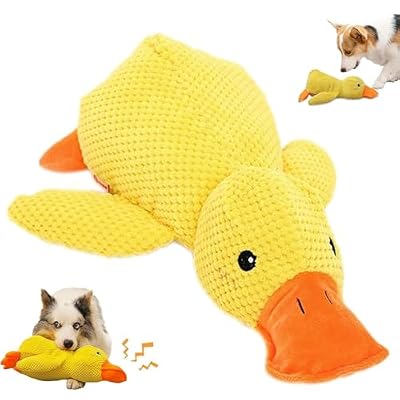
5. Mellow Dog Calming Duck, 2025 New Yellow Duck Dog Toy, The Mellow Ducks Calming Pillow, Dogs Ducks Toy with Quacking Sound for Indoor Dogs (Yellow)
Overview: The Mellow Dog Calming Duck is an innovative toy that combines play features with anxiety relief techniques for dogs. Priced at $18.88, this yellow duck-shaped toy emits a quacking sound when bitten, providing both entertainment and potential stress relief for dogs. It’s designed to function not just as a chew toy but also as a comforting companion that dogs can cuddle with or use as a pillow, particularly useful for dogs experiencing anxiety or behavioral issues.
What Makes It Stand Out: The dual-functionality as both an interactive toy and a calming device sets this product apart from traditional chew toys. The quacking sound feature adds an element of realistic interaction that many dogs find engaging, while its pillow-like shape provides different sensory experiences than conventional balls or ropes. The combination of active play potential with calming capabilities creates a versatile toy suitable for various situations and dog temperaments.
Value for Money: At $18.88, this toy falls into the mid-range price category for pet products. Its multi-functional nature—capable of serving as chew toy, comfort object, and interactive play item—provides good value for the price point. The chew-resistant materials also contribute to its value by potentially extending its lifespan compared to similarly priced alternatives. However, the actual durability may vary depending on the dog’s chewing habits and size.
Strengths and Weaknesses: The toy’s strengths include its versatility in play styles, the realistic quacking sound that captures dogs’ interest, and its durable construction designed to withstand enthusiastic play. Its calming properties may be beneficial for anxious dogs, and the pillow shape provides a different tactile experience than typical toys. However, some owners might find the quacking sound irritating, particularly in multi-pet households or small living spaces. The toy’s effectiveness as a calming device may vary significantly between individual dogs, with some showing no particular reaction to the sound features.
Bottom Line: The Mellow Dog Calming Duck offers an innovative approach to pet play by combining interactive elements with potential calming benefits. While its effectiveness may vary between dogs, the toy’s versatility makes it worth considering for pet owners seeking a multi-use item that can serve different purposes throughout the day. It’s particularly recommended for indoor dogs that need both mental stimulation and comfort objects, as well as for owners who want to reduce their dog’s anxiety through engaging play. The mid-range price point is justified by its dual functionality, though potential buyers should consider their individual dog’s preferences and chewing tendencies before making a purchase.

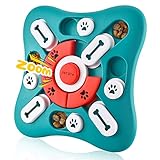
6. Dog Puzzle Toys – Interactive, Mentally Stimulating Toys for IQ Training & Brain Stimulation – Gift for Puppies, Cats, Dogs
Overview: The Dog Puzzle Toys are interactive mentally stimulating toys designed for IQ training and brain stimulation for pets. This 10x10x1.3 inch puzzle features three ways to play and functions as an upgraded slow feeder that can extend feeding time beyond 20 minutes. The toy combines spinning, sliding, and seeking activities that challenge pets’ smell senses and paw abilities to find hidden food rewards.
What Makes It Stand Out: What makes this puzzle toy exceptional is the unique squeak button that captures pets’ attention immediately, along with its three difficulty levels and 16-hole treat dispenser design. Most importantly, it features non-removable parts with built-in play elements that fold tightly, preventing potential choking hazards while still providing engaging mental challenges.
Value for Money: At $13.99, this puzzle toy offers excellent value considering its durable construction, multiple difficulty levels, and dual functionality as both a stimulating puzzle and a slow feeder. The non-toxic materials ensure pet safety, while the anti-slip base adds practicality. The 20+ minute feeding extension also promotes better digestion for pets.
Strengths and Weaknesses: Strengths include the non-removable parts design enhancing safety, the multi-level difficulty that grows with your pet, the 20+ minute feeding extension, and the anti-slip bottom during use. The dishwasher safe feature adds convenience. Weaknesses might be that it may not challenge extremely intelligent dogs for long periods, and some pets may become frustrated initially with the higher difficulty levels requiring guided learning.
Bottom Line: This dog puzzle toy is an excellent investment for pet owners looking to provide mental stimulation and slow feeding benefits. Its thoughtful design balances entertainment with practicality, offering value beyond typical treat toys. While it may require some supervision initially, the durable construction and safety features make it worth the $13.99 price tag. Highly recommended for most dogs and cats looking for engaging mental challenges.

7. Multipet Lamb Chop Dog Plush Toy – Squeaky Dog Toy for Small & Medium Dogs – Extra Soft Plush Dog Toy – Stuffed Animal Dog Toy for Cuddling & Playing – Cute Pet Toy (10″, Cream, 5 Squeakers)
Overview: The Multipet Lamb Chop Dog Plush Toy is a soft, cuddly toy designed for small to medium dogs, measuring 10 inches. Based on the classic and beloved character created by Shari Lewis, this toy features an extra plush exterior and five internal squeakers to provide both cuddling comfort and playtime entertainment.
What Makes It Stand Out: What distinguishes this toy is its dual functionality as both a comfort object and a plaything. The five strategically placed squeakers maintain the toy’s appeal even if one or two fail over time. Additionally, the character recognition factor gives this toy a special appeal for both dogs and their owners, creating an emotional connection that many generic dog toys lack.
Value for Money: At $6.89, this plush toy offers good value for money, considering its quality construction and the entertainment it provides. While some dogs may go through plush toys quickly, the reasonable price point means it won’t break the bank if replacement becomes necessary. It’s an affordable way to introduce classic entertainment to your pet’s toy collection.
Strengths and Weaknesses: Strengths include the soft, plush exterior that’s perfect for cuddling, the multiple squeakers that extend play value, the classic design that appeals to both pets and owners, and the modest size suitable for small to medium dogs. Weaknesses include the need for supervision (as noted by the manufacturer), potential durability issues with aggressive chewers, and the lack of any special features like treat dispensing or interactive elements beyond the squeakers.
Bottom Line: The Multipet Lamb Chop Dog Plush Toy is an excellent choice for small to medium dogs that enjoy comfort toys with play value. While not designed for aggressive chewers, it offers nostalgic charm and dual functionality at a reasonable price. For $6.89, it provides quality entertainment and comfort, though its longevity will depend on your dog’s chewing style. Best suited for gentle play and supervised snuggling rather than heavy-duty chewing.

8. SPOT Soothers- Tabbie Lambie Dog Toy-Separation Anxiety Toys for Dogs, Stuffing Free, Scented with Calming Lavender Fragrance Beads to Safely Calm and Relax Dogs and Puppies, 12in
Overview: The SPOT Soothers Tabbie Lambie is a 12-inch dog toy specifically designed to address separation anxiety and stress in pets. This unique toy features artificial lavender fragrance beads infused in a heart-shaped pouch to provide aromatherapy benefits without the potential risks of natural lavender. The toy combines stress-relief features with multi-textured elements and a squeaker for engagement during stressful situations.
What Makes It Stand Out: The standout feature is the lavender aromatherapy element that promotes relaxation in anxious pets. Unlike many anxiety toys, this one uses artificial fragrance beads for safety while maintaining the calming benefits. The stuffing-free design prevents messy cleanups common with plush toys, and the multi-textured ribbon tabs provide sensory engagement without the hazards of removable parts.
Value for Money: Priced at $9.99, the Tabbie Lambie offers good value considering its specialized purpose as an anxiety relief toy. The quality construction and safety features justify the price point, especially for pet owners with dogs prone to anxiety. The stuffing-free design also extends the toy’s lifespan compared to traditional plush toys, making it a cost-effective solution for long-term use.
Strengths and Weaknesses: Strengths include the lavender aromatherapy for anxiety relief, the stuffing-free design for easy cleanup and durability, the hidden squeaker for entertainment, the multi-textured surface for sensory engagement, and the heart-shaped pouch which pets often find comforting. Weaknesses include the potential for the scent to fade over time, the larger size (12″) may not be ideal for small dogs, and the lack of chew resistance for aggressive chewers.
Bottom Line: The SPOT Soothers Tabbie Lambie is an excellent solution for pet owners with anxious dogs, offering aromatherapy benefits in a safe, stuffing-free design. While not designed for heavy chewing, its purpose-specific features make it stand out in the anxiety toy market. At $9.99, it provides value for pets experiencing stress from separation, travel, or loud noises. Most effective when used as part of a comprehensive anxiety management strategy rather than as a standalone solution.

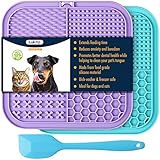
9. LUKITO Lick Mat for Dogs & Cats 2 Pack with Suction Cups, Dog Lick Mat for Anxiety Relief, Dog Toys to Keep Them Busy, Peanut Butter Licking Pad for Boredom Reducer, Perfect for Bathing Grooming
Overview: The LUKITO Lick Mat for Dogs & Cats is a two-pack of silicone mats designed to provide anxiety relief and mental stimulation through licking. Each mat features 77 super suction cups to securely attach to smooth surfaces like walls, glass, or refrigerators, making them ideal for distracting pets during stressful activities like bathing, grooming, or nail trimming.
What Makes It Stand Out: What distinguishes these lick mats is the impressive 77-suction cup system that creates a secure attachment to vertical surfaces, allowing for hands-free distraction during grooming. The four distinct texture patterns provide varied sensory experiences, while the food-grade silicone construction ensures both durability and safety for pets. The dual-pack offer at $9.99 adds further value to this already innovative product.
Value for Money: At $9.99 for a two-pack ($5.00 per mat), these lick mats offer excellent value. The versatility in usage during various activities, the multi-textured surfaces that prevent boredom, and the ability to freeze the mats for longer-lasting enjoyment all contribute to the cost-effectiveness. The food-grade silicone material ensures longevity beyond cheaper alternatives, making this a worthwhile investment in your pet’s mental well-being.
Strengths and Weaknesses: Strengths include the strong 77-suction cup attachment system that works well on smooth surfaces, the four different textural surfaces preventing boredom, food-grade silicone material that’s both safe and durable, dishwasher and freezer safe for convenience, and their effectiveness in reducing anxiety during stressful situations. Weaknesses include the suction cups only working on completely smooth surfaces, potential difficulty cleaning the textured areas, and the mats may not stick well if there’s any moisture between the mat and surface.
Bottom Line: The LUKITO Lick Mat 2-pack is a versatile and practical tool for pet owners looking to reduce anxiety and provide mental stimulation during stressful activities. While the suction cup attachment limits placement options, the mats’ effectiveness during grooming routines and vet visits justifies their inclusion in any pet care toolkit. At $5.00 per mat, they represent an affordable solution to common pet stressors and are best used with spreadable treats or frozen mixtures for maximum calming effect.

10. SIHRMIU 2 Pack Dog Chew Toys for Aggressive Chewers,Boredom and Stimulating Best Dog Toys for Medium/Large Breed,Tough Almost Indestructible Dog Bones for Teeth Cleaning and Training
Overview: The SIHRMIU 2 Pack Dog Chew Toys are designed for aggressive chewers of medium to large breeds, featuring a durable nylon construction shaped like tree branches. These toys aim to satisfy dogs’ natural chewing instincts while promoting dental health through teeth cleaning. Each 7.4-inch toy is infused with enticing scents—brown toys have a bacon aroma while beige ones feature a woody scent—to encourage engagement and redirect destructive chewing behavior.
What Makes It Stand Out: What makes these toys stand out is their specialized design for powerful chewers, with a unique tree-fork shape that’s both eye-catching and functional. The innovative branch design allows for easy gripping without thumbs, addressing a natural challenge for dogs. Additionally, the 100% authentic scent infusion through a special smoking process creates lasting attraction that typical flavor-infused toys can’t match, enhancing the chewing experience.
Value for Money: At $11.77 for a two-pack ($5.88 per toy), these chew toys offer solid value for owners of medium to large, aggressive chewers. The durability factor likely means fewer replacements compared to standard toys, making the long-term cost reasonable. The dual-scent option (bacon and woody) provides variety for pets, potentially extending interest in both toys over time and maximizing the value of this purchase.
Strengths and Weaknesses: Strengths include the durable nylon construction specifically designed for aggressive chewers, the unique scents (bacon and woody) that attract dogs to chew, the easy-to-grasp branch design for enhanced play, the dental cleaning benefits reducing bad breath, and the safety testing on powerful breeds. Weaknesses include the hardness of the nylon which may damage teeth or gums in older dogs or those with dental issues, the lack of flexibility making it less appealing to some dogs, and the potential for chewing to create sharp edges.
Bottom Line: The SIHRMIU chew toys are an excellent investment for owners of medium to large, aggressive chewers seeking durable alternatives to standard toys. While not suitable for older dogs or those with sensitive teeth, the construction quality and enticing scents make them stand out in the indestructible toy category. At $5.88 per toy, they offer good value for powerful chewers, though supervision is always recommended during chew time. Best suited for dogs with strong teeth that enjoy firm textures and scented chews.
Understanding Canine Anxiety
Types of Anxiety in Dogs
Canine anxiety manifests in several distinct forms, each requiring tailored approaches to management. Separation anxiety remains one of the most commonly recognized types, characterized by distress when left alone. Generalized anxiety disorder affects some dogs, causing them to be perpetually on edge in various situations. Social anxiety emerges when dogs struggle to interact appropriately with humans or other animals, while noise anxiety specifically targets fear responses to loud or unexpected sounds like thunder, fireworks, or household appliances. Understanding the specific type of anxiety your dog experiences is the crucial first step toward selecting appropriate calming interventions.
Common Triggers
While dogs are resilient creatures, certain environmental and situational factors commonly trigger anxiety responses. These include changes in routine or household composition, loud noises like storms or fireworks, unfamiliar environments or people, separation from their primary caregiver, negative past experiences, lack of mental stimulation, and even certain health issues that can heighten underlying discomfort. By identifying these triggers, owners can proactively implement calming strategies and select toys specifically designed to address the situations that cause their dogs the most distress.
Recognizing the Signs
Anxious dogs communicate their discomfort through specific observable behaviors. Physical manifestations might include trembling, pacing, excessive drooling, panting despite comfort levels, attempts to escape, destructive behavior (especially when alone), and inappropriate elimination. More subtle signs involve changes in body language like pinned ears, tucked tails, whale eyes (showing whites), lip licking, yawning, and avoidance behaviors. Some dogs may exhibit displacement behaviors like sudden grooming or sniffing. Recognizing these signs early allows for timely intervention with appropriate calming tools before anxiety escalates to overwhelming levels.
The Science Behind Calming Toys
How Calming Toys Work
Calming toys leverage multiple scientific principles to help dogs manage stress. These products typically engage the dog’s senses to redirect focus from anxiety triggers, activate the parasympathetic nervous system responsible for relaxation, and provide healthy outlets for pent-up nervous energy. Many incorporate principles of cognitive enrichment, which helps dogs develop better emotional regulation abilities. By requiring focused attention on non-threatening stimuli, these toys engage the brain’s prefrontal cortex, effectively “overriding” panic responses. This phenomenon is similar to how humans use meditation or mindfulness techniques to manage stress—the focused attention creates neurological space for anxiety to subside.
Sensory Stimulation and Its Benefits
Sensory engagement forms the foundation of many effective calming toys, utilizing touch, smell, sight, and sometimes sound to redirect a dog’s focus. The calming effect of gentle, firm pressure—like that provided by weighted or compression-based toys—stems from the “deep touch pressure” theory, which suggests this type of stimulation can release oxytocin and reduce cortisol levels. Similarly, certain scents like lavender and chamomile, when incorporated safely into toys, can positively influence mood through olfactory pathways. Visual elements that create an illusion of proximity or safety tap into canine evolutionary instincts for secure denning spaces. These sensory approaches work synergistically to create a multi-faceted calming effect that addresses anxiety from multiple neurological angles.
The Psychological Impact
Beyond their immediate physiological effects, calming toys provide psychological comfort through several mechanisms. They create familiar, predictable objects of focus in unpredictable situations, establishing a sense of security and control for anxious dogs. Toys designed with hidden compartments or challenges offer mental stimulation that redirects nervous energy into productive tasks, preventing rumination on anxiety triggers. The process of manipulating these toys can also provide an outlet for stress-related behaviors that might otherwise manifest destructively or harmfully. Furthermore, the consistent positive experience associated with using calming toys helps build neural pathways that reinforce calm behaviors over time, potentially reducing the severity and frequency of anxious responses with continued use.
Key Features to Consider When Choosing Calming Toys
Material Safety and Durability
When selecting calming toys for an anxious dog, material safety should be your foremost consideration. Non-toxic, food-grade materials free from harmful chemicals like BPA, phthalates, and latex derivatives essential to protect curious dogs from ingesting potentially dangerous substances. The durability of the material directly impacts both safety and effectiveness—dogs under stress may chew with greater intensity, risking ingestion of toy fragments that could cause intestinal blockages. Look for robust construction that can withstand enthusiastic use without deteriorating rapidly. Additionally, materials that are easy to clean and maintain hygiene standards are crucial, as dirty toys can harbor bacteria that might exacerbate health issues in already stressed dogs.
Size and Appropriateness for Your Dog
The size of calming toys must align with your dog’s physical characteristics and chewing habits. Toys that are too small pose choking risks, while oversized options may be difficult for smaller dogs to manipulate effectively. Consider your dog’s weight, jaw strength, and typical chewing style when selecting dimensions. For instance, gentle chewers might appreciate plush toys with replaceable scent pouches, while strong chewers require more durable construction like reinforced rubber. Special consideration should be given to puppies, senior dogs, and those with dental sensitivities, who may benefit from toys with softer textures or gentler edges that won’t cause discomfort or injury during use. Appropriate sizing ensures both safety and the toy’s effectiveness as a calming tool.
Scent-Based Calming Features
Scent plays a powerful role in canine emotional regulation, making scent-integrated features valuable in many calming toys. Some products incorporate natural calming essential oils like lavender, chamomile, or valerian in safe concentrations to tap into dogs’ highly developed olfactory systems. Others include compartments for owners to add familiar scents like their own clothing or bedding, providing comfort through association. When selecting scent-based toys, verify that the fragrance system is designed to be non-irritating to sensitive canine noses and that oils are contained securely to prevent ingestion. Remember that scent preferences vary among dogs, so observe your pet’s reactions to different aromatic elements to determine what provides the most calming effect for your specific companion.
Texture and Sensory Elements
Tactile features in calming toys leverage dogs’ natural instinct to mouth and manipulate objects, providing sensory engagement that redirects anxious focus. Different textures serve distinct purposes—soft, plush textures may appeal to dogs seeking comfort through carrying and holding, while textured surfaces on chew toys can satisfy natural gnawing urges. Some calming toys strategically incorporate varying textures to maintain interest and provide different sensory experiences. For anxious dogs that benefit from oral comfort, features like raised nubs or gentle ridges can simulate the pressure of maternal licking or grooming, triggering calming endorphin release. Consider your dog’s specific sensory preferences and tactile sensitivities when selecting toys, as these personal recommendations will influence the product’s effectiveness.
Noise and Sound Properties
Sound can be both a trigger for anxiety and a tool for calming, depending on how it’s incorporated into toys. Some calming products emit gentle, low-frequency sounds that mimic comforting noises like maternal heartbeat or white noise, which can help dogs relax. Others include crinkle materials that produce soft, intriguing sounds that redirect attention without causing overstimulation. When evaluating sound-based features, consider your dog’s individual sound sensitivities. For noise-phobic dogs, toys with subtle or customizable audio options may work better than those with prominent electronic sounds. It’s also worth noting that quiet toys that can be manipulated without making noise may be preferable in situations where additional auditory stimulation could exacerbate stress, such as during thunderstorms or fireworks displays.
Interactive vs. Non-Interactive Options
Calming toys generally fall into two categories based on their interaction requirements, each serving different needs in anxiety management. Non-interactive toys, such as comfort items with pressure elements or calming scents, provide comfort on-demand without requiring engagement from the owner. These can be particularly useful during absences or when supervision isn’t possible. Interactive calming toys require owner participation and can strengthen the human-animal bond while providing focused attention that reduces anxiety. These might include food-dispensing puzzles or joint activities like hiding treats for the dog to find. Many owners find that rotating between both types provides comprehensive anxiety support—non-interactive options for independent comfort and interactive ones for bonding and structured calm during shared activities.
Portability and Travel Considerations
For dogs whose anxiety is particularly pronounced in unfamiliar environments or during travel, portable calming toys offer essential support. Consider products that are lightweight, compact, and easy to transport when selecting anxiety solutions for outings or travel scenarios. Some toys come with clips or attachment options for convenient transport on harnesses, carriers, or travel crates. The ability to maintain access to familiar comfort objects during transitions can significantly reduce stress related to changes in environment. Collapsible or space-saving designs are particularly valuable for minimizing baggage bulk while maintaining efficacy. Also consider whether the toy can serve multiple functions—addressing anxiety while also providing mental stimulation or comfort during potentially stressful situations like veterinary visits, car rides, or stays in unfamiliar accommodations.
How to Introduce Calming Toys to Your Anxious Dog
Proper Introduction Techniques
The initial introduction of a new calming toy significantly influences your dog’s acceptance and successful utilization of the anxiety-relief tool. Begin by allowing your dog to investigate the new object at their own pace in a familiar, low-stress environment. Encourage interaction using positive reinforcement like treats or praise when they engage with the toy appropriately. During the introduction phase, remain calm and avoid overexcitement, which might inadvertently signal that the toy is something to be anxious about. It’s often most effective to introduce the toy during periods when your dog is already somewhat relaxed, allowing them to form positive associations before the toy is deployed during actual anxiety-inducing situations. For scent-integrated toys, allow your dog to become accustomed to the aroma before full integration into their anxiety management routine.
Creating Positive Associations
Building positive associations with calming toys is essential for their success in anxiety management. Pair the toy with highly valued experiences, such as enjoyable activities, favorite treats, or quiet affection time. This creates a neurological connection between the toy and pleasant experiences, increasing its value as a comfort object. When using food-dispensing models, ensure the initial rewards are particularly enticing to establish strong positive reinforcement. Over time, gradually introduce the toy during mildly stressful situations to expand its association with relief and comfort rather than solely with highly positive experiences. Monitor your dog’s body language during these sessions, ensuring interactions remain positive and stress-free. Consistent positive pairing helps transform the toy from a novel object into a trusted resource for emotional self-regulation.
Gradual desensitization Approaches
For dogs with severe anxiety or specific triggers, combining calming toys with gradual desensitization techniques can enhance their effectiveness. Begin by exposing your dog to the source of their anxiety at a low intensity while simultaneously providing access to their calming toy. The toy serves as an anchor of comfort and distraction during gradual exposure to the stressor. For example, a dog with noise phobia might listen to recordings of the anxiety-inducing sound at low volume while engaged with a puzzle toy. As your dog remains calm with the supportive presence of the toy, gradually increase the intensity of the stressor while maintaining access to the comfort object. This systematic approach helps build resilience while providing dogs with a concrete tool for managing their emotional response. Always progress at a pace your dog can comfortably handle to prevent overwhelming their coping mechanisms.
Complementary Anxiety Management Strategies
Environmental Modifications
Beyond specific toys, environmental adjustments can significantly augment anxiety management for stressed dogs. Creating dedicated safe spaces with familiar bedding, toys, and an item with the owner’s scent provides dogs with secure retreats when they feel overwhelmed. Minimizing environmental stressors like excessive noise or visual disruptions during particularly sensitive periods helps maintain emotional equilibrium. For noise-sensitive pets, creating “white noise” environments using fans, music, or specialized apps can mask disturbing sounds. Ensuring consistent routines around feeding, exercise, and sleep helps reduce uncertainty that may trigger anxiety. Strategic use of pheromone diffusers like Dog Appeasing Pheromone (DAP) in areas where your dog spends most of their time can create a general sense of security that complements the targeted relief provided by calming toys.
Training Techniques
Training approaches specifically designed for anxiety management can work synergistically with calming toys to build long-term emotional resilience. Counter-conditioning helps transform negative responses to anxiety triggers by associating them with positive experiences. When paired with appropriate calming toys, this technique allows dogs to develop alternative emotional responses rather than defaulting to anxiety. Targeted training commands like “go to your mat” or “settle” provide dogs with clear behavioral directives during stressful situations, working in tandem with their comfort objects. Desensitization exercises, conducted gradually and systematically, help dogs build tolerance to previously fear-inducing stimuli while having access to their calming tools. Consistency in training approaches across different environments ensures that dogs can effectively utilize their anxiety-coping strategies regardless of context.
When to Consider Professional Help
While calming toys and environmental modifications effectively manage many cases of canine anxiety, recognizing when professional intervention becomes necessary is crucial. Consult a veterinarian if you observe severe anxiety symptoms like self-injury, complete refusal to eat during stress, or escalating intensity of anxious behaviors despite implemented interventions. A veterinary behaviorist or certified professional dog trainer can provide personalized assessments and develop comprehensive treatment plans that may include appropriate calming toys as part of a multi-faceted approach. In some cases, medication prescribed by a veterinarian might be necessary to reduce anxiety to a level where behavioral training and environmental modifications can be effectively implemented. Remember that seeking professional guidance isn’t a failure but rather a commitment to your dog’s wellbeing and quality of life.
Frequently Asked Questions
-
How long does it typically take for a dog to benefit from calming toys? The timeline for effectiveness varies among individual dogs, but many show positive responses within a few days to weeks of consistent use. Some dogs may demonstrate immediate comfort with certain toys, while others require more time to form positive associations. Key factors influencing this timeline include the severity of your dog’s anxiety, their personality, and how well the specific toy’s features align with their preferences. For optimal results, introduce toys before highly stressful situations to allow your dog adequate time to become comfortable with them.
-
Can calming toys completely eliminate my dog’s anxiety? While high-quality calming toys can significantly reduce anxiety symptoms, they typically work best as part of a comprehensive management approach rather than as standalone solutions. Most effective anxiety management strategies combine environmental modifications, behavioral training, and potentially veterinary-prescribed medications when needed. Calming toys provide valuable tools for emotional regulation and stress relief, but addressing the root causes of anxiety usually requires a more holistic approach tailored to your dog’s specific needs.
-
Are certain dog breeds more predisposed to anxiety, benefiting more from calming toys? While any dog can experience anxiety, certain breeds and individual dogs may have particular predispositions due to genetic factors, breeding purposes, or historical roles. For instance, herding breeds might be more prone to noise sensitivity due to their heightened environmental awareness, while breeds developed primarily for companionship may form stronger separation attachments. However, anxiety manifests uniquely in each dog regardless of breed, making toy selection a personal process based on individual needs and preferences rather than breed predictions alone.
-
How should I clean my dog’s calming toys to maintain their effectiveness and safety? Cleaning protocols depend on the toy’s material and specific features. Plush toys typically benefit from machine washing in hot water with pet-safe detergent, while rubber or silicone models can often be cleaned with warm soapy water or placed in the dishwasher if labeled as dishwasher-safe. Scent-integrated toys may require special attention—some allow for scent refills after cleaning, while others should have scent pouches removed before washing to preserve aromatic properties. Regular cleaning prevents bacterial buildup that could cause health issues or reduce the toy’s appeal to your dog, helping maintain both hygiene and effectiveness.
-
Is it possible for my dog to become over-reliant on calming toys? While dogs can develop positive associations with comfort objects, true dependency is uncommon when toys are used as part of a balanced anxiety management strategy. To prevent over-reliance, gradually alternate between different types of calming tools and incorporate other anxiety-management techniques like environmental modifications and training. The goal is to provide your dog with multiple coping mechanisms rather than just one, creating a more resilient response system that doesn’t depend solely on specific objects.
-
What signs indicate I should try a different type of calming toy? If your dog consistently ignores the toy, shows increased anxiety around it, or destroys it rapidly, these likely indicate it doesn’t meet their specific needs. Additionally, if the toy fails to reduce visible anxiety symptoms in multiple situations it should help with, reconsidering the selection may be beneficial. Pay attention to subtle preferences—some dogs may respond better to pressure-based items, while others prefer mental stimulation through puzzle components. Observing your dog’s individual comfort level and reactions helps refine the selection process over time.
-
Can I leave calming toys with my dog when I’m away from home? The suitability of leaving calming toys unsupervised depends on your dog’s chewing habits and the specific toy’s construction. For dogs that are gentle chewers, well-constructed durable toys can provide comfort during alone time. However, anxious dogs may exhibit destructive behaviors when left unsupervised, potentially ingesting toy components and causing intestinal blockages. Always prioritize safety over convenience, and consider safer alternatives for solo use like food-dispensing puzzles that withstand vigorous chewing rather than plush or scented items that might be ingested.
-
At what age can puppies start using calming toys? Puppies can benefit from calming toys as early as eight weeks old, especially during significant transitions like leaving their litter or joining a new home. However, formulations designed for puppies should prioritize non-toxic materials, appropriate sizing, and gentler textures suitable for developing teeth and jaws. Puppy-specific calming toys often avoid small parts that could pose choking hazards and incorporate gentler sensory elements appropriate for young dogs’ more sensitive temperaments. Early introduction to appropriate calming tools can help build positive associations before anxiety issues fully develop.
-
Are there specific calming toys recommended for veterinary visits or travel? For veterinary visits and travel, calming toys ideally combine portability with features that provide maximum comfort in unfamiliar environments. Pressure-based items that a dog can hold or nestle against often prove particularly valuable during transit. Silent toys without electronic components prevent additional environmental stress, while scented items with familiar smells from home can help reduce nervousness during stays away from home. Travel-appropriate designs might also include attachment features for securing to carriers or barriers, providing continuity of comfort regardless of location.
-
How much should I expect to spend on quality calming toys? Calming toys vary significantly in price based on their complexity, materials, and specific features. Basic plush or rubber models may start at lower price points, while more sophisticated options incorporating pressure elements, scent systems, or advanced puzzle components typically represent a larger investment. However, the most important factor isn’t price tag but alignment with your dog’s specific needs and preferences. Rather than focusing solely on cost, consider the potential improvement in your dog’s quality of life and the possibility of reducing related issues like destructive behaviors or stress-related health problems when evaluating the value of different options.
The short version
Still deciding? Start with our #1 pick.
Original Snuggle Puppy Toys - Heartbeat Puppy for Dogs - Pet Anxiety Relief and Calming Aid - Comfort Dog Toys for Behavioral Training
Ranked first out of 10 picks in this guide.

Keep reading
More in Dog Toys
![Puppy Chewing Everything In Sight: Top 10 Solutions That Work [2026]](https://m.media-amazon.com/images/I/51Qd6T4RegL._SL400_.jpg)
Puppy Chewing Everything In Sight: Top 10 Solutions That Work [2026]
Your new puppy’s adorable until you discover they’ve turned your vintage sofa into modern art. Chewing…
10 Best Natural Dog Toys Made from Eco-Friendly Materials (2026)
Your dog’s tail starts wagging the second you reach for a toy, but have you ever…

The 10 Best Oscar Dog Toys for Hollywood-Level Fun (2026 Brand Spotlight)
Lights, camera, wag-tion! If you’ve ever watched a beloved movie star pooch strutting the red carpet…