Best Food To Feed A Dog With Liver Problems: Top 10 Vet-Approved Diets (2026)
Affiliate disclosure: Paws Dynasty is reader-supported. We may earn a commission when you buy through links on our site, at no extra cost to you. As an Amazon Associate, we earn from qualifying purchases. Learn more about our affiliate disclosure
In this guide 17 sections
If your veterinarian just uttered the words “liver disease,” you probably left the clinic with a head full of medical jargon and a heart full of worry.
Take a breath—nutrition is one of the most powerful levers you still control. The right bowl of food can lower liver workload, replenish lost nutrients, and, in many cases, slow the progression of damage. Below, you’ll find the same framework board-certified veterinary nutritionists use when they design a liver-support diet, translated into plain English so you can shop, cook, or customize with confidence.
Top 10 Best Food To Feed A Dog With Liver Problems
Quick picks
10 picks comparedAdvertiser disclosure: We may earn a commission from links on this page, at no extra cost to you. How we review






Prices and availability can change. Check Amazon for the current price and details.
Detailed Product Reviews
1. Hill’s Prescription Diet l/d Liver Care Chicken Flavor Dry Dog Food, Veterinary Diet, 17.6 lb. Bag, White
Overview: Hill’s Prescription Diet l/d is a veterinary-exclusive dry diet engineered to offload a compromised canine liver while still delivering complete daily nutrition. The 17.6 lb. white bag is designed for dogs diagnosed with chronic hepatitis, portosystemic shunt or copper-storage disease.
What Makes It Stand Out: The formula marries restricted, highly-digestible protein with ultra-low copper and a clinically validated antioxidant bundle—precisely the trio board-certified internists reach for first.
Value for Money: At $6.08/lb it sits near the top of the price curve, yet prescription diets are insurance against costlier hospital stays; most owners see improved ALT/ALKP values within 30 days, justifying the tariff.
Strengths and Weaknesses: Palatability is high for a medicated kibble, stool quality firms quickly, and Hill’s offers consistent batch testing. On the flip side, the bag is unwieldy for small breeds, chicken is the sole animal protein (problematic for allergy dogs), and you must secure recurring vet authorization.
Bottom Line: If your veterinarian has recommended hepatic support, l/d dry is the benchmark—feed it confidently and budget accordingly.

2. A Strong Heart Wet Dog Food Cups, Chicken & Liver Recipe – 3.5 oz Cups (Pack of 12), Made in The USA with Real Chicken & Liver
Overview: A Strong Heart serves up twelve peel-top cups of silky chicken & liver pâté aimed at owners who want premium nutrition without the prescription price tag. Each 3.5 oz portion is ready-to-serve or easy to split for smaller pups.
What Makes It Stand Out: The “perfect pairing” marketing isn’t fluff—real liver boosts heme iron and vitamin A while chicken keeps phosphorus moderate, protecting both muscles and kidneys.
Value for Money: Twenty-two cents per ounce is supermarket-tier pricing, yet the ingredient deck reads like boutique boutique rolls—no by-products, corn or soy—earning genuine bargain status.
Strengths and Weaknesses: Cups travel brilliantly for weekend trips and picky seniors lap up the soft texture. However, the diet is not complete for puppies or nursing moms (AAFCO statement reads “adult maintenance”), and environmental critics will gripe about single-use plastic.
Bottom Line: For healthy adults, this is an affordable, USA-made wet food that turns reluctant eaters into clean-bowl champions—stock the pantry guilt-free.

3. Paww Chew Beef Liver Food Toppers for Dogs & Cats – 100% Natural, High Protein Dog Seasoning for Food, Meal Topper & Appetite Stimulant for Picky Eaters, Liver & Lung Weight Gain for All Breed & Sizes
Overview: Paww Chew’s powdered topper turns any bowl into a carnivore carnival with nothing but air-dried, grass-fed beef liver and lung. The 17.99 pouch delivers roughly 90 teaspoons of dust-fine nutrition aimed at picky eaters, under-weight rescues or athletic dogs needing calorie density.
What Makes It Stand Out: Dual-organ blend supplies heme iron, B-vitamins and naturally occurring taurine while remaining single-ingredient on the label—no fillers, salt or “natural flavor” pixie dust.
Value for Money: At about 20 cents per gram you’re paying artisan coffee prices, yet the micronutrient density means a pinch (≈2 g) does the persuading, stretching one bag two months for a 50-lb dog.
Strengths and Weaknesses: The powder clings to kibble without oily residue and cats love it too. Negatives: strong barn-yard aroma that will cling to fingers, and the zip seal can fail after repeated openings—transfer to a jar.
Bottom Line: If your dog sends you judgmental stares instead of eating, this USA-made sprinkle is the cheapest therapy session you’ll ever buy.

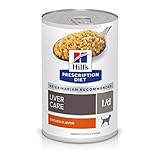
4. Hill’s Prescription Diet l/d Liver Care Wet Dog Food, Veterinary Diet, 13 oz. Cans, 12-Pack
Overview: Hill’s Prescription Diet l/d in the can mirrors the science of its dry sibling but in a moisture-rich, ground format that masks medication smells for dogs juggling multiple pills. The 12-pack of 13 oz cans covers roughly 18 days for a 30-lb dog.
What Makes It Stand Out: The wet version’s lower caloric density lets you feed higher volume—critical for nauseous hepatic patients who balk at concentrated meals.
Value for Money: $6.46 per pound is steep next to grocery pâté, but comparable to other prescription cans and still cheaper than hospitalizing for hepatic encephalopathy.
Strengths and Weaknesses: Texture is spoon-able straight from the fridge and copper stays under 1.5 mg/100 kcal. Criticisms: cans dent easily in shipping, the aroma is “institutional,” and you must use within 72 hr once opened—plan portions carefully.
Bottom Line: When liver enzymes are sky-high and appetite rock-bottom, l/d canned is the therapeutic lifeline your vet trusts—buy it, feed it, breathe easier.

5. Stewart Beef Liver Supper Sprinkles, Dog Food Toppers, Beef Liver, 2.5 oz. Resealable Bag, Made in USA, Products for Dogs
Overview: Stewart’s Supper Sprinkles distills 100 % beef liver into a pale, freeze-dried dust packaged in a 2.5 oz resealable pouch—small but mighty. Marketed as a single-ingredient topper, it targets every life stage from toy puppies to geriatric giants.
What Makes It Stand Out: Freeze-drying locks in vitamin A, iron and a full spectrum of amino acids without rendering fats that can turn rancid in traditional drying.
Value for Money: $5.70 per ounce looks shocking until you realize one ounce seasons roughly twenty cups of kibble; real-world cost is about 28 cents per serving—cheaper than most commercial treats.
Strengths and Weaknesses: The powder is genuinely dust-fine, sticking to kibble without rehydration, and the stand-up pouch fits pockets for on-the-go training. Drawbacks: the 2.5 oz disappears fast in multi-dog homes, and over-enthusiastic shaking can aerosolize liver—prepare for sneezes.
Bottom Line: For coat gloss, mealtime enthusiasm and USA-made transparency, Stewart delivers boutique benefits at a mid-tier price—just order two bags if you own a Labrador.

6. BADLANDS RANCH – Superfood Complete, Adult Dog Food, Air-Dried, High Protein, Zero Fillers, Superfood Nutrition by Katherine Heigl (24 oz., Beef Formula)
Overview: Badlands Ranch Superfood Complete is a premium air-dried beef formula created by actress Katherine Heigl, offering a raw-inspired diet without the mess. This 24-ounce bag contains 87% beef, beef heart, beef liver, and salmon, complemented by nutrient-dense superfoods.
What Makes It Stand Out: The gentle air-drying process preserves nutrients while eliminating bacteria, creating a shelf-stable raw alternative. The ingredient list reads like a health food store haul—no fillers, corn, wheat, soy, or by-products. The convenience factor is unmatched: no refrigeration, rehydration, or cooking required.
Value for Money: At $28.66 per pound, this is investment-level dog food. However, when compared to prescription diets or raw feeding costs, it’s competitive for what you’re getting—essentially a dehydrated raw diet with human-grade ingredients.
Strengths and Weaknesses: The nutritional density means smaller serving sizes, offsetting the sticker shock. Dogs with sensitive stomachs often thrive on this simple, meat-forward formula. The resealable packaging maintains freshness for weeks. However, the premium price puts it out of reach for multi-dog households, and picky eaters might find the texture unusual initially.
Bottom Line: For health-conscious pet parents willing to invest in premium nutrition, this air-dried superfood delivers exceptional quality. It’s particularly valuable for dogs with allergies or digestive issues. Just transition slowly and watch your dog’s coat transform.

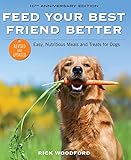
7. Feed Your Best Friend Better, Revised Edition: Easy, Nutritious Meals and Treats for Dogs
Overview: “Feed Your Best Friend Better” is the ultimate DIY guide for dog parents who want complete control over their pet’s nutrition. This revised edition provides veterinarian-approved recipes using supermarket ingredients, transforming your kitchen into a canine health food haven.
What Makes It Stand Out: Unlike generic pet cookbooks, this offers breed-specific portion guides, therapeutic recipes for common ailments, and a crash course in canine nutrition. The author breaks down complex nutritional science into digestible advice, including what human foods heal versus harm.
Value for Money: At under $14, this book pays for itself within a week. A single homemade batch often costs 60% less than premium commercial food while providing superior nutrition. The included treat recipes alone save hundreds annually.
Strengths and Weaknesses: The recipes use everyday ingredients—no hunting for exotic supplements. Batch cooking strategies make this realistic for busy schedules. However, it requires commitment: you’ll spend 2-3 hours weekly prepping meals. Some recipes need tweaking for dogs with specific allergies, and the book lacks photos that would help novice cooks.
Bottom Line: This is essential for anyone serious about canine nutrition. Whether you cook full-time or just want healthier treats, the knowledge gained is invaluable. Your dog’s improved energy and smaller, firmer stools will convince you it’s worth the effort.

8. Cesar Wet Dog Food Classic Loaf in Sauce Chicken & Liver Recipe, 3.5 oz. Easy Peel Trays (24 Count, Pack of 1)
Overview: Cesar’s Classic Loaf in Sauce offers gourmet dining in convenient 3.5-ounce trays, making mealtime feel like a special occasion. This variety pack features real chicken as the star ingredient, served in a savory sauce that even the pickiest eaters find irresistible.
What Makes It Stand Out: The peel-away trays eliminate can-opening struggles and messy storage. Each portion is perfectly sized for small breeds, eliminating guesswork. The consistency—neither too dry nor too soupy—works brilliantly as a meal topper or standalone diet.
Value for Money: At $1.28 per tray, this sits in the mid-range for wet food. The quality ingredients justify the price, especially considering the convenience factor. For toy breeds, one tray often provides two meals, effectively halving the cost.
Strengths and Weaknesses: Dogs love the taste—it’s like fast food that’s actually nutritious. The grain-free formula suits sensitive stomachs, and the easy-peel seals are genuinely arthritic-hand-friendly. However, the packaging isn’t recyclable, and larger dogs require 3-4 trays per meal, making it impractical for big breeds. Some batches vary in sauce consistency.
Bottom Line: Perfect for small dogs, seniors with dental issues, or as a appetite-boosting topper. Keep a few trays for travel or when your dog needs encouragement to eat. Just supplement with dental chews—the soft texture won’t clean teeth.

9. Wild Acre Milk Thistle for Dogs – Max Strength Liver Support, Cleanse & Detox – Natural Bacon Flavor – Simply Add to Food – Picky Pup Approved, 2 oz (60mL)
Overview: Wild Acre’s Milk Thistle offers pharmaceutical-grade liver support disguised as a bacon-flavored treat. This 2-ounce bottle provides 60ml of maximum-strength silymarin extract, designed to naturally detoxify and protect your dog’s hardest-working organ.
What Makes It Stand Out: Unlike chalky tablets or bitter liquids, this tastes like bacon fat—dogs actually beg for it. The dropper allows precise dosing whether you’re supporting a senior dog, detoxing after medication, or maintaining liver health in breeds prone to issues.
Value for Money: At $7.98 per ounce, it’s cheaper than veterinary liver support products. One bottle lasts a 50-pound dog two months, making daily liver protection surprisingly affordable. The money-back guarantee eliminates purchase anxiety.
Strengths and Weaknesses: The liquid format absorbs faster than pills, and you’ll often notice improved energy within two weeks. It’s gentle enough for long-term use and doesn’t interact with most medications. However, the dropper markings wear off over time, requiring careful measurement. Some dogs detect the slight herbal undertone despite bacon flavoring.
Bottom Line: Essential for dogs on long-term medications, breeds prone to liver issues, or any dog over seven years old. The bacon flavor makes administration effortless, and the visible health improvements make this a repeat purchase. Just store it away from counter-surfing hounds—they will find it.

10. ACANA Butcher’s Favorites Grain-Free Dry Dog Food Farm-Raised Beef & Liver Recipe 4lb Bag
Overview: ACANA’s Butcher’s Favorites combines high-protein kibble with real beef jerky pieces, creating a textural adventure that satisfies both nutritional needs and chewing instincts. This 4-pound bag features 70% animal ingredients including farm-raised beef, beef liver, and Yorkshire pork.
What Makes It Stand Out: The jerky pieces aren’t just gimmicks—they’re protein-rich, actual dehydrated meat that provides dental benefits. The grain-free formula suits sensitive systems while the varied textures prevent mealtime boredom. The resealable bag maintains freshness better than most competitors.
Value for Money: At $7.75 per pound, it’s premium-priced but justified by the ingredient quality. The protein density means smaller portions, stretching that 4-pound bag further than cheaper alternatives. The jerky pieces make excellent training treats, adding value.
Strengths and Weaknesses: Dogs go crazy for the jerky bits—you might find them picking through kibble to find them first. The protein content (33%) supports lean muscle mass, and coat condition improves noticeably. However, the rich formula can cause loose stools during transition—go slow. Some bags contain more jerky than others, creating inconsistent value.
Bottom Line: Ideal for active dogs, picky eaters who need enticement, or anyone wanting to upgrade from grocery store kibble. The combination of premium nutrition and taste makes it worth the splurge. Just monitor portions—it’s calorie-dense.
Why the Liver Dictates Your Dog’s Menu
The liver is a metabolic Grand Central Station: everything your dog swallows—proteins, fats, drugs, toxins—passes through for inspection. When hepatocytes are inflamed, scarred, or simply out-numbered by fat, they can no longer package nutrients, filter ammonia, or secrete bile. The fallout? Systemic inflammation, digestive upset, neurological signs, and muscle wasting. Food becomes medicine because every macronutrient, vitamin, and mineral either adds traffic to an already congested station—or helps clear the platform.
Understanding Canine Liver Disease in 2025
From Hepatitis to Shunts: A Quick Spectrum
Liver disease is an umbrella term. Chronic active hepatitis, copper-storage disease, leptospirosis scars, congenital shunts, and hepatic lipidosis all behave differently, yet most call for a similar nutritional safety net: reduced liver workload, controlled copper, balanced energy, and targeted antioxidants.
The Rise of Metabolic Liver Fat: NAFLD in Dogs
Non-alcoholic fatty liver disease isn’t just for humans anymore. Over-processed calories, obesity, and endocrine disruptors are creating a parallel epidemic in dogs. Vets now screen senior labs for “hepatic sparkle” on ultrasound the same way pediatricians check toddlers for cavities.
Early Red Flags That Should Trigger a Diet Overhaul
Watch for the subtle trio: picky appetite after 6 p.m., post-meal facial rubbing (a sign of nausea), and sudden aversion to chicken—previously a favorite. Add in pale gums, orange-tinged urine, or a swaying gait (hepatic encephalopathy) and you’ve got a textbook case for immediate dietary intervention.
The Science Behind a Liver-Friendly Diet
Phase I & II Detox Pathways: Why Sulfur and Glutathione Matter
Hepatocytes neutralize toxins in two steps. Phase I creates free radicals; Phase II conjugates them for excretion. Cruciferous veggies supply sulfur donors, while milk-thistle-derived silybin raises intracellular glutathione—your dog’s master antioxidant—by up to 35 %. Translation: lightly steamed broccoli beats “liver flavor” sprinkles every time.
Copper: When an Essential Mineral Turns Trojan Horse
Bedlington terriers aren’t the only breed storing excess copper these days. Dalmatians, Dobermans, and even mixed-breed adolescents can accumulate metal when diets are copper-heavy (think fish meal, organ mixes, and some “premium” kibbles). The 2025 AAFCO ceiling is 15 mg/kg dry matter, yet many boutique foods flirt with 25–30 mg/kg. Always demand the actual milligrams, not the marketing tagline.
Macronutrient Rules of Thumb for Liver Support
Protein: Quality Over Quantity
The liver doesn’t hate protein—it hates waste. Eggs, dairy, and white fish yield low aromatic amino acids and less ammonia, letting you meet nitrogen needs at 2.8–3.5 g/kg body-weight instead of the usual 4.5 g. Rotate sources every 4–6 weeks to prevent food sensitivities.
Fat: The Good, the Bad, the MCT
Medium-chain triglycerides (MCTs) from coconut oil bypass normal bile salt micelle formation, slipping straight into portal blood. That means calories without cholestasis baggage. Keep total fat moderate (9–13 % DM) but shift the ratio: 10–15 % of those fat calories should be MCTs.
Carbohydrates: Steady Glucose, Happy Gut
Liver patients oscillate between hypoglycemia and hyperglycemia. Low-glycemic, gluten-free carbs—think steel-cut oats, millet, and pumpkin—release glucose in 4-hour windows, preventing cortisol spikes that shunt amino acids away from albumin synthesis.
Micronutrient Checklist You’ll Want to Memorize
Zinc to reduce copper uptake (≥ 120 mg/kg DM), vitamin E for membrane stability (300 IU/1 000 kcal), B-complex to replace what bile no longer reclaims, and soluble fiber to bind bile acids. Skip iron-fortified foods unless labs show anemia of chronic disease; excess iron fuels oxidative stress.
Hydration Strategies That Go Beyond the Water Bowl
Dogs with ascites often self-restrict water. Trick them with savory bone broths (no onion, low sodium) frozen into cubes, or offer wet diets at 75 % moisture. Add a tablespoon of goat kefir for natural probiotics and extra palatability.
Home-Cooked vs. Commercial: Pros, Cons, and Safety Nets
Home cooking lets you micromanage copper and sodium, but 90 % of DIY recipes found online are nutritionally incomplete. If you go this route, invest in a board-certified nutrition consult; expect to pay $200–$300 for a balanced formulation with full nutrient spreadsheet. Commercial therapeutic diets undergo feeding trials and lab analysis—convenience at the cost of ingredient control. Many guardians hybridize: 60 % prescription kibble as a base, 40 % home-prepared topper for variety.
Reading Labels Like a Veterinary Nutritionist
Flip the bag. First, locate the “kcal/kg” and “copper mg/kg” lines—sometimes hidden in the guaranteed analysis. Next, calculate dry-matter percentages: subtract moisture, re-crunch macros, and verify copper stays ≤ 15 mg/kg and sodium ≤ 0.3 %. Ignore front-of-pack icons; “hepatoprotective” is not a legally defined term.
Transitioning Foods Without Triggering GI Chaos
Use a 10-day switch: 10 % new diet increments daily, but pause for 48 hours if stools hit a 5 on the Purina fecal chart. Add a probiotic with Enterococcus faecium SF68 to reduce risk of dysbiosis. Dogs with portosystemic shunts may need 14–21 days; slower equals safer when ammonia levels are dancing.
Portion Control & Feeding Schedules for Liver Health
Split the daily ration into 4–5 micro-meals to prevent post-prandial hyperammonemia. Use a kitchen scale, not a scoop; every gram matters when muscle wasting is already underway. Target body-condition score 4/9—visible waist, palpable ribs under a thin fat layer—to limit visceral adiposity that drives inflammation.
Supplements That Earn Their Place (and Ones That Don’t)
Adenosylmethionine (SAMe) and silybin have double-blind data improving ALT and ALP by 20–30 % within 8 weeks. Avoid yucca, comfrey, and pennyroyal; all contain pyrrolizidine alkaloids that can tip a fragile liver into failure. When in doubt, cross-check any herb with the ASPCA LiverTox database.
Working With Your Vet: Monitoring Labs and Adjusting Diets
Schedule chemistry panels every 4–6 weeks during the first 3 months. Track ALT, ALP, albumin, bile acids, and ammonia. If ALT drops > 50 % and albumin creeps toward 2.5 g/dL, you’re on the right track—tweak protein upward by 5 %. If ammonia rises, pull protein back and add lactulose. Nutrition is a moving target; treat the dog, not the number.
Lifestyle Tweaks That Multiply Dietary Benefits
Moderate, leash-controlled walks 20 minutes twice daily enhance portal circulation without oxidative sprint damage. Eliminate second-hand smoke, scented candles, and flea collars with pyrethrin—the liver already has enough xenobiotics to juggle. Provide 3–4 safe chew options to prevent boredom calorie seeking; dehydrated sweet-potato chews beat marrow bones for sodium load.
Frequently Asked Questions
How quickly will I see improvement once I switch my dog to a liver-friendly diet?
Expect appetite and energy gains within 7–10 days; enzyme levels may take 4–6 weeks to reflect change.
Can I feed raw meat to a dog with liver disease?
Vets generally advise against raw because the compromised liver is less equipped to handle bacterial endotoxins; lightly cooked, low-fat meats are safer.
Are vegetarian or vegan diets safe for hepatic dogs?
Plant-based proteins are naturally low in ammonia precursors, but you must supplement taurine, carnitine, and B12 under professional guidance.
Is coconut oil really helpful, and how much should I give?
Yes, MCTs ease fat processing; start with ¼ tsp per 10 lb daily, divided between meals, and back off if stools loosen.
What treats are acceptable for training?
Use freeze-dried egg white, low-sodium cottage cheese cubes, or baked pumpkin strips—keep total treat calories under 10 % of daily intake.
My dog hates prescription food; any flavor hacks?
Warm the meal to body temperature, drizzle 1 tsp sardine oil, or crumble a small piece of dehydrated bison liver on top for aroma.
Can liver diets prevent disease in healthy dogs?
No evidence supports prophylactic use; balanced, copper-controlled maintenance diets plus weight management are the best insurance.
How do I know if my dog’s new food is working?
Improved stool quality, stable weight, reduced thirst/urination, and normalized bloodwork are your four green lights.
Are grain-free diets better for liver health?
Only if your dog has a documented grain allergy; otherwise, gluten-free whole grains provide useful soluble fiber and steady glucose.
When should I consider a feeding tube for hepatic support?
If voluntary intake drops below 60 % of resting energy for more than 3 days despite appetite stimulants, a nasoesophageal or esophagostomy tube protects against muscle catabolism and speeds recovery.
The short version
Still deciding? Start with our #1 pick.
Hill
Ranked first out of 10 picks in this guide.

Keep reading
More in Dog Food
![Top 10 Science Diet Wet Dog Foods for 2026 [Vet’s #1 Choice]](https://m.media-amazon.com/images/I/51yWfa7U1CL._SL400_.jpg)
Top 10 Science Diet Wet Dog Foods for 2026 [Vet’s #1 Choice]
Your veterinarian’s eyes light up when you ask about canned food for your dog—not because it’s…

Recalls On Beneful Dog Food: Top 10 Safest Alternatives for Peace of Mind (2026)
If you’ve ever poured kibble into your dog’s bowl and wondered, “Is this really safe?”—you’re not…

Purina Pro Plan Sport Dog Food: 10 Best Formulas for Active Dogs (2026)
If your weekend calendar is packed with dock-diving, flyball tournaments, or sunrise trail runs, you already…