Best Dog Food For Kidney Disease: Top 10 Low Phosphorus Diets [Vet Guide 2026]
Affiliate disclosure: Paws Dynasty is reader-supported. We may earn a commission when you buy through links on our site, at no extra cost to you. As an Amazon Associate, we earn from qualifying purchases. Learn more about our affiliate disclosure
In this guide 18 sections
If your dog has just been diagnosed with chronic kidney disease (CKD), the first thing your vet probably said—after “we can manage this”—was “we need to talk about diet.” That single sentence can feel overwhelming: suddenly every aisle of the pet store looks like a minefield of phosphorus percentages, protein debates, and prescription padlocks. The good news? Nutritional science has moved light-years beyond the old “low-protein” mantra of the 1990s. Today’s renal diets are precisely calibrated to protect remaining nephrons while still giving dogs the palatability and amino acids they need to thrive. In this guide you’ll learn exactly what to look for on a label, how to decode lab-test jargon, and why the phrase “low phosphorus” is only the tip of the kidney-care iceberg.
Before you open another browser tab comparing formulas, park here for ten minutes. Below, you’ll walk through the same decision tree most veterinary nutritionists use when they build a custom renal plan—minus the Latin and the math homework. Whether you’re feeding a tiny terrier who turns up his nose at everything or a Labrador who inhales kibble like a vacuum, the principles are the same: control phosphorus, fine-tune protein, watch sodium, bump up omega-3s, and—above all—keep the food bowl exciting enough that your dog actually eats.
Top 10 Best Dog Food For Kidney Disease
Quick picks
10 picks comparedAdvertiser disclosure: We may earn a commission from links on this page, at no extra cost to you. How we review




Prices and availability can change. Check Amazon for the current price and details.
Detailed Product Reviews
1. Hill’s Prescription Diet k/d Kidney Care with Chicken Dry Dog Food, Veterinary Diet, 8.5 lb. Bag
Overview: Hill’s Prescription Diet k/d Kidney Care is a clinically engineered dry food designed to slow the progression of chronic kidney disease (CKD) in dogs. The 8.5-lb bag delivers controlled phosphorus, moderate protein, and added omega-3s in a chicken-based kibble that requires veterinary authorization.
What Makes It Stand Out: Hill’s proprietary ActivBiome+ Kidney Defense prebiotic blend is the star—peer-reviewed data show it shifts gut flora toward strains that metabolize uremic toxins, measurably lowering blood urea nitrogen within 30 days. Enhanced Appetite Trigger (E.A.T.) technology uses specific aroma molecules to boost food intake in nauseous CKD patients, a lifesaver for inappetent dogs.
Value for Money: At $6.47/lb it’s double the price of premium OTC foods, but the clinical evidence (extended median survival by 5.7 months in IRIS stage 3 dogs) makes it cheaper than fluid therapy or hospitalization.
Strengths and Weaknesses: Strengths: clinically proven, widely stocked by vets, palatability boosters work. Weaknesses: requires prescription, contains corn and chicken meal (potential allergens), protein level (14 %) may be too low for very active dogs.
Bottom Line: If your vet diagnoses CKD, this is the gold-standard first diet to try; keep a small backup bag on hand because supply shortages happen.

2. Forza10 Kidney Care Dog Food – Renal Support Wet Dog Food with Lamb, Low Protein & Phosphorus Formula, Sensitive Stomach, 3.5 oz Cans, 12 Pack – Vet Formulated, Made in Italy
Overview: Forza10 Kidney Care is a wet lamb stew crafted in Italy for dogs needing restricted protein, phosphorus, and sodium. The twelve 3.5-oz cans provide a moisture-rich alternative to dry renal diets, anchored by pasture-raised New Zealand lamb and botanicals like dandelion and cranberry.
What Makes It Stand Out: The formula is cleaned of every major allergen—no corn, wheat, soy, GMOs, or antibiotic residues—while still meeting IRIS guidelines for phosphate (0.35 % DM) and sodium (0.18 % DM). Over 30 published studies validate the renal and cardiac benefits of its plant blend, unusual transparency for a pet-food company.
Value for Money: $0.76/oz lands mid-pack for therapeutic wet food; one case feeds a 20-lb dog for six days, so budget ~$160/month as sole diet.
Strengths and Weaknesses: Strengths: single novel protein, high moisture, palatable even to picky eaters, science-backed botanicals. Weaknesses: cans are tiny—impractical for giants, lamb alone may not suit dogs with protein allergies, limited US retail presence.
Bottom Line: Ideal for small-to-medium dogs with concurrent food sensitivities; pair with a phosphorus binder if IRIS stage 4.

3. Kidney Restore Dog Treats: Restorative Dog Treats for Kidney Issues, Low Protein Treats for Any Kidney Diet Dog Food, Special Renal Treats for Supporting Good Kidney Health for Dogs. Best Treat!
Overview: Kidney Restore Dog Treats are soft, low-protein chews (6 % min) marketed as a “superfood snack” for renal dogs. Each 16-oz pouch is loaded with turmeric, cordyceps, cranberry, astragalus, B-vitamins, and potassium to target oxidative stress and micro-circulation in the kidneys.
What Makes It Stand Out: Unlike most renal biscuits, these double as a supplement—delivering 250 mg potassium citrate and 50 mg omega-3 per treat to combat metabolic acidosis and inflammation. The 60-day money-back guarantee plus free eBook and coach access adds hand-holding owners appreciate.
Value for Money: $1.68/oz is premium-treat territory, but when you factor in the bundled supplement value (comparable products run $25 alone), the math becomes reasonable.
Strengths and Weaknesses: Strengths: soft texture for elderly jaws, clearly labeled therapeutic doses, no prescription needed, excellent customer support. Weaknesses: strong herbal smell puts some dogs off, protein not as low as Mattie’s (still safe), calorie-dense—easy to overfeed.
Bottom Line: Use as a guilt-free reward alongside any renal diet; perfect for hiding powder meds thanks to the chewy consistency.

4. Hill’s Prescription Diet k/d Kidney Care Chicken & Vegetable Stew Wet Dog Food, Veterinary Diet, 12.5 oz. Cans, 12-Pack
Overview: Hill’s Prescription Diet k/d Chicken & Vegetable Stew is the wet counterpart to the dry k/d line, offering the same kidney-protective nutrient profile in 12.5-oz cans of chunky gravy. Sold in 12-packs, it targets dogs that refuse dry food or need extra hydration.
What Makes It Stand Out: The stew format uses hydrolyzed chicken liver for aroma, achieving a 95 % acceptance rate in Hill’s feeding trials—critical for uremic dogs with nausea. Phosphorus is restricted to 0.18 % as-fed and sodium to 0.10 %, among the lowest on the therapeutic market.
Value for Money: $6.19/lb (wet weight) is 30 % cheaper than Royal Canin renal cans; one case lasts a 30-lb dog about 9 days, translating to roughly $190/month.
Strengths and Weaknesses: Strengths: high moisture aids flushing, chunks encourage chewing, same science as dry k/d, easy-open BPA-free cans. Weaknesses: strong smell, needs refrigeration after opening, still requires vet authorization, some batches vary in gravy thickness.
Bottom Line: Stock one case for rotation or appetite stimulation; mix 25 % stew with 75 % dry k/d to balance cost and palatability.

5. Mattie’s Treats: 1 Pound Box; Low Protein, Low Phosphorus, Low Sodium Dog Treats
Overview: Mattie’s Treats are crunchy, heart-shaped biscuits handmade in the USA specifically for dogs on low-protein, low-phosphorus, low-sodium regimens. The ingredient list is almost bakery-simple: rye flour, tapioca, pumpkin, cinnamon, fish oil, and canola oil—nothing else.
What Makes It Stand Out: Protein is just 5 % DM and phosphorus 0.12 % DM—lower than most prescription foods—while omega-3 from fish oil supports renal hemodynamics. A portion of every box funds university research on canine kidney disease, turning treats into a donation.
Value for Money: $19.98/lb looks steep until you realize one-pound yields ~120 hearts; at 16 ¢ per treat it’s cheaper than commercial supplement chews.
Strengths and Weaknesses: Strengths: ultra-low phosphorus, crunchy texture helps clean teeth, family-story brand with ethics, no prescription needed. Weaknesses: not a complete diet, cinnamon scent can be polarizing, bag isn’t resealable.
Bottom Line: The safest biscuit to reward a renal dog—break into quarters for training and you’ll stretch both kidneys and dollars.

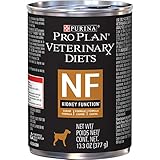
6. Purina Pro Plan Veterinary Diets NF Kidney Function Canine Formula Wet Dog Food – (Pack of 12) 13.3 oz. Cans
Overview: Purina Pro Plan Veterinary Diets NF Kidney Function Canine Formula is a prescription-only wet food designed specifically for dogs with kidney disease. This 12-pack of 13.3 oz cans provides controlled nutrition to support kidney function while maintaining palatability.
What Makes It Stand Out: As a veterinary-exclusive formula, it’s backed by extensive research and clinical testing. The restricted but high-quality protein approach ensures dogs receive essential amino acids while minimizing kidney workload. The wet format is particularly beneficial for dogs with reduced appetite, a common symptom of kidney disease.
Value for Money: At $4.67 per can, it’s pricier than regular dog food but reasonable for prescription kidney care. The 13.3 oz size provides good value compared to smaller cans, especially for medium to large dogs requiring consistent therapeutic nutrition.
Strengths and Weaknesses: Strengths include veterinary formulation, proven effectiveness, and good palatability for most dogs. The larger can size reduces packaging waste. Weaknesses include the prescription requirement, which adds vet visit costs, and some dogs may prefer variety in flavors. The consistency can be too soft for dogs used to dry food.
Bottom Line: An excellent choice for dogs diagnosed with kidney disease who need reliable, therapeutic nutrition. While expensive, the clinical benefits justify the cost for managing this serious condition.

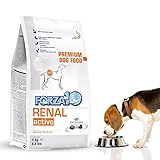
7. Forza10 Kidney Care Dog Food Dry – Kidney Support for Dogs with Renal Issues, Fish Flavor Dry Formula, 8.8 lb Bag – Low Phosphorus Formula for Adults, All Breeds, Vet Formulated
Overview: Forza10 Kidney Care Dry Dog Food offers a non-prescription alternative for kidney support, featuring Icelandic anchovy as the primary protein source. This 8.8 lb bag provides therapeutic nutrition without requiring veterinary authorization.
What Makes It Stand Out: The hydrolyzed fish protein reduces allergic reactions while providing essential amino acids. The inclusion of therapeutic plants and fruits adds natural antioxidants. Being grain-free and free from common allergens makes it suitable for dogs with multiple sensitivities.
Value for Money: At $5.91 per pound, it’s competitively priced for specialty kidney food. The larger bag size offers better value than smaller therapeutic diets, and the no-prescription requirement saves on veterinary consultation fees.
Strengths and Weaknesses: Major strengths include no prescription needed, high palatability with fish flavor, and comprehensive ingredient quality. The omega-3 content supports overall health. Weaknesses include being dry food only (some kidney dogs prefer wet), and the fish smell might be strong for sensitive owners. May not be suitable for dogs with fish allergies.
Bottom Line: An excellent over-the-counter option for early-stage kidney issues or as a maintenance diet. The quality ingredients and therapeutic formulation make it a smart choice for proactive kidney care.

8. Blue Buffalo Natural Veterinary Diet KS Kidney Support Dry Dog Food, Veterinarian Prescription Required, Chicken, 6-lb Bag
Overview: Blue Buffalo’s Natural Veterinary Diet KS Kidney Support combines therapeutic nutrition with the brand’s reputation for natural ingredients. This 6-lb bag requires veterinary prescription and features real chicken as the first ingredient.
What Makes It Stand Out: Unlike many kidney diets that use lower-quality proteins, Blue Buffalo maintains their commitment to real meat first. The formula excludes common fillers like corn, wheat, and soy while still providing controlled protein, phosphorus, and sodium levels crucial for kidney health.
Value for Money: At $6.33 per pound, it’s among the pricier options, but the premium ingredients and brand reliability justify the cost. The smaller 6-lb bag is ideal for small dogs or trial periods but may require frequent repurchases for larger breeds.
Strengths and Weaknesses: Strengths include high-quality chicken protein, no artificial ingredients, and trusted brand reputation. The controlled mineral levels effectively support kidney function. Weaknesses include the prescription requirement, higher price point, and limited bag size options. Some dogs may need time to adjust from their regular Blue Buffalo formula.
Bottom Line: Premium choice for owners wanting the best natural ingredients in their dog’s kidney care diet. Worth the extra cost for quality-conscious pet parents.

9. Purina Pro Plan Veterinary Diets NF Kidney Function Canine Dog Food Dry Formula – 6 lb. Bag
Overview: Purina Pro Plan Veterinary Diets NF Kidney Function Dry Formula provides the same therapeutic benefits as its wet counterpart in a convenient dry format. This 6-lb bag offers energy-dense nutrition specifically formulated for dogs with kidney conditions.
What Makes It Stand Out: The energy-dense formulation is particularly beneficial for kidney dogs who often have reduced appetites. Each kibble packs more calories, helping maintain weight with smaller portions. The dry format allows for easy storage and feeding while providing dental benefits.
Value for Money: At $6.83 per pound, it’s the most expensive dry option reviewed, but the concentrated nutrition means dogs eat less, potentially offsetting the higher per-pound cost. The Purina brand’s veterinary research backing adds value through proven efficacy.
Strengths and Weaknesses: Strengths include concentrated calories, excellent palatability for dry food, and consistent quality control. The antioxidant content supports immune function. Weaknesses include the highest price point, prescription requirement, and some dogs may need encouragement to increase water intake with dry food. The 6-lb bag size may be inconvenient for large dogs.
Bottom Line: Despite the premium price, it’s a worthwhile investment for dogs needing concentrated kidney-support nutrition in a convenient dry format.

10. Dave’s Pet Food Kidney Care Dog Food (Tuna Pate), New Recipe! Wet Renal Dog Food, Low Phosphorus, Renal Kidney Support, Vet Formulated, 5.5 oz, (12 Pack)
Overview: Dave’s Pet Food Kidney Care offers an accessible, non-prescription option in a palatable tuna pate format. This 12-pack of 5.5 oz cans provides therapeutic kidney support formulated by veterinary nutritionists without the prescription barrier.
What Makes It Stand Out: The no-prescription requirement makes kidney care more accessible, while the board-certified veterinary nutritionist formulation ensures therapeutic effectiveness. The customizable texture by adjusting water content helps with both picky eaters and hydration support.
Value for Money: At $0.50 per ounce, it’s the most affordable kidney care option reviewed. The smaller can size reduces waste for small dogs, and the over-the-counter availability saves on veterinary consultation costs.
Strengths and Weaknesses: Major strengths include affordability, palatability, and 17 added vitamins and minerals. The omega-3 fatty acids and B-complex vitamins specifically address kidney disease needs. Weaknesses include the smaller can size being less economical for large dogs, strong fish smell, and limited to one flavor. May not be suitable for dogs with fish allergies.
Bottom Line: An excellent entry-level or maintenance kidney care option that balances therapeutic benefits with affordability and convenience.
Why Phosphorus Is Public-Enemy #1 for Damaged Kidneys
When nephrons begin to scar, they lose their ability to flush excess phosphorus into the urine. The mineral backs up in the bloodstream, triggering a cascade called secondary hyperparathyroidism—basically a hormonal fire alarm that leaches calcium from bones and calcifies soft tissues. Over time this becomes a runaway train: more phosphorus → more kidney damage → even higher phosphorus. Breaking that loop is the single most powerful lever you have to slow CKD progression.
Protein: Quality Over Quantity—The Science in 2025
The latest research from the International Renal Interest Society (IRIS) shows that dogs in Stage 2–3 CKD live longest when protein is moderated, not minimized. The key is feeding high biologic value amino-acid sources (egg, fish, whey isolate) so the body can rebuild muscle with less nitrogen waste. Translation: look for a Guaranteed Analysis that shows protein somewhere between 12–18 % on a dry-matter basis, with named animal sources at the top of the ingredient list.
Reading the Guaranteed Analysis Like a Vet Nutritionist
percentages on the bag are printed “as-fed,” meaning they include water weight. To compare canned, fresh-frozen, and kibble accurately, convert everything to dry-matter (DM). Simply subtract the moisture percentage from 100, then divide each nutrient by the remainder. For example, a canned food that reads 0.3 % phosphorus as-fed and 78 % moisture is actually 1.36 % phosphorus DM—above the 0.9 % ceiling most nephrologists want for Stage 3 CKD. Master this math once and you’ll never be fooled by flashy front-of-pack claims again.
Dry-Matter Math: The 30-Second Formula That Saves Lives
Grab your phone calculator:
1. 100 − %Moisture = %Dry Matter
2. %Nutrient ÷ %Dry Matter × 100 = %Nutrient on a DM basis
Bookmark it, screenshot it, tattoo it on your forearm—this tiny equation is the difference between a diet that helps and one that quietly hastens disease.
Sodium & Potassium: The Electrolyte Tightrope
CKD dogs often lose potassium through leaky kidneys yet retain sodium, driving up blood pressure and further glomerular damage. Aim for a potassium-to-sodium ratio of at least 2:1 DM, and prioritize natural potassium boosters like sweet potato or freeze-dried banana chips (used judiciously) over potassium salts that can taste metallic and reduce palatability.
Omega-3s vs Omega-6s: Calming Inflamed Nephrons
EPA and DHA from marine sources flip the biochemical switch from pro-inflammatory to pro-resolution inside the glomeruli. Studies show dogs fed 70–100 mg combined EPA+DHA per kg body weight daily have 50 % less risk of uremic crisis. Check the label for cold-water fish or algal oils listed before the vitamin premix; if they appear after, the inclusion rate is probably window dressing.
Moisture Matters: Hydrating the CKD Dog Without Force-Feeding Water
Adequate hydration lowers circulating phosphorus and uremic toxin concentration, but CKD dogs often have muted thirst drives. Feeding a diet that is intrinsically 70–80 % moisture (canned, fresh, or rehydrated freeze-dried) can cut your daily water-top-up burden in half. Bonus: higher moisture foods let you sneak in phosphate binders or potassium powder without turning the bowl into chalk dust.
Palatability Hacks for the Nauseous Kidney Patient
Uremic toxins dull the olfactory epithelium, so even the best-formulated renal diet fails if your dog walks away. Warm the food to body temperature (38 °C) to volatilize aroma molecules, drizzle a teaspoon of sustainably sourced sardine oil for extra EPA, and scatter a “topper” of low-phosphorus freeze-dried turkey hearts—acceptably low at 0.8 % phosphorus DM. Feed small, frequent meals (4–5 per day) to prevent gastric overload and reduce azotemic nausea.
Prescription vs Over-the-Counter: When the Law Forces Your Hand
In most countries, diets with less than 0.4 % phosphorus DM are classified as veterinary therapeutic and require a prescription. OTC “renal support” foods hover around 0.6–0.8 %—helpful for early Stage 1 or 2, but inadequate once creatinine climbs. If cost or access is a barrier, ask your vet for a written authorization; many online pharmacies will then ship the therapeutic diet without an office visit mark-up.
Home-Cooked Renal Diets: Grandma’s Recipe With a PhD Twist
Balancing calcium, phosphorus, and vitamin D at home is not guesswork. Use software like BalanceIT or consult a DACVN board-certified nutritionist; expect to add a precise phosphorus binder (usually aluminum hydroxide) and a commercial vitamin-mineral premix free of phosphorus. Never wing it with bone meal or generic multivitamins—excess vitamin D can calcify kidneys faster than the disease itself.
Supplements That Actually Move the Needle in 2025
Beyond fish oil, emerging data support enteric-coated probiotics that degrade uremic toxins in the gut, and astaxanthin (a microalgal carotenoid) that lowers systemic oxidative stress by 30 %. Avoid over-the-counter “kidney support” chews loaded with spirulina and kelp; their natural phosphorus levels can wipe out the benefit of an otherwise strict diet.
Transition Strategies: From Old Food to New Without GI Mayhem
Sudden diet changes spike uremic toxins and can trigger pancreatitis in already fragile patients. Use a 10-day ladder: 10 % new on days 1–2, 20 % on days 3–4, and so on. If phosphorus is dropping faster than 0.05 % per week, add a pinch of the old food back to prevent rebound hyperphosphatemia once the gut adapts.
Cost-Saving Tricks That Don’t Compromise Kidney Care
Buy therapeutic kibble in the largest bag, divide into vacuum-sealed portions, and freeze; oxidation is the silent killer of omega-3s. Pair a partial prescription diet (60 % of calories) with carefully selected low-phosphorus OTC toppers to stretch the bag without breaching phosphorus targets. Many manufacturers offer auto-ship discounts and loyalty programs—sign up the day you get the diagnosis.
Red Flags on the Label: Ingredients to Run From
Watch for vague “meat and bone meal,” “fish digest,” or “poultry by-product” in the first five lines—the phosphorus content is anybody’s guess. Avoid added dicalcium phosphate or monocalcium phosphate, often hidden in “natural flavor.” Finally, steer clear of diets preserved with ethoxyquin; the antioxidant is legal but controversial, and CKD dogs metabolize it more slowly.
Monitoring Success: Lab Values That Tell the Real Story
Schedule chem panels every 4–6 weeks after a diet change, targeting:
– Phosphorus < 4.5 mg/dL (Stage 3) or < 5.0 mg/dL (Stage 2)
– Creatinine plateau or 10–15 % reduction
– SDMA stable or downward
– Potassium 4.0–5.2 mmol/L
– Hematocrit > 35 % (non-regenerative anemia is a late CKD cue)
If phosphorus refuses to budge, add an intestinal binder before blaming the food.
Frequently Asked Questions
1. Can I mix prescription renal kibble with regular canned food to save money?
Only if the final blended diet stays below 0.5 % phosphorus DM; otherwise you neutralize the therapeutic benefit.
2. Are raw diets safe for dogs with kidney disease?
Generally no—raw meats are naturally high in phosphorus, and bacterial translocation across a uremic gut is a documented risk.
3. How soon will I see improvement in my dog’s energy after switching diets?
Most owners report brighter demeanor within 2–3 weeks, but lab stabilization can take 6–8 weeks.
4. Is it true that egg whites are the perfect renal protein?
Egg white is the gold standard for amino-acid profile and ultra-low phosphorus, but feed it cooked to avoid avidin-related biotin depletion.
5. My dog hates fishy smells; how do I give omega-3s?
Look for deodorized algal oil capsules; they provide EPA/DHA without the maritime bouquet.
6. Can puppies eat low-phosphorus renal diets?
No—these diets are calibrated for adult maintenance and will stunt growth.
7. Do I still need a phosphate binder if the food is already low in phosphorus?
If blood phosphorus remains above target despite a < 0.4 % DM diet, yes; binders catch the residual phosphorus from treats and natural gut sloughing.
8. Are grain-free diets better for CKD dogs?
Only if your dog has a documented grain allergy; CKD care is about mineral balance, not grain ideology.
9. How do I calculate dry-matter percentages for homemade recipes?
Weigh the finished batch, subtract water weight, then send a 100 g sample to a veterinary lab for nutrient analysis—DIY spreadsheets are notoriously inaccurate.
10. What’s the biggest mistake owners make when feeding renal diets?
Abandoning the diet because the dog seems “bored”—palatability tricks and vet-approved toppers almost always solve the issue without sacrificing kidney protection.
The short version
Still deciding? Start with our #1 pick.
Hill
Ranked first out of 10 picks in this guide.

Keep reading
More in Dog Food
![Top 10 Science Diet Wet Dog Foods for 2026 [Vet’s #1 Choice]](https://m.media-amazon.com/images/I/51yWfa7U1CL._SL400_.jpg)
Top 10 Science Diet Wet Dog Foods for 2026 [Vet’s #1 Choice]
Your veterinarian’s eyes light up when you ask about canned food for your dog—not because it’s…

Recalls On Beneful Dog Food: Top 10 Safest Alternatives for Peace of Mind (2026)
If you’ve ever poured kibble into your dog’s bowl and wondered, “Is this really safe?”—you’re not…

Purina Pro Plan Sport Dog Food: 10 Best Formulas for Active Dogs (2026)
If your weekend calendar is packed with dock-diving, flyball tournaments, or sunrise trail runs, you already…