Maintaining a healthy aquarium environment requires dedication, knowledge, and the right tools. Among the arsenal of equipment every aquarist should own, the gravel vacuum stands as an unsung hero in the battle against waste buildup and harmful toxins. Also known as an aquarium siphon or gravel washer, this simple yet ingenious device plays a crucial role in removing uneaten food, fish waste, and decaying plant material from the substrate while simultaneously performing partial water changes. As we venture into 2025, the technology behind these essential maintenance tools has evolved significantly, offering aquarists more options than ever to suit their specific tank setup and maintenance preferences.
The importance of regular substrate cleaning cannot be overstated in the world of aquarium keeping. Without proper gravel vacuuming, toxic ammonia and nitrite levels can spike, leading to stressed fish and potential health issues for your aquatic inhabitants. A quality gravel vacuum not only removes debris but helps preserve the beneficial bacterial colonies that form the biological filtration system of your aquarium. Understanding how to select and use the right gravel vacuum for your tank size and type can transform your maintenance routine from a chore into an efficient, stress-free process that contributes significantly to the overall health and longevity of your aquatic ecosystem.
Top 10 Tank Gravel Vacuum
Detailed Product Reviews
1. Tetra Water Cleaner Gravel Siphon for Aquariums, Easily Clean Freshwater Aquariums
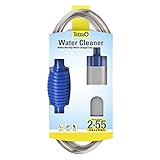
Overview: The Tetra Water Cleaner Gravel Siphon is a basic but effective aquarium maintenance tool designed for freshwater tanks up to 55 gallons. This simple yet functional device helps aquarium owners easily perform monthly water changes and remove debris from gravel in just 30 minutes.
What Makes It Stand Out: Its straightforward design with a priming bulb makes it exceptionally user-friendly for beginners. Unlike more complex models, this siphon requires no electricity or additional equipment beyond a bucket, simplifying the cleaning process while still effectively maintaining water quality by removing debris from the substrate.
Value for Money: At just $8.79, the Tetra Water Cleaner offers remarkable value as an entry-level aquarium cleaning solution. It competes well with similar basic models in terms of price while providing reliable performance that meets the needs of small to medium-sized aquarium owners.
👍 Pros
- Its affordable price
- Simple operation
- And effectiveness at removing debris. The package includes all necessary components for immediate use
👎 Cons
- Are its limited capacity (only up to 55 gallons)
- Lack of advanced features like adjustable flow rates or fancy attachments that more expensive models offer
Bottom Line: The Tetra Water Cleaner Gravel Siphon is an excellent choice for beginner or budget-conscious aquarium hobbyists with tanks 55 gallons or smaller. It delivers reliable performance at an unbeatable price, making routine maintenance simple and stress-free.
2. Aquarium Siphon Pump Gravel Cleaner, Fish Tank Vacuum Gravels Cleaning Kit, Manual Water Changer with Air Push Button, Aquariums Sand Clean Set, Hose for Suck Manure Wash Sand

Overview: The Aquarium Siphon Pump Gravel Cleaner by Seaoura is a versatile 3-in-1 cleaning system designed to perform gravel washing, stain scraping, and waste removal. This manual cleaner uses siphon principles to quickly improve water quality while protecting your fish during the cleaning process.
What Makes It Stand Out: Its dual airbag design creates excellent resilience and effortless operation. The unique safety features, particularly the filter basket net that prevents fish and small substrate from being accidentally sucked out, provide peace of mind. The modular tube system allows for customization based on tank size, making it adaptable for various aquarium setups.
Value for Money: Priced at $22.88, this model sits in the mid-range of aquarium cleaners but offers multiple functions and thoughtful design elements that justify its cost. The comprehensive cleaning capabilities and safety features provide excellent value compared to basic siphons.
👍 Pros
- Its multi-functionality
- Excellent safety design
- Noise-free operation
- And adaptability to different tank sizes
👎 Cons
- Include its complex assembly process with multiple components
- Which might be challenging for first-time users
- And the lack of electrical power requiring more manual effort than electric models
Bottom Line: The Seaoura Aquarium Siphon Pump is an ideal choice for hobbyists looking for a versatile, safe cleaning solution that works with various tank sizes. While it requires more manual effort than electric models, its thoughtful design and multiple functions make it a worthwhile investment for maintaining a healthy aquarium environment.
3. QZQ Aquarium Gravel Cleaner [2025 Edition] Vacuum Fish Tank Vacuum Cleaner Tools for Aquarium Water Changer with Aquarium Thermometers Fish Net kit Use for Fish Tank Cleaning Gravel and Sand
![QZQ Aquarium Gravel Cleaner [2025 Edition] Vacuum Fish Tank Vacuum Cleaner Tools for Aquarium Water Changer with Aquarium Thermometers Fish Net kit Use for Fish Tank Cleaning Gravel and Sand](https://m.media-amazon.com/images/I/51S+2N20RtL._SL160_.jpg)
Overview: The QZQ Aquarium Gravel Cleaner [2025 Edition] is a comprehensive cleaning kit that combines several aquarium maintenance tools into one package. Designed with a siphon principle, it excels at gravel washing, algae scraping, waste removal, and water changing to provide a clean living environment for fish.
What Makes It Stand Out: The 2025 Edition features a manual press design that requires no electricity, operates silently, and uses a high-quality pressure-resistant airbag for efficient siphoning. Its wide range of multi-combination accessories makes it suitable for different tank types and sizes, while the filter basket provides added safety for fish and substrate during cleaning.
Value for Money: At $18.79, this model offers exceptional value by bundling multiple tools and functions into one package. Compared to purchasing separate aquarium maintenance tools, the QZQ Kit saves money while providing comprehensive cleaning capabilities.
👍 Pros
- Its multi-functionality
- Easy installation and operation
- Comprehensive accessory package
- And safety features
👎 Cons
- Include the potential learning curve for first-time users unfamiliar with siphon systems
- The manual operation requiring physical effort that might be challenging for some users
Bottom Line: The QZQ Aquarium Gravel Cleaner is a smart investment for aquarium enthusiasts seeking versatility and convenience. With its thoughtful design and comprehensive toolset, it simplifies tank maintenance while providing excellent protection for aquatic life. It’s particularly well-suited for hobbyists who prefer manual operation without electrical components.
4. AQQA Electric Aquarium Gravel Cleaner, 6 in 1 Automatic Fish Tank Cleaning Tools Gravel Vacuum for Aquarium, Suitable for Change Water Wash Sand Water Filter and Water Circulation (320GPH, 20W)
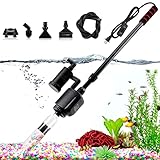
Overview: The AQQA Electric Aquarium Gravel Cleaner is a sophisticated 6-in-1 automatic cleaning system designed to handle multiple aquarium maintenance tasks in one efficient unit. This all-in-one solution water changes, washes sand, removes debris, scrubs tanks, filters water, and creates water circulation with its powerful 320GPH motor.
What Makes It Stand Out: Its ultra-powerful electric motor sets it apart from manual models, significantly reducing cleaning time and effort. The new upgrade filter cup with sponge captures fish waste and food residues effectively, while the adjustable handle length (23″-40″) makes it versatile for various tank sizes. The comprehensive accessory package with 11 different components provides tools for all cleaning needs.
Value for Money: Priced at $31.49, this electric model is at the higher end of the price spectrum but delivers exceptional value through its versatility and powerful performance. The 6-in-1 functionality potential cost savings compared to purchasing multiple specialized tools, while the included 1-year after-sale service provides additional peace of mind.
👍 Pros
- Its powerful motor
- Multiple functions
- Comprehensive accessory package
- And efficiency in reducing cleaning time
👎 Cons
- Include the electrical requirement and submersion conditions
- Which may limit portability compared to manual models. It’s also the most expensive option in this comparison
Bottom Line: The AQQA Electric Aquarium Gravel Cleaner is the premium choice for serious aquarium enthusiasts and those who value convenience. Its powerful motor and comprehensive cleaning capabilities make tank maintenance significantly easier and faster, though it comes at a higher price point. Ideal for larger tanks or hobbyists who want to minimize cleaning effort.
5. Carefree Fish Aquarium Small Gravel Cleaner 6Ft Hose Silicone Airbag Fish Tank Water Changer Gravel Vacuum Adjustable Length ABS(for 3~8Gal Tank)

Overview: The Carefree Fish Aquarium Small Gravel Cleaner is specifically designed for smaller aquariums ranging from 3-8 gallons. This 3-in-1 multi-function tool effectively washes gravel, changes water, and removes debris with its unique design featuring a durable ABS body and silicone airbag.
What Makes It Stand Out: Its specialized focus on small aquariums (3-8 gallons) sets it apart from more versatile but bulky competitors. The innovative silicone siphon ball provides stronger pressure with minimal effort (only 3-5 squeezes needed), while the 6-foot drain hose offers flexibility in placement. The adjustable length design accommodates various tank depths up to 16 inches.
Value for Money: At $12.99, this model offers targeted value specifically for owners of small aquariums who might be using inadequate tools or struggling with larger, cumbersome cleaners. It provides efficient cleaning for nano and small tanks at an affordable price point.
👍 Pros
- Its perfect sizing for small aquariums
- Durable materials
- Simple operation with only 3-5 squeezes needed
- And comprehensive package including flow control valve and hose fixture
👎 Cons
- Include its limited size range (3-8 gallons)
- Which makes it unsuitable for larger tanks
- And the manual operation requiring consistent squeezing
Bottom Line: The Carefree Fish Aquarium Small Gravel Cleaner is an excellent investment specifically for owners of small aquariums who need a convenient, efficient cleaning solution. Its thoughtful design and powerful airbag system make tank maintenance quick and easy, while its compact size won’t overwhelm smaller setups. Highly recommended for betta, small tropical fish, or shrimp keepers.
6. Laifoo 5ft Aquarium Siphon Vacuum Cleaner for Fish Tank Cleaning Gravel & Sand
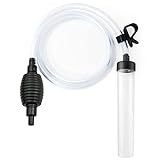
Overview: The Laifoo 5ft Aquarium Siphon Vacuum Cleaner is a manual cleaning tool designed to efficiently remove fish waste, debris, and dirty water from aquariums. This budget-friendly option features a 5-foot clear plastic hose that’s elastic, durable, and anti-kinking, along with a gravel tube with a detachable filter screen and a convenient siphon ball for easy starting without blowing.
What Makes It Stand Out: What sets the Laifoo siphon apart is its combination of simplicity and effectiveness. The siphon ball mechanism eliminates the need for mouth-priming, making it more hygienic than traditional siphons. The clear hose allows for easy monitoring of water flow, while the filter screen protects small fish from being accidentally sucked up. Additionally, its 3-month warranty provides peace of mind for new users.
Value for Money: At just $14.90, this manual siphon offers excellent value for money. It’s among the more affordable options on the market while still providing all essential features needed for basic tank maintenance. For beginners or those with smaller tanks, it represents an economical entry point into aquarium maintenance without breaking the bank.
👍 Pros
- Its user-friendly design
- Hygienic siphon ball
- Protective filter
- And durable construction. The hose material resists tangling and kinking
👎 Cons
- Are its limited 5-foot length
- Which may be insufficient for taller tanks
- And the purely manual operation requiring active engagement during use
Bottom Line: The Laifoo 5ft Aquarium Siphon is an excellent choice for aquarists on a budget or those with smaller aquariums. Its simple design, safety features, and affordable price point make it a solid investment for routine tank maintenance. If you’re looking for an no-frills, reliable cleaning solution without the need for electricity or complex features, this product delivers good functionality at an attractive price point.
7. UPETTOOLS Aquarium Gravel Cleaner – Electric Automatic Removable Vacuum Water Changer Sand Algae Cleaner Filter Changer 110V/28W

Overview: The UPETTOOLS Aquarium Gravel Cleaner is an electric, 6-in-1 multifunctional cleaning system designed for comprehensive aquarium maintenance. This 110V/28W device combines water changing, sand washing, debris removal, filtration, showering, and flow control in one unit. With a powerful 1700L/H flow rate, it can drain a 180-gallon tank in approximately 30 minutes, making it suitable for both freshwater and saltwater aquariums of various sizes.
What Makes It Stand Out: This product truly stands out with its electric pump system that eliminates manual effort, offering significantly faster cleaning compared to manual siphons. The telescopic tube adjusts from 23.6 to 37.7 inches, accommodating different tank depths. its comprehensive 6-in-1 functionality replaces multiple cleaning tools, while the adjustable flow valve allows precise control over suction strength for gentle or deep cleaning. The 3-year warranty is also exceptional for the aquarium cleaning category.
Value for Money: At $35.99, the UPETTOOLS represents mid-range pricing for electric aquarium cleaners. Considering its 6-in-1 multifunctionality, powerful performance, and extended warranty, it offers solid value. The time savings and efficiency gains for larger tanks justify the investment, especially when compared to purchasing multiple separate cleaning tools.
👍 Pros
- Its electric operation (eliminating manual effort)
- Powerful 1700L/H flow rate
- Versatile telescopic tube
- And multifunctional design
👎 Cons
- Include the requirement for an electrical outlet (limiting placement options)
- Potentially intimidating setup for beginners
- And higher price point than manual alternatives
Bottom Line: The UPETTOOLS Aquarium Gravel Cleaner is ideal for medium to large aquariums or aquarists seeking convenience and efficiency. Its electric operation, multifunctionality, and superior performance justify the premium price for serious hobbyists. The extended warranty further indicates the manufacturer’s confidence in their product. If you value time savings and comprehensive cleaning capabilities in a single device, this is an excellent investment despite the higher initial cost.
8. Luigi’s Fish Tank Cleaner – Gravel Pump Vacuum for Aquarium – Hand Siphon Hose to Remove and Change Water or Sand in Minutes – Fish Aquarium Accessories, Supplies & Cleaning Tools

Overview: Luigi’s Fish Tank Cleaner is a manual gravel pump vacuum designed to simplify aquarium maintenance. This affordable tool allows users to quickly and efficiently remove fish waste, uneaten food, and other debris from tank substrates while performing water changes. The kit includes a hand pump for easy priming and a filter attachment to protect small aquatic life from being accidentally removed during cleaning.
What Makes It Stand Out: What makes Luigi’s cleaner unique is its combination of affordability and specialized features. The attached filter specifically protects small fish, shrimp, and invertebrates, which is a thoughtful touch not always found in budget options. The one-way valve design improves suction efficiency, and the hand pump eliminates the need for mouth-priming, making it more hygienic. The ability to clear 30 liters in about 5 minutes also demonstrates its efficiency at this price point.
Value for Money: At just $12.99, Luigi’s Fish Tank Cleaner represents exceptional value in the aquarium cleaning category. It offers all core functionality of more expensive models while keeping the price accessible. For beginners or those with smaller tanks, this product provides an economical entry point into proper aquarium maintenance without sacrificing essential safety features.
👍 Pros
- Its extremely affordable price point
- Fish-safe design with protective filter
- Efficient suction (30L in 5 minutes)
- And hygienic hand pump
👎 Cons
- Involve being purely manual (requiring more effort than electric options)
- Potential durability concerns given the low price
- And limited hose length compared to some competitors
Bottom Line: Luigi’s Fish Tank Cleaner is an excellent choice for aquarists on a tight budget or those with smaller aquariums. It successfully delivers core cleaning functionality while including thoughtful safety features that protect small aquatic life. Despite its minimal price, it outperforms expectations and provides a solid introduction to proper aquarium maintenance. For those prioritizing affordability and basic functionality without sacrificing safety, this product represents outstanding value.
9. SunGrow Aquarium Gravel Cleaner Siphon Vacuum, Manual Operation Water Changer Kit, Includes Hose and Priming Bulb for Fish Tank Cleaning (Black, Gravel & Sand Cleaner)

Overview: The SunGrow Aquarium Gravel Cleaner is a manual siphon vacuum kit designed for routine water changes and tank maintenance. This budget-friendly option includes a short nozzle with net, flexible tubing, operation/pump bulb, and discharge hose, making it a complete solution for freshwater and saltwater aquariums. The system uses a hand-operated priming bulb to start the siphon process, eliminating the need for mouth-priming.
What Makes It Stand Out: SunGrow’s cleaner distinguishes itself with its user-friendly hand priming bulb, which makes starting the siphon process effortless compared to traditional models. The short nozzle design is particularly effective for Betta tanks and shallow aquariums. Additionally, the quick 2-minute setup and hassle-free storage are valuable convenience features, while the complete kit includes all necessary components without requiring additional purchases.
Value for Money: At just $8.70, the SunGrow Aquarium Cleaner is one of the most affordable complete siphon kits on the market. Despite its low price point, it includes all essential components and offers specialized features like the hand priming bulb. The value proposition is exceptional, especially for beginners or those with smaller tanks who need a reliable cleaning solution without significant investment.
👍 Pros
- Its extremely low cost
- Complete kit functionality
- Easy hand priming
- Quick setup (2 minutes)
- And specialized short nozzle design
👎 Cons
- Encompass the potentially shorter hose length not specified in the product details
- Manual operation requiring user engagement
- And unknown durability for long-term use given the minimal price point
Bottom Line: The SunGrow Aquarium Gravel Cleaner is an outstanding value proposition for aquarists on a budget or those with smaller aquariums, particularly Betta setups. While its minimalist design and manual operation won’t appeal to everyone, it successfully delivers core functionality at an unbeatable price point. For those seeking an affordable, hassle-free way to perform regular water changes, this product offers exceptional value and represents an excellent entry point into proper aquarium maintenance.
10. GADFISH Gravel Vacuum for Aquarium Water Changer Fish Tank Cleaning Tools, Siphon Universal Quick Pump Aquarium Water Changing (30ft)

Overview: The GADFISH Gravel Vacuum is a semi-automatic water changing system designed to simplify tank maintenance for medium to large aquariums. This innovative tool uses tap water pressure to drain tanks without requiring manual pumping or buckets. The complete system includes a 14.5-inch cleaning tube with built-in filter and comes with multiple faucet adapters to ensure compatibility with most standard household faucets.
What Makes It Stand Out: What truly sets GADFISH apart is its semi-automatic operation that harnesses existing tap water pressure, eliminating the need for manual pumping or messy buckets. The two-valve system allows easy switching between draining and adding water, streamlining the entire process. The 30-foot hose length provides exceptional reach, while the comprehensive adapter set ensures broad faucet compatibility. This approach represents a significant convenience upgrade compared to manual siphons.
Value for Money: At $35.99, the GADFISH occupies a premium price point among aquarium cleaning tools, but its innovative semi-automatic design justifies the cost. The time and effort savings, particularly for medium to large tanks, offer compelling value. The elimination of bucket handling and the convenience of one-system operation make it an attractive investment for hobbyists who prioritize efficiency and cleanliness.
👍 Pros
- Its semi-automatic operation using tap water pressure
- Extended 30-foot hose
- Comprehensive adapter kit
- Bucket-free design
- And quiet operation
👎 Cons
- Involve faucet dependency (limited to compatible setups)
- Potentially steeper learning curve for proper valve operation
- And higher initial cost compared to basic manual siphons
Bottom Line: The GADFISH Gravel Vacuum is ideal for medium to large aquarium keepers seeking time-saving, efficient maintenance solutions. Its semi-automatic design using tap water pressure represents a significant convenience upgrade over traditional methods. While the higher price point may be a consideration, the long-term convenience and efficiency benefits make it worthwhile for dedicated hobbyists. If you value a clean, bucket-free experience and want to minimize hassle during water changes, this innovative system offers excellent performance and convenience despite the premium cost.
Understanding Gravel Vacuums: The Heart of Tank Maintenance
What is a Gravel Vacuum?
A gravel vacuum is a specialized aquarium cleaning tool designed to remove debris and waste from the substrate of your aquarium while simultaneously performing water changes. The device typically consists of a wide tube with a perforated end that is inserted into the gravel, a hose connected to a bucket, and a siphoning mechanism that creates a flow of water. As the vacuum is moved through the substrate, it lifts detritus into the tube while allowing clean gravel to settle back down. The debris-filled water then flows through the hose and into a bucket positioned below the aquarium, effectively removing waste from the tank environment.
Why Every Aquarium Needs One
Regardless of aquarium size or complexity, a gravel vacuum is an essential piece of equipment for every aquarist. Even in tanks with advanced filtration systems, waste inevitably accumulates in the substrate, creating pockets of anaerobic conditions that can produce hydrogen sulfide—a toxic compound lethal to fish. Regular vacuuming prevents these waste pockets from forming while reducing the overall bioload on your filtration system. Additionally, the partial water changes facilitated by gravel vacuums help remove excess nutrients that contribute to algal growth, maintaining clearer water conditions and a healthier environment for your aquatic life.
The Science Behind Siphoning
The effectiveness of a gravel vacuum relies on the basic principles of fluid dynamics, specifically gravity and atmospheric pressure. When the vacuum hose is prepared siphoning, atmospheric pressure pushes water up the tube and into the bucket once the water level in the hose exceeds that of the aquarium. This continuous flow allows debris to be transported from the substrate level to the collection bucket without the need for electrical pumps or batteries. Understanding the siphoning principle allows aquarists to troubleshoot common issues like flow interruption and helps them operate their gravel vacuum with greater efficiency and effectiveness.
Choosing the Right Gravel Vacuum Size
Matching Vacuum Size to Aquarium Dimensions
Selecting a gravel vacuum appropriate for your tank size is paramount to both effective cleaning and operational ease. Small vacuums in large tanks require significantly more time and effort to complete the cleaning process, potentially leading to incomplete coverage and maintenance fatigue. Conversely, oversized vacuums in small tanks can be difficult maneuver and may remove too much substrate during each cleaning session. The ideal gravel vacuum should allow you to comfortably reach all areas of your tank while providing sufficient coverage to complete the cleaning task within a reasonable timeframe.
Considerations for Small Aquariums (Under 20 gallons)
For small aquariums of 20 gallons or less, compact gravel vacuums are generally the most practical choice. These smaller models typically feature narrower tubes and shorter hoses that won’t overwhelm the limited space. When considering options for smaller tanks, look for vacuums with gentle suction control to prevent accidental substrate removal, which is particularly important in nano tanks where substrate depth is often minimal. Battery-operated models can be especially beneficial for smaller setups, offering ease of use without the need for positioning buckets below tank level.
Considerations for Medium Aquariums (20-55 gallons)
Medium-sized aquariums present a unique challenge for gravel vacuum selection, as they require a balance between coverage and maneuverability. For these tanks, vacuums with approximately 1.5-2 inch tube diameters typically provide optimal cleaning efficiency without being too cumbersome to handle. Consider models with telescoping or flexible hoses that can navigate around decorations and plants in standard community tank setups. The hose length should be sufficient to reach from the tank to your bucket positioned at a comfortable height, usually around 4-6 feet depending on your stand and flooring setup.
Considerations for Large Aquariums (55+ gallons)
Larger aquariums demand more robust gravel vacuum solutions that can handle the increased volume of substrate and water. For systems over 55 gallons, consider vacuums with wider tube diameters (2-3 inches) that can cover more ground with each pass. The hose durability becomes increasingly important with larger tanks, as longer hoses must withstand greater water pressure without kinking or collapsing. For very large setups (100+ gallons), you may even want to consider professional-grade or industrial-strength vacuums that can be connected to dedicated drain systems for complete water changes, or models with powerful pumps that can lift water greater vertical distances.
Essential Features to Look For
Material Quality and Durability
The construction materials of your gravel vacuum directly impact its longevity and performance. Higher-end models typically utilize food-grade PVC components that resist yellowing, cracking, and chemical degradation from aquarium water and cleaning agents. The internal components, such as valves and connectors, should be made from non-corrosive materials to prevent failure and ensure consistent operation over time. When evaluating options, pay particular attention to the hose thickness and wall density, as thinner hoses are more prone to collapsing under suction and developing leaks that can compromise performance.
Suction Control Mechanisms
Variable suction control represents one of the most valuable features in a modern gravel vacuum, particularly for aquarists working with delicate substrates or planted aquariums. The ability to adjust flow rate allows you to customize the cleaning intensity based on substrate type, bioload, and tank inhabitants. Different models offer various suction control mechanisms, including pinch valves on the hose, adjustable pump settings in battery-operated units, or multi-position intake valves on the vacuum head. Finding a model with intuitive and responsive suction control can make the difference between effective substrate cleaning and inadvertently disturbing your aquascape.
Hose Length and Flexibility
The length and flexibility of the vacuum hose significantly impact cleaning efficiency and user comfort. Standard hoses typically range from 4-6 feet, but extensions are available for taller stands or specialized setups. The ideal hose length allows the bucket to be positioned at a comfortable height while reaching all areas of the aquarium without excessive stretching or awkward positioning. Hose flexibility is equally important, as inflexible hoses can make navigation around decorations difficult and increase the risk of accidentally displacing decorations or disturbing substrate during cleaning. Look for models with memory-free hoses that retain their shape when maneuvered.
Attachment Options
Versatility in attachment options can extend the utility of your gravel vacuum beyond basic substrate cleaning. Many modern models come with interchangeable heads designed for specific applications, such as finer mesh for sand substrates, angled nozzles for crevice cleaning, or specialized attachments for removing algae from hard surfaces. Some systems even allow connection to additional accessories like filter media cleaners or water change buckets with integrated directors. When considering different models, evaluate the range of compatible attachments and whether they align with your specific maintenance needs and tank setup.
Ease of Assembly and Disassembly
The complexity of assembly and disassembly is an often-overlooked factor that can significantly impact your overall maintenance experience. The best gravel vacuums feature tool-free assembly with clearly marked components that snap or screw together securely. Disassembly should be equally straightforward, allowing for thorough cleaning and drying between uses to prevent bacterial buildup. Consider models where all components can be fully submerged for disinfection, as this simplifies the maintenance process and reduces the risk of cross-contamination between tanks. Users with physical limitations may particularly benefit from ergonomic designs that require minimal dexterity or strength to operate.
Noise Level During Operation
While most gravel vacuums operate using water flow rather than motors, some models—particularly those with battery-powered pumps—can generate significant noise during operation. For tank maintenance in living spaces or offices, quieter models offer a distinct advantage. Battery-operated units should be evaluated for pump noise, with brushless motor technology typically providing quieter operation than traditional brushed motors. Non-mechanical siphon models generally operate silently, creating only the sound of flowing water, which many aquarists find more pleasant during the cleaning process.
Water Flow Rate Efficiency
The efficiency of water flow rate directly impacts both cleaning effectiveness and operational duration. Higher flow rates can remove debris more quickly but may also disturb the substrate more aggressively. Modern gravel vacuums often balance flow rate with cleaning effectiveness, providing sufficient power to lift debris while maintaining control over substrate disturbance. Battery-operated models should specify flow rates in gallons per hour or similar metrics to help users evaluate potential runtime between charges. The relationship between hose diameter and flow rate is also important, as wider diameters generally allow for higher volumes but may require more powerful suction to initiate and maintain.
Gravel Vacuum Maintenance and Longevity
Proper Cleaning Techniques
Regular maintenance of your gravel vacuum itself is essential to ensure consistent performance and prevent contamination between cleaning sessions. After each use, disassemble the vacuum thoroughly and rinse all components with clean water. For more thorough cleaning, use a dedicated aquarium brush to remove any stuck debris inside the vacuum head or hose. Monthly, soak the components in a 1:10 bleach solution (1 part bleach to 10 parts water) for 15 minutes, followed by thorough rinsing with dechlorinated water. Always allow all components to air dry completely before reassembly and storage, as any trapped moisture can lead to bacterial growth or premature material degradation.
Extending the Life of Your Equipment
With proper care, a quality gravel vacuum can provide years of reliable service. To maximize the lifespan of your equipment, avoid storing it in direct sunlight, as UV exposure can cause plastics to become brittle and crack over time. Store the vacuum in a cool, dry location away from harsh chemicals that could degrade the materials. Inspect the vacuum regularly for signs of wear, particularly around connectors and joints, where stress can lead to failure. Applying a small amount of silicone lubricant to rubber seals and gaskets periodically can help maintain their elasticity and watertight seal. For battery-operated models, follow manufacturer recommendations for battery replacement and maintenance to prevent leakage that could damage electrical components.
When to Replace Parts
Despite regular maintenance, certain components of your gravel vacuum will eventually wear out and require replacement. Visual inspection of the vacuum head, hose, and connectors should be part of your regular maintenance routine. Look for signs of cracking, brittleness, or thinning in the plastic components, as these indicate structural weakness that can lead to failure during operation. Rubber components like gaskets and seals should be checked for compression, hardening, or cracking that could compromise their sealing capabilities. Suction valves that no longer close completely or become stiff to operate should also be replaced. Many manufacturers offer replacement parts for their gravel vacuums, making it possible to extend the life of your investment without purchasing an entirely new system.
Advanced Gravel Vacuum Technologies for 2025
Battery-Powered Options
Recent technological advancements have significantly improved the capabilities of battery-powered gravel vacuums, making them increasingly viable options for aquarists seeking convenience and versatility. Modern rechargeable battery systems provide stable, consistent power for extended cleaning sessions, eliminating the need for positioning buckets below tank level or managing siphon priming. These units typically incorporate variable speed controls that allow users to adjust suction intensity based on substrate type and cleaning requirements. Some advanced models even feature battery level indicators and smart charging systems that optimize battery lifespan while minimizing charging time. For aquarists with limited floor space, mobility concerns, or multiple tanks at different heights, battery-powered gravel vacuums represent a game-changing technology that simplifies maintenance routines.
Smart Gravel Vacuums
The integration of smart technology into aquarium maintenance tools has reached gravel vacuums, bringing features like programmable cleaning cycles, automated flow control, and even app connectivity to the market. These intelligent systems can be configured for specific tank parameters, adjusting flow rate and cleaning duration based on tank size, bieload, and substrate type. Some models include sensors that monitor water flow and automatically adjust suction to prevent clogging or over-agitation of substrate. Higher-end smart gravel vacuums may feature Wi-Fi connectivity, allowing aquarists to monitor cleaning progress, initiate cleaning cycles remotely, and receive maintenance alerts through dedicated smartphone applications. While still emerging technology, smart gravel vacuums represent the cutting edge of aquarium maintenance innovation.
Water-Saving Features
Environmental consciousness has driven significant innovation in water-saving technologies across aquarium equipment, and gravel vacuums are no exception. Next-generation models incorporate features designed to maximize water change efficiency while minimizing water waste. Some systems employ multi-stage filtration within the collection bucket, allowing for partial water recycling and sediment settling before disposal. Other models feature direct drain connections that route used water directly to household drains without intermediate bucket handling, reducing both time and water consumption. Advanced battery-operated units often include flow regulators that precisely control the volume of water removed during cleaning, enabling aquarists to perform precise partial water changes without measuring devices in the tank. These water-saving technologies benefit both environmental conservation efforts and operational efficiency for the aquarist.
Best Practices for Gravel Vacuuming
Proper Vacuuming Techniques
Mastering proper gravel vacuuming techniques is essential for maintaining a healthy aquarium environment while preserving your aquascape. Begin by unplugging any heaters or electrical equipment to ensure safety during the process. Insert the vacuum tube vertically into the substrate to create a seal, then hold the tube at a 45-degree angle while moving it slowly through the gravel. This angle allows debris to enter the tube while allowing gravel to settle back down. Work systematically across the tank surface, overlapping each pass slightly to ensure complete coverage. For planted tanks, carefully avoid uprooting plants by keeping the vacuum head away from plant bases and using attachment heads designed for delicate cleaning. Always monitor the intake to prevent small fish, shrimp, or snails from being accidentally siphoned into the hose.
Frequency of Cleaning
The appropriate frequency for gravel vacuuming varies based on several factors including tank size, bioload, filtration system, and plant density. As a general guideline, most aquariums benefit from thorough gravel vacuuming during regular partial water changes, typically performed every 1-2 weeks. Tanks with higher fish stocking levels or messy eaters may require more frequent vacuuming, while lightly stocked, heavily planted tanks can sometimes go longer between cleanings. The substrate itself also influences cleaning frequency—deep substrates that incorporate nutrient-rich soil layers typically require less frequent vacuuming than bare-bottom or shallow gravel systems. Monitoring water quality parameters and observing substrate appearance will help you establish an appropriate vacuuming schedule that maintains optimal conditions without over-cleaning.
Avoiding Disturbance to Beneficial Bacteria
Preserving the beneficial bacterial colonies in your aquarium substrate is crucial for maintaining stable water parameters and preventing toxic ammonia spikes. When gravel vacuuming, focus primarily on removing visible waste while minimizing disturbance to the entire substrate volume. One effective technique is to clean only portions of the substrate during each maintenance session, rotating through different areas over multiple weeks to ensure thorough cleaning without excessive bacterial disruption. Additionally, avoid going too deeply into the substrate, particularly in tanks with nutrient-rich substrates that house established bacterial colonies. For mature tanks, consider purchasing a dedicated backup gravel vacuum to use specifically for that tank, as introducing new equipment from other tanks potentially introduces different bacterial strains that could temporarily disrupt the ecosystem balance.
Frequently Asked Questions
1. How do I start a siphon in my gravel vacuum without getting a mouthful of water?
Starting a siphon without mouth priming is simpler than many aquarists realize. One of the most effective methods involves filling the vacuum tube and hose completely with water, then quickly placing your thumb over the end of the hose before submerging it in the tank. Once positioned in the aquarium, release your thumb to initiate the flow. Battery-operated models eliminate this challenge entirely by using electric pumps to create suction without mouth priming or positioning concerns. Another popular approach involves using a starter pump or syringe to pull water through the hose until flow begins. Experiment with different techniques to find what works best with your specific model and tank setup.
2. Is it normal to lose substrate during vacuuming, and how can I prevent this?
Some substrate displacement during vacuuming is normal, particularly in tanks with smaller gravel or sand substrates. However, excessive substrate loss indicates that your technique or equipment may need adjustment. To minimize substrate displacement, use a vacuum head with appropriate mesh size for your substrate type—smaller mesh for sand, larger for coarse gravel. Maintaining a proper 45-degree angle while vacuuming helps create a separation effect where gravel settles back down while debris is lifted. You can also reduce suction power using built-in flow controls or by partially restricting hose diameter with your fingers. For particularly fine substrates that are easily disturbed, consider purchasing specialized vacuum heads designed specifically for sand or fine gravel applications.
3. Can I use a gravel vacuum in a tank with natural river rock or large stones?
Using a gravel vacuum in tanks with large river rocks or decorative stones requires special considerations to prevent damage to both the rocks and your equipment. For these setups, either use specialized wide-mouth vacuum heads designed to accommodate larger stones or employ alternative cleaning methods like using turkey basters or dedicated syphons with wider intakes. When working around large stones, move slowly and deliberately, as getting stones caught in the vacuum can cause equipment damage or significant substrate disturbance. Some aquarists also employ a two-step process: first carefully removing large stones for individual cleaning, then vacuuming the substrate before replacing the stones. Always ensure your vacuum hose is secured and won’t pull from its connector if caught on a rock during operation.
4. How deep should I insert the vacuum tube into my substrate?
The appropriate depth for vacuum tube insertion depends primarily on your substrate type and tank requirements. For standard gravel substrates, inserting the tube approximately 2-3 inches deep typically allows effective debris removal while minimizing substrate disturbance. In tanks with deeper substrates that incorporate soil layers for planted systems, limit vacuuming to the top inch of substrate to preserve the nutrient-rich layers beneath. For sand substrates, keep the vacuum head just barely submerged in the sand to avoid excessive clouding and displacement. The goal is to remove surface waste without disturbing the deeper substrate regions where beneficial bacterial colonies establish themselves. Always adjust depth based on visual observation of cleaning effectiveness and substrate disturbance.
5. Will vacuuming my planted tank damage plant roots or uproot plants?
Vacuuming planted tanks requires extra care to protect your aquascape and avoid damaging plant root systems. Many experienced planted tank aquarists employ specific techniques to maintain plant health while still performing substrate cleaning. One popular method involves using a wide-mouth vacuum attachment that allows you to hover above the substrate rather than inserting it deeply. You can also create plant-free “cleaning zones” by strategically positioning decorations to create areas where vacuuming can be performed more thoroughly without plant disturbance. For particularly delicate setups, some aquarists choose to manually remove visible detritus from around plants using turkey basters or thin tubes, reserving more aggressive vacuuming for open areas between plant clusters.
6. Can I use a gravel vacuum to introduce new water during water changes?
Yes, most gravel vacuum manufacturers design their products to facilitate both substrate cleaning and water changes by removing tank water during the process. The standard method involves placing one end of the hose in a bucket while the vacuum tube is in the tank. As debris is lifted from the substrate, dirty water flows through the hose into the bucket. After cleaning is complete, simply replace the bucket with a bucket containing prepared, temperature-adjusted water of the appropriate volume and continue vacuuming to introduce the fresh water. Some advanced models feature special attachments or dual-chamber buckets that allow simultaneous draining and refilling for more efficient water changes. Always treat new water with appropriate water conditioners before adding it to your aquarium.
7. How do I clean my gravel vacuum after use to prevent algae or bacterial growth?
Proper cleaning after each use is essential to prevent contamination between tanks and maintain equipment longevity. Begin by thoroughly rinsing all components in clean water to remove substrate particles and organic matter. For more thorough cleaning, use a dedicated aquarium brush to clean inside the vacuum head and hose. Monthly disinfection should include soaking components in a 1:10 bleach solution for 15 minutes, followed by rinsing with dechlorinated water. Alternatively, white vinegar solutions can be effective for removing mineral deposits without the harshness of bleach. Pay special attention to any crevices or joints where bacteria can proliferate. After cleaning and rinsing, allow all components to air dry completely before reassembly and storage in a clean, dry location away from direct sunlight.
8. Are there specific gravel vacuum types better for saltwater than freshwater tanks?
While the basic operation of gravel vacuums is similar for freshwater and saltwater systems, saltwater tanks present additional considerations that influence equipment selection. Saltwater environments are more corrosive than freshwater, so vacuums made with corrosion-resistant materials like PVC or specialized polymers are preferable to standard plastic components that may degrade over time. Saltwater tanks often have more delicate substrates like fine sand or specialized marine substrates that require gentler cleaning approaches. For reef tanks with sensitive invertebrates, battery-operated models with variable suction allow for precise control over cleaning intensity. Additionally, some saltwater aquarists prefer vacuums with collection bucket systems that allow water to be cycled through filter media before disposal, helping to maintain the beneficial bacteria colonies in expensive live rock and substrates.
9. What’s the difference between a gravel vacuum and a substrate cleaner?
While often used interchangeably, gravel vacuums and substrate cleaners serve somewhat different purposes in aquarium maintenance. Traditional gravel vacuums primarily focus on removing debris from the substrate while performing partial water changes. They work through water flow and siphoning action to lift waste from between substrate particles. Substrate cleaners, on the other hand, typically refer to specialized devices that use mechanical agitation, compressed air, or other methods to specifically target waste accumulation in substrate without necessarily removing large volumes of water. Some substrate cleaners are designed to work in conjunction with filtration systems to process waste rather than simply removing it from the tank. Many modern aquarium maintenance systems actually incorporate features of both, offering options for gentle substrate maintenance in addition to traditional vacuuming and water changing functionality.
10. Can gravel vacuums be used to treat common aquarium problems like algae or pest snails?
While gravel vacuums aren’t designed specifically for pest control or algae treatment, they can play a supportive role in addressing these common aquarium challenges. For pest snails, careful vacuuming can physically remove large populations of snails and their eggs from the substrate, particularly when done routinely as part of regular maintenance. Some aquarists even use specialized attachments designed to create gentle suction that targets snails while minimizing substrate disturbance. For algae issues, gravel vacuums help remove excess nutrients in the form of uneaten food and waste that contribute to algal growth. When combined with proper feeding practices and maintenance routines, the waste removal facilitated by gravel vacuums creates less favorable conditions for algae proliferation. For more targeted treatment of algae problems, consider specialized cleaning tools designed specifically for algae removal on tank surfaces rather than substrate cleaning.