Is your furry friend showing signs of boredom or restlessness? Interactive dog toys might be the solution you’re looking for to keep your canine companion engaged, stimulated, and happy. As our understanding of dog cognition continues to evolve, one thing becomes increasingly clear: dogs need mental challenges as much as they need physical exercise. Interactive toys provide an excellent outlet for their natural problem-solving abilities, helping to reduce destructive behaviors, separation anxiety, and unwanted barking. In this comprehensive guide, we’ll explore the world of interactive dog toys and how they can contribute to a smarter, happier pup by providing the cognitive enrichment all dogs need to thrive.
The bond between humans and dogs has evolved over thousands of years, with dogs developing remarkable cognitive abilities that allow them to understand human cues and emotions. Alongside their physical well-being, mental stimulation plays a crucial role in maintaining your dog’s overall health. Interactive toys tap into your dog’s natural instincts to forage, hunt, and solve problems, providing essential mental exercise that can tire them out as much as a physical walk. By incorporating these strategically designed toys into your dog’s daily routine, you’re not just providing entertainment—you’re nurturing their cognitive development and keeping their minds sharp and engaged.
Top 10 Interactive Dog Toys
Detailed Product Reviews
1. QGI Interactive Dog Toys, Random Path Electric Automatic Moving and Rolling Dogs Toy with Rope for Small Medium Large Dogs, Motion-Activated Dog Stimulation Toy for Boredom Relief (Orange)

Overview: The QGI Interactive Dog Toys feature an irregular rolling design with rope attachments that create unpredictable movement patterns, keeping dogs engaged for extended periods. Made from chew-resistant materials, this toy comes with two speed modes (fast for energetic dogs, slow for timid ones), and a motion-activated sensor that plays for three minutes before entering standby mode.
What Makes It Stand Out: The irregular rolling pattern combines with the rope attachment to create more dynamic play than typical automatic balls. The motion-activated sensor technology conserves battery life while maintaining interest, cycling between active play and standby modes that are reactivated with a simple tap.
Value for Money: At $19.99, this toy offers good value in the interactive pet toy market. The combination of durable materials, dual speed modes, and motion-sensor technology justifies the price point, especially considering the extended entertainment value it provides when owners are away.
👍 Pros
- The engaging irregular movement pattern
- Energy-saving motion activation
- And versatility for different dog sizes and temperaments
👎 Cons
- Are that it’s not suitable for aggressive chewers
- May require frequent battery replacements
- And the motion activation could be too sensitive for some pets
Bottom Line: The QGI Interactive Dog Toy is an excellent choice for most dogs to combat boredom and provide stimulation. Its $19.99 price point offers good value for the features provided, though owners of aggressive chewers should consider more durable options or supervise playtime.
2. Dog Puzzle Toys – Interactive, Mentally Stimulating Toys for IQ Training & Brain Stimulation – Gift for Puppies, Cats, Dogs
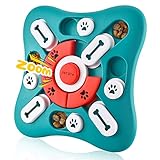
Overview: This dog puzzle toy combines three different difficulty designs with a 16-hole treat dispenser to maximize slow feeding time (over 20 minutes). It features Spin & Slide and Seek & Hide games that challenge pets to use their smell sense and paw skills, helping to provide mental stimulation and combat boredom.
What Makes It Stand Out: The unique three-in-one design combines multiple puzzle styles in a single device, offering progressive challenges as pets master each level. The non-removable parts construction ensures safety and durability, while the built-in squeak button attracts pets’ attention.
Value for Money: At just $13.99, this puzzle toy offers exceptional value by serving dual purposes as both entertainment and a slow-feeding solution. The multifunctional design eliminates the need to purchase multiple toys for different types of play, making it one of the most affordable premium puzzle options available.
👍 Pros
- Multiple difficulty levels for longevity
- Non-toxic durable construction
- Anti-slip pads for stability during play
- And dishwasher-safe materials for easy cleaning
👎 Cons
- Are that its size may be too large for small dogs or apartments
- And some pets may lose interest if the puzzles are too easy
Bottom Line: This dog puzzle toy provides outstanding value at $13.99 for pet owners seeking mental stimulation solutions. Its combination of multiple challenge types, durability, and ease of cleaning make it an ideal choice for most dogs and cats, particularly those who need help with eating too quickly.
3. T01 Interactive Dog Toys Dog Ball,Anti Boredom Dog Toys,Durable Motion Activated Automatic Rolling Toys for Small/Medium Dogs,Moving Ball for Dogs to Keep Them Busy,Dog Bows,Fruity Plush Covers(Black)

Overview: The T01 Interactive Dog Ball provides anti-boredom entertainment through two motion modes (normal and smart). This set includes decorative dog bows and plush fruit covers that reduce noise and protect the ball from aggressive biting. The toy operates on USB rechargeable power for convenience.
What Makes It Stand Out: The unique combination of interactive play with aesthetic accessories (dog bows and fruit-covered plush covers) distinguishes this toy from standard options. The noise-reducing plush covers are particularly innovative for households sensitive to the mechanical sounds of automatic toys.
Value for Money: At $17.99, this toy offers good value with multiple accessories included and the convenience of USB recharging. The dual purpose of physical activity and aesthetic appeal adds to its worth, while the elimination of disposable batteries provides long-term savings.
👍 Pros
- USB rechargeability
- Noise-reducing plush covers
- Decorative elements that add fun
- And dual motion modes that adapt to different play styles
👎 Cons
- Are that the plush covers may be chewed off quickly by determined pets
- And the decorative elements might not appeal to all owners
Bottom Line: The T01 Interactive Dog Toys Dog Ball provides versatile entertainment at $17.99 by combining play with aesthetic elements. While best suited for small to medium dogs, the noise-reducing features and USB recharging make it a practical choice for pet owners seeking an interactive toy that enhances both pet happiness and household peace.
4. Cheerble Smart Interactive Dog Toy, Wicked Ball AIR, Automatic Moving, Bouncing, and Rotating, E-TPU Material, IPX7 Waterproof Rating, Active Rolling Ball for Medium and Large Dogs
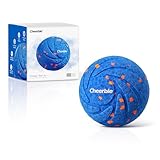
Overview: The Cheerble Wicked Ball AIR is an enhanced interactive toy designed for medium and large dogs (35+ lbs), featuring automatic moving, bouncing, and rotating capabilities. Made with durable E-TPU material and featuring an IPX7 waterproof rating, it offers three switchable play modes (Normal, Passive, Gentle) to match different energy levels.
What Makes It Stand Out: The replaceable E-TPU outer shell sets this premium toy apart, both for its eco-friendly properties and long-term value. Its specific design for larger dogs combined with the three intelligence modes makes it adaptable to various play styles while maintaining structural integrity.
Value for Money: At $35.99, this occupies the premium segment of the market but justifies its price through superior durability, the innovative replaceable parts system, and specialized design for larger breeds. The modern USB-C recharging capability adds to its value proposition.
👍 Pros
- Its specific design for larger dogs
- Durable E-TPU material
- Replaceable shells that extend product life
- Three intelligence modes for different play styles
- And USB-C recharging for convenience
👎 Cons
- Are the higher price point than competitors
- The need for supervision with aggressive chewers
Bottom Line: The Cheerble Smart Interactive Dog Toy delivers on its premium positioning with thoughtful design features specifically for medium and large dogs. While the $35.99 price point requires a larger investment, the replaceable parts system and robust construction make it a worthwhile long-term investment in your pet’s happiness and mental stimulation.
5. SilveWillo Interactive Electric Automatic Rolling Moving USB Rechargeable Self Activated Play Stimulation Toy Smart Chase Teaser Ball with Speedy Tail Rope for Bored Adult Indoor Cats and Dogs, Red

Overview: The SilveWillo Interactive Electric Toy provides budget-friendly moving stimulation through three distinct movement modes. It features obstacle avoidance technology that prevents it from getting stuck, durable materials designed for wear resistance, and fast charging capabilities, all complemented by a red design with a speedy tail rope.
What Makes It Stand Out: Its extremely affordable price point combined with sophisticated features like obstacle avoidance technology makes this toy exceptional value. The three movement modes specifically designed for different surfaces (Fast Mode for carpets, Slow Mode for hard floors, Interactive Mode for general play) showcase thoughtful engineering at an entry-level price.
Value for Money: At $8.99, this toy offers unbeatable value, costing significantly less than competitors while still providing essential interactive features. It makes interactive play accessible to pet owners on any budget, with no sacrifice on core functionality.
👍 Pros
- Its extremely affordable price
- Obstacle avoidance technology that prevents frustrations
- Variety of movement modes for different surfaces
- And fast charging for convenience
👎 Cons
- Are that build quality may not match more expensive toys
- Playtime is shorter compared to premium options
- And it’s not specifically designed for large or aggressive chewers
Bottom Line: The SilveWillo Interactive Electric Toy represents outstanding value at $8.99, offering a sophisticated set of features at an entry-level price point. While it may lack the longevity of premium options, it provides an excellent way to introduce interactive play to pets without a significant financial commitment, making it ideal for first-time owners or budget-conscious shoppers.
6. BoYoYo Interactive Dog Puzzle Toys for Boredom, Dogs Enrichment Toy to Keep Them Busy, Treat Dispensing Slow Feeder

Overview: The BoYoYo Interactive Dog Puzzle Toy is a treat-dispensing enrichment toy designed to keep dogs mentally stimulated and physically engaged. Made from ABS, nylon, and rubber materials, this toy challenges pets by making them work to retrieve treats through its spiral design and adjustable food dispensing feature.
What Makes It Stand Out: The toy’s unique food adjustment distribution system allows owners to control treat release by adjusting switches, extending feeding time and difficulty. The combination of sturdy materials with noise reduction makes it suitable for different home environments while standing up to regular use.
Value for Money: Priced at $12.99, this puzzle toy offers excellent value as it serves multiple functions – it’s a slow feeder, mental stimulation device, and treat dispenser in one, potentially reducing the need for separate toys with single purposes.
👍 Pros
- Adjustable difficulty levels
- Quiet operation for roller components
- Safe materials
- And multiple size compatibility. The major
👎 Cons
- Is its unsuitability for aggressive chewers despite its durable construction
- Limiting its effectiveness for certain breeds
Bottom Line: The BoYoYo Interactive Dog Puzzle Toy is ideal for most dogs that aren’t aggressive chewers. It provides good mental stimulation and encourages slow eating habits while offering versatility in treat distribution. Best used under supervision, it’s a solid, affordable option for pet owners seeking to reduce boredom and encourage positive play behaviors.
7. PetDroid Interactive Dog Toys Dog Ball,[2025 Newly Upgraded] Durable Motion Activated Automatic Rolling Ball Toys for/Small/Medium/Large Dogs,USB Rechargeable(Blue)
![PetDroid Interactive Dog Toys Dog Ball,[2025 Newly Upgraded] Durable Motion Activated Automatic Rolling Ball Toys for/Small/Medium/Large Dogs,USB Rechargeable(Blue)](https://m.media-amazon.com/images/I/41ccVsFl48L._SL160_.jpg)
Overview: The PetDroid Interactive Dog Ball is an automatic rolling toy designed to engage dogs with its motion-activated features and colorful lights. This 2025 upgraded model offers two distinct play modes and operates on USB rechargeable power for convenient use.
What Makes It Stand Out: The dual-mode operation sets this ball apart – an irregular rolling mode for hard floors and a crazy bouncing mode with tennis cover for carpets or lawns. The built-in motion sensor activates the toy when touched, creating engaging play sessions without constant owner involvement.
Value for Money: At $20.90, this toy is mid-range in price but offers sophisticated technology with its rechargeable battery, motion sensors, and multifunction design. Its durability and variety of features justify the cost for dog owners seeking high-tech solutions to pet entertainment.
👎 Cons
- It’s not suitable for aggressive chewers
- Has surface limitations – the rolling mode only works on hard floors
Bottom Line: The PetDroid Interactive Ball is ideal for active dogs that enjoy chasing and interactive play, particularly for homes with hard floors. While not suitable for aggressive chewers or exclusively for soft surfaces, its automatic operation and attractive features make it a worthwhile investment for owners looking to provide independent play stimulation.
8. BABORUI Interactive Dog Toys Pig, Jumping Squeaky Dog Toys with Recording and Music Modes, Rechargeable Moving Dog Chew Toys for Small/Medium/Large Dogs to Keep Them Busy(Blue Pig)

Overview: The BABORUI Interactive Dog Toys Pig is a bright blue plush toy with a moving and vibrating inner mechanism. Designed to keep dogs engaged through recording and music modes, this toy stimulates both mental and physical energy release for dogs of all sizes.
What Makes It Stand Out: This toy’s exceptional feature is its dual-mode operation – owners can record personalized sounds or choose from built-in music that plays while the pig-shaped toy vibrates and bounces. This customization allows for targeted engagement based on individual dog preferences.
Value for Money: At just $12.49, this toy offers remarkable functionality at an affordable price point. The combination of audio personalization, physical movement, and durable construction provides significant entertainment value for the cost.
👎 Cons
- The protective covering might not withstand very aggressive chewers despite its double protection design
Bottom Line: The BABORUI Pig Toy delivers excellent interactive entertainment at an affordable price. Its unique sound features combined with movement create engaging play sessions that help manage canine energy and stress levels. Best suited for medium to light chewers, it’s a great option for owners seeking both mental and physical stimulation for their pets.
9. Hyper Pet Doggie Tail Interactive Plush Dog Toys (Wiggles, Vibrates, and Barks, Stimulating Play)

Overview: The Hyper Pet Doggie Tail is a plush toy with an internal mechanism that makes it wiggle, vibrate, and bark when activated. Designed to encourage dogs to run, chase, and play, this interactive toy aims to reduce anxiety and boredom through erratic movements and sounds.
What Makes It Stand Out: What distinguishes this toy is its realistic movement and sound combination in a plush format. The automatic activation feature responds to rolling or throwing, creating unpredictable play patterns that maintain canine interest, and it comes with replaceable covers for extended use.
Value for Money: Priced at $17.95, this toy sits in the mid-range category but offers durable play with replaceable covers extending its lifespan. The inclusion of batteries in the initial purchase adds to its value by providing immediate usability.
👎 Cons
- The battery life may be limited for very active dogs
- And some dogs may lose interest once they figure out the toy’s consistent reaction patterns
Bottom Line: The Hyper Pet Doggie Tail offers engaging, autonomous play that can significantly reduce boredom and anxiety in dogs. Its plush exterior provides comfort while the internal mechanism creates stimulating movement and sound. While battery replacement will be needed occasionally and replacement covers are an additional cost, overall it provides good value for interactive pet entertainment.
10. Carllg Dog Chew Toys for Aggressive Chewers, Indestructible Tough Durable Squeaky Interactive Dog Toys, Puppy Teeth Chew Corn Stick Toy for Small Medium Large Breed

Overview: The Carllg Dog Chew Toys are designed specifically for aggressive chewers, featuring a corn-shaped zigzag design that helps clean teeth while providing satisfying chew resistance. Made from durable TPR material, this toy aims to withstand even the most determined chewers.
What Makes It Stand Out: The unique corn-shaped design with zigzagged surfaces provides both entertainment and dental benefits by working calculus from multiple angles. The combination of nearly indestructible construction with an integrated squeaker makes it stand out in the chew toy market.
Value for Money: At $12.99, this toy offers excellent value for aggressive chewers who would quickly destroy less durable toys, potentially saving money in the long run by reducing the need for frequent replacements. The dental cleaning aspect adds additional value beyond simple chewing enjoyment.
👍 Pros
- Its durability for aggressive chewers
- Teeth-cleaning design
- Safe TPR material that doesn’t deform
- And attention-grabbing squeaker
👎 Cons
- Is that while marketed as “indestructible
- ” no toy is truly immune to all dogs
- Especially those with exceptionally powerful jaws
Bottom Line: The Carllg Corn Stick Chew Toy provides an excellent solution for dog owners struggling with aggressive chewers. Its thoughtful design addresses both durability and dental health while maintaining an affordable price point. While not truly indestructible, it comes closer than most toys on the market, making it a worthy investment for pet owners seeking long-lasting chew entertainment for their dogs.
Understanding Canine Intelligence and Play
The Science Behind Dog Play
Play behavior in dogs is far more than simple amusement—it’s a complex neurological process that enhances learning, problem-solving abilities, and social skills. When dogs engage with interactive toys, their brains release dopamine and other neurochemicals associated with pleasure and reward. This neurological response creates positive associations with the problem-solving process, encouraging dogs to persist through challenges. Scientific studies have demonstrated that dogs who regularly engage with puzzle toys show improved performance in cognitive tasks and demonstrate greater adaptability to new situations compared to dogs without such enrichment.
Benefits of Mental Stimulation for Dogs
Mental stimulation through interactive toys offers numerous benefits that extend beyond simple entertainment. First, it helps prevent behavioral issues that often stem from boredom, such as excessive barking, chewing furniture, or digging. engaged dogs are generally calmer and more content when left alone. Second, regular cognitive challenges can slow age-related cognitive decline in senior dogs, keeping their minds sharp and improving their quality of life. Third, interactive toys can strengthen the bond between you and your dog, especially when used in training or interactive sessions. Finally, these toys can provide essential physical exercise, particularly for dogs with limited mobility or those living in smaller spaces.
Types of Interactive Dog Toys
Puzzle Toys and Their Purposes
Puzzle toys come in various forms, from simple treat-dispensing balls to complex multi-challenge systems designed to engage your dog’s problem-solving skills. These toys typically require dogs to manipulate components in specific ways to access treats or kibble hidden within. Some puzzles are designed to be filled with food, encouraging dogs to paw, nudge, or roll the toy to release the contents. Others feature more intricate mechanisms that require step-by-step problem-solving, such as moving sliders, opening compartments, or aligning pieces. The primary purpose of puzzle toys is to simulate the hunting and foraging behaviors dogs would naturally engage in, providing mental exercise while building confidence through problem-solving.
Treat-Dispensing Toys
Treat-dispensing toys focus on rewarding dogs for engaging with the toy, creating positive reinforcement for playtime. These toys typically have openings or mechanisms that release treats in small portions as the dog plays, extending the entertainment value and encouraging persistent engagement. The dispensing rate can usually be adjusted to increase or decrease difficulty, making these toys versatile for dogs of different skill levels. Some treat-dispensing toys are stationary, requiring dogs to figure out how to access the treats, while others are designed for rolling or chasing, combining mental stimulation with physical activity. When choosing a treat-dispensing toy, consider your dog’s chewing strength and size to ensure both safety and appropriate challenge level.
Interactive Fetch Toys
Interactive fetch toys combine the classic game of fetch with elements that extend engagement beyond simple throwing and retrieving. These toys often incorporate treat-dispensing mechanisms, unpredictable bounce patterns, or interactive components that require dogs to think about how to access the toy or make it function. Some advanced interactive fetch toys might have built-in timers, automatic launching capabilities, or variable trajectories that keep dogs guessing and engaged. These toys are particularly beneficial for high-energy dogs who need both mental and physical stimulation, as they combine exercise with cognitive challenges that can help expend excess energy in constructive ways.
Automated Toys vs. Manual Interaction
When selecting interactive toys, you’ll encounter options designed for both automated interaction and direct human engagement. Automated toys, such as laser pointers, treat-launching devices, or moving toys, offer the benefit of providing entertainment when you’re not available to play directly. These can be particularly useful for dogs who need mental stimulation during long periods alone. However, they should supplement rather than replace human interaction, as dogs thrive on social engagement. Manual interactive toys, such as tug toys, puzzle feeders, or treat balls, require your direct participation and strengthen the human-dog bond through shared play experiences. The ideal approach often combines both types, providing self-entertainment options when you’re busy and interactive engagement during quality time together.
Key Features to Consider When Selecting Interactive Toys
Safety Considerations
Safety should always be your primary concern when selecting interactive toys for your dog. Examine toys thoroughly for small parts that could be chewed off and swallowed, sharp edges that could cause injury, or toxic materials that could harm your dog if ingested. Look for products made from non-toxic, food-grade materials specifically designed for canine use. For dogs who are aggressive chewers, prioritize toys labeled as “durable” or “heavy-duty,” as standard toys may pose choking hazards. Always supervise your dog during initial play with a new toy, particularly if they tend to destroy their toys quickly. Regularly inspect toys for signs of wear and tear, and remove them from your dog’s reach once they become damaged to prevent accidental ingestion of small pieces.
Durability Factors
The durability of an interactive toy depends on several factors, including material quality, construction methods, and design elements. Natural materials like rubber or specialized polymers tend to be more durable than plastic or vinyl options, especially for determined chewers. Look for toys with reinforced seams, double-stitched construction, or seamless molding where possible. For treat-dispensing toys, consider the strength of the dispensing mechanism and whether components can be easily replaced if they wear out. Remember that no toy is completely indestructible, especially for dogs who are powerful chewers. Setting realistic expectations about a toy’s lifespan and having multiple options available can help ensure your dog has appropriate outlets for their chewing instincts while keeping them safe.
Size and Breed Appropriateness
Matching interactive toys to your dog’s size and breed characteristics is crucial both for safety and optimal engagement. Small dog breeds often require smaller, lighter toys with appropriately sized treat compartments, as oversized toys may be difficult for them to manipulate or carry. Large breeds typically need sturdier, more durable toys that won’t be destroyed in minutes but should still be lightweight enough for them to carry comfortably. Consider your dog’s mouth size when selecting toys that need to be carried or picked up for play. Additionally, certain breeds have specific characteristics that influence toy selection—border collies and other herding breeds might enjoy toys that challenge their problem-solving abilities, while terriers may prefer toys that tap into their natural digging and hunting instincts.
Age Appropriateness
Just as with children, age-appropriate toys are essential for dogs to ensure both safety and developmental benefits. Puppies are teething and typically need softer toys that provide relief for their sore gums while being safe if accidentally ingested. Avoid toys with small parts or those made of materials that could break into sharp pieces for puppies. Adult dogs benefit from a wider range of challenges, from intermediate puzzle toys to more complex interactive systems. Senior dogs may need toys that are easier to manipulate, particularly those with arthritis or mobility issues, as well as cognitive stimulation to help maintain mental acuity. Interactive toys specifically designed for puppies and seniors can provide the right balance of engagement and accessibility for these life stages.
Skill Level Requirements
When introducing interactive toys, consider your dog’s previous experience and current skill level. Dogs new to puzzle toys should start with simpler designs that offer quick success, helping to build confidence and interest in problem-solving. As your dog masters easier challenges, you can gradually introduce more complex toys that require additional steps or thinking. Some manufacturers indicate skill levels on their packaging, often with beginner, intermediate, and advanced designations. Pay attention to your dog’s frustration threshold—if they’re becoming overly frustrated or losing interest, the toy may be too challenging. Conversely, if they solve a toy too quickly and lose interest, it may be time to introduce more complex options or adjust the difficulty settings.
Engaging Your Dog’s Senses
Toys for Visual Stimulation
Some interactive toys leverage visual elements to engage your dog’s natural curiosity and visual processing abilities. Toys with moving parts, unpredictable movements, or high-visibility colors can capture and maintain your dog’s attention, particularly during solo play. For instance, toys that wobble, roll in unpredictable patterns, or have interactive light components can provide visual stimulation that keeps dogs engaged even when treats aren’t immediately accessible. Visual toys are particularly useful for dogs with higher energy levels, as they create excitement and interest through movement rather than just challenge. When selecting visually stimulating toys, consider any visual sensitivities your dog might have, including the tendency to be overly aroused by rapid movements or flashing lights that could trigger over-excitement.
Toys for Olfactory Engagement
Dogs experience the world primarily through their sense of smell, making olfactory-focused toys some of the most engaging and mentally stimulating options available. Snuffle mats, treat-hiding fabric puzzles, and scent-based games encourage dogs to use their powerful noses to locate hidden rewards, satisfying their natural sniffing instincts. These toys work by scattering small treats among fabric flaps or compartments, requiring dogs to use their noses to seek out and extract the rewards. Olfactory engagement is particularly tiring for dogs—mentally exhausting them comparable to physical exercise. This makes snuffle mats and scent-based toys excellent options for high-energy dogs who need mental stimulation when outdoor activities are limited. Additionally, these toys can be especially beneficial for senior dogs or those with mobility issues, as they provide low-impact mental exercise.
Toys That Incorporate Sound
Sound can be a powerful engagement tool in interactive dog toys, but it’s important to consider individual sensitivities and preferences. Some dogs are easily frightened by loud or high-pitched sounds, while others may remain largely indifferent to auditory elements. Interactive toys that incorporate gentle, pleasant sounds—such as crinkling materials, soft rattles, or muted chimes can add an additional sensory dimension to play without causing anxiety. For dogs who respond well to sound, these toys can increase engagement and maintain interest longer, particularly during independent play sessions. When introducing sound-producing toys, monitor your dog’s initial reaction to ensure they’re not frightened or overstimulated. Avoid toys with excessive or startling noises, especially for nervous or sound-sensitive dogs.
Incorporating Interactive Toys into Your Dog’s Routine
Finding the Right Play Schedule
Establishing a consistent routine for interactive play can maximize the benefits while preventing your dog from becoming overly fixated on toys or expecting constant engagement. For most dogs, two to three short play sessions per day lasting 10-15 minutes each are optimal, though this can vary based on age, energy level, and individual preferences. Puppies and high-energy dogs may benefit from additional sessions, while senior dogs might prefer shorter, less frequent play. Try to schedule play sessions when your dog is naturally alert but not already overstimulated, avoiding times when they’re already tired or overly excited. Consistency helps set expectations and allows your dog to anticipate these engaging activities, which can be particularly helpful for dogs who experience anxiety during their owners’ absence.
Supervising Play Sessions
While some interactive toys are designed for independent play, supervision is crucial during initial play sessions with any new toy, regardless of its design. Supervision allows you to observe how your dog interacts with the toy, ensure they’re using it correctly, and intervene if they show signs of frustration or attempt to破坏 the toy in dangerous ways. For treat-dispensing toys, supervision helps prevent your dog from consuming treats too quickly and ensures the toy isn’t becoming stuck on their mouth or face. Additionally, regular interaction during play sessions strengthens the bond between you and your dog and adds an additional layer of positive reinforcement for their problem-solving efforts. Over time, as you become familiar with your dog’s interaction patterns with specific toys, you may gradually reduce supervision while remaining aware of potential safety concerns.
Rotating Toys for Continued Engagement
Dogs, like humans, can become bored with repetitive stimulation, making toy rotation an essential strategy for maintaining long-term engagement. Rather than leaving all toys available at once, consider keeping a selection of three to five interactive toys in rotation, swapping them out every few days to maintain novelty and interest. This approach has the dual benefit of preventing boredom while extending the lifespan of individual toys by reducing constant wear and tear. Create an organized system for storing toys not in use, keeping them clean and ready for rotation. When reintroducing toys after a break, dogs often respond with renewed enthusiasm, much like discovering a favorite toy all over again. This rotation strategy works particularly well for puzzle toys, as the return of a familiar yet temporarily inaccessible challenge often re-engages their problem-solving interest.
Advanced Interactive Toy Strategies
Food Puzzles and Slow Feeders
Food puzzles represent a sophisticated category of interactive toys designed to transform mealtime into a cognitive challenge. These toys typically require dogs to manipulate components in specific ways to access their food, extending meal duration while providing mental stimulation. The complexity ranges from simple bowl designs with ridges to intricate multi-stage puzzles that challenge dogs to work through multiple steps. Food puzzles offer significant advantages over traditional feeding methods, including slowing down fast eaters to reduce digestive issues, providing mental enrichment during normally routine activities, and helping prevent obesity by making dogs work for their food. For optimal results, select puzzles appropriate for your dog’s skill level and ensure they’re not becoming overly frustrated during the learning process. Gradually increasing difficulty as your dog masters each challenge maintains engagement and builds confidence through problem-solving.
Training with Interactive Toys
Interactive toys can serve as valuable tools in training programs, helping to reinforce desired behaviors while making learning sessions more engaging and enjoyable for your dog. Treat-dispensing toys can be used as high-value rewards for completing training exercises, while puzzle toys can be incorporated into training sessions to teach problem-solving and patience. For instance, you might teach your dog specific actions or cues required to access treats from a puzzle toy as part of their training routine. This approach not only reinforces the learning but also maintains your dog’s interest in training activities. Interactive toys can also be used to redirect unwanted behaviors—for example, offering a puzzle toy when you notice your dog beginning to engage in destructive chewing. By connecting positive experiences with these toys, you can enhance their training value while satisfying your dog’s need for mental stimulation.
Multi-Stage Challenges
For dogs who have mastered basic interactive toys, multi-stage challenges offer the next level of engagement and mental exercise. These toys typically require dogs to work through a series of steps or complete multiple sub-puzzles to ultimately access their reward. Multi-stage challenges might involve opening a cover to reveal a slider, which then moves to uncover a hidden treat compartment, creating a logical sequence that must be completed in order. Toys of this complexity are particularly beneficial for highly intelligent dogs or those who quickly become bored with simpler options. When introducing multi-stage challenges, break them down into smaller components during initial sessions, helping your dog understand each step before advancing to the next level. This progressive approach prevents frustration and builds problem-solving confidence, making the overall challenge more rewarding and enjoyable.
Common Mistakes to Avoid
Choosing Toys That Are Too Difficult or Too Easy
One of the most common mistakes owners make is selecting interactive toys that don’t match their dog’s current skill level. Toys that are too difficult can cause frustration and disinterest, while toys that are too easy quickly lose their appeal and don’t provide meaningful mental stimulation. The ideal challenge should be achievable with some effort, requiring your dog to think but not struggle excessively to succeed. When introducing a new toy, begin at the easiest setting available and gradually increase difficulty as your dog demonstrates mastery. Pay attention to your dog’s body language—signs of frustration like excessive barking, pawing at their own face, or carrying the toy to you often indicate the challenge is too difficult. Conversely, completing a challenge too quickly without apparent engagement suggests it may be time to advance to more complex options.
Overlooking Safety Hazards
Even with the best intentions, owners sometimes inadvertently select interactive toys that pose safety risks to their dogs. Potential hazards include toxic materials used in toy manufacturing, small parts that could be swallowed, stuffing that could create intestinal blockages, or mechanisms that could trap a dog’s mouth or paws. Always research materials quality and construction before making a purchase, and be particularly cautious with toys marketed as “indestructible” for heavy chewers—no toy is truly indestructible for all dogs. Regularly inspect interactive toys for damage during play, and remove them from your dog’s access if they show signs of excessive wear or potential breakage. When introducing new puzzle toys, monitor your dog closely during initial sessions to ensure they’re interacting with it appropriately and not attempting to ingest non-edible components.
Neglecting to Replace Worn Toys
Interactive toys, like all dog products, have finite lifespans, especially for dogs who are enthusiastic chewers and players. Continuing to use toys that show significant wear not only reduces their effectiveness but poses potential safety risks as damaged components can break off and create choking hazards or internal blockages if ingested. Develop a habit of regularly inspecting toys for signs of wear and have backup options ready to rotate in when others become worn or damaged. Some higher-quality interactive toys offer replacement components, such as treat-dispensing inserts or puzzle parts, which can extend their useful life while maintaining safety. Remember that investing in quality, durable toys often represents better long-term value than constantly replacing cheaper options that quickly deteriorate.
Frequently Asked Questions
How long should my dog play with interactive toys each day? The ideal playtime with interactive toys varies based on your dog’s age, energy level, and individual preferences. Generally, dogs benefit from two to three 10-15 minute sessions per day. Puppies and high-energy dogs might handle longer or more frequent sessions, while senior dogs or those with health conditions might prefer shorter, gentler play. Always watch for signs of fatigue or overstimulation and adjust accordingly.
Are interactive toys suitable for all dog breeds? Interactive toys can benefit dogs of all breeds and sizes, though the specific type and difficulty level should be selected based on your dog’s characteristics. Small breeds might need appropriately sized toys with smaller treat compartments, while large breeds require more durable options. Additionally, certain breeds with specific instincts, like herding or hunting breeds, might especially enjoy certain types of interactive challenges that tap into their natural behaviors.
Can interactive toys help with separation anxiety? Yes, interactive toys can be valuable tools in managing mild separation anxiety. Toys that engage your dog’s mind and provide rewards during your absence can help reduce anxiety by occupying their attention and creating positive associations with your departure. However, they should be used as part of a comprehensive approach that may include proper desensitization training and creating a comfortable environment for unsupervised time.
How do I introduce interactive toys to my dog? Start by introducing interactive toys during calm, low-stress times when your dog is alert but not overly excited. Begin with simpler designs that offer quick success, helping build confidence and interest. Show your dog how the toy works if they seem confused, and use high-value, small treats to encourage engagement. Keep initial sessions short and positive, gradually increasing duration as your dog becomes more familiar with the toy.
What’s the best way to clean interactive toys? Cleaning methods depend on the toy’s material. Most rubber or plastic toys can be washed with warm soapy water, while fabric-based puzzles may require gentle hand washing or machine washing on a delicate cycle. For toys with electronic components, or those with hard-to-reach crevices, using a cloth soaked in pet-safe cleaner might be more appropriate. Always ensure toys are completely dry before returning them to your dog to prevent mold growth and potential health issues.
At what age can puppies start using interactive toys? Puppies can begin using simple interactive toys as early as 8-10 weeks old, though the specific type should be age-appropriate and safe for teething. Choose softer toys designed for puppies, avoiding those with small parts that could be chewed off and swallowed. Always supervise your puppy during play to ensure they’re using toys appropriately and not attempting to ingest non-edible components.
Are expensive interactive toys worth the cost? More expensive interactive toys often offer better quality materials, construction, and durability, potentially representing better long-term value than cheaper alternatives. However, the most expensive isn’t necessarily the best choice for every dog. Consider your dog’s size, chewing strength, and play style when evaluating cost. Sometimes moderately priced options that are regularly replaced may serve specific needs better than a single expensive toy.
How do I know if an interactive toy is too difficult for my dog? Signs that a toy might be too challenging include your dog becoming frustrated, giving up quickly, or showing stress behaviors like excessive barking, whining, or pawing at their own face. Dogs may also bring overly difficult toys directly to you without attempting to solve the puzzle themselves. If you observe these signs, simplify the challenge by adjusting settings or starting with easier alternatives to build confidence first.
Can interactive toys replace physical exercise? Interactive toys are excellent supplements to physical exercise but shouldn’t replace it entirely. While they provide valuable mental stimulation, dogs still need regular opportunities for physical activity to maintain healthy weight, muscle tone, and cardiovascular health. The ideal approach combines interactive play with appropriate physical exercise tailored to your dog’s age, breed, and health status.
How many interactive toys should I have available at once? Having three to five interactive toys in rotation typically works well for most dogs, preventing boredom while reducing excessive wear on individual toys. This selection can include a variety of types and difficulty levels to match your dog’s mood and energy levels on any given day. The key is maintaining novelty through regular rotation rather than providing overwhelming choices all at once.