Few pleasures rival watching a thriving aquarium burst with color—until a stubborn film of green, brown, or black algae coats the glass and steals the spotlight. Whether you keep a rimless reef cube or a classic acrylic bow-front, the right algae scraper can turn weekly maintenance from a dreaded chore into a swift, satisfying ritual. In this updated 2025 guide, we’ll unpack every nuance you need to consider so the tool you choose fits your tank material, livestock, décor, and—most importantly—your patience level.
Ready to banish the fuzz once and for all? Let’s dive beneath the surface.
Top 10 Algae Scraper For Fish Tank
Detailed Product Reviews
1. Aqueon Aquarium Algae Cleaning Magnets Glass/Acrylic, Small, Black
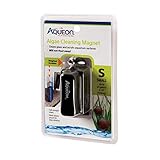
Overview: Aqueon’s small magnetic cleaner is a minimalist tool for routine algae removal on glass or acrylic tanks.
What Makes It Stand Out: By enclosing the inner scrubber in a weighted, curved pad, it cleans both flat and bow-front surfaces, and if the magnets separate, the pad drops straight down instead of drifting behind décor.
Value for Money: At $8, it replaces several handheld pads and eliminates the need to roll up sleeves, making weekly maintenance faster and safer for tiny to mid-sized setups.
Strengths and Weaknesses: Pros—no wet hands, safe for acrylic, snag-free retrieval. Cons—scouring power is moderate; stubborn or encrusting algae still need a blade or scraper.
Bottom Line: For routine wipe-downs in nano-to-30-gallon tanks, this magnet is a reliable low-cost companion.
2. Kirecoo Algae Scraper for Glass Aquariums, 25.6″ Fish Tank Cleaner, Stainless Steel Algae Scraper for Fish Tank with 10 Blades, Aquarium Glass Cleaning Tools, Cleaning Accessories

Overview: Kirecoo delivers a professional-grade, 25.6″ stainless-steel scraper kit with ten replaceable blades designed for glass aquariums.
What Makes It Stand Out: Telescopic shaft reaches deep tanks without arm submersion; hollow, right-angle head cuts drag and corners alike, while tool-free assembly shrinks it to 18.1″ for storage.
Value for Money: Under $8, you receive a full metal shaft, ten blades, and adaptable reach—amounting to mere cents per swap.
Strengths and Weaknesses: Pros—razor-sharp cuts coraline and lime scale quickly; salt/fresh safe. Cons—glass only; blades expose silicone seams to nicks if rushed. Handle flexes with heavy pressure.
Bottom Line: If you battle stubborn buildup in glass aquariums, this budget champion outperforms magnets and sponges alike when used with care.
3. SLSON Aquarium Algae Scraper Double Sided Sponge Brush Cleaner Long Handle Fish Tank Scrubber for Glass Aquariums and Home Kitchen,15.4 inches (1)

Overview: SLSON’s 15.4″ double-sided sponge brush is a light-duty cleaner aimed at glass aquariums and household glass alike.
What Makes It Stand Out: Dense, non-scratch sponge removes algae in a few passes, while the hanging loop keeps the head dry and sanitary between uses.
Value for Money: At $5.98, it’s half the price of branded magnets and delivers comparable weekly-cleaning performance.
Strengths and Weaknesses: Pros—light, grippy handle; rinse-and-hang storage. Cons—acrylic or plastic tanks risk scratching; sponge tears on coarse debris and is not replaceable.
Bottom Line: Ideal for quick touch-ups in glass tanks under 40 gallons, but keep it away from acrylic.
4. AQUANEAT Fish Tank Cleaning Tools, Aquarium Double Sided Sponge Brush, Algae Scraper Cleaner with Long Handle

Overview: AQUANEAT’s 12.5″-handled double sponge is a near-clone of other budget brushes—short, light, and glass-only.
What Makes It Stand Out: Compact size lets it slip into tight aquascapes, while the loop hanger stops the sponge from sitting in water and going sour.
Value for Money: Cheapest of the group at $5.89, yet quality feels equal; good disposable solution for quarantine or hospital tanks.
Strengths and Weaknesses: Pros—cheap, gentle on tempered glass, maneuverable. Cons—too short for tanks taller than 15″; sponge not refillable; ineffective on calcified algae.
Bottom Line: A dirt-cheap glass-only tool for nano and shallow tanks; pair with a blade scraper for deep cleans.
5. HOTOOLME Aquarium Scraper, 25.6″ Stainless Steel Scraper Cleaning Razor with 10 Blades for Glass Aquarium Fish Tank
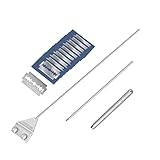
Overview: HOTOOLME’s 25.6″ stainless-steel scraper combines reach, strength, and swap-out blades, packaged with bonus sand-leveling capability.
What Makes It Stand Out: The hollow, right-angle head slices resistance underwater, and detaching the blade instantly converts the tool into a rake for finishing substrate contours.
Value for Money: At $9.99, the slight premium over rivals buys sturdier screws and multi-use versatility.
Strengths and Weaknesses: Pros—robust telescopic shaft, corrosion-proof 304 steel, quick-swap blades. Cons—glass surfaces only; advertising claims transparency “instantly,” but heavy coraline still demands elbow grease.
Bottom Line: Slightly stronger than the Kirecoo build, making it the best long-term investment for hobbyists with mature, high-bioload glass tanks.
6. UPETTOOLS Aquarium Clean Tool 6 in 1 Fish Tank Cleaning Kit Algae Scraper Scrubber Pad Adjustable Long Handle Fish Tank Brush Cleaner Set

Overview: UPETTOOLS bundles six essential aquarium-maintenance implements into one 3.2 ft extendable kit, promising full-tank maintenance without wet arms or tool changes.
What Makes It Stand Out: A true Swiss-army approach—scraper, rake, brush, sponge, net and corner tool—on one telescoping pole; 180° swiveling corner head hits neglected angles most kits skip.
Value for Money: At under $25 for six tools that would retail individually above $40, the set represents clear bundle savings and negates future accessory purchases.
Strengths and Weaknesses: Strengths span time-saving breadth, lightweight ABS build and fully adjustable handle. Chief weakness is ABS strength under heavy coraline or salt creep; heavier deposits can bend the pole or wear edges faster.
Bottom Line: Ideal for freshwater and light-saltwater keepers wanting an all-in-one daily cleaner. Heavy-bio-load reef tanks may need sturdier blades.
7. Pronetcus Algae Scraper for Glass Aquariums, Fish Tank Cleaner, Aquarium Algae Scrapers with 10 Stainless Steel Blades.

Overview: Pronetcus delivers a budget algae scraper built around ten replaceable stainless blades that slice through stubborn green film on glass walls.
What Makes It Stand Out: Emphasis on razor-sharp blades plus a hard plastic cover that protects fingers and pets when stored—simple yet oft-omitted safety touch.
Value for Money: $12.99 nets scraper plus ten blades— pennies per edge versus single-use plastic scrapers, making ongoing upkeep almost free.
Strengths and Weaknesses: Strengths lie in sharp, wide blade path and salt/fresh compatibility. Weakness: non-extendable handle limits use on tanks taller than arm length, and plastic grip can feel slippery when wet.
Bottom Line: Bargain choice for nano to medium glass tanks where blades need frequent swapping.
8. QANVEE Aquarium Algae Scraper Cleaner Brush with 10 Stainless Steel Blades for Fish Reef Plant Glass Tank 26 Inch

QANVEE presents a sleek, 26 in aluminum-magnesium scraper with ten stainless blades that lock into three length configurations (15/20/26 in) for customizable reach.
What Makes It Stand Out: Sectional metal shaft gives professional reach without flexing, while softly edged blades clean without scratching—an alloy/scraper balance rarely paired at this price.
Value for Money: $15.99 sits mid-range yet equals pricier pro models in rigidity and spares count—great ROI for tall or partitioned tanks.
Strengths and Weaknesses: Strengths include rigidity, glass-safe beveled blades, and three-click length. Weakness: sections can unscrew during vigorous scraping if not checked, and tool sinks quickly if dropped—a minor annoyance in deep tanks.
Bottom Line: Robust, long-reach solution for medium to large glass setups—outclasses plastic competitors at similar cost.
9. API ALGAE SCRAPER For Acrylic Aquariums 1-Count Container
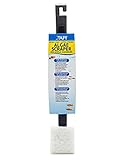
Overview: API caters specifically to acrylic aquarium owners with a soft-pad scraper mounted on an 18 in reinforced handle—finally a tool that won’t scratch plastic walls.
What Makes It Stand Out: Acrylic-safe pad is abrasive enough to lift algae, yet gentle to preserve clarity; extra-long handle keeps knuckles dry during deep-tank maintenance.
Value for Money: At $9.59 it’s the cheapest reliable acrylic scraper from a trusted brand—cheaper than replacing scratched panels.
Strengths and Weaknesses: Strengths are compatibility, sturdy handle and single-piece simplicity. Weakness: fixed soft pad dulls over time and cannot be replaced; any calcium crust may need supplemental tools.
Bottom Line: Non-negotiable for acrylic owners wanting safe, daily touch-ups without glass-only scrapers.
10. DaToo Aquarium Mini Magnetic Scrubber Scraper Small Fish Tank Cleaner Nano Glass Aquarium Cleaning Tools with Super Strong Magnet

Overview: DaToo’s palm-size magnetic scrubber pairs a super-strong N38 NdFeB magnet (2600 GS) with double-sided cleaning pads to glide across glass up to 8 mm thick.
What Makes It Stand Out: Micro footprint (4.5×2.1 in) fits cramped nano scapes; magnets deliver 2–3× standard pull, meaning stuck debris dislodges in seconds without streaks.
Value for Money: At under six dollars, plus a one-year warranty, it’s essentially disposable price with premium magnet technology—exceptional value per swipe.
Strengths and Weaknesses: Strengths: instant dual-texture cleaning, dry hands, zero parts to lose. Weakness: magnet strength can pinch careless fingers; useless on thicker glass or acrylic.
Bottom Line: Perfect daily touch-up for small glass aquariums—cheap, cute and powerfully effective above its $6 class.
Glass vs. Acrylic: Why Material Matters for Blade Choice
Not all scrapers play nicely with every pane. Glass tolerates razor edges and coarse pads, but acrylic—softer and prone to micro-scratches—demands gentler, polymer-safe alternatives. Using the wrong tool can cloud acrylic in minutes or leave glass pristine but striped with metal burrs. Think of material selection as the first gatekeeper: know your tank’s DNA before you click “add to cart.”
Manual vs. Magnetic vs. Motorized: Which Type Fits Your Routine?
Manual scrapers require elbow grease yet give absolute control for razor-thin edges and tight corners. Magnetic couples float and glide from the outside, perfect for spot-cleaning without wet sleeves. Motorized or battery-driven heads hum along automatically—excellent for deep tanks where reach becomes a contortionist’s nightmare—but introduce added complexity and battery considerations.
Blade Materials 101: Stainless Steel, Titanium, Carbon, and Plastic
Stainless blades stay sharp and rust-resistant, yet may nick acrylic or irritate sensitive reef dwellers. Titanium upgrades resist corrosion even in hypersaline systems and stay sharper longer, justifying premium pricing. Carbon scrappers reduce ion-leaching worries, while stiff plastic edges eliminate scratch risk entirely—perfect for novices or scratch-paranoid acrylic keepers.
Ergonomic Handle Design: Grip, Reach, and Wrist Fatigue
A handle as comfortable at minute two as it is at minute twenty spells the difference between thorough scraping and half-done swirl marks. Look for textured, non-slip rubberized grips, angled heads for low-iron rims, and extensions that snap-lock rather than twist-off mid-swipe. Wrist-fatigue becomes real in 120-gallon-plus lengths when you’re balancing atop a step-stool.
Floating vs. Non-Floating Magnetic Scrapers
Drop a non-float magnet in a 24-inch-deep reef and you’re diving after it—alongside panicked copperband butterflies. Floating designs use buoyant polymers so only the inner half falls; just angle your return flow to nudge it back to you. Downside: extra bulk can snag on rockwork or corals while you pivot.
Adjustable Angles and Pivoting Heads: Getting Into Corners
Razor heads locked at 90° leave perfect curves and overflow boxes smugly untouched. Articulating, spring-loaded joints let carbon blades hug convex corners without gouging silicone seams—a godsend for rimless cubes with mitered edges and euro-braced bracing.
Extension Pole Compatibility: Short Tanks to 36″ Deep Showpieces
A 12-inch handle fits a nano, but try maneuvering around a four-foot reefscape without a pole and you’ll teeter like a giraffe on stilts. Telescoping aluminum or carbon-fiber kits—even those branded for windows—can pair with proprietary scraper heads via universal threads. Ensure the pole locks at multiple lengths to prevent nerve-wracking mid-swipe collapse.
Scratch-Guard Settings for Sensitive Acrylic Surfaces
Manufacturers now embed color-coded spacers that lift blades 0.2–0.5 mm above the acrylic, a micro-gap that still shears bio-film but acts as training wheels for first-time acrylic owners. Adjust the guard down as you gain confidence or spot haze beginning to bloom.
Compatibility with Curved Bow-Front Aquariums
Convex acrylic bows magnify distortion, turning a straight blade into a grout line of untouched streaks. Flex-material blades or curved heads conform to radius, letting you trace the arch in a single, satisfying sweep. Always test in an inconspicuous bottom corner first—scratches catch light at 45° angles.
Safety Shields: Protecting Fish, Invertebrates, and Plants
Guppies love nibbling magnet edges, and shrimp treat detached algae like a temporary salad bar. Detachable mesh or silicone skirts block curious livestock while still allowing debris to float away. Avoid skirts that snag—opt for thin, tear-resistant silicone over bulky netting.
Microfiber vs. Felt Pads: Polishing Without Residue
After grime removal, a final polish eliminates dissolved solids and stray cotton fibers. Microfiber pads lift the finest particles and can be machine-washed, whereas felt pads excel at buffing acrylic mirror finishes but may pill over time. Color-code: keep one pad exclusively for post-water-change polishing to avoid cross-contaminating with vinegar or peroxide.
Quick-Release Couplers & Detachable Blades: Travel & Storage
Swap blades between freshwater and saltwater systems without carrying an arsenal. Easy-snap couplers let you break down a 24-inch tool into two pieces that fit carry-on baggage, ideal for aquascaping competitions or club talks. Look for stainless screws, not plastic piano hinges that fatigue in brackish vapor.
Eco-Friendly Materials & End-of-Life Recycling in 2025
Sustainability finally entered the aquarium aisle. Brands now use ocean-recycled ABS frames and cultivate bio-resin blades that arrive in fully recyclable paper sleeves. When longevity ends, drop components in municipal hard-plastics bins or mail-back programs—check for prepaid labels inside tool boxes.
Maintenance Tips: Blade Sharpening, Rust Prevention, and O-Ring Care
Rinse blades under warm RO water and prop vertically to air-dry; trapped salt crystals act like sandpaper. For stainless or carbon blades, a quick wipe with food-grade mineral oil prevents flash rust in humid tank stands. Replace magnet O-rings annually—dried, cracked rings leak water that corrodes internal magnets and stains glass magnetic tracks.
Price vs. Performance: Budget Tiers That Actually Deliver
Price tiers remain predictable: entry tools ($10–20) scratch glass but fade within six months in reef humidity. Mid-tier ($25–45) introduces titanium or reinforced plastics with ergonomic perks. Premium ($60–120) offers modular kits, lifetime warranties, and spare-part ecosystems. Track cost per scrape by dividing tool cost over estimated weeks of use; the gentle titanium option often wins long-term.
2025 Firmware Upgrades: IoT-Enabled Monitoring Edges
Bluetooth-tethered magnets now tag your phone with usage logs and blade-wear analytics. Weekly notifications remind you when micro-scratches exceed preset thresholds—perfect for meticulous aquascapers or warranty nerds. Just toggle off push alerts before vacation so your coral-tuning playlist doesn’t rival your boss’s Slack pings.
Frequently Asked Questions
-
What is the safest blade material for acrylic tanks?
Plastic or proprietary polymer edges are safest for acrylic because they eliminate the risk of micro-scratches that stainless or even titanium blades can create. -
Can a single scraper handle both freshwater and saltwater setups?
Yes, if it uses stainless or titanium blades that resist corrosion. Always rinse in fresh water and dry the tool after saltwater use to prolong life. -
How often should I replace my scraper blade?
Stainless or titanium blades usually last 6–12 months with weekly use, while plastic blades should be swapped when edges become visibly dull or chipped. -
Do magnetic scrapers lose strength over time?
Magnets can demagnetize in high-heat stands or if submerged heaters are too close. Expect gradual strength loss after 2–3 years; purchase replacement magnets rather than entire assemblies. -
Is it safe to use a razor scraper inside a reef tank with live coral?
Stainless or titanium razors are safe for glass, but avoid nicking silicone seams and always check for stray fragments before restarting powerheads. -
What length handle do I need for a 36-inch-deep tank?
Choose an extendable pole that reaches at least 44–48 inches to let you work comfortably above water without overstretching. -
Will tempered glass scratch with stainless blades?
Tempered glass resists scratches better than standard float glass, yet poorly aligned blades can still leave marks if grit becomes trapped underneath. -
Can I sharpen a titanium blade at home?
Titanium can be honed with a diamond whetstone intended for kitchen knives at a shallow 15° angle; however, factory edges often last years without needing attention. -
Are floating magnets harder to guide precisely?
They add buoyancy that resists vertical drift, making them slightly less responsive side-to-side, but most users adapt within one or two cleaning sessions. -
What accessories reduce algae adhesion in the first place?
Combine proper flow patterns, phosphate reducers, and Siamese algae-eater crews to diminish bio-film formation—your scraper then becomes a light-touch polish tool rather than a daily sledgehammer.