Your dog’s tail still wags at turbo speed, but lately you’ve noticed a slower ascent onto the couch or a bit more panting during fireworks night. Treats can do more than earn quick sits—they can become daily micro-doses of targeted nutrition that support joints, soothe anxious minds, freshen breath, fortify immunity, or even help balance blood sugar. Functional treats are no longer fringe; they’re the fastest-growing segment in pet nutrition, and 2025 formulations are cleaner, smarter, and more species-appropriate than ever. Below, you’ll learn how to decode labels, evaluate delivery systems, and match the right bio-actives to your dog’s unique needs so every reward becomes an investment in long-term vitality.
Top 10 Functional Dog Treats
Detailed Product Reviews
1. Solid Gold Healthy Dog Treats – Functional Peanut Butter Dog Treats w/Salmon Oil & Superfoods for Skin & Coat + Gut Health – Gluten Free Healthy Training Treat for Dogs of All Ages & Sizes – 5.2oz

Overview: Solid Gold’s Functional Peanut Butter treats promise shiny coats and happy guts in one soft, gluten-free bite. At 5.2 oz for $7.49, they’re positioned as an everyday wellness snack rather than a luxury splurge.
What Makes It Stand Out: The “NutrientBoost” plasma inclusion is rare in mainstream treats; it delivers immunoglobulins that may calm itchy skin and sensitive tummies simultaneously. Add salmon oil, pumpkin, and carrot into a peanut-butter cookie and you’ve got a multi-tasking reward.
Value for Money: $1.44/oz sits mid-shelf, but you’re getting omega-3s, zinc, and functional superfoods that normally require separate supplements. For households with one or two dogs, the bag lasts long enough to justify the price.
Strengths and Weaknesses: Dogs adore the aroma and soft texture; owners report glossier coats within two weeks. The 5 kcal/treat count keeps waistlines in check. On the flip side, the small 5 oz bag disappears fast in multi-dog homes, and the high plasma content can soften stools if over-fed.
Bottom Line: A smart pick for picky eaters or allergy-prone pups who need skin support without fishy breath.
2. Cloud Star Dynamo Dog Soft Chews Hip & Joint Grain Free Dog Treats, Bacon & Cheese, 14 oz. Pouch

Overview: Cloud Star’s Dynamo Dog Hip & Joint chews wrap bacon-cheese flavor around a therapeutic dose of glucosamine and chondroitin in a grain-free, 14 oz pouch.
What Makes It Stand Out: Unlike hard tablets that need pill pockets, these soft chews feel like real treats yet deliver 300 mg glucosamine per 2-chewe serving—clearly printed by weight on the back panel.
Value for Money: At $18.27/lb you’re paying supplement prices, but comparable joint chews run $20–25 for the same active content plus you skip the hassle of wrapping pills in ham.
👎 Cons
- Cheese powder can stain light carpet if a dog drops one
- And calorie count (28 kcal/chew) adds up for small dogs needing multiple pieces daily
Bottom Line: If your vet recommends daily joint support and your dog votes with his nose, these earn their keep.
3. DOGSWELL Gut Health Mini Jerky Functional Dog Treats, Lamb 4 oz. Bag

Overview: Dogswell’s Gut Health Mini Jerky shrinks functional digestive care into lamb-powered bite-size strips, 4 oz for $10.99.
What Makes It Stand Out: 24 % protein from grass-fed lamb plus a probiotic blend and pumpkin fiber in a jerky format—most gut products are pastes or kibble toppers.
Value for Money: $43.96/lb looks scary until you realize each ½-inch strip is only 4 kcal; one bag delivers 100+ rewards for training or topping meals, making the cost per dose comparable to canned pumpkin plus probiotic powder.
Strengths and Weaknesses: The mini size eliminates choking risk for toy breeds and keeps calories low. No grain, soy, or artificial junk means fewer itchy ears. On the downside, the jerky dries out quickly if the zip seal isn’t closed firmly, and the lamb aroma is strong for human noses.
Bottom Line: Ideal for small dogs with touchy tummies or as a high-value training tidbit that secretly aids digestion.
4. Get Naked Biteables Senior Health Soft Treats for Dogs, 6oz 1 Pouch

Overview: Get Naked Biteables Senior Health soft chews target aging joints with chicken as the first ingredient and New Zealand green-lipped mussel for natural ETA omega-3s, 6 oz for $7.99.
What Makes It Stand Out: Green-lipped mussel provides joint-lubricating omega-3s without the fishy smell of salmon oil—clever for seniors with picky palates.
Value for Money: $1.33/oz undercuts most senior-specific treats; you’re essentially getting a mild joint supplement disguised as a chicken cookie.
👎 Cons
- The mussel dosage isn’t standardized
- So dogs with severe arthritis still need a vet-level supplement. Bag size is modest for large-breed households
Bottom Line: A low-risk, low-cost way to spoil seniors while giving creaky joints a gentle daily nudge.
5. DOGSWELL Hip & Joint Slices Functional Dog Treats, Beef 8 oz. Bag
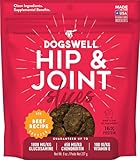
Overview: Dogswell Hip & Joint Slices stack USA beef, glucosamine (1,800 mg/kg) and chondroitin (650 mg/kg) into jerky strips sized for any breed, 8 oz for $12.59.
What Makes It Stand Out: Beef is both the flavor and the vehicle—no chicken or grain fillers—so dogs with poultry allergies finally get a joint treat they can eat.
Value for Money: $1.57/oz lands below boutique jerkies while delivering clinically relevant levels of joint actives; you’d pay the same for plain gourmet jerky with zero health benefit.
Strengths and Weaknesses: The 16 % protein keeps energy high without loading carbs. Strips tear easily into training bits. Drawbacks: the jerky can crumble in the bottom of the bag, creating “jerky dust” that’s hard to serve, and the smoky smell is potent.
Bottom Line: A carnivore-approved joint helper that doubles as a high-value reward—just keep the vacuum handy for crumbs.
6. BIXBI Liberty Functional Healthy Hip And Joint Dog Jerky Treats, Beef Recipe, 5 Ounce

Overview: BIXBI Liberty Functional Healthy Hip And Joint Dog Jerky Treats deliver targeted joint support in a beef jerky format that dogs crave. These 5-ounce bags contain USA-sourced ingredients specifically chosen to promote mobility and joint health in dogs of all ages.
What Makes It Stand Out: Unlike many joint supplements disguised as treats, BIXBI uses vegetarian glucosamine and bovine chondroitin sourced entirely within the USA. The jerky format eliminates the struggle of pill administration while providing real meat protein without common fillers like rice, wheat, or corn.
Value for Money: At $31.97 per pound, these treats sit in the premium category. However, considering they combine high-quality protein with therapeutic levels of joint-supporting supplements, they effectively replace separate supplement purchases while serving as a training reward.
👎 Cons
- The high price point may limit daily use for larger dogs or multi-dog households. Some dogs might find the jerky texture too tough
- Especially seniors with dental issues
Bottom Line: BIXBI Liberty treats excel for owners seeking joint support without pill administration battles. While expensive, the quality ingredients and dual functionality justify the cost for dogs needing mobility support. Best suited for medium to large dogs or as occasional high-value rewards rather than everyday treats.
7. Bocce’s Bakery Quack, Quack, Quack Training Treats for Dogs, Wheat-Free Dog Treats, Made with Real Ingredients, Baked in The USA, All-Natural & Low Calorie Training Bites, Duck & Blueberry, 6 oz
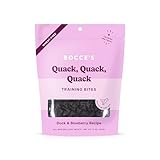
Overview: Bocce’s Bakery Quack Quack Quack Training Treats offer a wheat-free, low-calorie solution for reward-based training. These duck and blueberry bites come perfectly sized at just 4 calories each, making them ideal for frequent reinforcement during training sessions.
What Makes It Stand Out: The unique duck and blueberry flavor combination sets these treats apart from standard chicken or beef options. Their ultra-low calorie count allows generous rewarding without weight concerns, while the chewy texture keeps dogs engaged without crumbling mess.
Value for Money: At $1.33 per ounce, these treats offer excellent value for training-specific treats. The 6-ounce bag provides approximately 150 treats, making cost per treat extremely economical for daily training use.
👎 Cons
- Enthusiastic chewers might swallow these tiny treats whole
- Reducing their effectiveness as a training reward. The duck flavor
- While novel
- Might not appeal to all dogs initially
Bottom Line: Bocce’s training treats deliver exceptional value for dedicated trainers. The low-calorie count and small size make them perfect for clicker training or puppy socialization classes. While not suitable as a meal topper or long-lasting chew, they excel at their intended purpose as high-frequency training rewards.
8. Shameless Pets Soft-Baked Dog Treats, Pumpkin Nut Partay – Natural & Healthy Chews for Digestive Support with Fiber – Doggy Biscuits Baked & Made in USA, Free from Grain, Corn & Soy – 1 Pound 1Pack

Overview: Shameless Pets Pumpkin Nut Partay Soft-Baked Dog Treats combine digestive health benefits with sustainable manufacturing practices. These grain-free biscuits feature pumpkin and peanut butter in a soft-baked format suitable for dogs of all ages and dental conditions.
What Makes It Stand Out: The brand’s commitment to sustainability through upcycled ingredients reduces food waste while maintaining nutritional value. Each treat specifically targets digestive health through fiber-rich pumpkin, making treat time functionally beneficial.
Value for Money: At $12.49 per pound, these treats offer mid-range pricing with premium benefits. The 6-ounce bag provides substantial quantity, while the health benefits add value beyond basic snacking.
👎 Cons
- The one-pound packaging might be misleading since the actual product is 6 ounces. Some dogs might find the pumpkin flavor less exciting than meat-based treats
Bottom Line: Shameless Pets treats excel for owners prioritizing both pet health and environmental responsibility. The digestive benefits make them particularly suitable for dogs with sensitive stomachs or those transitioning diets. While not the most exciting flavor profile for picky eaters, the health benefits and ethical manufacturing justify the price point.
9. Zuke’s Mini Naturals Soft And Chewy Dog Treats For Training Pouch, Natural Treat Bites With Beef Recipe – 6 oz. Bag

Overview: Zuke’s Mini Naturals Soft And Chewy Dog Treats have become the gold standard for training treats. These tiny, 2-calorie beef morsels come in a convenient resealable pouch, making them perfect for on-the-go training sessions and agility competitions.
What Makes It Stand Out: The incredibly small size combined with real beef as the first ingredient creates an irresistible training reward. Added vitamins and minerals provide nutritional benefits beyond basic treats, while the cherry inclusion offers natural antioxidants.
Value for Money: At $15.84 per pound, these treats offer exceptional value considering the quality ingredients and specialized format. The 6-ounce bag contains hundreds of treats, making the cost per reward extremely economical.
👎 Cons
- The small size might frustrate larger dogs or those who prefer to chew. Some owners report the treats drying out if not properly sealed
Bottom Line: Zuke’s Mini Naturals remain the top choice for serious dog trainers. The combination of quality ingredients, perfect size, and economical pricing makes them indispensable for obedience work, agility training, or behavior modification. While they won’t satisfy a dog’s urge to chew, they excel completely at their intended purpose as training rewards.
10. Wholesome Pride Functional Calming Support Turkey Jerky Bites, USA Made Calming Dog Treats – 8 oz

Overview: Wholesome Pride Functional Calming Support Turkey Jerky Bites address canine anxiety through natural ingredients and therapeutic compounds. These 8-ounce bags contain USA-made turkey jerky infused with calming herbs like chamomile and L-theanine for stress relief without sedation.
What Makes It Stand Out: Unlike many calming treats that rely heavily on hemp or CBD, Wholesome Pride uses researched compounds like L-theanine combined with traditional calming herbs. The turkey jerky format provides high-quality protein while delivering anxiety support, making it suitable for regular use.
Value for Money: At $25.98 per pound, these treats command premium pricing. However, considering they combine protein-rich jerky with therapeutic calming ingredients, they offer reasonable value for dogs with anxiety issues.
👎 Cons
- The calming effects vary significantly between individual dogs
- And some may require multiple treats for noticeable results
- Increasing daily costs
Bottom Line: Wholesome Pride Calming Treats work best for dogs with mild to moderate anxiety triggered by predictable events like thunderstorms or car rides. While not a replacement for behavioral training or veterinary intervention for severe anxiety, they provide a natural, gentle aid for stressful situations. The high price limits everyday use but justifies the cost for situational anxiety management.
Understanding Functional Dog Treats: Beyond Simple Rewards
Functional treats are purpose-driven bites that deliver clinically studied nutrients at levels shown to make a measurable difference. Unlike conventional biscuits that prioritize palatability and calories, these treats leverage novel proteins, joint precursors, adaptogens, postbiotics, and microencapsulated oils to turn snack time into therapy time.
Key Benefits: Why 2025 Pet Parents Are Making the Switch
From reducing NSAID reliance in arthritic dogs to cutting thunder-phobia medications during storms, functional treats offer proactive, low-stress support. They also integrate seamlessly into enrichment toys, training protocols, and calorie-controlled diets, making compliance easier than powders, pills, or pastes.
Joint-Support Formulas: What Science Says About Mobility Bio-Actives
Glucosamine hydrochloride, chondroitin sulfate, and MSM remain the gold standard, but 2025 innovations combine them with collagen type-II, green-lipped mussel omega-3s, and eggshell membrane to block inflammatory cytokines at multiple pathway points. Look for treats that list milligram dosages on the panel—not just “contains”—so you can match your vet’s therapeutic recommendation.
Calming & Stress-Relief Treats: Separating Botanicals from Placebos
L-theanine, casein decapeptides, and valerian root are the most researched anxiolytics for canines. Avoid treats that rely solely on lavender scent or vague “herbal blends.” Bioavailability matters: chews using nano-emulsified hemp or microencapsulated tryptophan achieve blood levels 3–4× higher than standard powders baked at high heat.
Skin, Coat & Allergy Support: Omega Ratios That Actually Work
It’s not enough to see “fish oil” on the label. The ideal treat delivers a 5:1 EPA:DHA ratio plus gamma-linolenic acid from organic borage to tackle both itching and inflammation. Check that the brand lists oxidation markers (peroxide value < 5 meq O₂/kg) and uses nitrogen-flushed packaging to prevent rancidity.
Digestive Health & Probiotic Treats: CFU Counts, Strains & Survival
Only treats that guarantee colony-forming units (CFUs) at the end of shelf life—typically 1–3 billion for dogs under 25 kg—are worth your money. Spore-forming Bacillus coagulans and Bacillus subtilis survive baking temperatures, whereas traditional Lactobacillus needs extrusion-coating or post-bake application. Prebiotic fibers like FOS and MOS should appear within the first five ingredients to feed those microbes once they reach the colon.
Cognitive & Senior Brain Boosters: Antioxidants That Cross the Blood-Brain Barrier
Medium-chain triglycerides from coconut, phosphatidylserine derived from sunflower lecithin, and the antioxidant combo of luteolin, rutin, and alpha-lipoic acid have shown measurable improvement in landmark studies on canine cognitive dysfunction. Seek treats that provide at least 0.1 mg/kg of luteolin per body weight to mirror trial dosages.
Dental & Breath-Freshening Functional Chews: Mechanical vs. Chemical Action
Effective dental treats combine a chewy, elastic texture that creates 20–30 seconds of scraping with enzymes such as glucose oxidase and lysozyme that break down biofilm. Avoid hard, bone-like chews that fracture teeth; instead, opt for treats with a Shore A hardness of 60–70 and a flexible matrix infused with zinc ascorbate to reduce volatile sulfur compounds.
Weight Management & Metabolic Support: Low-Glycemic Fibers That Satisfy
L-carnitine (50–100 mg per 10 kg body weight) plus soluble fibers like beta-glucan from oats or psyllium husk slow gastric emptying and blunt post-prandial glucose spikes. The best slimming treats keep calories under 8 kcal per chew yet deliver 3–4 g of dietary fiber to help dogs feel full.
Immunity & Antioxidant Treats: Superfoods vs. Clinically Validated Doses
Turmeric’s curcumin needs 95 % standardized extract paired with piperine to reach therapeutic blood levels—roughly 1 mg/kg curcuminoids. Likewise, blueberry polyphenols must exceed 4 % anthocyanins to up-regulate antioxidant enzymes. If the label simply lists “blueberry powder” without concentration, you’re likely getting ornamental levels.
Ingredient Quality Red Flags: Fillers, Artificial Preservatives & Heavy Metals
Steer clear of treats containing BHA, BHT, or ethoxyquin; instead, look for mixed tocopherols, rosemary extract, and ascorbyl palmitate. Because joint and ocean-sourced treats can accumulate heavy metals, reputable brands post COAs showing < 0.1 ppm lead and < 0.05 ppm mercury—demand transparency.
Delivery Systems: Soft Chews, Crunchy Biscuits, Extruded Sticks & Frozen Bites
Soft chews allow higher inclusion rates of heat-sensitive actives but can contain humectants like propylene glycol. Crunchy biscuits excel for dental benefits but limit probiotic viability. Frozen bites preserve omega-3 integrity yet need cold-chain shipping. Pick the format that aligns with your dog’s preference and the nutrient you’re targeting.
Dosing & Safety: How to Calculate mg per kg and Avoid Over-Supplementation
Use your dog’s target lean body weight, not current obese weight, to calculate milligram needs. For example, glucosamine at 15 mg/kg/day means a 20 kg dog needs 300 mg—check that the treat delivers at least 75 % of that so you can split across two training sessions without exceeding safe limits. Always loop your veterinarian in when stacking multiple functional products.
Reading the Guaranteed Analysis: Converting Kibble Logic to Treat Logic
Treats display “as fed” nutrients, not dry matter. If a calming chew shows 0.3 % L-theanine and is 18 % moisture, the dry-matter value is 0.37 %. For precise dosing, convert to milligrams per treat using the weight of one chew. Anything that omits moisture is non-compliant with AAFCO labeling and should raise suspicion.
Sustainability & Ethical Sourcing: Marine Collagen, Palm Oil & Carbon Pawprint
Joint treats often source collagen from Vietnamese pangasius or South American bovine hides; look for MSC-certified fish and grass-fed, pasture-raised cattle. Avoid palm oil as a binder—its cultivation drives deforestation—and instead choose treats using certified regenerative coconut oil or cultured sunflower lecithin.
Transitioning & Monitoring: Signs the Treat Is Working Within 4–6 Weeks
Create a baseline log: gait score 1–5, itch episodes per day, or anxiety events per week. Re-evaluate after one month; measurable changes should appear by week six. If you see diarrhea, polydipsia, or hyperactivity, pause and reassess dosage or formula—functional nutrients are powerful, and more is not always better.
Frequently Asked Questions
1. How long does it take for joint-support treats to show improvement in mobility?
Most dogs exhibit measurable gait improvement within 4–6 weeks when dosed at therapeutic levels; earlier changes may reflect anti-inflammatory omega-3s rather than cartilage regeneration.
2. Can I give calming treats every day, or only during fireworks and thunderstorms?
Daily use is safe for ingredients like L-theanine and casein peptides at labeled dosages; reserve stronger herbals such as valerian for situational use to avoid tolerance.
3. Are functional treats safe for puppies, or should I wait until adulthood?
Many formulas are calibrated for adult body weights; puppy-safe options exist but must specify growth-stage dosing—consult your vet to avoid developmental imbalances.
4. Do I still need a separate probiotic powder if the treat already contains probiotics?
If the treat guarantees 1–3 billion CFU of spore-forming strains and your dog has no GI disease, it can replace powders; for therapeutic GI conditions, higher CFU counts may be necessary.
5. What’s the shelf life of omega-3-rich treats, and how can I tell if they’ve oxidized?
Refrigeration extends life to 12 months; sniff for a strong fishy or rancid odor, and check if the brand lists peroxide values on the COA—anything above 5 meq O₂/kg is suspect.
6. How do I calculate treat calories within my dog’s daily allowance?
Subtract treat calories from total daily caloric requirement; functional treats should stay below 10 % of daily calories to preserve complete diet balance.
7. Can functional treats replace prescription medications for arthritis or anxiety?
They can reduce reliance and allow dose-sparing but rarely replace pharmaceuticals in moderate-to-severe cases—coordinate any changes with your veterinarian.
8. Are grain-free functional treats healthier for dogs with allergies?
Not necessarily; true food allergies are usually protein-based. Look for novel proteins like insect meal or hydrolyzed soy rather than avoiding grains unless your dog is diagnosed celiac.
9. What certifications prove a treat is low in heavy metals and contaminants?
NSF Certified for Sport, NASC Quality Seal, and ISO-17025 third-party COAs that quantify lead, mercury, arsenic, and cadmium are the most reliable indicators.
10. How can I tell if my dog is overdosing on joint ingredients like MSM or glucosamine?
Signs include loose stools, increased thirst, or panting; immediately cross-check total daily mg against veterinary guidelines and scale back if combined with other supplements.