When it comes to nourishing our canine companions, the conversation has shifted dramatically from simply filling a bowl to strategically fueling a biological system. In 2026, discerning pet parents are increasingly rejecting one-size-fits-all nutrition in favor of diets that honor their dog’s evolutionary blueprint. The rise of biologically appropriate feeding represents more than a trend—it’s a fundamental rethinking of what dogs truly need to thrive, not just survive.
At the heart of this movement lies a critical question: does your dog’s food reflect their ancestral origins as a carnivorous predator, or is it built for convenience and cost-cutting? Grain-free formulations have become central to this discussion, but not all are created equal. Understanding the difference between marketing hype and genuine nutritional philosophy is essential for making informed decisions about your dog’s daily diet.
Top 10 Orijen Adult Dog Food
Detailed Product Reviews
1. ORIJEN Grain Free High Protein Dry Dog Food Original Recipe 23.5lb Bag

Overview: The ORIJEN Grain-Free Original 23.5lb bag represents the brand’s flagship biologically appropriate nutrition for dogs of all life stages. This substantial bag size caters to multi-dog households or large breed owners committed to premium feeding. The formula delivers 85% animal protein through a WholePrey approach, incorporating muscle meat, organs, and bone to mirror ancestral canine diets. Manufactured in the USA with globally sourced ingredients, this recipe positions itself at the apex of the grain-free movement.
What Makes It Stand Out: The first five ingredients—chicken, turkey, salmon, whole herring, and chicken liver—are all premium animal proteins, ensuring your dog receives concentrated nutrition without plant-based fillers. The WholePrey philosophy means your dog consumes nutrient-dense organs and bones naturally rich in vitamins and minerals. This grain-free formulation specifically supports immune function, digestion, and skin/coat health, making it ideal for dogs with sensitivities to wheat, corn, or soy.
Value for Money: At premium pricing, this 23.5lb bag costs approximately $3.50-$4.50 per pound, positioning it alongside other ultra-premium brands like Acana and Ziwi Peak. While significantly more expensive than grocery store options, the nutrient density means smaller serving sizes. For a 50lb dog, the bag lasts roughly 5-6 weeks, translating to about $1.50-$2.00 per day—comparable to a coffee shop beverage but investing in your dog’s long-term health and reduced veterinary bills.
👍 Pros
- Include exceptional ingredient transparency
- High palatability even for picky eaters
- Noticeable coat improvement within weeks
- And firm stool consistency. The 23.5lb size reduces packaging waste and reorder frequency
👎 Cons
- Involve the high upfront cost
- A potent fish aroma that some owners find overwhelming
- And the need for a gradual 7-10 day transition to avoid digestive upset. Not suitable for dogs requiring lower protein for medical reasons
Bottom Line: This is a top-tier choice for discerning owners seeking grain-free, high-protein nutrition. The 23.5lb bag offers the best value for committed users, delivering visible health benefits that justify the premium investment for dogs without specific dietary restrictions.
2. ORIJEN Grain Free High Protein Dry Dog Food Original Recipe 4.5lb Bag
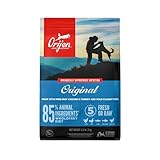
Overview: This 4.5lb bag delivers ORIJEN’s acclaimed grain-free Original recipe in a compact, trial-friendly size. Perfect for small breed owners, travel, or testing palatability before investing in the larger 23.5lb bag, this option maintains identical nutritional standards. With 85% animal protein from the same premium WholePrey ingredients—chicken, turkey, salmon, herring, and chicken liver—it provides biologically appropriate nutrition without grains for dogs of all life stages.
What Makes It Stand Out: The primary advantage is flexibility. Small breed owners avoid storage issues and stale kibble, while large breed owners can conduct a proper 7-10 day transition without committing $80-$100. The identical formulation means you’re not compromising on quality—this is the same premium nutrition, just portioned for convenience. It’s also ideal for rotational feeding strategies or as a high-value meal topper mixed with other foods.
Value for Money: Priced at roughly $5.50-$6.50 per pound, you’re paying a 40-50% premium versus the 23.5lb bag. For a 50lb dog, this bag lasts only 4-5 days, making it prohibitively expensive for long-term feeding. However, the value lies in risk mitigation—spending $25 to confirm your dog tolerates and enjoys the formula prevents wasting $85 on an unusable large bag. For dogs under 15lbs, this size becomes more economically viable.
👍 Pros
- Include portability
- Freshness
- Low commitment
- And identical nutritional benefits. It’s perfect for vacations
- Trial periods
- And small dogs
👎 Cons
- Are the steep per-pound cost
- Excessive packaging relative to product volume
- And frequent reordering inconvenience. Large breed owners will find themselves purchasing multiple bags monthly
- Negating any convenience
Bottom Line: Purchase this 4.5lb bag exclusively for testing, travel, or toy breeds. If your dog approves, immediately transition to the 23.5lb size for substantial savings. It’s a smart sampling tool but an impractical long-term solution for most households.
3. ORIJEN Grain Free High Protein Dry Dog Food Large Breed Adult Recipe 23.5lb Bag

Overview: ORIJEN’s Large Breed Adult formula in a 23.5lb bag addresses the specific musculoskeletal needs of bigger dogs while maintaining the brand’s premium standards. This specialized recipe supports dogs 70lbs and up through adulthood with targeted nutrition for joint health and controlled growth. The WholePrey philosophy remains central, delivering nutrient-dense poultry and fish ingredients tailored for larger frames and longer lifespans.
What Makes It Stand Out: Unlike the all-life-stages Original, this formula incorporates calculated calcium and phosphorus levels to promote healthy bone density without accelerating growth—a critical factor preventing hip dysplasia. Naturally occurring Omega-3s from wild-caught herring and salmon provide anti-inflammatory joint support, while added probiotics and fiber blends aid the sensitive digestion common in large breeds. The kibble size is appropriately larger to encourage proper chewing.
Value for Money: At a similar premium price point ($3.50-$4.50/lb), this formula offers preventative value that generic adult foods lack. Large breed orthopedic surgery can cost $3,000-$7,000; investing in proper nutrition that supports joint integrity from ages 1-7 provides significant insurance. The 23.5lb bag typically lasts a 70lb dog 4-5 weeks, costing roughly $2.00-$2.50 daily—minimal compared to potential veterinary interventions.
👍 Pros
- Include breed-specific formulation
- Joint-supporting nutrients
- Appropriate mineral ratios
- And digestive support tailored to large breeds. Owners report improved mobility and stool quality
👎 Cons
- Are the limitation to adult large breeds only (not for puppies or small dogs)
- Premium pricing
- And the same strong fish aroma present in other ORIJEN formulas. Some dogs may find the larger kibble challenging
Bottom Line: This is an essential investment for large breed owners prioritizing longevity and mobility. While expensive, the targeted joint and bone support justifies every penny for dogs prone to orthopedic issues. Do not use for large breed puppies—wait until adulthood.
4. ORIJEN Amazing Grains High Protein Dry Dog Food Original Recipe 22.5lb Bag

Overview: ORIJEN’s Amazing Grains Original recipe in a 22.5lb bag marks the brand’s evolution toward inclusive nutrition, reintroducing select grains for dogs without sensitivities. This formula boosts animal content to 90% while incorporating non-GMO grains, challenging the grain-free orthodoxy with science-backed digestibility. The freeze-dried coating delivers raw flavor bursts, appealing to ancestral feeding instincts while maintaining kibble convenience.
What Makes It Stand Out: The 90% animal ingredient ratio exceeds even their grain-free offerings, with the first five ingredients being fresh or raw poultry and fish. The inclusion of carefully selected grains provides fiber for satiety and gut health without triggering common allergies. The freeze-dried raw coating is a unique palatability enhancer that distinguishes it from competitors, creating a sensory experience dogs instinctively crave while delivering probiotics and omega fatty acids.
Value for Money: Priced comparably to the grain-free version at $3.50-$4.00/lb, this formula offers slightly better value through higher protein content per cup. The grain inclusion may reduce production costs, though savings aren’t passed to consumers. For owners concerned about recent DCM research linking grain-free diets, this provides peace of mind without sacrificing ORIJEN’s premium standards. The 22.5lb bag offers similar economies to the 23.5lb grain-free size.
👍 Pros
- Include higher animal protein content
- Excellent palatability from freeze-dried coating
- Digestible grains for energy
- And suitability for dogs without grain allergies. Many owners report improved stool consistency compared to grain-free
👎 Cons
- Include unsuitability for truly grain-sensitive dogs
- A slightly smaller bag size
- And philosophical opposition from grain-free purists. The raw coating can create powder at the bag’s bottom
Bottom Line: This innovative formula successfully combines ORIJEN’s protein philosophy with grain-inclusive benefits. Ideal for active dogs without grain sensitivities, it offers maximum nutrition with enhanced digestibility. A compelling alternative to traditional grain-free diets.
5. ORIJEN Amazing Grains High Protein Dry Dog Food Regional Red Recipe 22.5lb Bag

Overview: The Amazing Grains Regional Red formula in a 22.5lb bag delivers novel protein diversity through a grain-inclusive, high-protein kibble. Featuring beef, wild boar, lamb, beef liver, and pork as the first five ingredients, this recipe offers 90% animal content for owners seeking rotational feeding options or alternatives to poultry-heavy diets. The freeze-dried raw coating and non-GMO grains create a nutrient-dense option for dogs through all life stages, excluding large breed growth periods.
What Makes It Stand Out: This formula’s protein rotation potential is unmatched—wild boar and lamb provide novel amino acid profiles that can reduce food sensitivities from long-term poultry exposure. The red meat focus delivers higher iron and B
6. ORIJEN Grain Free High Protein Dry Dog Food Senior Recipe 23.5lb Bag

Overview: The ORIJEN Senior Recipe is a premium grain-free formula specifically designed for aging dogs. This 23.5-pound bag delivers nutrient-dense nutrition tailored to maintain healthy weight and joint function in senior canines. With up to 85% animal ingredients, it follows ORIJEN’s biologically appropriate philosophy, utilizing fresh or raw chicken, turkey, salmon, whole herring, and chicken liver as the first five ingredients. Made in the USA with globally sourced quality ingredients, this recipe excludes soy, corn, tapioca, and wheat.
What Makes It Stand Out: The WholePrey approach mimics ancestral diets by incorporating nutrient-rich organs and meat, providing exceptional protein quality rarely found in senior formulas. The emphasis on fresh/raw ingredients as the primary components ensures maximum nutrient retention. Unlike many senior foods that reduce protein, this formula maintains high protein content to preserve lean muscle mass while addressing age-specific concerns like joint health.
Value for Money: At approximately $90-100 for 23.5 pounds, this is a significant investment. However, the nutrient density means smaller serving sizes, and the large bag offers better value than smaller packages. Compared to veterinary prescription diets or other premium senior foods, ORIJEN provides superior ingredient transparency and protein quality for a comparable price point.
👍 Pros
- Include exceptional ingredient quality
- High animal protein content
- Grain-free formulation for sensitive seniors
- And joint support nutrients
👎 Cons
- Are the premium price
- Potential richness for less active seniors
- And ongoing debate about grain-free diets and heart health
Bottom Line: Ideal for active, healthy seniors who thrive on high-protein nutrition. Consult your veterinarian before switching, especially for dogs with cardiac concerns. The quality justifies the cost for discerning pet owners.
7. ORIJEN Grain Free Poultry Free High Protein Dry Dog Food Regional Red Recipe 4.5lb Bag

Overview: ORIJEN’s Regional Red Poultry-Free formula offers a novel solution for dogs with poultry sensitivities. This 4.5-pound bag features a grain-free recipe built around red meat proteins including farm-raised beef, wild boar, lamb, and pork. With 85% animal protein content and WholePrey ingredients, it delivers biologically appropriate nutrition without common allergens. The first five ingredients are all fresh or raw meats and organs, ensuring premium quality.
What Makes It Stand Out: The complete exclusion of poultry makes this a standout for allergy-prone dogs. The diverse protein sources provide a rich amino acid profile while reducing the risk of developing new sensitivities. The WholePrey methodology incorporates nourishing organs that mirror ancestral diets, offering nutrients often missing in conventional kibble.
Value for Money: Priced around $30-35 for 4.5 pounds, this is a premium investment. The small bag size makes it expensive per pound but ideal for trial periods or for households with single small dogs. For dogs requiring poultry-free diets, the cost is justified compared to limited ingredient therapeutic diets.
👍 Pros
- Include poultry-free formulation
- Novel protein variety
- High animal ingredient percentage
- And suitability for rotational feeding
👎 Cons
- Are the small bag size
- High cost per serving
- And rich formula that may cause digestive upset during transition. Not ideal for multi-dog households
Bottom Line: Perfect for dogs with confirmed poultry allergies or intolerances. The exceptional protein diversity and quality make it worth the premium, but introduce gradually and monitor stool quality. A top-tier choice for elimination diets.
8. ORIJEN Grain Free High Protein Dry Dog Food Fit & Trim Recipe 23.5lb Bag

Overview: The ORIJEN Fit & Trim formula addresses weight management without compromising protein quality. This 23.5-pound grain-free bag maintains 85% animal ingredients while supporting lean muscle mass and peak conditioning. Fresh or raw poultry and fish lead the ingredient list, providing high-quality protein that helps dogs feel satiated. Manufactured in the USA, it excludes grains, soy, corn, and other fillers that contribute empty calories.
What Makes It Stand Out: Unlike typical weight-loss foods that slash protein and increase fiber, Fit & Trim preserves biologically appropriate nutrition. The high protein content (from fresh ingredients) supports metabolism and muscle maintenance during calorie restriction. The WholePrey approach ensures dogs receive organ nutrients that aid in metabolic function, making weight loss healthier and more sustainable.
Value for Money: At roughly $90-100 for 23.5 pounds, it’s priced similarly to other ORIJEN formulas. The large bag provides better economy than smaller weight-management brands. Given that obesity-related health issues cost pet owners far more long-term, this preventative approach offers solid value.
👍 Pros
- Include high protein for weight loss
- Grain-free for sensitive dogs
- Large economical bag size
- And nutrient density
👎 Cons
- Are the premium price
- Potential for being too calorie-dense for severely overweight dogs
- And the grain-free debate. Some dogs may need portion control beyond the feeding guide
Bottom Line: Excellent for maintaining muscle while shedding fat. Best suited for moderately overweight active dogs rather than severely obese pets requiring veterinary supervision. The quality ingredients support healthy weight loss without nutrient deprivation.
9. ORIJEN Amazing Grains High Protein Dry Dog Food Regional Red Recipe 4lb Bag

Overview: ORIJEN’s Amazing Grains Regional Red represents a strategic shift toward grain-inclusive premium nutrition. This 4-pound bag combines 90% animal ingredients with carefully selected non-GMO grains, offering peak nutrition for all life stages. The first five ingredients remain premium fresh or raw beef, wild boar, lamb, beef liver, and pork, while added grains provide digestive support. A freeze-dried coating enhances palatability with raw flavor.
What Makes It Stand Out: The unprecedented 90% animal ingredient content in a grain-inclusive formula sets a new industry standard. This addresses recent concerns about grain-free diets while maintaining ORIJEN’s high-protein philosophy. The freeze-dried coating provides a raw flavor burst that entices picky eaters, and the WholePrey approach continues to deliver organ-based nutrients.
Value for Money: At approximately $25-30 for 4 pounds, it’s competitively priced for a premium grain-inclusive food. The small bag serves as an economical trial size before committing to larger quantities. It offers peace of mind for owners concerned about DCM without sacrificing protein quality.
👍 Pros
- Include high animal content with grain benefits
- Freeze-dried palatability boost
- Non-GMO grains
- And suitability for all life stages
👎 Cons
- Are the small bag size
- Limited availability
- And potential for grain-sensitive dogs. The formula is still new with limited long-term studies
Bottom Line: A smart choice for owners seeking premium protein with grain-inclusive peace of mind. Ideal for rotational feeding or as a primary diet for dogs without grain sensitivities. The exceptional quality justifies trying this innovative formula.
10. ORIJEN Amazing Grains High Protein Dry Dog Food Small Breed Recipe 4lb Bag

Overview: Specifically crafted for small breeds, ORIJEN Amazing Grains Small Breed formula delivers concentrated nutrition in a petite kibble size. This 4-pound bag features protein-rich poultry and fish balanced with fiber-rich grains, prebiotics, probiotics, and omega fatty acids. The WholePrey approach incorporates organs to mirror ancestral diets, while the grain-inclusive recipe addresses modern nutritional concerns. Made in the USA with global ingredients, it supports the unique metabolic needs of smaller dogs.
What Makes It Stand Out: The tailored small-breed kibble size prevents choking and encourages proper chewing. The inclusion of both prebiotics and probiotics specifically targets small dogs’ often-sensitive digestive systems. Wild-caught herring, cod, and pollock provide omega-3s for skin, coat, and anti-inflammatory support in a concentrated formula suitable for tiny tummies.
Value for Money: At $25-30 for 4 pounds, it’s appropriately priced for the small breed market. Small dogs consume less, making the bag last longer than weight suggests. The preventative health benefits of probiotics and quality ingredients may reduce veterinary visits, offering long-term savings.
👍 Pros
- Include small-breed-specific sizing
- Digestive support system
- Balanced omegas
- Grain-inclusive formula
- And high protein concentration
👎 Cons
- Are the premium price per pound
- Potentially too rich for some small breeds
- And 4-pound bag may not suit multi-small-dog households
Bottom Line: Excellent for small breed owners prioritizing digestive health and coat quality. The thoughtful formulation addresses small dog-specific needs while maintaining ORIJEN’s premium standards. Worth the investment for toy and small breeds prone to digestive issues.
What Makes a Diet “Biologically Appropriate” for Dogs?
A biologically appropriate diet mirrors the quantity, freshness, and variety of meats that dogs evolved to eat. This concept moves beyond basic nutritional requirements to consider the anatomical and physiological characteristics of canines—from their sharp teeth designed for tearing flesh to their short digestive tracts optimized for protein digestion. In 2026, this approach emphasizes whole-prey ratios, fresh regional ingredients, and minimal processing that preserves nutritional integrity.
The Grain-Free Revolution: Beyond Marketing Hype
The grain-free movement has matured significantly since its inception. Today’s informed pet owners understand that simply removing grains isn’t enough—the replacement ingredients and overall formulation matter immensely. Quality grain-free diets substitute empty fillers with nutrient-dense alternatives that provide functional benefits, not just carbohydrate content. This evolution reflects deeper research into canine metabolism and food sensitivities.
Decoding the Orijen Philosophy
Orijen’s formulation philosophy centers on the “whole prey” concept, incorporating meat, organs, cartilage, and bone in ratios that replicate natural consumption patterns. This approach delivers nutrients in their most bioavailable forms, reducing the need for synthetic supplementation. The brand’s commitment to fresh, regionally sourced ingredients represents a supply chain transparency that resonates with modern pet parents who treat ingredient sourcing with the same scrutiny as their own food.
Protein-Packed Nutrition: The Foundation of Canine Health
High-quality protein serves as the cornerstone of canine vitality, supporting everything from muscle maintenance to immune function. Biologically appropriate diets typically feature 70-85% animal ingredients, providing the complete amino acid profile dogs require. This protein-forward approach fuels lean muscle mass, supports metabolic function, and delivers the satiety that prevents overeating—a critical factor in weight management for today’s increasingly sedentary pets.
Fresh Regional Ingredients: From Farm to Bowl
The journey from source to bowl dramatically impacts nutritional value. Fresh, regionally sourced ingredients minimize transportation time and preservation requirements, retaining delicate nutrients that degrade during long storage periods. This farm-to-bowl philosophy ensures that vitamins, enzymes, and phytonutrients arrive intact, offering superior bioavailability compared to heavily preserved alternatives. In 2026, traceability technology allows pet owners to verify these sourcing claims like never before.
WholePrey Ratios: Mimicking Nature’s Blueprint
WholePrey ratios represent a revolutionary approach to formulation, incorporating muscle meat, organs, and edible bone in proportions that mirror what dogs would consume in the wild. Organs like liver, kidney, and heart are nutritional powerhouses, delivering concentrated vitamins and minerals in their natural context. This holistic inclusion reduces dependency on synthetic additives while providing nutrients that work synergistically within the body.
Low-Glycemic Carbohydrates: Steady Energy Release
Not all carbohydrates are created equal. Low-glycemic options like lentils, chickpeas, and squash provide sustained energy without the blood sugar spikes associated with refined grains or potatoes. This steady release supports stable behavior, consistent performance, and reduced inflammation. For dogs prone to metabolic issues or energy fluctuations, this carbohydrate strategy offers a significant advantage over traditional grain-inclusive formulas.
The No-List: What You Won’t Find in Quality Grain-Free Food
Premium grain-free diets distinguish themselves through strategic omission. You won’t find vague “meat meals” of unspecified origin, artificial preservatives like BHA or BHT, or generic “animal digest.” The absence of corn, wheat, and soy eliminates common allergens and inflammatory triggers. This clean formulation philosophy extends to avoiding peas as primary ingredients—a consideration that gained traction after ongoing research into dietary dilated cardiomyopathy (DCM) concerns.
Digestive Wellness: Gut Health in the Spotlight
Modern canine nutrition recognizes that health begins in the gut. Quality grain-free formulas incorporate digestive aids like probiotics, prebiotic fibers from pumpkin and chicory root, and naturally occurring enzymes from fresh foods. These components cultivate a robust microbiome, enhancing nutrient absorption and supporting immune function. The result is smaller, firmer stools—a tangible indicator of superior digestibility and ingredient utilization.
Skin, Coat, and Shine: Beauty from Within
The condition of a dog’s skin and coat serves as a visible barometer of internal health. Diets rich in omega-3 and omega-6 fatty acids from fresh fish and fish oil promote a lustrous coat and reduce inflammatory skin conditions. The high-quality protein and bioavailable zinc found in biologically appropriate diets support keratin production and skin cell regeneration, addressing issues like excessive shedding, dryness, and itchiness at their source.
Sustained Energy for Active Lifestyles
Working dogs, sporting breeds, and active companions require nutrition that fuels performance without creating metabolic chaos. The protein-fat-carbohydrate balance in premium grain-free formulas provides sustained energy for endurance activities while preventing the crashes associated with high-glycemic diets. This metabolic stability translates to better focus during training, faster recovery after exertion, and maintained stamina throughout demanding activities.
Weight Management Made Natural
Obesity remains the leading health threat for domestic dogs, and calorie-dense, nutrient-poor foods share much of the blame. Biologically appropriate diets support healthy weight through high protein content that promotes satiety, moderate fat levels for energy, and minimal empty carbohydrates. Dogs naturally regulate their intake more effectively when fed species-appropriate nutrition, often reducing overall consumption while increasing satisfaction.
Dental Health: The Crunch Factor
While dry kibble alone won’t replace dental care, the texture and composition of high-quality grain-free food contribute to oral health. The density and crunch of protein-rich kibble provide mechanical cleaning action against plaque buildup. Additionally, the absence of sticky, high-carbohydrate residues reduces the substrate available for bacterial growth, supporting fresher breath and healthier gums between professional cleanings.
Key Considerations Before Making the Switch
Transitioning to a biologically appropriate diet requires thoughtful evaluation of your dog’s specific needs. Consider age, activity level, existing health conditions, and any known sensitivities. Consult with your veterinarian, particularly if your dog has a history of digestive issues or chronic disease. Budget implications also warrant consideration—while premium nutrition requires higher upfront investment, many owners report reduced veterinary costs and improved quality of life.
Transitioning Your Dog: A Step-by-Step Guide
A gradual transition prevents digestive upset and allows your dog’s system to adapt to the richer nutrient profile. Begin with a 25% new food to 75% old food ratio for 3-4 days, then shift to 50/50 for another 3-4 days, followed by 75/25 before reaching 100% new food. Monitor stool consistency, energy levels, and appetite throughout. Some dogs with sensitive systems may require a slower 10-day transition or temporary digestive enzyme supplementation.
Feeding Guidelines: Portion Control Matters
Even the highest quality food can contribute to weight gain when overfed. Biologically appropriate diets are calorie-dense, meaning smaller portions deliver complete nutrition. Use a digital scale for precision, adjusting based on body condition score rather than package recommendations alone. Active dogs may require 20-30% more calories, while seniors or less active pets often need 10-20% less. Recalculate portions seasonally as activity levels fluctuate.
Investment in Health: Cost vs. Long-Term Value
The price premium for biologically appropriate nutrition often causes sticker shock, but the value equation extends beyond the bag. Higher digestibility means less waste, smaller portions, and reduced stool volume. Many owners report fewer veterinary visits for skin issues, digestive problems, and obesity-related conditions. When calculated as cost-per-day of feeding rather than cost-per-pound, the difference narrows considerably, especially considering potential long-term health savings.
Debunking Common Grain-Free Myths
Myth-busting remains crucial in 2026 as misinformation persists. Quality grain-free diets are not “all protein”—they’re balanced nutrition that happens to exclude grains. The DCM controversy highlighted the importance of formulation expertise, not grain presence alone. Taurine levels, methionine, and cysteine content matter more than grain status. Additionally, grain-free doesn’t automatically mean low-carb; it means thoughtfully selected carbohydrate sources.
2026 Canine Nutrition Trends: What to Watch
The future of canine nutrition points toward even greater personalization, with breed-specific formulations and age-optimized ratios gaining traction. Sustainable protein sources like insect meal and cultured meat are entering the conversation, though traditional whole prey remains the gold standard. DNA-based diet recommendations and microbiome testing are becoming mainstream tools for fine-tuning nutrition. Transparency technology, including blockchain ingredient tracking, is setting new standards for accountability.
Frequently Asked Questions
1. Is a grain-free diet actually necessary for dogs without allergies?
While not every dog requires grain-free nutrition, the benefits extend beyond allergy management. Grain-free formulas often feature higher quality ingredients overall, with more animal protein and fewer inflammatory fillers. Many dogs show improved energy, smaller stools, and better coat condition even without diagnosed grain sensitivities.
2. How does Orijen’s protein percentage compare to other premium brands?
Biologically appropriate diets typically contain 38-42% protein on a dry matter basis, significantly higher than conventional kibble at 18-24%. This reflects the ancestral canine diet and supports lean muscle mass. Always compare foods on a dry matter basis rather than as-fed values for accurate assessment.
3. Will switching to a high-protein diet harm my senior dog’s kidneys?
This persistent myth lacks scientific support in healthy dogs. Protein doesn’t damage kidneys; poor-quality protein creates more metabolic waste. Senior dogs actually require high-quality protein to prevent muscle wasting. Only dogs with diagnosed kidney disease need protein restriction under veterinary supervision.
4. What’s the difference between “fresh” and “raw” ingredients in dry kibble?
“Fresh” ingredients are refrigerated but never frozen, preserving cellular structure and enzymatic activity. “Raw” indicates uncooked but may be frozen for transport. Both retain more nutrients than rendered meals, but fresh ingredients require more sophisticated supply chain management, reflecting in the final product quality.
5. How long should I wait to see benefits after switching foods?
Initial changes like improved stool quality and reduced stool volume often appear within 7-10 days. Skin and coat improvements typically emerge after 4-6 weeks as new hair growth cycles begin. Energy level changes and weight stabilization may take 6-8 weeks as the body fully adapts to the new nutrient profile.
6. Are there any breeds that shouldn’t eat grain-free diets?
No specific breed contraindications exist for quality grain-free diets. However, individual dogs with certain health conditions may require specialized nutrition. The key is formulation quality, not grain presence. Breeds predisposed to DCM should be monitored regardless of diet type, with regular veterinary cardiac screening.
7. How do I know if the “whole prey” ratios are actually beneficial?
Look for named organ meats (liver, kidney, heart) in the ingredient list, not just muscle meat. The guaranteed analysis should show natural nutrient levels rather than heavy reliance on synthetic vitamins. Improved digestibility and smaller stool volume serve as practical evidence of effective whole prey nutrition.
8. Can I mix grain-free kibble with other types of food?
Mixing can be done safely, but consistency matters. Avoid combining with high-carbohydrate foods that counteract the benefits. If adding toppers, choose fresh cooked meats, fermented vegetables, or bone broth rather than grain-based mixes. Maintain the primary diet as at least 75% of total intake.
9. What should I do if my dog experiences loose stools during transition?
Slow the transition pace and consider adding a canine-specific probiotic. Pumpkin puree (not pie filling) can help firm stools. Ensure adequate water intake. If diarrhea persists beyond 48 hours or is severe, consult your veterinarian to rule out underlying issues rather than food intolerance.
10. How do storage and handling differ for premium grain-free foods?
The high fresh meat content makes proper storage critical. Keep the bag sealed in a cool, dry place and use within 4-6 weeks of opening. Avoid transferring to plastic containers that can trap humidity and leach chemicals. The original bag’s fat barrier protects against oxidation, preserving nutritional integrity.